


-1.jpg)
Tax credits are important for US taxpayers because they reduce taxes in the most direct way the system allows. Unlike deductions, which only lower the income you are taxed on, credits cut your tax bill dollar for dollar. That difference sounds small until you feel it in real life. A credit can shrink what you owe immediately, and for many households it is the deciding factor between ending the year with a manageable tax bill or struggling to cover the gap. Their importance becomes even clearer when you consider how tax credits affect refunds. Many taxpayers experience the tax system through cash flow, not theory. A refund can function like a once a year financial reset, helping people catch up on bills, handle overdue expenses, or rebuild a thin emergency fund. Credits are one of the biggest drivers behind refund size because they change the total tax owed, not just the timing of payments. When a credit applies, the difference can be noticeable, and when a credit disappears, the shock can be just as real.
Some credits matter even more because they are refundable. A nonrefundable credit can reduce your tax bill to zero, but it cannot go beyond that point. If you do not owe much tax, you may not be able to use the full value. Refundable credits work differently. They can reduce your tax bill to zero and then continue past zero, turning into money returned to you. This is why refundable credits can feel like more than a tax break. For many working families, they function as income support delivered through the tax system, and they can help cover essential costs like rent, groceries, transportation, and child related expenses.
Tax credits also matter because they reveal how the government chooses to target relief. Instead of lowering tax rates for everyone, lawmakers often use credits to focus help on specific groups or to encourage certain choices. Credits can be structured to support families with children, reduce the burden of education expenses, make health insurance more affordable, or promote long term saving and investment. In that sense, credits are not just a personal finance detail. They are the mechanism that turns policy goals into real dollars for households. At the same time, the power of credits is tied to rules that can trip people up. Credits frequently come with income limits, eligibility tests, and phaseouts. A taxpayer might qualify in one year and lose part or all of the benefit in another year simply because income rose, filing status changed, or a dependent situation shifted. This can create surprises, especially for people with variable income from overtime, commissions, gig work, or side hustles. A small increase in income can sometimes reduce a credit enough that take home finances feel tighter than expected, even if total earnings are higher.
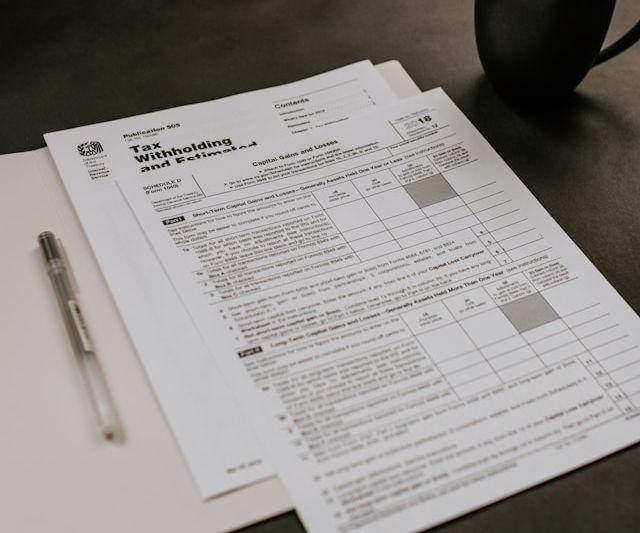
Credits can also make tax filing more complex, and that complexity has a cost. Households that rely on credits often need to document eligibility, keep better records, and navigate rules that are not always easy to understand. Mistakes can lead to delayed refunds, repayment demands, or missed benefits. Even when everything is done correctly, verification can slow processing. This administrative burden is part of the tradeoff built into using the tax system to deliver targeted support. Even with these frustrations, credits remain one of the few parts of the tax system that taxpayers can plan around in a meaningful way. Understanding which credits apply to your household, how income thresholds work, and what documentation is needed can prevent missed opportunities and reduce unpleasant surprises. Many people lose out not because they are ineligible, but because they did not know a credit existed, assumed it did not apply, or did not claim it correctly.
Ultimately, tax credits matter because they shape what taxpayers actually keep. They can lower the total amount owed, increase refunds, and reduce the real cost of major life expenses that most households cannot avoid. They also influence financial stability, because when credits increase after tax resources for struggling families, the effects extend beyond a single tax return into everyday budgeting decisions. For US taxpayers, tax credits are important not only because they are valuable, but because they are one of the most impactful levers the system uses to determine how heavy or how manageable the tax burden feels from year to year.
 WhatsApp
 Instagram
 Threads





.jpg&w=3840&q=75)