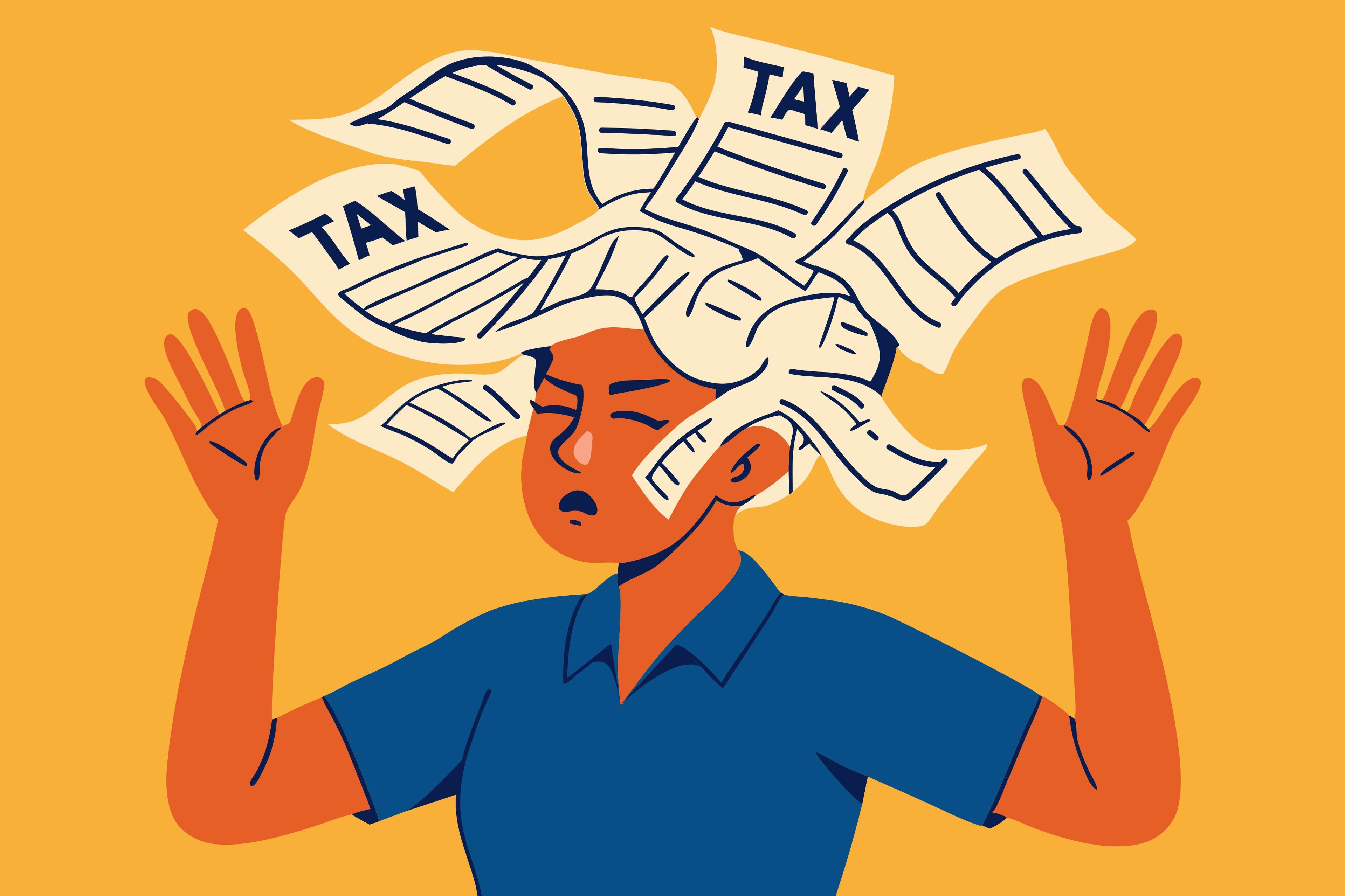
Tax mistakes in the UK are rarely the result of deliberate wrongdoing. They are more often the outcome of small assumptions that feel reasonable in the moment, then quietly grow into bigger problems over time. A taxpayer glances at a payslip and assumes everything is handled. A freelancer earns a little extra and assumes it is too small to matter. Someone receives an HMRC letter and assumes it will resolve itself. The UK tax system is designed to be workable for millions of people, but it still relies heavily on accurate information flowing in from taxpayers and employers. When that information is missing, delayed, or misunderstood, even honest people can end up with unexpected bills, missed refunds, or avoidable penalties.
One of the most common mistakes is treating a tax code as an unchangeable truth. Many employees assume that if they are under PAYE, HMRC will automatically know everything it needs to know. In practice, tax codes can become inaccurate for very ordinary reasons. A person might change jobs, pick up a second job, receive a bonus, start getting benefits such as private medical insurance, or stop receiving a taxable perk. The payroll system will still deduct tax smoothly each month, but if the code is wrong, it can deduct the wrong amount just as efficiently. The taxpayer often only discovers the issue when HMRC later tries to recover underpaid tax through a revised tax code, reducing take-home pay in a future year. This creates frustration because it feels like a surprise, even though it is usually the predictable result of a code that no longer matches reality.
Related to this is the habit of ignoring year-end documents and key records. Many people keep a P60, a P45, or documents related to benefits in kind without ever checking what those documents actually say. Others misplace them and assume it is not important. These records exist because they confirm what income was received and what tax was paid. They also help taxpayers spot discrepancies early. When people later need to complete a Self Assessment return, these documents become essential. When they do not have them, they are forced to rely on memory, rough estimates, or incomplete figures, which increases the risk of error.
Another widespread mistake is assuming Self Assessment is only for people who run a business full time. In reality, many taxpayers create a filing obligation simply by having certain types of income or circumstances that PAYE does not fully capture. Side income is a common trigger, whether it comes from freelancing, tutoring, consulting, online selling, or gig work. Rental income can also require extra reporting. The danger is that taxpayers often delay taking action because the income feels irregular or small. However, the longer someone waits, the more complicated the catch-up becomes. What might have been a manageable process for one year can become stressful when several years need to be corrected at once.
Poor record keeping sits underneath many of these problems. When taxpayers do not keep good records, they are more likely to underpay tax by forgetting income or guessing figures. At the same time, they are also more likely to overpay tax because they fail to claim expenses and reliefs they are legitimately entitled to. The issue is not always dishonesty. It is that the evidence is missing. Without receipts, invoices, statements, or logs, taxpayers often either claim nothing out of fear, or claim too much based on vague assumptions about what should be allowed. Both approaches can create problems, either through missed savings or future disputes with HMRC.
Confusion about allowable expenses is especially common for people with self-employed income. Some taxpayers are overly cautious and refuse to claim anything, even when they have genuine work costs. Others assume that any expense connected to work is automatically deductible. UK tax rules are stricter than everyday logic. Expenses generally need to be genuinely for the purpose of earning income, and if there is a personal element, it can become disallowed or require careful separation. Phone bills, internet costs, travel, equipment, and working-from-home expenses can be legitimate in some cases, but only if the taxpayer can justify them clearly and keep evidence. The mistake is not just in choosing the wrong expense. It is in treating the process casually, without considering what the claim actually represents.
Many taxpayers also fail to recognise how “non-salary” income can affect their overall tax position. Savings interest, dividends, rental income, freelance income, and capital gains can all increase taxable income and in some cases change how other rules apply. Certain thresholds can create unexpected outcomes, such as reduced allowances or extra charges. People often focus on their main salary because it is visible and regular, while smaller streams feel secondary. Yet these smaller streams can be the difference between staying within a band and crossing into a more expensive position. The mistake is treating income types as separate, when tax generally considers the overall picture.
Pensions create another area where taxpayers can stumble, even though they are one of the most valuable tools available. Many people assume tax relief works the same way for everyone or that it is fully automatic. Depending on how contributions are made and a person’s level of income, additional steps may be required to receive the full benefit of relief. Some people miss out on extra relief because they never claim it. Others contribute without thinking through annual limits, which can lead to charges in more complex circumstances. Pensions are not only retirement products. They are tax arrangements, and misunderstanding the mechanics can mean leaving money behind.
Charitable giving, especially through Gift Aid, is another common area of missed opportunity. Many people tick Gift Aid boxes when donating but never consider how it fits into their tax situation, or they forget what they agreed to during the year. Gift Aid can increase the value of a donation to the charity and can also affect the taxpayer’s own position in certain cases. The mistake is not donating. It is failing to track the donations and declare them correctly when they matter.
Property income also tends to trip people up, particularly new landlords or those who rent out a property temporarily. People often confuse rental income with rental profit, or they include costs in the wrong category. They may treat large improvement work as if it were a routine repair, or misunderstand how mortgage-related costs are handled. They may also fail to keep consistent records of rental statements, periods of vacancy, and expenses. Because property feels tangible and familiar, many taxpayers assume it will be straightforward. The taxation rules can be less forgiving than expected, especially when documentation is weak.
Capital gains are another area where mistakes happen because taxpayers associate them only with major events. Selling shares, funds, second properties, or assets that have increased in value can create gains that need to be calculated and sometimes reported. The real challenge is often historical. People bought assets years ago, reinvested returns, moved platforms, or lost track of purchase prices and transaction history. When they sell, they cannot easily calculate the gain, and errors follow. In many cases, the best protection is simple organisation over time, not rushed calculations at the end.
HMRC letters and notices often become more stressful than they need to be because taxpayers ignore them. Some people assume the issue is minor, while others feel intimidated and hope it will disappear. In reality, early response is usually the best approach. Tax problems tend to become larger when they are left unattended, not because HMRC is trying to be punitive, but because unresolved issues can trigger further adjustments, code changes, or penalties. A calm, documented response often keeps the issue small. Timing and cash flow can also catch taxpayers out, especially those who are self-employed or have untaxed income. Tax bills often arrive long after the income was earned. When taxpayers spend all their income as it comes in, the eventual bill can feel shocking. This is not a tax problem as much as a planning problem. The most reliable habit is setting aside money for tax as income arrives, so the liability is already funded when payment time comes.
Finally, many mistakes come from relying on other people’s advice without understanding whether it applies. Tax is full of conditions. Two people with similar incomes can have very different outcomes depending on how their income is structured, whether they receive benefits, how their pension is set up, and what other sources of income exist. When taxpayers copy strategies without checking the underlying rules, they can accidentally misreport income, miss reliefs, or take actions that create unexpected charges.
These mistakes share one underlying theme: the UK tax system rewards routine and accuracy more than last-minute effort. Tax becomes far less intimidating when it is treated as an ongoing process rather than a yearly emergency. Checking the tax code when circumstances change, keeping records in one consistent place, tracking side income and expenses as they happen, and planning for future bills are habits that reduce risk and reduce stress. For most taxpayers, the goal is not to outsmart the system. It is to align what is reported with what is real, and to do it early enough that small issues never have the chance to grow.
 WhatsApp
 Instagram
 Threads




-1.jpg&w=3840&q=75)