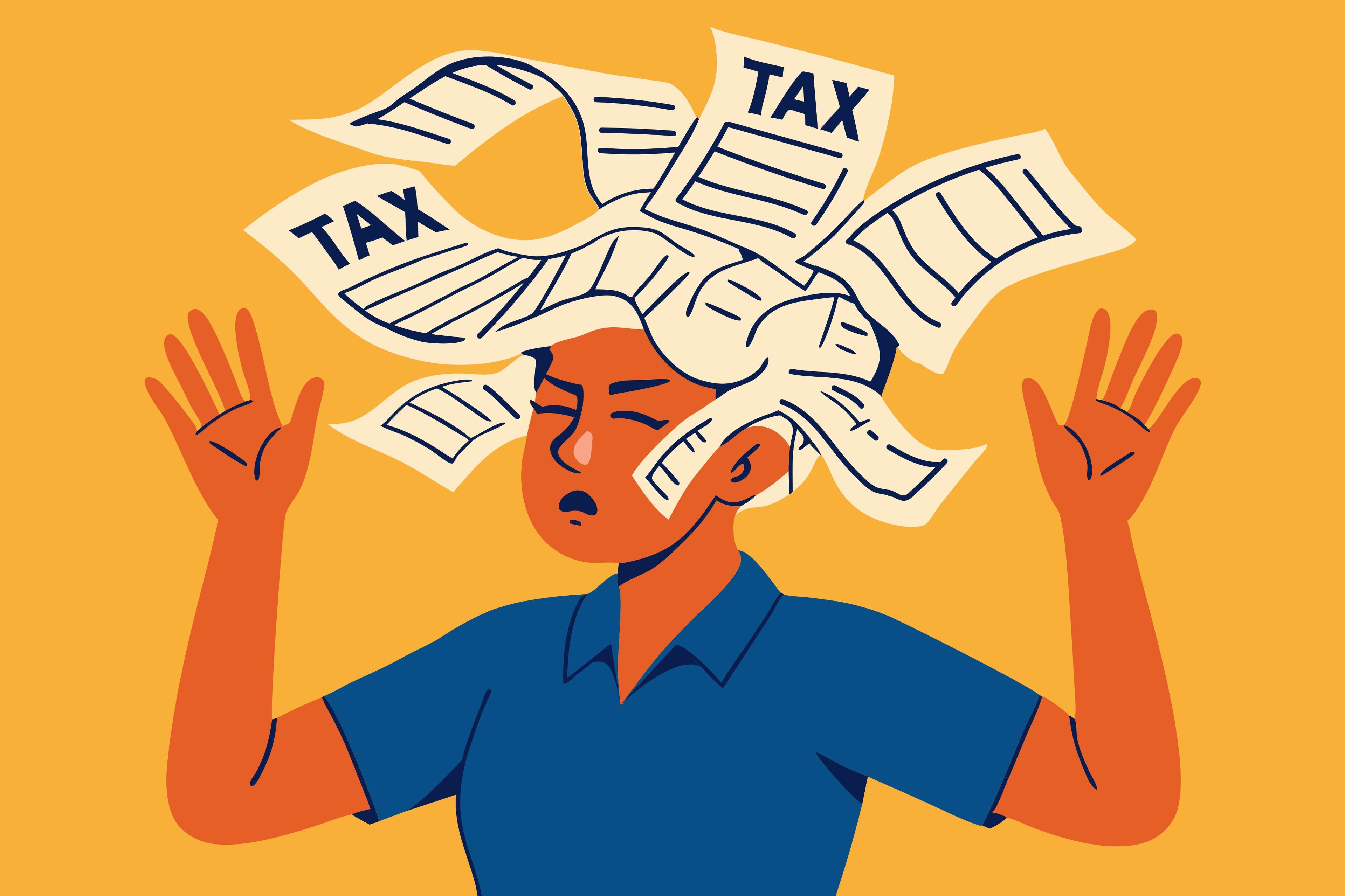
The IRS is easy to think of as a once a year inconvenience, a place where forms and deadlines live and where people go only when they have to. But in the bigger picture, the Internal Revenue Service is one of the most important institutions in the United States because it functions as the country’s main revenue engine. The federal government can design ambitious programs and pass budgets filled with priorities, yet none of it works without a system that can reliably turn economic activity into public funds. That is why the IRS is essential for funding US government programs. It does not just collect money. It keeps the flow of revenue stable, enforces fairness in who pays, and supports the administration of benefits that the public depends on.
At the most basic level, government spending is constrained by the government’s ability to bring in revenue. Federal programs such as national defense, infrastructure operations, public health initiatives, research grants, disaster response, and a wide range of social supports all depend on a steady stream of funds. The IRS is the agency that receives and processes much of that stream. Every time taxes are withheld from a paycheck, paid through estimated quarterly payments, or settled through annual filing, the IRS is part of the machinery that ensures those dollars are properly accounted for and transferred into the public pool. Without that machinery, the government would face constant uncertainty, not only about how much money is available, but also about when it will arrive. Programs cannot operate smoothly if funding becomes unpredictable.
The importance of timing often gets overlooked. Many people think funding is only about totals, but it is also about predictability. Federal agencies plan budgets, sign contracts, and allocate resources based on expected revenue. If revenue collection is inconsistent, the government is forced into a cycle of borrowing more frequently, delaying spending, or cutting services. The IRS helps prevent that instability by operating as a large-scale administrative system that collects, tracks, and reconciles tax payments across the entire economy. In that sense, it functions like the payments infrastructure behind everything the federal government does. The more reliable the IRS is, the more stable the financial foundation under government programs becomes.
The IRS also plays a major role in creating the conditions that make collection possible. The US tax system depends heavily on voluntary compliance. Most taxpayers pay not because an agent is watching them personally, but because the system is built so that compliance is normal, expected, and easier than evasion. One of the key ways this happens is through withholding and information reporting. Employers report wages and withhold taxes before paychecks reach workers. Banks and platforms report certain types of income. These reporting systems create an environment where most taxable activity is visible and verifiable. The IRS sits at the center of this network, matching what third parties report with what taxpayers file. That matching process is one of the strongest tools the government has for maintaining consistent revenue without resorting to constant direct intervention.
Service is another part of the IRS mission that directly affects funding. A tax system is only as strong as its usability. When people cannot understand what they owe, do not know how to file, or cannot resolve mistakes, compliance suffers. Sometimes that looks like deliberate avoidance, but often it is simply friction. People delay filing, misunderstand requirements, or abandon the process when it becomes too confusing. Businesses can make payroll errors that create payment gaps. Identity theft can distort accounts and trap legitimate taxpayers in long disputes. When these problems are widespread, the result is not just frustration. It is slower collection, higher error rates, and more revenue uncertainty. A functioning IRS, meaning one that can process returns efficiently and provide meaningful support, reduces that friction and helps keep funds flowing into the system in a predictable way.
Enforcement is the piece most people associate with the IRS, and for funding it is crucial. There will always be taxpayers who underreport income, fail to file, or refuse to pay. If the government had no credible enforcement, the system would encourage more people to push boundaries or ignore rules entirely. Over time, unpaid taxes would grow into a major revenue drain. That loss is not theoretical. It creates real pressure on federal budgets and forces difficult trade-offs: larger deficits, increased borrowing, higher taxes on those who do comply, or cuts to programs. Enforcement helps close the gap between what is legally owed and what is actually collected, protecting the financial capacity of the government to deliver services.
More than that, enforcement supports the perceived fairness of the system. Funding depends on trust as much as it depends on law. If compliant taxpayers believe they are the only ones paying, resentment grows and compliance weakens. The IRS helps maintain the credibility of the tax system by signaling that cheating has consequences and that the rules apply broadly, not just to people who follow them voluntarily. This credibility reinforces a culture where paying taxes remains the norm. That culture is one of the most valuable assets in any revenue system, because it reduces the need for constant heavy-handed intervention while still protecting collection levels.
It is also important to understand that enforcement is not a single blunt tool. Not every compliance issue is fraud or criminal behavior. Many cases involve mistakes, misunderstanding, or financial hardship. The IRS has a wide range of responses that can be calibrated to the situation, from notices and penalties to payment plans and audits, and in rare severe cases, criminal investigation. This ability to respond proportionally matters for revenue collection. A system that offers structured ways to resolve disputes and pay what is owed brings more people back into compliance and prevents unpaid balances from becoming permanent losses.
Beyond revenue collection, the IRS is essential to government programs because it is also a channel through which certain forms of public support are delivered. The tax code is not only a way to raise money. It is also a policy tool used to provide assistance and incentives. Refundable credits such as the Earned Income Tax Credit and the Child Tax Credit are examples of benefits that reach households through the filing system. When the IRS processes returns, it is not just settling accounts, it is often delivering financial support to families that depend on it. This makes the IRS both a revenue collector and a benefits administrator. If the IRS is slow, under-resourced, or overwhelmed, the harm is not limited to the Treasury’s intake. It also affects how efficiently and fairly benefits are delivered.
This dual role is one reason IRS capacity matters so much. When the IRS struggles with backlogs, outdated systems, or staffing shortages, the effects ripple outward. Returns take longer to process, refunds and credits can be delayed, fraud becomes harder to detect, and dispute resolution becomes slower. These problems erode trust and reduce compliance, which then weakens revenue, which then threatens the stability of program funding. The IRS is therefore not simply an agency that reacts to tax season. It is a foundational institution that supports the government’s ability to operate continuously.
In the modern economy, this role becomes even more demanding. Work and income have grown more complex through gig platforms, digital commerce, cross-border financial activity, and new asset types. Complexity creates more opportunities for error, confusion, and intentional evasion. To maintain stable funding, the IRS has to keep up with these shifts. Modernization and strong administration are not just technical improvements. They directly influence how much revenue is collected, how accurately it is measured, and how effectively benefits are delivered through the tax system.
When you put all of this together, the IRS is essential for funding US government programs because it ensures the federal government has a functioning revenue backbone. It supports predictable cash flow through collection and accounting, sustains voluntary compliance through reporting systems and taxpayer services, and protects fairness and revenue integrity through enforcement. It also serves as a delivery mechanism for certain benefits and credits that shape household finances and social support. Without a capable IRS, the federal government would face weaker revenue, greater instability, and diminished public trust, all of which would make it harder to fund and sustain the programs that millions of people rely on.
 WhatsApp
 Instagram
 Threads



-1.jpg&w=3840&q=75)