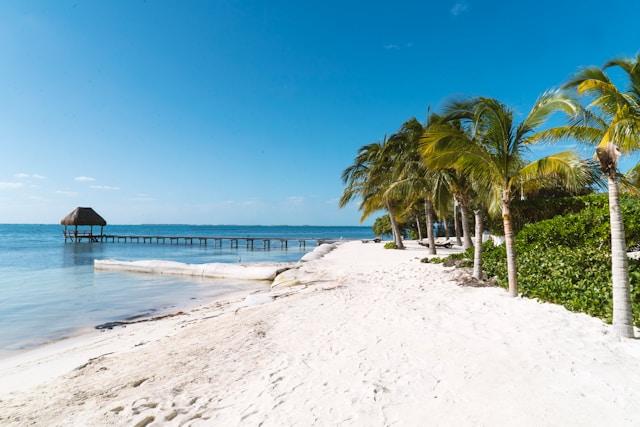
When people talk about beaches losing sand, it is easy to picture a simple change in scenery, like a shoreline that looks a little thinner than last year. But for coastal communities, disappearing sand is not a cosmetic problem. It is a shift in how the coast protects, sustains, and defines daily life. Sand is part of the living structure of a coastline. It absorbs wave energy, feeds dunes, supports habitats, and creates the wide, usable space that makes a beach feel like a shared backyard. When that sand begins to vanish, the consequences arrive in layers, starting quietly and then gathering weight until the community must make decisions that feel both practical and deeply personal.
A healthy beach functions like a buffer you rarely notice when it is doing its job. Most days, waves break and spend their force on the sand. The slope of the beach, the width of the dry area, and the presence of dunes behind it help determine whether water stays near the edge or reaches roads, shops, and homes. When sand disappears, the coast loses that cushioning effect. Water reaches further inland more often. High tides feel higher. Storms that once caused minor damage now push deeper and hit harder. It is not that storms suddenly become the only concern. It is that everyday conditions start to behave more like storm conditions, and the line between normal and dangerous becomes blurry.
This is where sand loss stops being an environmental headline and becomes an infrastructure problem. Roads near the coast are often built with the assumption that the beach and dunes will take the first hit. When the beach narrows, wave action can undermine the base of a road or the shoulder that supports it. Drainage systems struggle because coastal flooding is not only about water coming from the sea. Rising water tables can push groundwater up from below, turning a heavy rain event into a compound flood. Underground utilities face corrosion and damage when salty water becomes a frequent visitor. Even simple maintenance becomes more expensive because salt shortens the lifespan of materials, from concrete to metal fixtures, and because repairs must happen sooner and more often.
The pressure is not evenly distributed. The most exposed properties are often those closest to the water, but the ripple effects spread. If a coastal road becomes unreliable, deliveries, commuting, and tourism traffic are disrupted. If a water or wastewater system is compromised, the risk is shared across neighborhoods. If emergency services must reroute during floods, response times change for everyone, not just beachfront owners. This is one of the hardest truths about sand loss: the coastline may be a narrow strip on a map, but its failure can touch the whole community.
Then there is saltwater intrusion, a consequence that tends to feel abstract until it becomes an everyday inconvenience. In some places, coastal communities depend on groundwater sources that are vulnerable when the balance between fresh and salty water shifts. As sea levels rise and beaches erode, saltwater can move inland or upward into groundwater, affecting wells, harming gardens, and forcing changes in water treatment. Even where tap water remains safe, the increased salinity in soils and groundwater can damage landscaping, kill trees that used to provide shade, and destabilize vegetation that helps hold dunes together. The environment and the built world are not separate systems here. When the natural system weakens, the built system inherits the problem.
For homeowners and renters, disappearing sand can reshape the meaning of “home.” A property near the coast often carries emotional value as well as financial value. It can be a symbol of a life milestone, a place where children grew up, or a family gathering point. When erosion accelerates, that meaning is disrupted by constant assessment. People begin to watch tide charts the way others watch weather forecasts. They learn the language of setbacks, erosion lines, and storm surge. They make choices about whether to elevate a structure, reinforce a foundation, or invest in repairs that might buy only a short stretch of time.
Insurance adds another layer of stress. As risks rise, insurance can become more expensive, harder to obtain, or more limited in coverage. That affects not only current owners but also the future of the local housing market. If a home becomes difficult to insure, it becomes difficult to finance. If it becomes difficult to finance, it becomes difficult to sell. This is how sand loss can turn a private asset into a community-wide concern. Property values affect local tax revenue, and local tax revenue funds schools, maintenance, and public services. When the coastal edge becomes financially unstable, the entire municipal budget can feel the tremor.
The economic consequences often show up fastest in places that rely on the beach as a source of livelihood. Tourism is not only about hotels and flights. It is about the small businesses that thrive on a steady stream of people who want to spend time by the water. A wide, sandy beach invites long stays. It supports casual spending on food, rentals, local crafts, and tours. When sand disappears, the beach becomes smaller, steeper, or rockier. Space becomes crowded. Families choose different destinations. The community loses not only visitors but also the confidence of investors, who pay attention to whether a place can maintain its main attraction.
Even in communities that are not primarily tourist economies, beaches can be a form of public wealth. They are a free recreation space, a setting for exercise and social connection, a place where people feel restored. When sand loss reduces public access, the loss is not only financial. It is social. It can change routines that keep communities healthy, from morning walks to weekend gatherings. If the beach becomes a narrow strip that disappears at high tide, the shared space shrinks. Conflicts increase. People argue about access points, parking, and the boundaries between public and private. In some places, this intensifies inequality, because those with private beachfront or resources to travel still enjoy coastal leisure, while those who relied on the public beach are left with less.
Environmental impacts deepen the story in ways that are easy to overlook if you focus only on human structures. Beaches and dunes are habitats. They support vegetation that stabilizes sand and provides shelter for wildlife. They serve as nesting and feeding areas for birds and other animals. The nearshore zone is part of a broader system that includes wetlands and seagrass beds in some regions, and these ecosystems often help absorb wave energy and reduce flooding. When sand disappears, it does not only remove habitat. It can disrupt the physical conditions that allow these ecosystems to persist, changing the shoreline’s ability to recover after storms and affecting biodiversity that many communities depend on for fishing and ecological tourism.
There is also a difficult feedback loop that coastal communities often fall into when sand loss becomes urgent. When the beach narrows and damage risk rises, the instinct is to harden the shoreline with sea walls, revetments, or other engineered barriers. These can protect specific properties in the short term, but they can also worsen erosion in nearby areas or prevent the beach from naturally shifting and rebuilding. A beach needs space to move as tides and storms reshape it. When hard structures lock the shoreline in place, sand can be scoured away without a chance to replenish. The community may win a short battle at one point on the coast while losing the wider system that makes beaches sustainable.
Beach nourishment, where sand is added to restore width, can feel like a more natural solution, and in many places it is used as a regular management tool. But nourishment carries its own consequences. It is expensive, often requiring repeated projects as sand moves away. It can disrupt marine habitats during dredging and placement. It also raises a question that becomes more urgent as sand resources tighten: where does the replacement sand come from? Sand is not interchangeable in every situation. Grain size and composition matter for how a beach behaves. Extracting sand from rivers, seabeds, or other coastal areas can cause environmental harm and can shift problems from one place to another. A community may restore its beach while unintentionally contributing to degradation elsewhere, creating ethical and regulatory challenges that are increasingly hard to ignore.
Governance becomes one of the central consequences of disappearing sand, because sand loss forces a community to decide what it values and what it can afford to defend. The questions are rarely simple. Who pays for protection? Who benefits? Who bears the risk if a project fails? How do you prioritize public access alongside private property protection? How do you manage a coastline that is constantly moving when law and land ownership tend to assume fixed boundaries? Coastal communities often discover that erosion is not only a scientific or engineering problem. It is a legal and political puzzle, one that can strain relationships between residents, local leaders, and higher levels of government.
In many places, the hardest decision is when to stop fighting the shoreline and begin planning for retreat. Managed retreat is an emotionally charged phrase, because it can sound like giving up. But in reality, it is a way of choosing timing and dignity rather than waiting for disaster. Retreat can mean relocating critical infrastructure, shifting development patterns inland, and creating buffer zones that allow dunes and wetlands to function. It can also mean designing compensation and support systems that reduce displacement trauma. Without deliberate planning, retreat happens anyway, only it happens through crisis, loss, and unequal outcomes. Sand loss pushes communities toward this conversation, sometimes sooner than they feel ready.
The human side of this cannot be separated from the technical side. People experience sand loss as grief. They grieve a place that feels like home, a familiar coastline that shaped childhood memories, a cultural identity tied to the sea. They grieve routines, like seeing sunsets from a particular stretch of beach or holding community events by the water. When beaches shrink or vanish, community life can become less cohesive. Social rituals lose their setting. The coast becomes less of a gathering space and more of a hazard zone. This may sound intangible, but it matters because community resilience is not only about walls and budgets. It is about whether people feel connected enough to act together, to make hard compromises, and to support each other through change.
There are also public health and safety consequences that tend to rise as beaches narrow. A steeper beach profile can change wave behavior, increasing hazards for swimmers. Crowding can increase conflict and accidents. Erosion can expose debris, unstable cliffs, or undermined walkways. During storms, evacuation becomes more complex if access roads flood early or if certain routes become unreliable. Coastal communities can find themselves spending more on emergency response, repairs, and recovery, while also living with the constant stress of watching the shoreline behave unpredictably.
All of these consequences point toward a deeper shift: disappearing sand forces coastal communities to treat the beach as essential infrastructure rather than a pleasant extra. That does not mean every community must choose the same path. Some will invest in nourishment and dune restoration. Some will redesign buildings and infrastructure to live with higher water and more erosion. Some will gradually shift development away from the most vulnerable edges. What sand loss changes is the timeline and the urgency. It makes the cost of inaction visible. It also exposes the limits of short-term fixes that do not address the broader system.
In the end, the consequences of disappearing sand are not only about what is lost, but about what must change. A coastline with less sand demands more realistic planning, more honest conversations about risk, and more thoughtful choices about where to invest. It challenges communities to balance protection with adaptation, private interest with public access, and immediate repairs with long-term strategy. It asks residents and leaders to see the beach not as a static postcard, but as a moving boundary that needs space, care, and sometimes the humility to step back.
What makes this moment so difficult is that sand loss can feel gradual until it suddenly does not. One year the beach is narrower. A few years later, the dunes are breached. A storm arrives and the loss becomes undeniable. Communities that prepare early have more options. They can plan transitions that preserve social fabric and economic stability. Communities that delay often find themselves making choices under pressure, when every option is more expensive and more painful. Disappearing sand is not only a coastal issue. It is a community issue, because it affects safety, livelihoods, public space, identity, and the ability to plan for the future. And while the shoreline may be the first place where the change is visible, the consequences rarely stay at the water’s edge.
 WhatsApp
 Instagram
 Threads