The MIND diet tends to get introduced like a clever acronym, but its real value shows up in the way it treats brain health as something you build quietly over years. It is not designed to deliver a sudden jolt of mental clarity that makes you feel like a new person by next week. It is built for the slow math of aging, when small choices repeated often begin to matter more than any single “perfect” meal. When people ask how the MIND diet protects the brain over time, the most useful answer is that it supports the conditions your brain depends on to stay resilient: steady blood flow, lower chronic inflammation, less oxidative stress, and a consistent supply of nutrients that help the brain do its daily work without constantly fighting the body for resources.
One reason the MIND diet makes sense is that it does not treat the brain as an isolated organ floating above the rest of your health. The brain is deeply practical. It needs oxygen and glucose delivered reliably, it needs blood vessels that can adapt to changing demands, and it needs a body environment that is not constantly sending out inflammatory signals. Over time, many of the cognitive problems people fear are connected to the same systems that drive heart disease and metabolic decline. If blood pressure runs high for years, if blood vessels stiffen and narrow, if cholesterol profiles worsen, if insulin resistance builds, the brain is not spared. It is simply another high demand tissue that suffers when supply lines weaken.
The MIND diet was designed with that reality in mind. It borrows from the Mediterranean style of eating and from the DASH pattern originally developed for blood pressure, then shifts the spotlight to foods that appear especially relevant to cognitive aging. That design choice matters because it anchors brain protection in repeatable everyday behavior. Instead of demanding an overhaul that only works for a month, it encourages the kind of shopping and cooking that can become routine: more vegetables, more whole foods, more fiber, and healthier fats, alongside fewer of the foods that tend to push the body toward inflammation and vascular strain.
Brain protection, in the MIND diet sense, is also about what happens in the background. The brain is vulnerable to cumulative wear. Many people imagine decline as a sudden drop, but in reality the path is often gradual. Small disruptions add up. A slightly poorer blood supply today, a bit more oxidative stress tomorrow, years of inflammatory load that never fully resolves, and eventually the brain has less margin to recover from ordinary stressors. A diet pattern that shifts those background conditions in a better direction can feel almost too ordinary to count as “protection,” but that is exactly the point. It works, when it works, by moving your baseline.
Leafy greens are a good example of how the MIND diet thinks. Greens are not trendy. They do not come with dramatic marketing. But they show up repeatedly in serious nutrition guidance because they carry a cluster of nutrients and plant compounds that align with long-term vascular and brain support. They provide folate, vitamin K, carotenoids, and a wide range of antioxidants. More importantly, they tend to displace less helpful foods. When a meal includes a generous portion of greens, it often has less room for refined carbohydrates and heavy saturated fats. Over time, those substitutions matter. The brain benefits when blood vessels stay healthier, when blood pressure is easier to manage, and when the body has a steadier supply of micronutrients involved in cellular repair and maintenance.
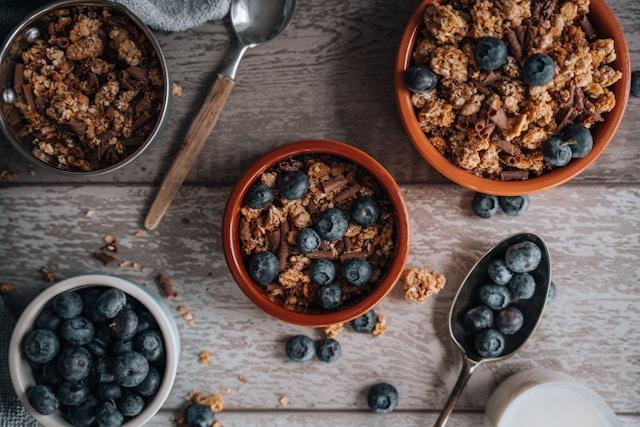
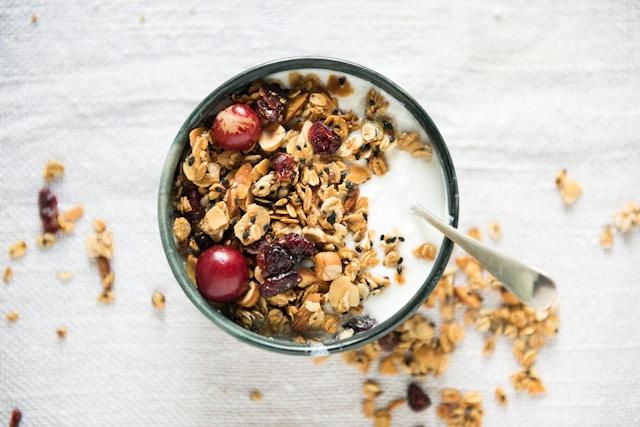
Berries play a similar role, though they are often framed in a more glamorous way. The MIND diet singles out berries not because other fruits are useless, but because berries are rich in flavonoids, plant compounds that have been studied for their antioxidant and anti-inflammatory properties. This matters because oxidative stress and inflammation are recurring themes in brain aging. The brain uses a lot of oxygen, and that metabolic intensity can generate oxidative byproducts. When oxidative stress outpaces the body’s defenses, cells become more vulnerable. A diet that consistently provides antioxidant rich foods is not a magic shield, but it can support the body’s ability to buffer stress over time. Berries also tend to be easy to make routine. They are simple to keep frozen, simple to add to breakfast, and simple to reach for when you want something sweet. That repeatability turns a single food category into a long-term habit, which is where real protection begins.
Healthy fats are another quiet pillar of the MIND approach, especially olive oil. People often talk about olive oil as if it is a superfood, but the more practical story is that it changes what you are not eating. Using olive oil regularly tends to reduce reliance on certain saturated fats and encourages more home prepared meals. Those two effects can ripple outward. Fewer ultra processed foods usually means less excess sodium and added sugar, and fewer meals built around deep fried convenience. Over time, that can help stabilize blood pressure, support healthier cholesterol profiles, and reduce the metabolic strain that makes vascular problems more likely. The brain does not care whether you used olive oil because you read a headline about it. It cares that your blood vessels remain flexible, your inflammation load is lower, and your body is not constantly dealing with the consequences of a diet built for convenience rather than resilience.
Whole grains and beans fit into this same long-term logic. They are not included because carbohydrates are inherently good, but because the brain thrives on stability. The brain runs heavily on glucose, yet it does not benefit from constant spikes and crashes. Whole grains and legumes provide slower digestion, more fiber, and a nutrient profile that supports metabolic health. Over years, metabolic stability influences cognitive stability indirectly. When the body becomes more insulin resistant, when blood sugar control worsens, and when weight related inflammation rises, the brain lives in a less friendly environment. A diet pattern that leans toward whole grains and beans helps support steadier energy and a healthier gut environment, and the gut environment matters because it influences immune signaling and inflammation. You do not need to treat the gut like a mystical second brain to accept that chronic inflammation often begins in ordinary places, including what we eat and how it affects the digestive system.
Fish is another commonly emphasized component, often reduced to a single word: omega 3. The reality is broader. Fish can be a valuable source of fats that support cell membranes, including the membranes in brain tissue. But fish in a diet pattern also functions as a replacement. When people eat fish more often, they often eat less red meat and fewer processed meats. That swap can affect saturated fat intake and cardiovascular risk factors. Many of the benefits attributed to “brain foods” come from these shifts in overall pattern. It is not that fish is a superhero on its own. It is that a plate built around fish, vegetables, whole grains, and olive oil tends to be a plate that ages you more gently than a plate built around processed meat, fries, and sugary drinks.
If the MIND diet has a protective personality, it shows up just as clearly in what it limits as in what it encourages. Foods like fried items, fast food, pastries, and sweets are not forbidden in a moral sense, but they are treated as occasional rather than daily. The reason is not joylessness. It is physiology. Diets heavy in these foods often come with higher sodium, lower fiber, more added sugars, and fats that can worsen metabolic and vascular health. Over time, those effects can raise the likelihood of conditions that are bad for the brain: hypertension, atherosclerosis, diabetes, and chronic inflammation. The MIND diet does not promise that avoiding these foods will prevent cognitive decline entirely. It suggests that when you make them less central, you reduce the pressure on the systems that keep the brain supplied and protected.
The research story behind MIND is part of why it remains popular, though it is important to interpret it like an adult. Early observational studies linked higher adherence to the MIND diet pattern with slower cognitive decline and lower incidence of Alzheimer’s disease. Observational findings are not the same as proof, because people who follow a protective diet pattern often also engage in other protective behaviors. They may exercise more, sleep better, drink less, manage stress more effectively, and have better access to healthcare. Still, observational work matters because it points to patterns that consistently show up in real life rather than in isolated lab conditions.
When researchers test diet patterns in controlled trials, results can become more complicated. That is normal. Diet trials are difficult because adherence is hard to measure, and cognitive changes often take years to detect clearly. Even so, the broader body of evidence around Mediterranean style eating, DASH style eating, and plant forward patterns tends to support the idea that what protects the heart often protects the brain. The MIND diet sits comfortably within that wider consensus. It is not an exotic protocol that contradicts everything else we know. It is a refined version of well established nutrition logic aimed at a specific outcome.
This is why the phrase “over time” matters so much in the question. Brain protection is rarely dramatic. It is not like taking an antibiotic and watching a fever disappear. It is more like maintaining a house. If you fix small leaks, keep the wiring updated, and prevent mold from taking hold, you may never experience the crisis that forces a costly renovation. The MIND diet’s goal is to reduce the slow accumulation of damage by supporting the systems that keep the brain functioning well. That includes the blood vessels delivering oxygen and nutrients, the metabolic systems managing energy, and the inflammatory systems deciding how often the body lives in a state of low grade stress.
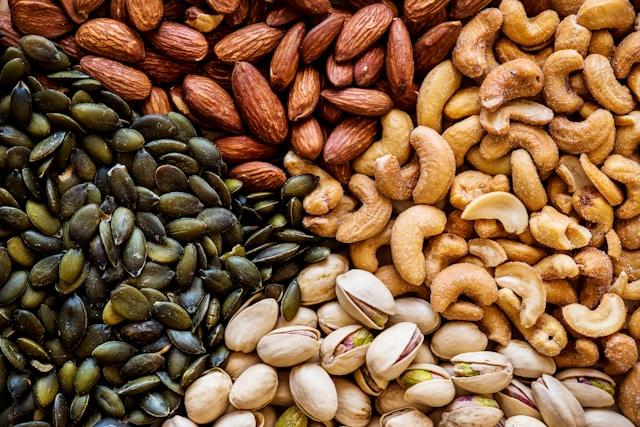
The best part of the MIND diet is also the least glamorous: it is doable. It is built around foods available in most supermarkets. It does not rely on rare supplements or complex rules. It can be adapted to different budgets and cultures because its core principle is pattern rather than perfection. Leafy greens can be fresh or frozen. Beans can be cooked from scratch or purchased canned. Whole grains can be swapped based on what is familiar. Nuts can be a snack that lives in your bag. Berries can be frozen and used slowly. The fact that these foods are ordinary is a strength. Ordinary foods are the ones that actually show up in real life week after week, and that is where long-term protection is created.
If you want to understand the MIND diet’s protective effect in one sentence, it is this: it helps your brain by helping your body maintain a healthier baseline. The brain is not protected by a single ingredient. It is protected by the environment you create for it. A diet that supports vascular health, reduces chronic inflammation, buffers oxidative stress, and delivers consistent nutrients gives the brain a better chance to stay resilient as the years pass. That does not mean it will prevent every form of decline, especially when genetics, life events, and medical conditions play major roles. It means you are shifting the odds in a direction that is both realistic and sustainable.
There is also a quiet psychological benefit that matters. A pattern like MIND encourages people to focus on what they can repeat rather than what they can force. That is a healthier relationship with prevention. It replaces the exhausting idea of perfect eating with the more useful idea of consistent eating. When you build meals around vegetables, whole grains, beans, berries, fish, nuts, and olive oil, the diet becomes less of a project and more of a default. Defaults are powerful because they remove decision fatigue. Over time, less decision fatigue can mean better adherence, and better adherence is often the real difference between a diet that looks good on paper and a diet that changes your life.
The MIND diet protects the brain over time by working like a long-term support system rather than a short-term performance trick. It encourages foods that help blood vessels stay healthier, which helps the brain stay supplied. It encourages plant rich choices that reduce inflammation and oxidative stress. It emphasizes fats and proteins that fit a more heart friendly pattern, which indirectly supports cognitive resilience. And it limits the foods that tend to push the body toward metabolic and vascular strain when they become everyday staples. In a world obsessed with quick fixes, the MIND diet is a reminder that the brain’s best protection often looks like a quiet, repeatable lifestyle that you can actually live with for decades.
 WhatsApp
 Instagram
 Threads