Healthy fats are not an optional extra in the diet. They are a foundational nutrient that the body uses to build cell membranes, support brain and nerve function, regulate inflammation, and absorb key vitamins. When people do not get enough healthy fats, the consequences are often quiet at first, showing up as subtle changes in energy, mood, skin, and appetite long before anything feels like a clear deficiency. This is why low fat eating can be misleading. It can look disciplined and clean on the surface, yet the body may gradually struggle because the materials it needs to maintain balance are missing.
One of the earliest effects of eating too little fat is that meals stop feeling satisfying. Dietary fat slows digestion and helps extend fullness after eating. When fat is removed, the same meal may digest faster and leave a person feeling hungry again sooner. This can create a cycle of constant snacking or cravings, especially for quick energy foods like refined carbohydrates and sugary treats. Many people interpret this as weak willpower, but it is often a physiological response to meals that do not provide enough satiety. Over time, this can make it harder to maintain a stable eating pattern, especially for those who are dieting or trying to manage weight.
The body also depends on fats to absorb fat-soluble vitamins, including vitamins A, D, E, and K. These nutrients play roles in immune function, bone health, antioxidant protection, blood clotting, and many other processes. If a person consistently eats extremely low fat meals, it becomes harder for the body to absorb these vitamins efficiently, even if the foods containing them are present in the diet. This is one reason someone may feel that they are eating plenty of vegetables and nutrient-dense foods, yet still experience signs of poor recovery, low energy, or reduced overall well-being. The issue is not only what they eat, but what their body can actually use.
Skin is another area where low fat intake can become visible. In more severe cases of essential fatty acid deficiency, dry, scaly skin and a weakened skin barrier are recognized signs. Most people will not reach an extreme deficiency, but long-term low fat eating can still contribute to persistent dryness, irritation, or slower repair from minor skin damage. Hair can also be affected. In clinical descriptions of essential fatty acid deficiency, hair loss is included among the symptoms, along with poor wound healing and impaired growth in children. In everyday life, hair and skin changes are often among the first noticeable outcomes when the body is under stress from multiple factors, and low fat intake can be one of the contributors.
Hormonal function is another important part of the picture. The body produces steroid hormones using cholesterol, and overall fat intake influences the hormonal environment, especially when low fat eating is paired with low calorie dieting. In such conditions, the body receives strong signals that resources are limited. As a result, it may downshift certain functions that are not immediately necessary for survival, including reproductive and recovery processes. This can show up as disrupted menstrual cycles, reduced libido, and slower recovery from training or daily stress. These changes are often confusing for people because they seem unrelated to diet at first. Yet the pattern makes sense when viewed as an adaptive response to chronic restriction.
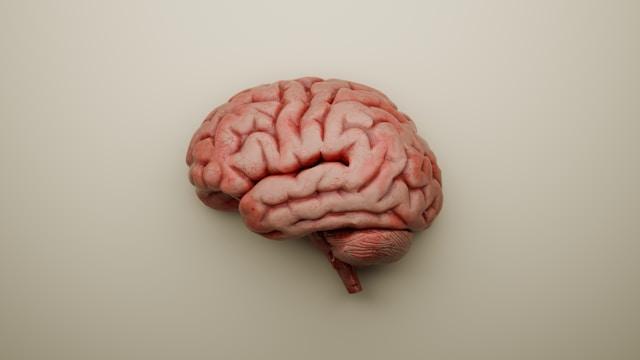
Mood, focus, and mental clarity can also feel different when fats are consistently too low. The brain is rich in lipids, and fats are part of the structural components that help the nervous system function smoothly. When overall nutrition is strained and omega-3 sources are limited, some people notice increased irritability, reduced concentration, or a general sense of mental fatigue. These experiences are not unique to low fat eating, but fat restriction can make them more likely, particularly when combined with poor sleep, high caffeine intake, or heavy workloads.
For people who exercise, low fat intake may not immediately reduce performance in an obvious way, but it often affects recovery. Soreness may linger longer, sleep may feel less restorative, and small aches or persistent fatigue may become more common. The body’s ability to buffer stress depends on adequate nutrition, and fats play a role in keeping that system steady. When fat intake is too low, the system becomes easier to overwhelm, and the person may feel as though they are constantly pushing through rather than adapting and improving.
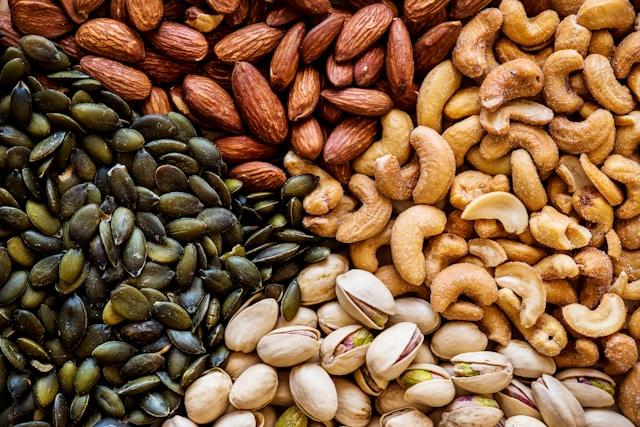
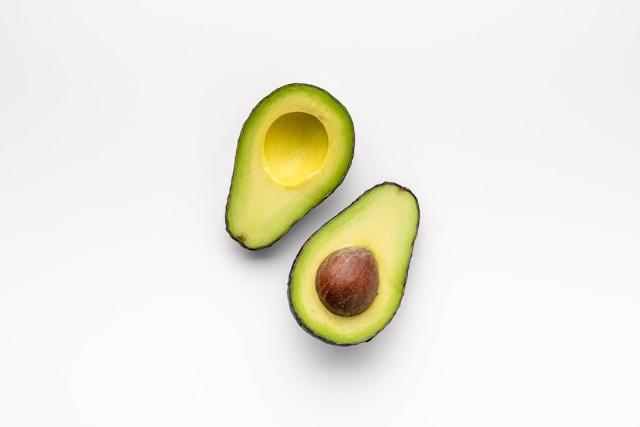
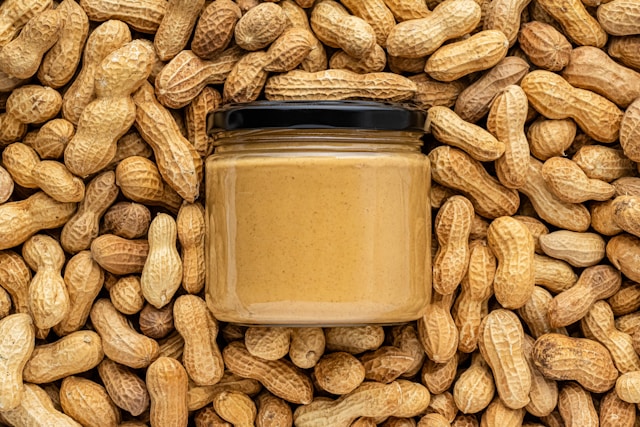
It is also important to distinguish between avoiding unhealthy patterns and avoiding fat altogether. Many health guidelines encourage limiting saturated fat and choosing more unsaturated fats, not eliminating fat from the diet. In practical terms, this means relying more on foods such as fatty fish, olive oil, nuts, seeds, and avocados, while being mindful of heavily processed foods where fats often come bundled with excess sodium, sugar, and additives. A diet can be high in fat yet still poor in quality, just as a diet can be low in fat yet still unbalanced. The goal is not to fear fat, but to choose the types of fats that support health. There is also a group of people whose problem is not simply dietary choices but absorption. Certain digestive conditions and medications can reduce the body’s ability to absorb fat properly. In these situations, symptoms may persist even when the diet appears balanced, and professional evaluation becomes important. It is not always a matter of adding more fat. Sometimes the body cannot process it effectively without addressing the underlying issue.
Ultimately, not getting enough healthy fats does not usually cause one dramatic symptom. Instead, it slowly reduces the body’s stability. Appetite becomes harder to manage, vitamin absorption becomes less efficient, skin and hair may show signs of strain, hormones can shift, and recovery becomes less reliable. These changes can make daily life feel heavier and more difficult than it should. The most sustainable solution is not extreme dieting rules but consistent, balanced meals that include intentional sources of healthy fats. When fats are treated as part of the body’s basic needs rather than something to fear, many people find that their energy, mood, and overall resilience improve in ways they did not expect.
 WhatsApp
 Instagram
 Threads