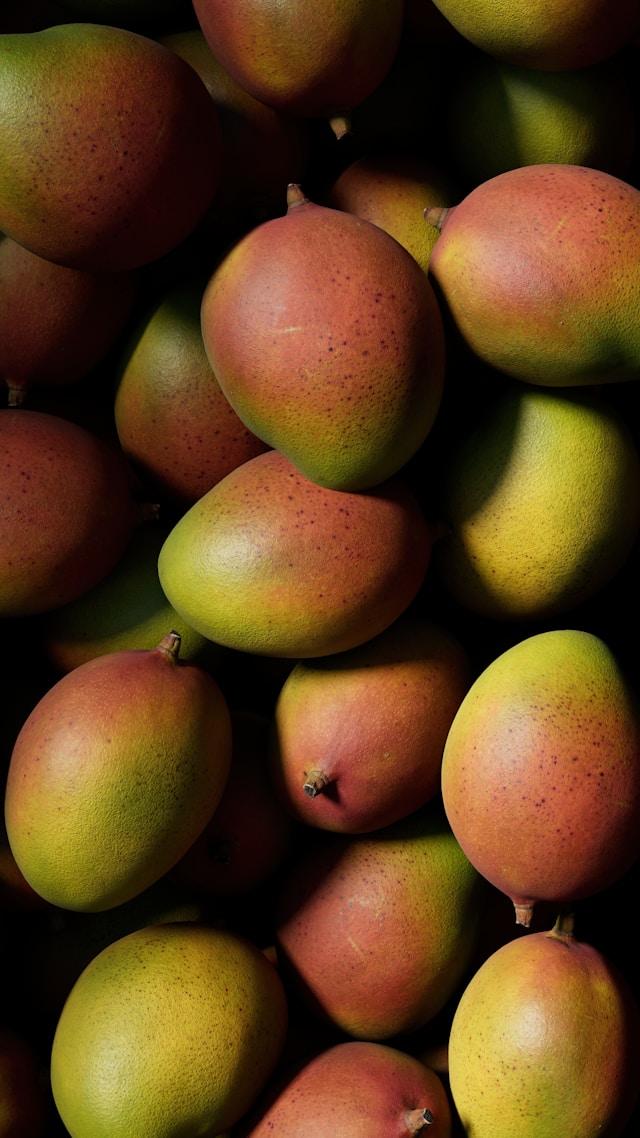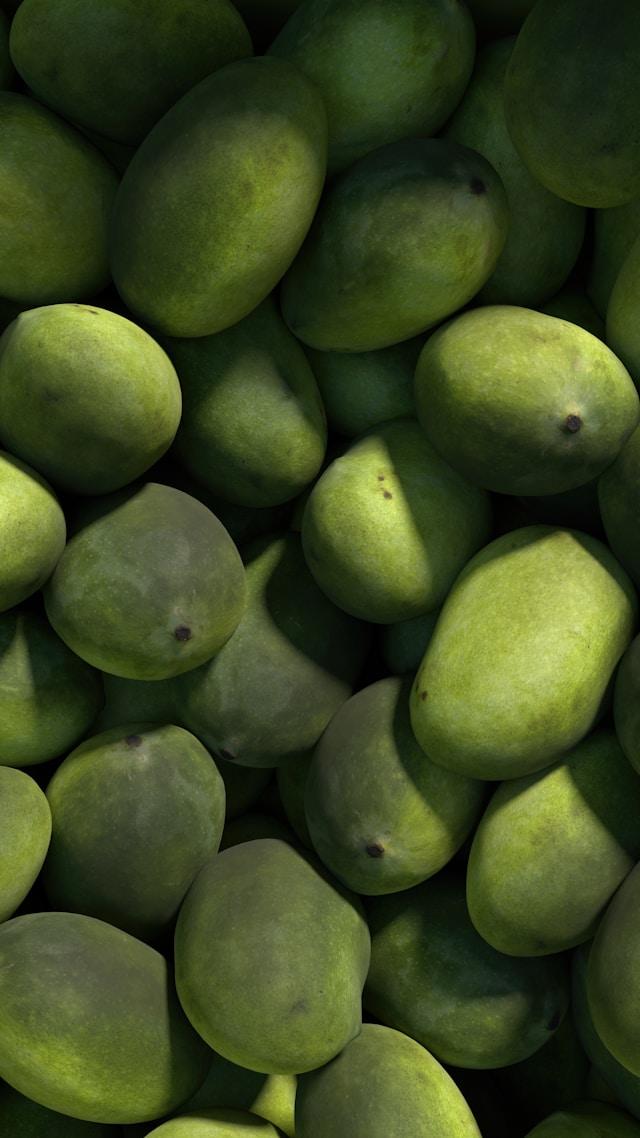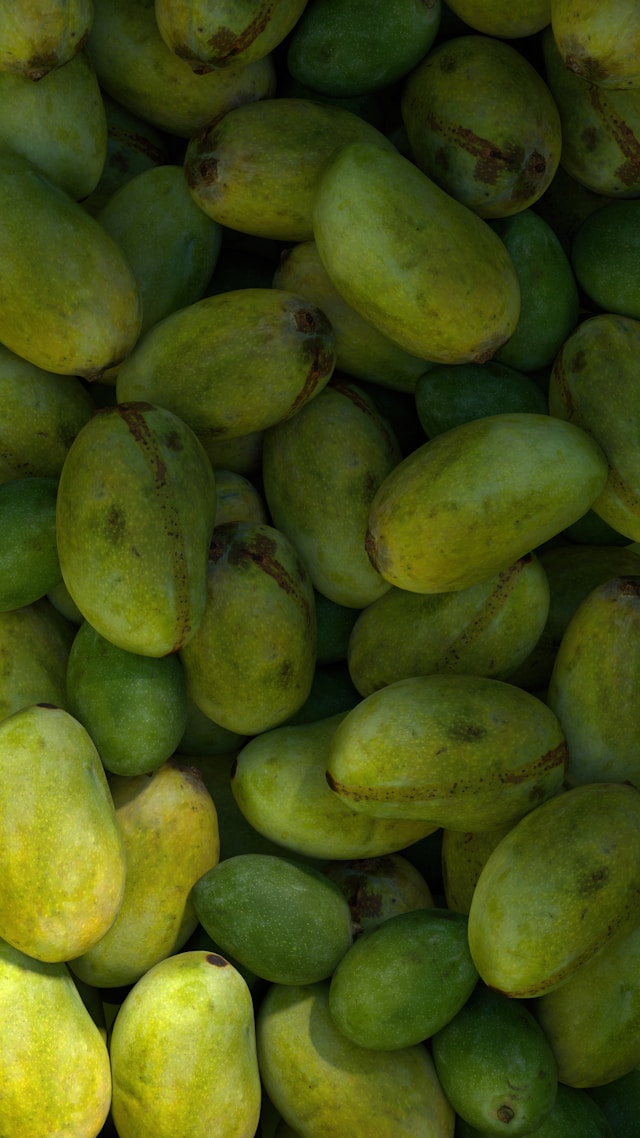
Mango has a way of showing up in the exact moments people start thinking about health again. It appears in breakfast bowls when someone is trying to rebuild routine, in smoothies after a week of takeout, and in neat cubes that feel like a small promise you can keep. Alongside that familiarity, mango also carries a reputation. It is often described as an “immune fruit,” a sweet, sunny food that does more than taste good. The truth behind that reputation is not mystical, and it is not a shortcut. It is biology, in the ordinary sense of the word, and it becomes genuinely helpful when you understand what the immune system is actually asking for.
The immune system is not a single lever you pull. It is a network that constantly balances protection and tolerance, attack and restraint. It relies on barriers, like the skin and the linings of the nose, lungs, and gut, which function as the first line of defense long before immune cells begin to mobilize. It also relies on communication between cells, chemical signals that coordinate responses, and the ability to build, repair, and regulate tissues under stress. When people say they want to “boost immunity,” they often mean they want to get sick less, recover faster, and feel more resilient. Food contributes to that goal most reliably by supporting those foundational systems, especially when it helps you meet nutrient needs consistently and supports long-term regulation rather than short bursts of intensity.
This is where mango quietly earns its place. Mango contains vitamin C, which many people associate with immune health for good reason. Vitamin C plays multiple roles in immune function and acts as an antioxidant, which matters because immune activity itself generates oxidative stress. When the body mounts a defense, it produces reactive molecules as part of its response, and those molecules need to be managed so they do not create unnecessary damage to surrounding tissues. Antioxidant support is not a magic shield, but it is part of keeping the system from tipping into chaos. Vitamin C also supports collagen formation, which relates to the strength and maintenance of tissues. That matters because immune protection is not only about fighting pathogens once they are inside you. It is also about keeping the gates strong so fewer things get through in the first place.
Mango’s vitamin C content is also a reminder of something people forget in the search for certainty. Fruit is not a pill. Nutrient levels can vary by variety and ripeness, and even by how the fruit is stored. The point is not to treat mango like a guaranteed dosage. The point is that mango is a pleasant way to contribute to a nutrient that supports immune function, especially if you are someone who struggles to consistently eat fruits and vegetables. When a food is enjoyable, you are more likely to eat it often enough for it to matter.
Mango also contains carotenoids, including beta-carotene, which the body can convert into vitamin A. Vitamin A is deeply tied to immune function, particularly in relation to epithelial tissues. These tissues line many of the body’s surfaces, including the respiratory tract and the digestive tract, and they do constant background work: forming barriers, producing mucus, and supporting the local immune activity that decides what should be tolerated and what should trigger alarm. When vitamin A status is poor, immune responses can be impaired, and the protective function of these barriers can weaken. Mango is not the only source of provitamin A, but its vivid color points to the same principle found across nutrition advice that actually holds up over time. When your diet includes a range of colorful plant foods, you create a broader nutritional base that supports normal immune function.
Still, the most overlooked way mango supports immune health is not the headline vitamins. It is fiber and the relationship between the gut and immunity. The immune system is not floating separately from digestion, as if food and defense occupy different rooms. A large portion of immune activity is connected to the gastrointestinal tract. The gut lining is both a gate and a conversation. It decides what passes through, and it also hosts a large community of microbes that interact with immune cells every day. When the gut environment is supported, immune regulation often becomes steadier. When the gut environment is strained, whether from low fiber intake, chronic stress, or disruptions in routine, inflammation and immune sensitivity can become more common.
Mango contains dietary fiber, and while you could argue that many foods contain fiber, the practical difference is whether you will actually eat them. People are more likely to add mango to their day than they are to enthusiastically chew through a plate of plain greens when they are tired. Fiber supports digestion, but it also contributes to the ecosystem that feeds gut microbes. When microbes ferment certain fibers, they produce compounds that can influence inflammation and help support the integrity of the gut barrier. The immune system does not operate as a separate entity from this environment. It is shaped by it.
Alongside fiber, mango contains polyphenols, plant compounds that are being studied for their roles in inflammation and microbiome interactions. You may have heard names like mangiferin in discussions of mango’s bioactive compounds. The science around these compounds often sounds exciting, and it is easy for marketing to overreach. It is more honest to say that mango contains plant compounds that appear to support healthier patterns of regulation in the body. These compounds may influence pathways involved in inflammation and oxidative stress, and they may interact with the microbial environment of the gut. That does not mean mango can prevent every cold or act like an anti-inflammatory drug. It does mean mango fits into a food pattern that, over time, can support a steadier baseline, which is what most people are actually looking for when they talk about resilience.
There is a reason mango is so frequently invited into “reset” narratives. People want health to feel soothing rather than punishing. They want nourishment that does not feel like a scolding. Mango offers sweetness that feels clean and bright, and that emotional experience matters more than we admit. If your immune-supportive habits require you to suffer to prove you are serious, you will abandon them the second life gets hectic. The best “immune diet” is not the one that looks impressive on a screen. It is the one you can repeat when you are stressed, busy, bored, or bored and stressed. Mango helps with repeatability because it is convenient, adaptable, and satisfying.
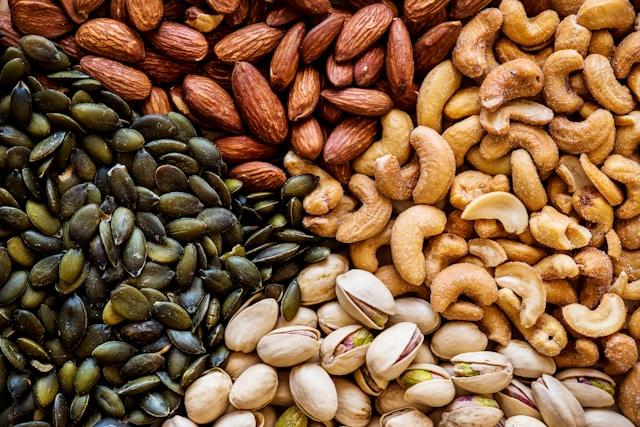
At the same time, it helps to be realistic about what mango can and cannot do. Mango is still a fruit with natural sugars. For most people, that is not a problem. In fact, fruit tends to come packaged with fiber, water, and nutrients, which is part of why it behaves differently from sweets made with added sugars. But context matters. If you are eating mango in a way that concentrates sugar, such as dried mango, it becomes much easier to overeat. Dried fruit can be a useful snack, but it is not the same experience as fresh fruit. Portions feel smaller, sweetness becomes more intense, and it is easy to keep going without noticing. If you are someone with diabetes or blood sugar concerns, mango does not need to be forbidden, but it should be approached with awareness. Pairing mango with protein or healthy fats, like yogurt, nuts, or a meal that includes adequate protein, can help the overall eating experience feel steadier and more satisfying.
It is also worth acknowledging that some people are sensitive or allergic to mango, and reactions can happen, particularly with the skin or sap of the fruit. This is not a reason to fear mango. It is a reminder that “natural” does not mean universally compatible. Nutrition advice becomes safer and more compassionate when it leaves room for individual bodies and their specific responses. When you step back from wellness trends, mango’s role in immune support becomes simple. Mango contributes nutrients that are involved in normal immune function, including vitamin C and provitamin A carotenoids. Mango provides fiber that supports gut health, which is closely tied to immune regulation. Mango contains plant compounds that may support healthier inflammation patterns. These are not dramatic claims. They are the kind of quiet, accumulative benefits that matter most when they are part of a consistent dietary pattern.
The most useful way to think about mango and immunity is not as a defense charm, but as a practical tool for building nutritional consistency. If mango helps you choose fruit more often, that alone is meaningful. If mango makes it easier to include a variety of plant foods in your week, that supports a broader intake of vitamins, minerals, fiber, and bioactive compounds that work together. If mango becomes a reliable snack that replaces foods that leave you feeling sluggish, it indirectly supports energy and recovery. Immune health is not only about what you eat on the day you feel a scratchy throat. It is shaped by what you eat in the weeks and months when nothing feels urgent.
There is also a psychological piece that deserves respect. People often turn to foods like mango because they want care to feel gentle. They want to support themselves without making health another arena of perfectionism. Mango fits that desire. It is a reminder that nourishment can be sweet without being shallow. It can be joyful without being indulgent in a way that leaves you feeling unwell. That balance is important because a body supported by steady habits often functions better than a body pushed through cycles of restriction and rebound.
So if you are looking for the role of mango in the immune system, the answer is not that mango “boosts” immunity like a switch. The answer is that mango supports the conditions the immune system relies on: adequate nutrients, healthy barriers, regulated inflammation, and a gut environment that encourages balance. Mango does this not by being exceptional in isolation, but by being easy to include in life. When you let it be fruit, rather than medicine, it becomes more powerful in a realistic way.
In the end, mango’s greatest immune benefit may be that it helps the idea of health feel approachable. It is not a lecture. It is not a punishment. It is a bright, familiar food that can help you meet your needs in a way you might actually sustain. That is how immunity is supported in real life, not through dramatic promises, but through repeatable choices that gently stack in your favor.
 WhatsApp
 Instagram
 Threads