Alcohol is woven so deeply into modern life that it often feels invisible. It is there in office happy hours, weddings, music festivals, casual dinners with friends, even in memes about “needing a drink” after a long day. Because it appears in so many happy, glossy moments, it can be easy to forget that the same liquid carries serious risks. When people hear the phrase “risks of drinking alcohol,” many immediately picture extreme situations such as binge drinking or severe addiction. Yet the danger is not limited to the most dramatic stories. For many people, the harm appears slowly and quietly in the background of ordinary life.
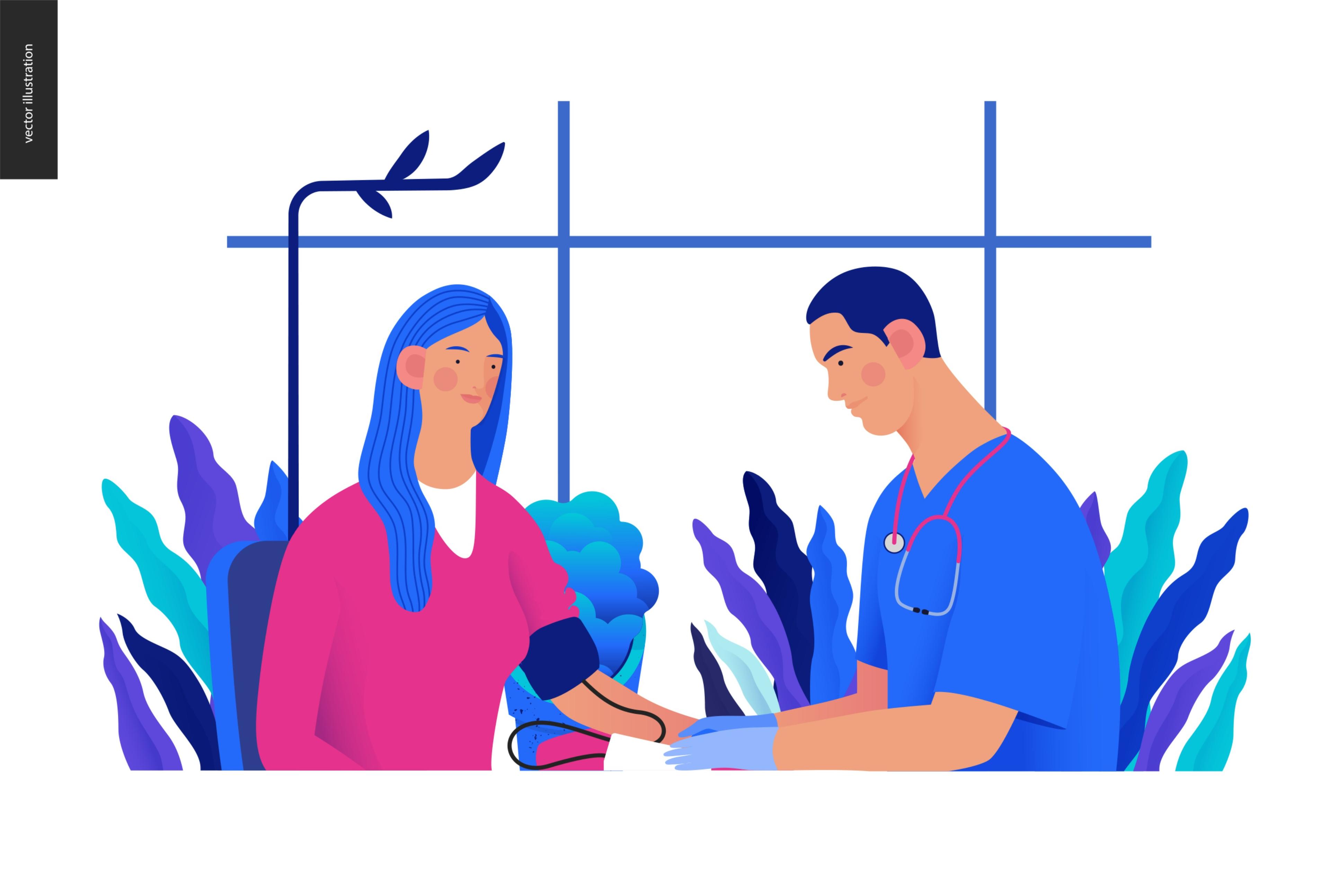
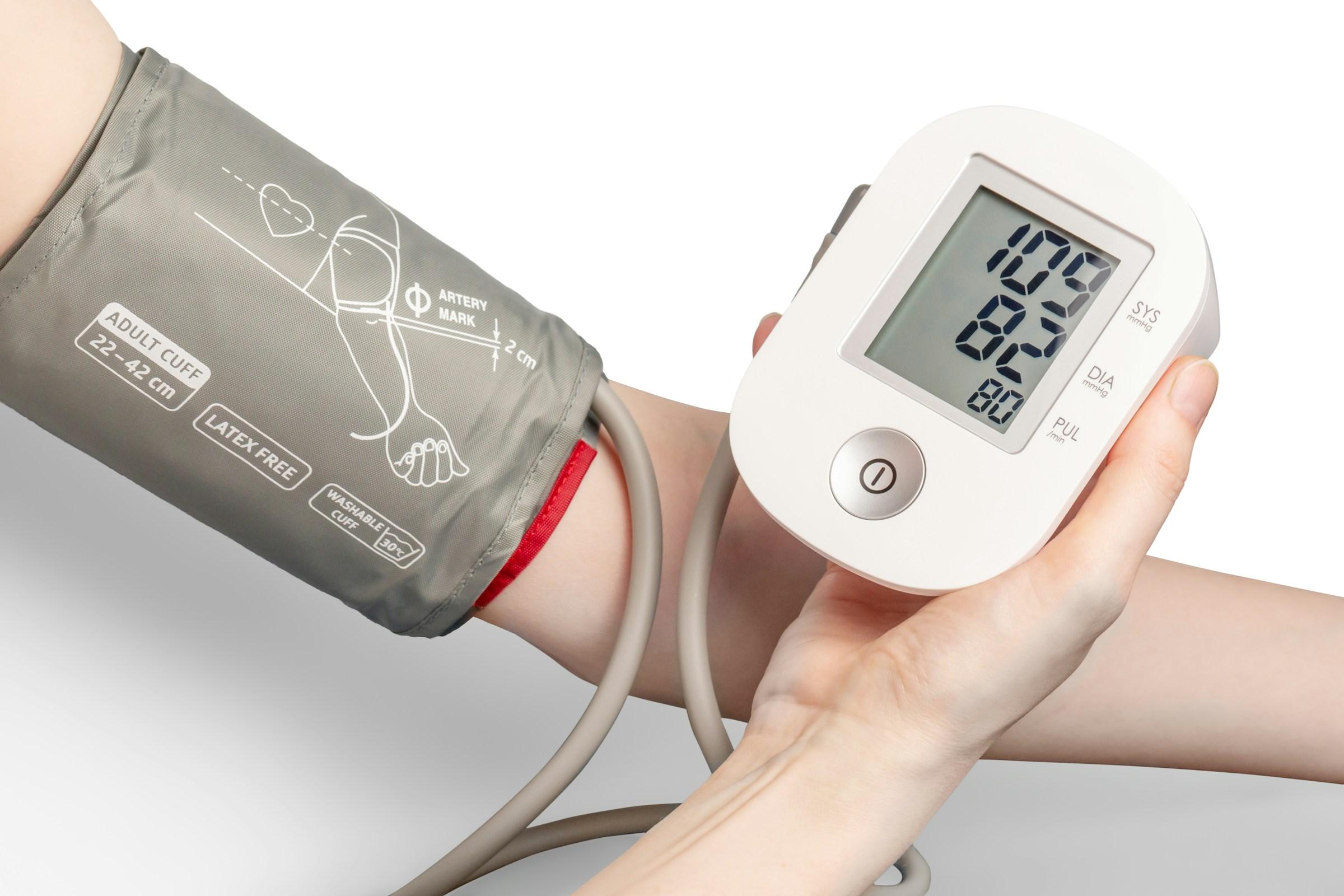
One of the most important areas of risk is physical health. Every drink has to be processed by the liver, an organ that already works hard to filter toxins from the body. Regular drinking can inflame the liver and, over time, lead to scarring and conditions that may become life threatening. Alcohol also affects the heart and blood vessels, raising the risk of high blood pressure, stroke, and heart disease. On top of that, major health organisations classify alcohol as a carcinogen. This means drinking increases the risk of several cancers, including those of the mouth, throat, liver, colon, and breast. The problem is not only heavy drinking. Even “social” habits, if they are frequent, can add up in ways that are not obvious in the moment.
Sleep and energy levels are another area where alcohol quietly takes a toll. Many people believe that a drink helps them unwind and fall asleep faster. While it might make someone feel drowsy at first, alcohol actually disrupts the deeper stages of sleep that allow the body and mind to recover. People who drink often notice that they wake up more frequently during the night or feel heavy and unrefreshed in the morning, even after what seemed like a full night’s rest. Over time, this poor quality sleep can affect concentration, memory, mood, and even immune function. The cycle can become self reinforcing. You feel tired and stressed, you drink to relax, you sleep badly, and you wake up exhausted again.
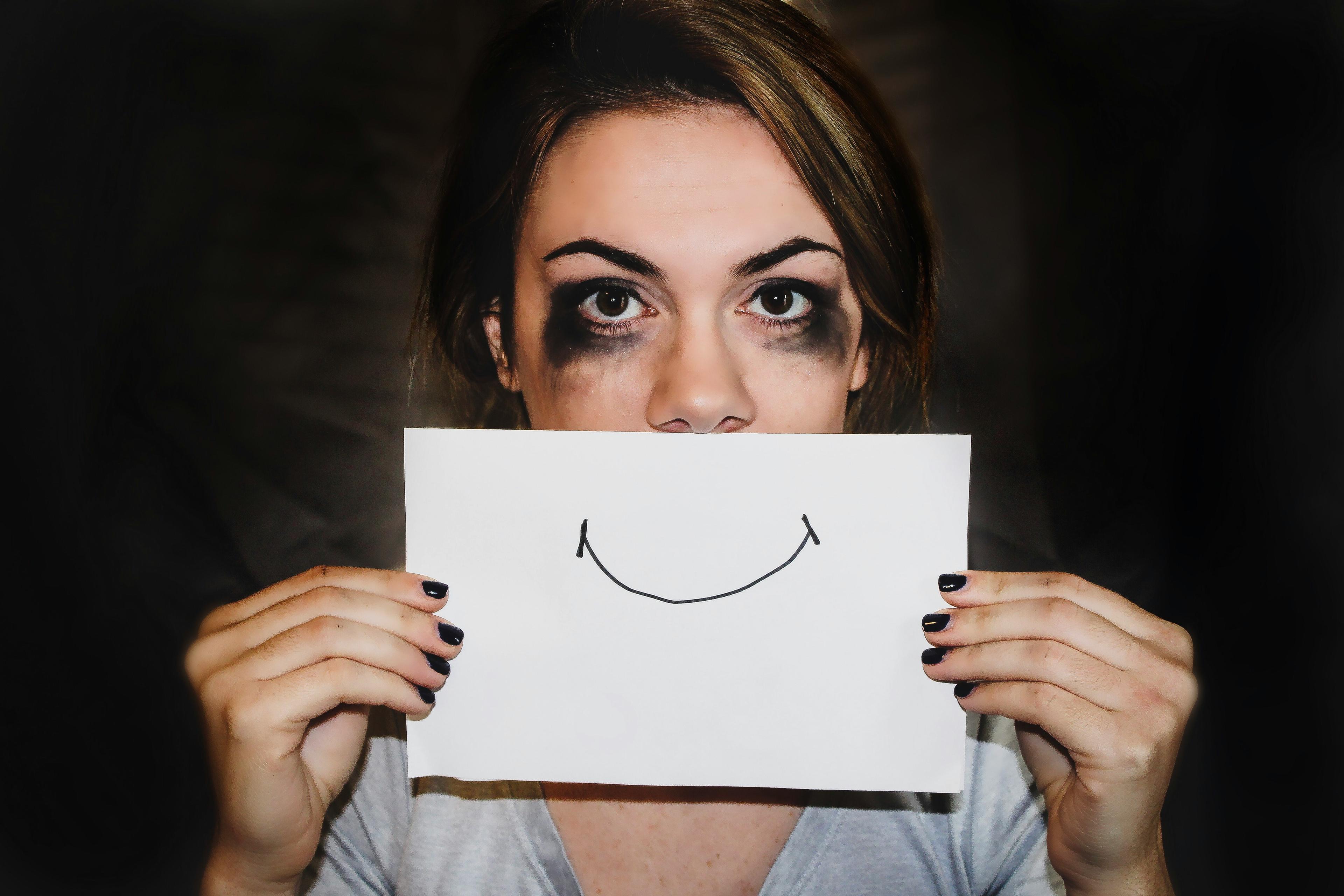
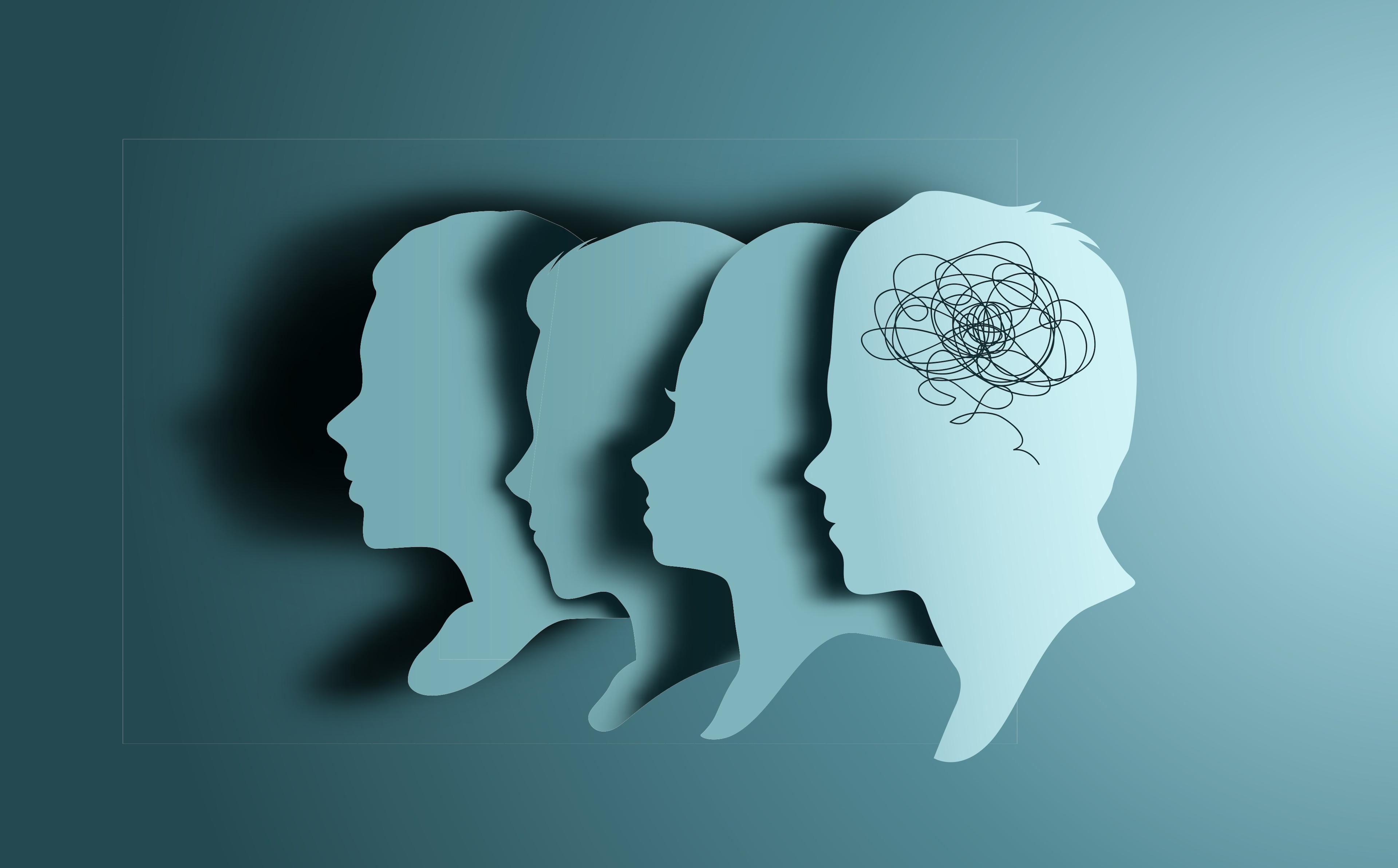
The connection between alcohol and mental health is just as significant. Alcohol changes the balance of chemicals in the brain that influence mood. In the short term it may create a feeling of warmth, looseness, or confidence. However, once the initial buzz fades, many people experience lowered mood, increased anxiety, and irritability. For someone who already struggles with stress, sadness, or worry, regular drinking can deepen those feelings rather than relieve them. Some people begin to rely on alcohol as a coping tool for uncomfortable emotions or difficult situations. This can make it harder to develop healthier strategies such as exercise, therapy, journaling, or honest conversation with trusted friends.
Another risk sits in how alcohol alters judgment and behaviour. When people drink, their inhibitions lower and their sense of caution fades. This can lead to decisions they would not usually make when sober. It might be driving a car after “just a few drinks,” picking a fight over something small, sending messages they later regret, or crossing lines in romantic or sexual situations. Alcohol can blur the ability to interpret consent clearly and to respect boundaries. Both the person who has been drinking and those around them may find that situations become confusing, hurtful, or even dangerous much faster than they expected.
Safety on the road is an obvious but still crucial area. Alcohol slows reaction time and interferes with coordination. Many accidents involve people who did not feel very drunk but were still impaired enough that their driving was unsafe. Even a short journey home can become life altering for the driver, their passengers, and innocent strangers who happen to be nearby. With ride hailing, public transport, and designated driver arrangements available in many places, the decision to drive after drinking is rarely about a lack of options. It often comes down to convenience, overconfidence, or habit, which makes it even more tragic when something goes wrong.
Socially, alcohol can strain relationships in ways that are not always obvious at first. Some people become more talkative or affectionate after drinking, while others become moody, withdrawn, or aggressive. Arguments that might have been resolved calmly can escalate quickly when alcohol is involved. Hurtful words are said, promises are broken, and apologies turn into a repeating cycle. Partners may feel that they are constantly dealing with the fallout of nights out or weekend drinking. Friends may begin to drift away if they only see someone when alcohol is present or if every gathering ends in drama.
Peer pressure adds another layer of risk. In many social circles, refusing a drink can feel awkward. People may joke that someone is “no fun” if they say no or push them to “just have one more.” Over time, this pressure can make it difficult for individuals to honour their own limits. They end up drinking more than they planned, not because they wanted to, but because they were afraid of standing out or “killing the mood.” Continually ignoring your own comfort level just to fit in can quietly erode self respect and make it harder to set boundaries in other areas of life.
There is also a financial cost that many people underestimate. Drinks at bars, clubs, or restaurants are expensive. Even at home, bottles and cans added to the weekly shopping list can drive up expenses. Because these purchases are usually small and frequent, they often slip under the radar. Yet when added up over months or years, alcohol spending can represent a significant chunk of money that could have gone into savings, paying down debt, travel, education, or other experiences that support long term well being. The financial strain becomes even sharper if drinking leads to missed workdays, medical bills, or damaged property.
In the digital age, alcohol carries risks for reputation and privacy as well. When people drink, they are more likely to post impulsively on social media or allow friends to share photos and videos of them in vulnerable moments. Something that seems funny at midnight can feel deeply embarrassing the next morning. Once images or clips are online, it can be difficult to control where they travel. They may be saved, forwarded, or resurfaced at inconvenient times, such as during job searches or important personal milestones. Alcohol can therefore contribute to a public image that does not match who someone wants to be.
For some, there is an added layer of risk rooted in family history. Growing up around heavy drinking, conflict related to alcohol, or unspoken stories of addiction can shape how a person relates to alcohol as an adult. They may either imitate patterns they saw at home or swing to the opposite extreme. Even when someone believes they are drinking “normally,” they might be more vulnerable to losing control of their habits because of genetic and environmental influences. Recognising this background can be an important step in making more conscious choices about how often and how much to drink.
All these risks tie into the question of dependence. Not everyone who drinks develops an addiction, but the line between casual use and problem use is rarely as clear as people imagine. For many, the shift happens slowly. A drink after work becomes a drink every night. Social events feel incomplete without alcohol. Stressful days almost automatically end with a bottle or a glass. At that point, it can be uncomfortable to consider cutting back, and some people discover that they feel restless, low, or unsettled when they try. The worry about being dependent on alcohol can itself become a heavy emotional burden.
On a broader level, alcohol can limit a person’s sense of what joy and connection look like. If every celebration, reunion, or date revolves around drinking, it narrows the kinds of experiences people seek. They may forget what it feels like to dance, laugh, or open up to others while fully present and clear headed. Over time, this can dull the richness of life. Moments that could have been memorable for their depth or authenticity become fuzzy scenes that are half remembered and half pieced together from photos and stories.
Thinking about the risks of drinking alcohol does not require rejecting it entirely or judging those who choose to drink. It simply asks for honesty about what is at stake. Behind each glass are invisible threads that connect to physical health, mental stability, safety, relationships, finances, and even digital footprints. Some people will decide that occasional, mindful drinking fits within the life they want. Others may realise that their current habits are costing them more than they are comfortable admitting.
The key is to bring alcohol back into conscious awareness, instead of letting it operate in the background as a default setting for every mood and social moment. When you pause to notice why you are drinking, how often you do it, and how you feel during and after, you begin to see patterns more clearly. From there, you can decide which risks you are willing to carry and which changes you might want to make. That decision, made with open eyes, is far more powerful than any automatic “yes” to another round.
 WhatsApp
 Instagram
 Threads