Most people think of blood pressure as a fixed number. You get it checked once or twice a year, someone tells you it is normal or high, and that becomes the label you carry around in your head. In reality, your blood pressure behaves more like a live dashboard. It reacts to what you just ate, how well you slept, what you are feeling, and even how you are sitting in that exact moment. A sudden spike can feel frightening, especially when you see the numbers climb on a screen, but it is rarely random. There is usually a clear reason your body has shifted into a higher gear.
Blood pressure itself is simply the force of blood pushing against the walls of your arteries. When your heart beats faster or more forcefully, or when your blood vessels tighten and narrow, that pressure rises. When your vessels relax and your heart rate slows, it falls. Any sharp jump in your reading is a sign that something has just changed in that system. The real question is not only whether the number is high, but what input created that output. Once you start thinking this way, you stop seeing spikes as mysterious attacks and start seeing them as feedback.
One of the most common reasons for a sudden rise is acute stress. Your body still operates on an ancient survival playbook that is designed to protect you from danger. The moment your brain senses a threat, it activates the fight or flight response. Stress hormones such as adrenaline and cortisol surge, your heart rate climbs, your blood vessels constrict, and your blood pressure rises so your muscles and organs are ready for action. The modern version of “danger” does not need to be a wild animal or a physical threat. An angry email, a tense family conversation, a financial worry, or being stuck in traffic while running late can trigger the same system. A day full of these small stressors, with no real pause, can create repeated short spikes that start to feel like your normal state.
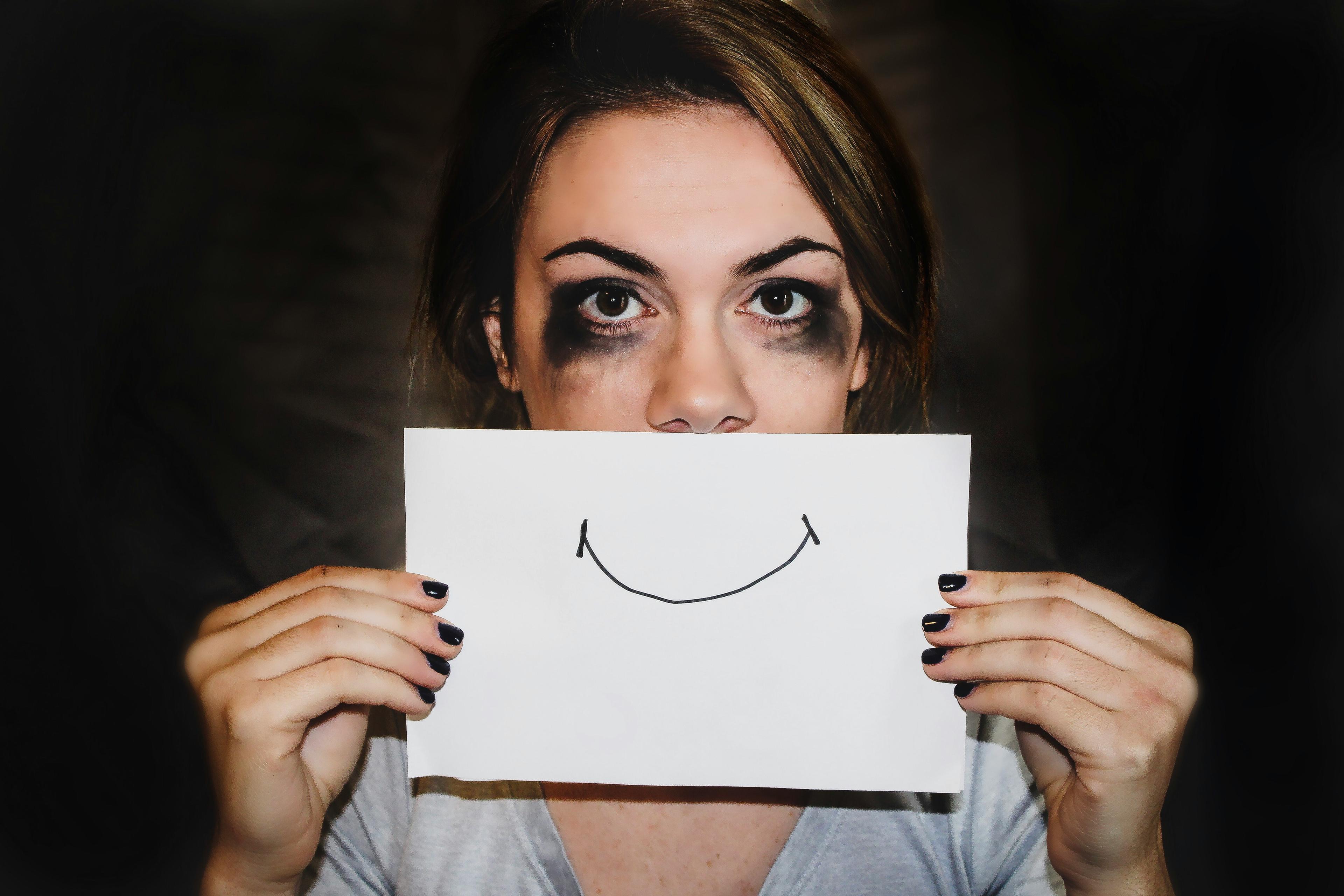
Anxiety and panic attacks can push things even further. During a panic episode, your breathing becomes quick and shallow, your muscles tense, and your heart pounds in your chest. You may feel dizzy, detached, or sure that something terrible is about to happen. Even if you are safe in your living room, your nervous system is acting as if you are in immediate danger. It is natural for blood pressure to shoot up in this state. Often, the reading settles once the episode passes, but if this happens often, it is easy to believe that your blood pressure is always out of control when the deeper issue is an overwhelmed nervous system. This is why learning to regulate stress and anxiety matters as much as any change in diet.
Stimulants are another simple and very common cause. Caffeine from coffee, strong tea, energy drinks, and certain pre workout products prompts your heart to beat faster and your blood vessels to tighten. For many people the effect is mild, but for others, especially if they are not regular caffeine drinkers or if they consume a large amount at once, a single strong drink can raise blood pressure for several hours. Nicotine from cigarettes or vapes adds another layer of stimulation and constriction to the blood vessels. If you always take your blood pressure after your morning coffee and smoke, the spike you see may be a daily reflection of that routine rather than a sign that your cardiovascular system has suddenly failed.
Food choices, especially salty and highly processed meals, also play a strong role. A heavy hawker centre dinner, instant noodles late at night, fast food, or a few packets of salty snacks can cause your body to retain more water. Extra fluid in the bloodstream increases the pressure inside your blood vessels in the same way that extra water increases pressure inside a hose. This effect is more pronounced if you already live with high blood pressure or kidney problems. The next morning, you might find that your rings feel tight, your face looks a little puffy, and your blood pressure reading is notably higher. This does not mean your heart has rapidly worsened overnight. It usually means your body is processing a high sodium load.
Sleep is another quiet but powerful driver of sudden changes. A single bad night, a run of late bedtimes, or disrupted sleep from scrolling on your phone, binge watching, or shift work can all move your nervous system into a more stressed state. Your body produces more stress hormones, your resting heart rate edges up, and your blood vessels stay slightly more constricted than they should. The result is a higher baseline and more frequent spikes whenever a small trigger appears. If snoring or sleep apnea is involved, the effect becomes even more serious. With sleep apnea, your airway repeatedly narrows or closes in the night, your oxygen levels drop, and your body responds with a jolt of stress hormones to wake you up just enough to breathe. Each of those episodes can push blood pressure up.
Pain is another signal that often shows up as a sharp jump in numbers. A migraine, a sudden injury, severe back pain, or strong menstrual cramps all tell your body that something is wrong. In response, your system releases stress hormones and tightens blood vessels, just as it does with emotional stress. If you measure your blood pressure in the middle of a painful episode, you may see readings that are much higher than usual. This is why it is helpful to recheck your blood pressure once pain is controlled, so you can distinguish your usual baseline from your body’s reaction to distress.
Medication and supplements are a more hidden but very important contributor. Many over the counter cold and flu tablets contain decongestants that work by tightening blood vessels in your nose. This clears congestion, but it also tightens blood vessels elsewhere in the body and raises blood pressure. Certain painkillers, birth control pills, steroids, and some herbal products can have similar effects. So can weight loss pills and some workout stimulants that boost heart rate and alertness. If your blood pressure started to spike after you began a new medicine or supplement, the cause may be chemical rather than a sudden change in your overall health.
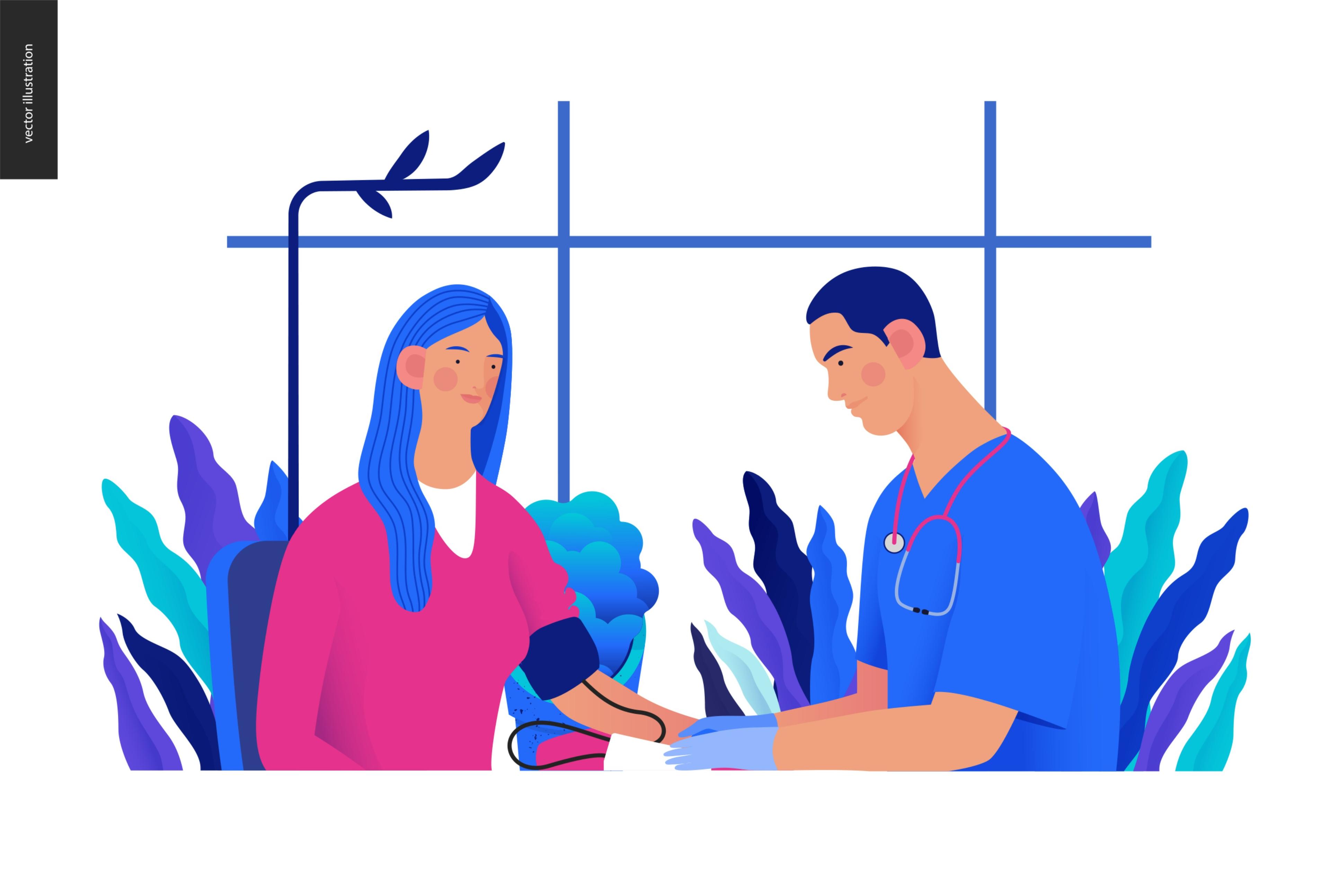
There is also something known as white coat hypertension. For some people, blood pressure is only high in medical settings. Sitting in a clinic, smelling antiseptic, hearing the cuff inflate, and waiting for a verdict can all create a surge of anxiety. That anxiety is enough to lift blood pressure readings in the clinic, even if home readings are usually normal. This response is still real, and repeated spikes in stressful settings can matter over time, but it shows clearly how much your mind, surroundings, and expectations influence the numbers you see.
Beyond these common triggers, there are more serious medical conditions that can cause repeated or very high spikes in blood pressure. Chronic kidney disease can interfere with the body’s ability to manage fluid and salt. An overactive thyroid can increase heart rate and metabolism. Certain hormonal tumors and vascular conditions can create sudden, severe surges. Sleep apnea, when severe and untreated, can drive blood pressure up dramatically. These causes are less common than stress or diet, but they shift the level of urgency. If your readings are extremely high, if you notice chest pain, shortness of breath, severe headache, confusion, or vision changes, or if spikes occur frequently with no obvious trigger, it is important to seek medical attention and let a doctor investigate.
Even with these possibilities, most day to day spikes are closely tied to systems that you can see and adjust. Your routine, your stress, your sleep, your food, your consumption of caffeine, alcohol, and nicotine, and the medications you take all feed into the numbers on the screen. When you zoom out and look at patterns instead of single readings, the story often becomes clearer. Perhaps your blood pressure is always higher on Monday mornings after a weekend of heavy eating and late nights. Perhaps it jumps after long, tense meetings or on days when you skip meals and rely on coffee. Perhaps it settles on days when you walk more, drink enough water, and put your phone away earlier at night. The readings are not random. They are feedback loops.
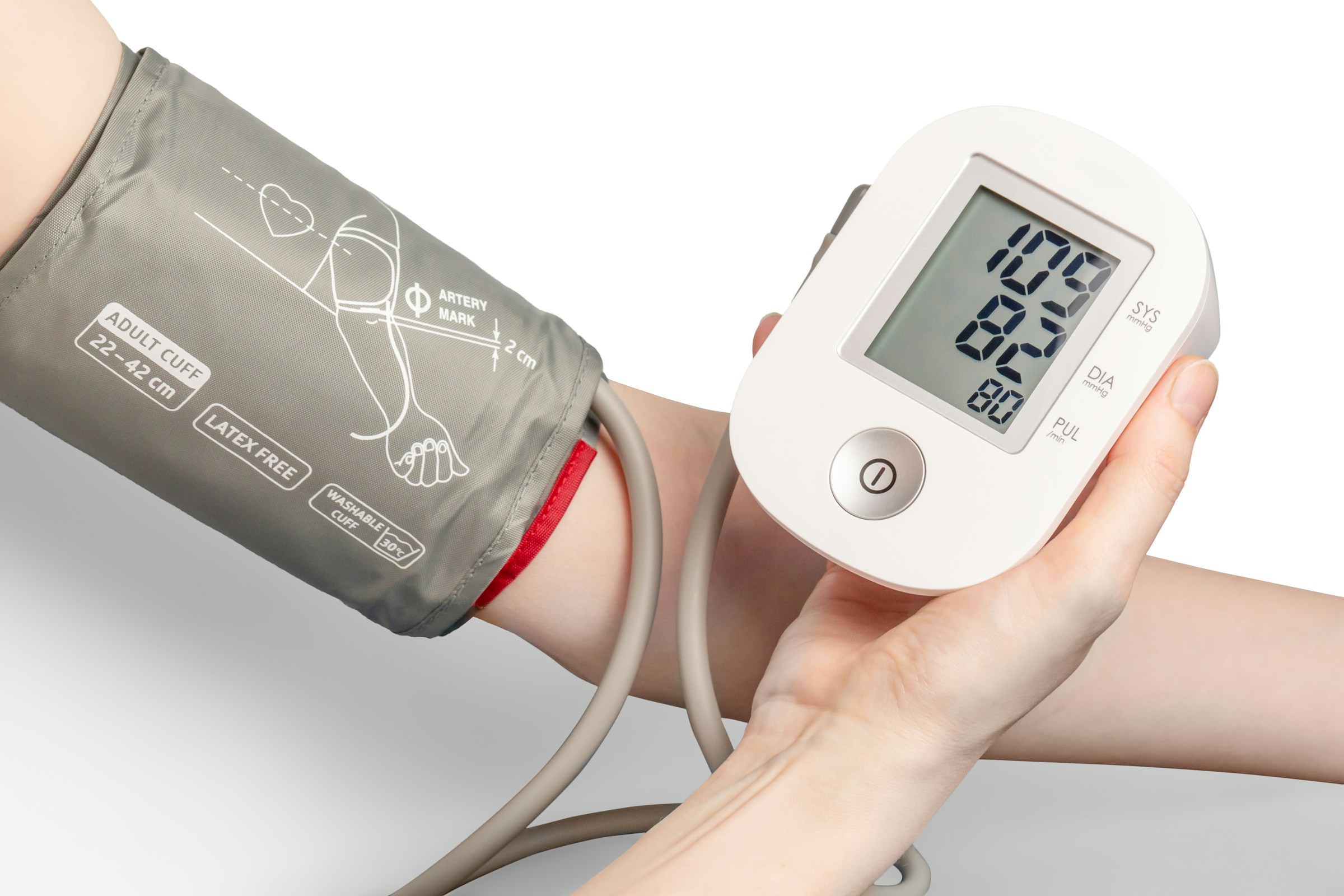
In the moment when you see a high reading, it helps to respond calmly rather than panic. Sit somewhere quiet, rest your feet flat on the floor, relax your arm on a table, and breathe slowly for a few minutes. Make sure you are using a cuff that fits properly and that you are following the device instructions. Take another reading after a short break. It is common for blood pressure to drop once your body and mind have a chance to settle. Then gently review the last day or so. Ask yourself whether you have been under unusual stress, slept badly, consumed more caffeine, alcohol, or salt than usual, dealt with pain, or started any new medication. That simple reflection is part of caring for your health.
Over the long term, the aim is not to eliminate every single spike. Life will always contain stress, late nights, tasty salty food, and sudden worries. The aim is to build a lifestyle that gives your body a stable base. That might look like a consistent sleep schedule most nights, regular movement, a way of eating where highly processed and salty foods are occasional treats rather than daily staples, and stress management practices that you actually use. It might also include checking your blood pressure at home at different times of day, so you and your doctor have more than one clinic reading to work with.
Understanding what causes a sudden spike in blood pressure is really about understanding how alive and responsive your body is. Your heart, blood vessels, hormones, thoughts, and daily habits are in constant conversation. A spike is that system speaking up. Sometimes it is saying that you had a rough day and poor sleep, and you simply need rest and better choices. Sometimes it is warning you that something deeper needs medical attention. The more you learn to read these signals with curiosity instead of fear, the more confident you become in caring for your own health, and the better your chances of keeping your blood pressure stable over the years.
 WhatsApp
 Instagram
 Threads