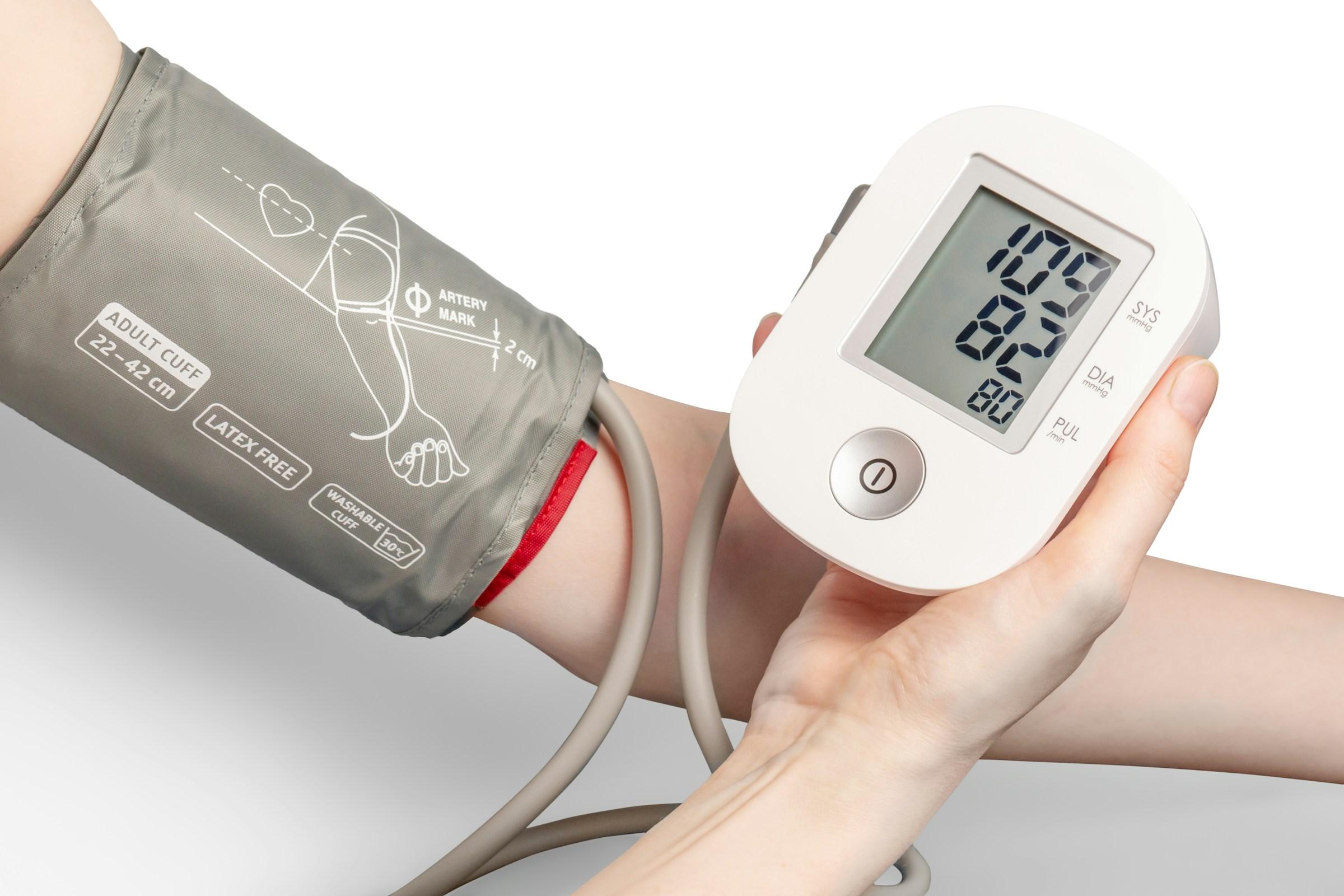
Morning routines often get treated like lifestyle decoration. We talk about them in terms of productivity, aesthetics, or trendiness, as if they exist separate from the body. In reality, the first hour after you wake up has a direct conversation with your heart, your blood vessels, and your hormones. Whether your blood pressure quietly settles into a steady rhythm or jumps around in the background has a lot to do with how you move through those early minutes.
From the moment you open your eyes, your body is already busy. Cortisol naturally rises in the morning to help you wake up. Your heart rate picks up, your blood pressure climbs from its lower night time baseline, and your nervous system starts shifting from rest into action mode. This rise is completely normal. The question is whether your morning routine supports a smooth transition or throws your system into a series of mini emergencies before you even get out the door.
Many people start their day in a state of instant alert without realising it. The alarm is loud and abrupt. The phone is within reach. Notifications are waiting. Before your feet touch the floor, your brain is processing work emails, family messages, and news updates that carry a tone of urgency. Your body cannot tell the difference between a digital crisis and a physical one. It responds to both with the same basic tools. Your nervous system switches toward fight or flight, your blood vessels tighten slightly, and your heart pumps harder. You might describe this as being efficient or staying on top of things. Physiologically, it is extra strain placed on your cardiovascular system right at the start of the day.
Caffeine then enters the picture. For many people, coffee is a morning ritual that feels almost non negotiable. In moderate amounts, and in the right context, it can be part of a healthy routine. The issue is not coffee itself but the way it combines with other factors. A strong cup on an empty stomach, after too little sleep, grabbed while rushing to a call, affects the body very differently from a gentler cup enjoyed after a calm breakfast. When dehydration, poor sleep, and stimulants are layered on top of each other, your body compensates. One of its tools is to tighten blood vessels and increase pressure in order to maintain circulation, especially when you are asking it to perform at full capacity straight away.
Sleep quality sits quietly underneath all these choices. A night cut short by late work, bright screens, or endless scrolling does not vanish when the alarm rings. Your body carries that deficit into the next day. When sleep is fragmented or too short, blood pressure tends to stay higher over the following hours, and your system becomes more sensitive to stress. That means your morning routine, even if it looks the same from the outside, lands on a more fragile foundation. The same alarm, the same notifications, the same rush will hit harder than they would after a genuinely restful night.
There is also the culture of rushing that many of us have learned to treat as completely normal. The moment you check the time and realise you have ten minutes to shower, get dressed, gather your belongings, and appear calm in a meeting, your body experiences a cascade of stress signals. You may move faster, breathe more shallowly, and tighten your muscles without even noticing. Even if you manage to be punctual, your cardiovascular system has already been through a short but intense workout that had nothing to do with exercise and everything to do with pressure.
Work patterns shape this dynamic as well. Remote work was supposed to offer more flexibility, but it often dissolves the boundaries between rest and performance. Instead of a commute, you have messages arriving before you are fully awake. Slack notifications replace the old office door. Early calls appear on the calendar because you technically do not need travel time, so you are always available. The body does not experience this as freedom. It experiences it as an earlier and more abrupt shift into alert mode, with fewer gentle steps in between.
On the flip side, there is the slow scroll morning. This looks relaxed from the outside. You stay in bed, phone in hand, drifting through videos and posts for thirty extra minutes. It can feel like a soft start, but the physical reality is more complicated. You are lying flat, not moving much, sometimes holding your breath during intense content, while your brain is bombarded with rapid information and emotional triggers. It is a strange mix of high mental stimulation and low physical activity. Your cardiovascular system is pulled between wanting to stay in rest mode and reacting to whatever you are watching, which can create its own kind of subtle tension.
Food choices in the morning are another quiet link between routine and blood pressure. When every minute feels rushed, breakfast is often the first thing to be sacrificed or replaced with something fast, salty, or sugary. Over time, frequent meals that are heavy on refined carbs, processed ingredients, and high sodium content can influence blood pressure, especially when they are layered on top of chronic stress and poor sleep. A balanced breakfast is not a miracle cure for hypertension, but it does reduce the number of shocks your system has to handle in those first hours.
Screens are the constant backdrop to all of this. Light in the morning is actually helpful for your body clock. Exposure to natural daylight soon after waking can support a healthier rhythm of hormones and blood pressure over 24 hours. The challenge in modern life is that the first light many people see is the harsh glow of a phone or laptop held very close to the face, paired with content that is emotionally charged. The body receives a strong signal to wake up, but it also receives a message that the world is chaotic and demanding. It is easy to underestimate how often this combination nudges the nervous system into a state of vigilance.
Beyond individual habits, there are social and structural layers that shape morning routines. Online, there is a trend of glorifying extreme mornings, where success is linked to very early wake up times, intense workouts, cold plunges, and a packed schedule before sunrise. Offline, a large number of people are simply trying to get children ready for school, care for older relatives, catch a crowded train, or get through traffic. In both scenarios, blood pressure is affected, but the choices available are not always the same. A spacious, quiet morning with time to stretch, prepare food, and ease into the day is easier to create when you control your schedule and environment. Shift workers, caregivers, and those in crowded or noisy housing often have far less flexibility. Their bodies still run the same cardiovascular software, but under more constraints.
This is why it is important not to treat blood pressure issues as purely a matter of individual willpower. Routine can protect the heart, but not everyone has equal access to routines that are calm and unhurried. Nevertheless, even small adjustments within a limited context can make a difference. A few extra minutes for breathing before checking messages, a glass of water before coffee, or a decision to wait until you are sitting up to open your notifications are all micro choices that reduce the number of spikes your system experiences.
If you already live with high blood pressure or other health conditions, the link between morning routine and cardiovascular health becomes even more important. In that case, medical guidance is crucial. Articles can describe patterns and raise awareness, but they cannot replace personalised advice or treatment. A health professional can help you understand how your specific medications, sleep patterns, and life situation interact, and what adjustments might support more stable readings throughout the day.
What matters most is not whether your morning looks perfect from the outside, or whether it matches someone else’s ideal schedule. The essential question is what your first hour is teaching your body to expect. When most mornings are rushed, loud, sleep deprived, and packed with digital alarms and crises, your cardiovascular system adapts to survive that script. One stressful start here and there will not decide your long term health. A repeated pattern of stress, noise, and urgency, rehearsed day after day, has a different impact.
Your morning routine is not just a lifestyle choice or an aesthetic. It is a daily interaction between your habits and your blood vessels, between your notifications and your hormones, between your calendar and your heart. You may not feel every spike, and you may not see the numbers unless a monitor captures them, but your body is always listening. In that sense, the way you begin the day becomes less about being productive and more about being kind to the engine that has to carry you through all the hours that follow.
 WhatsApp
 Instagram
 Threads