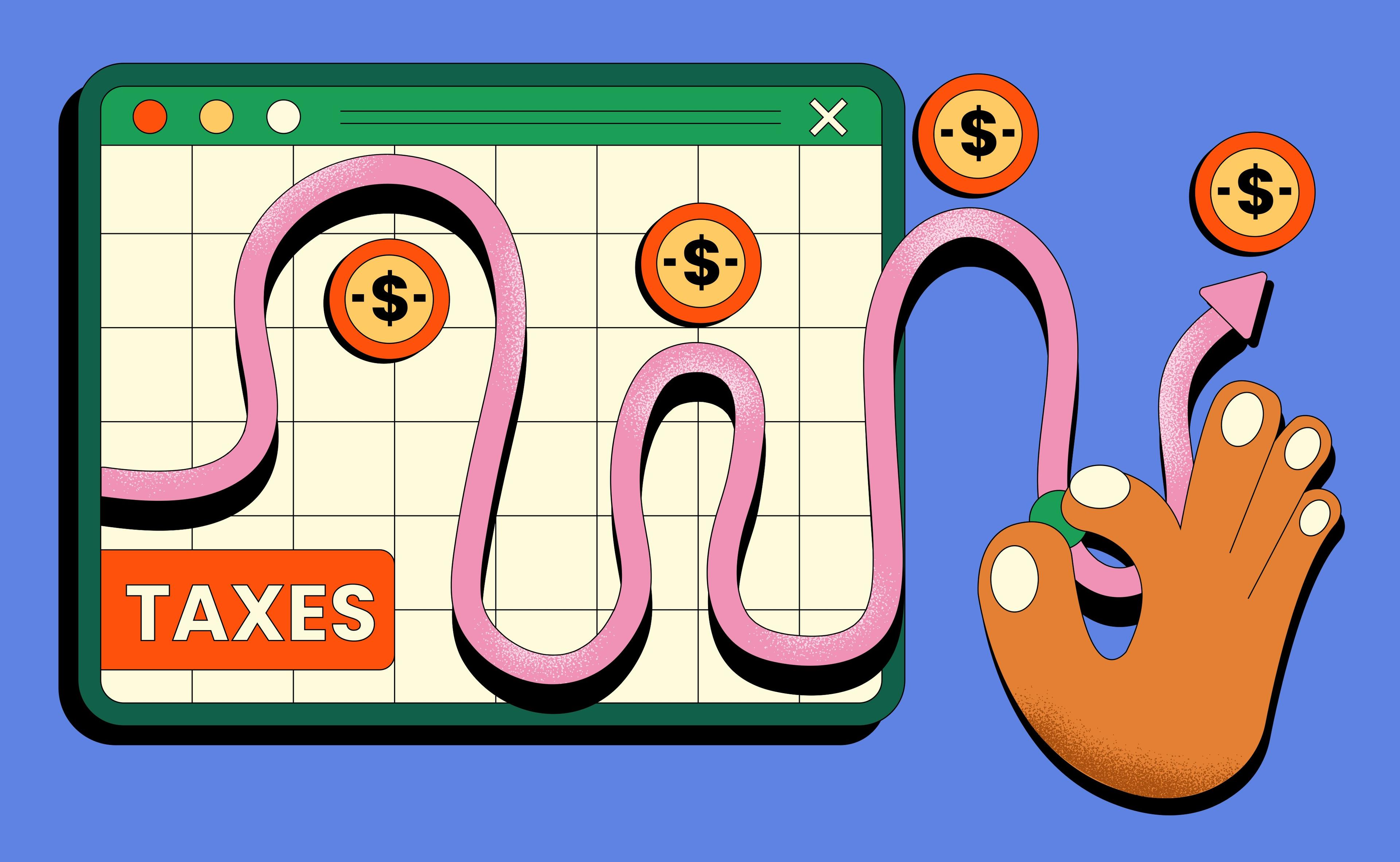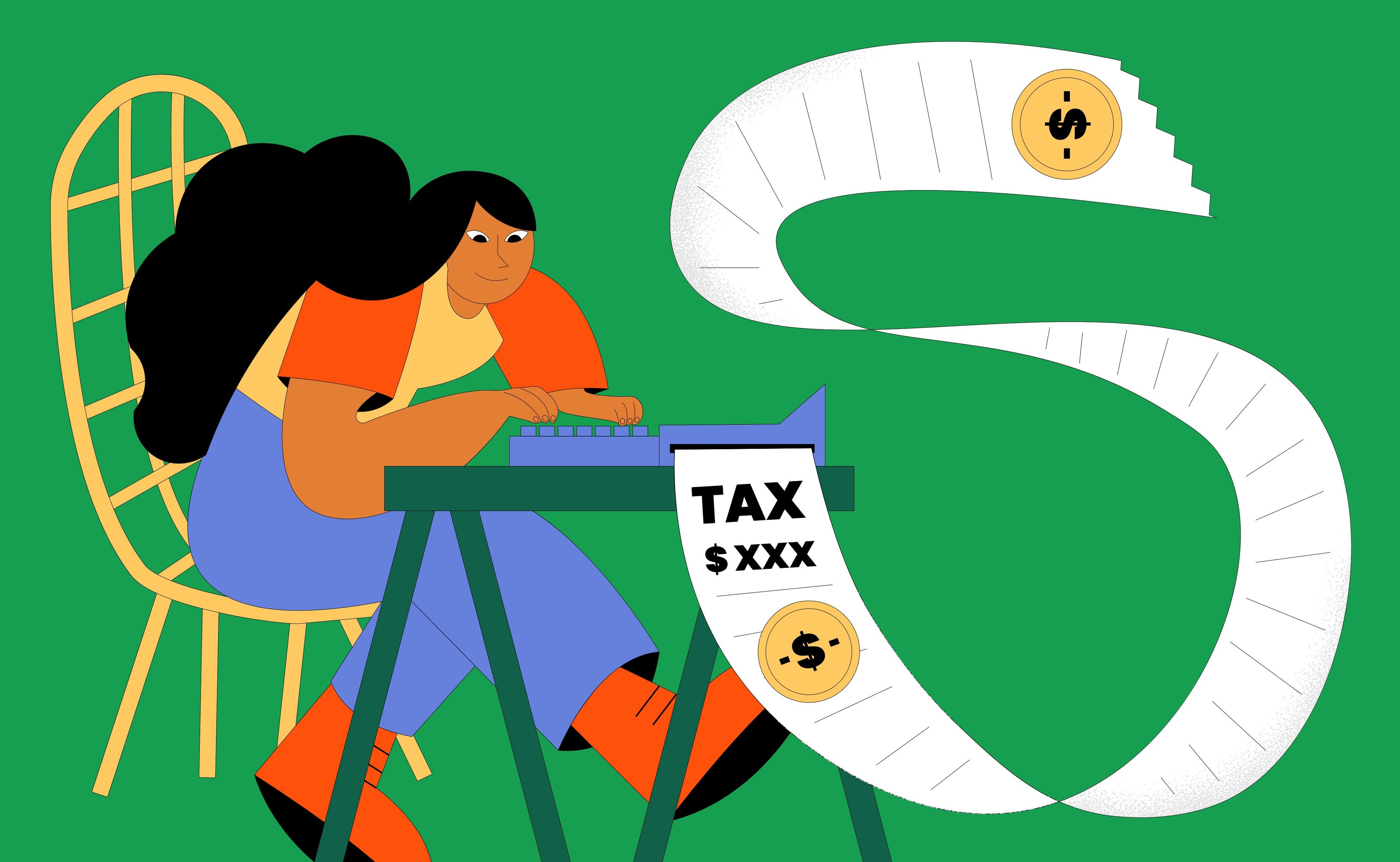
When most people look at their payslip, their eyes go straight to the final number that lands in their bank account each month. Employers, however, look at a much bigger figure. They think about the full cost of having you on the team, which includes your gross salary as well as all the taxes and mandatory contributions tied to your role. The gap between what your employer spends on you and what you actually receive is called the tax wedge. Understanding this gap matters more than many people realise, because it explains why your take home pay feels a certain way, why hiring can feel tight in some industries, and how governments quietly shape our financial lives through tax policy.
In simple terms, the tax wedge is the difference between the total cost of employing you and the amount you take home after tax and compulsory deductions. If your employer spends one number to keep you on the payroll, and you only see a smaller number in your bank account, the difference is the wedge. This wedge is built from several layers. There is the personal income tax that you pay directly. There are the employee contributions to social security or pension schemes that are deducted from your pay. On top of that, there are employer contributions to pensions, healthcare, insurance, or social protection that you never see, but which increase the cost of hiring you. When you put all these elements together, you get the full tax wedge.
This means that your personal experience of tax is not only about the visible line on your payslip. It is about the whole structure that sits between your employer’s budget and your household budget. Even in places with relatively low income taxes, the wedge can still be significant because of compulsory savings or social security schemes. For example, in systems where employers and employees both contribute to retirement funds or health plans, the wedge may be sizeable even if headline tax rates appear modest. In other regions, there may be little or no income tax, but levies on employers, visa fees, or end of service benefits still shape the total cost of employing people. The wedge shows you this entire picture, not just the part you see as an individual.
From your perspective as a worker, the clearest impact of the tax wedge is on your take home pay. If the wedge is large, a big share of what your labour costs goes into taxes and contributions rather than becoming spendable income. If the wedge is smaller, more of that employer cost can show up as net salary. Employers almost always think in terms of total cost per employee. When they decide how much they can offer, they look at the full number, including gross pay and all mandatory contributions. If income tax rates rise or social contributions increase, employers often react by slowing wage growth, keeping salaries flat for longer, or being more cautious about hiring, so that their total cost does not grow too fast.
For you, this can show up as slower pay rises, more modest bonuses, or smaller jumps when you change jobs. It can also change how rewarding extra work feels. If a promotion, overtime, or an additional side gig translates into only a small increase in net pay after tax and deductions, it is natural to feel that the effort is not really worth it. This is especially noticeable in systems where tax rates climb steeply or where crossing an income threshold brings a sudden increase in taxes or the loss of certain benefits. Even if you never sit down to calculate your exact marginal tax rate, you feel the effects through your monthly cash flow and your sense of whether working more truly pays off.
The tax wedge does not only influence your personal choices about work. It also shapes hiring decisions and the structure of the labour market. When the cost of hiring a worker is much higher than what that worker takes home, employers become more cautious about creating permanent roles. They may choose to automate certain tasks, rely on freelancers or contractors, or outsource entire functions rather than adding full time staff. In economies where the wedge on labour is high, policy makers often worry about unemployment, informal work, or low labour force participation, particularly among young people, older workers, and second earners in a household.
On the other hand, when governments design policies to reduce the wedge for certain groups, they are deliberately trying to make it more attractive to hire them. Some countries lower employer contributions for young workers, people with disabilities, or parents returning to work, so that the cost of employing them is less daunting. Understanding this helps you interpret news about changes in employer levies or payroll contributions. These are not just technical details. They are choices that affect how many opportunities are available, what types of jobs are created, and which groups find it easier or harder to secure stable work.
From a personal finance point of view, understanding the tax wedge gives you a more realistic framework for planning your income. When you read about a new tax, a change in social security contributions, or a shift in employer related levies, you can ask yourself three useful questions. How does this affect my net pay directly. How does it affect my employer’s total cost of keeping me on the team. And how might this combination influence my future salary growth, bonus prospects, or job security. A small change in contributions might not alter your current take home pay by much, but if it increases the overall wedge, it may still lead to slower wage growth in the years ahead. Likewise, a targeted reduction in payroll levies may not show up immediately on your payslip, but it can make your sector more attractive for hiring and expansion.
If you are comparing job offers across countries or cities, the tax wedge is an even more powerful tool. Many people focus only on the headline income tax rate when they think about moving abroad. Yet a low tax rate can be paired with high social contributions and employer costs, while a higher tax rate may come with fewer extra levies and more generous public benefits. The wedge helps you compare outcomes more fairly. You can ask whether the difference between employer cost and your net pay is used to fund public healthcare, pensions, unemployment protection, or housing schemes, or whether it mainly goes into general government revenue. The answer affects how secure you feel and how much you must self fund through private insurance or savings.
Understanding the tax wedge also helps when you negotiate job offers or review your benefits. Instead of looking only at gross salary and annual bonus, you can ask about employer contributions to retirement plans, healthcare, or insurance, and how these fit into the total package. A job with slightly lower cash pay may still be more attractive if a meaningful share of the wedge is going into your future through pension contributions or medical coverage. When you see the wedge as part of your total compensation, not just as money that disappears into the tax system, you can make more informed choices about which roles and packages suit your long term goals.
Another reason to pay attention to the tax wedge is that it reframes how we talk about fairness in the tax system. Public debates often focus on whether tax rates are too high or too low, or whether certain income groups are paying their fair share. The wedge encourages a broader view, linking what workers and employers contribute to what society receives in return. In some countries, the wedge is relatively high, but citizens accept it because they receive universal healthcare, strong social protection, and good public services. In others, the wedge is moderate, but individuals are expected to pay separately for private healthcare, education, or retirement, so more responsibility sits with the individual rather than the state.
For policy makers, the tax wedge is a crucial indicator when balancing competitiveness with social protection. If the wedge becomes much higher than in neighbouring economies, businesses may hesitate to invest or expand, especially in globally mobile sectors. If the wedge is too low, governments may struggle to finance essential services and may need to rely more heavily on other taxes like consumption taxes or property taxes. As a citizen, awareness of this trade off helps you evaluate policy proposals more thoughtfully. When you hear about plans to adjust pensions, raise or lower payroll taxes, or introduce new levies on employers, you can recognise that these are changes to the wedge and consider who gains and who loses.
All of this might sound technical at first, but the core idea is simple. The tax wedge connects three things that shape your financial life: what you earn, what your employer pays, and how your country funds its services and safety nets. Once you see the link between these three layers, tax policy stops being a distant, abstract subject handled only by experts. It becomes part of how you think about your career decisions, your choice of location, your savings strategy, and your expectations of government.
You do not need to memorise formulas or become an expert in tax law to benefit from this understanding. It is enough to remember that there is always a wedge between employer cost and take home pay, that it can grow or shrink over time, and that it influences both job opportunities and long term security. By paying attention to how the wedge changes, you can read policy news with a sharper eye, compare offers more wisely, and have better conversations with employers, financial planners, and even family members about the real value of work. In a world where governments are juggling aging populations, fiscal pressures, and rapid economic change, understanding the tax wedge is not just an academic curiosity. It is a practical skill for anyone who wants to be more informed and more intentional about their financial future.
 WhatsApp
 Instagram
 Threads


.jpg&w=3840&q=75)