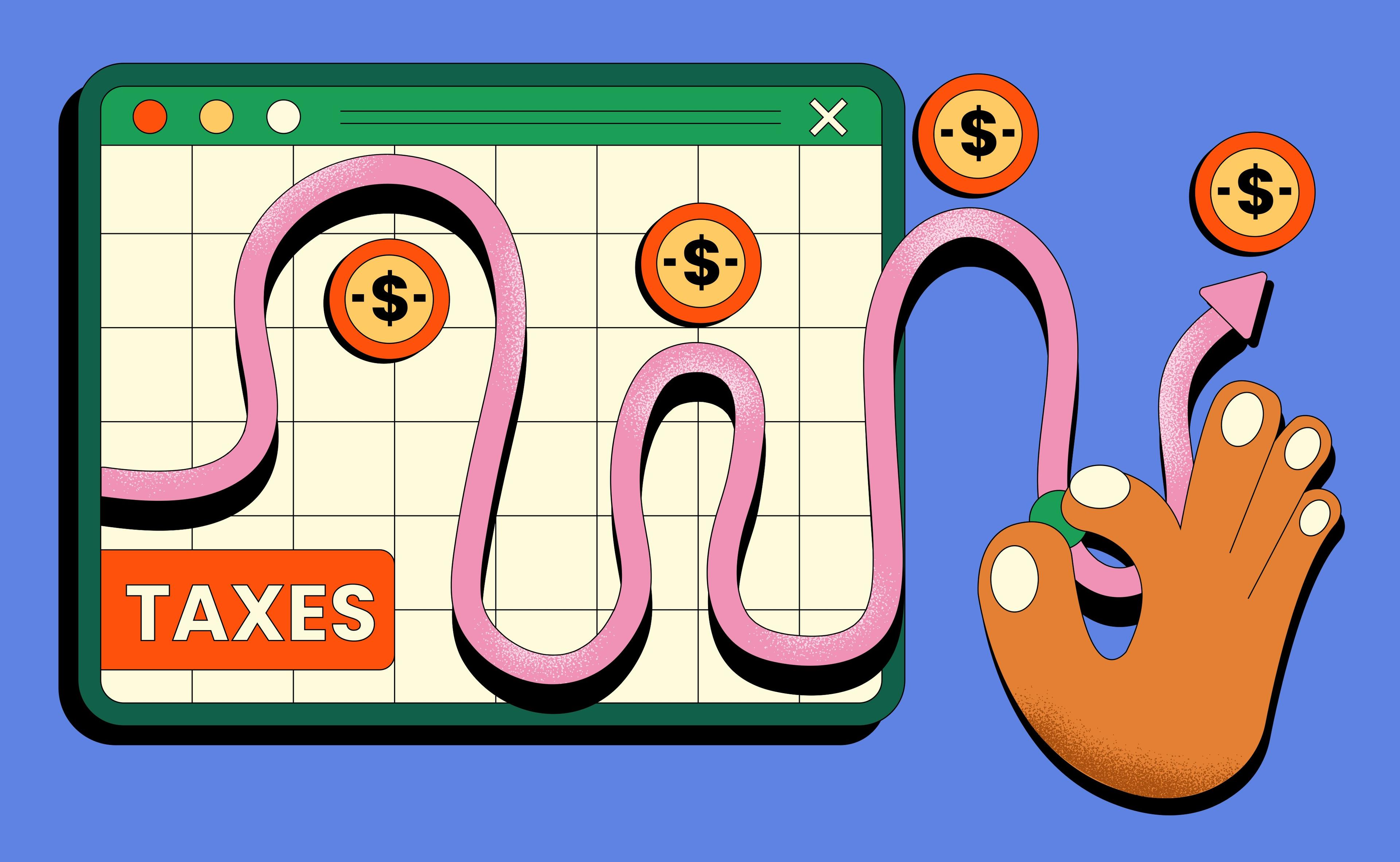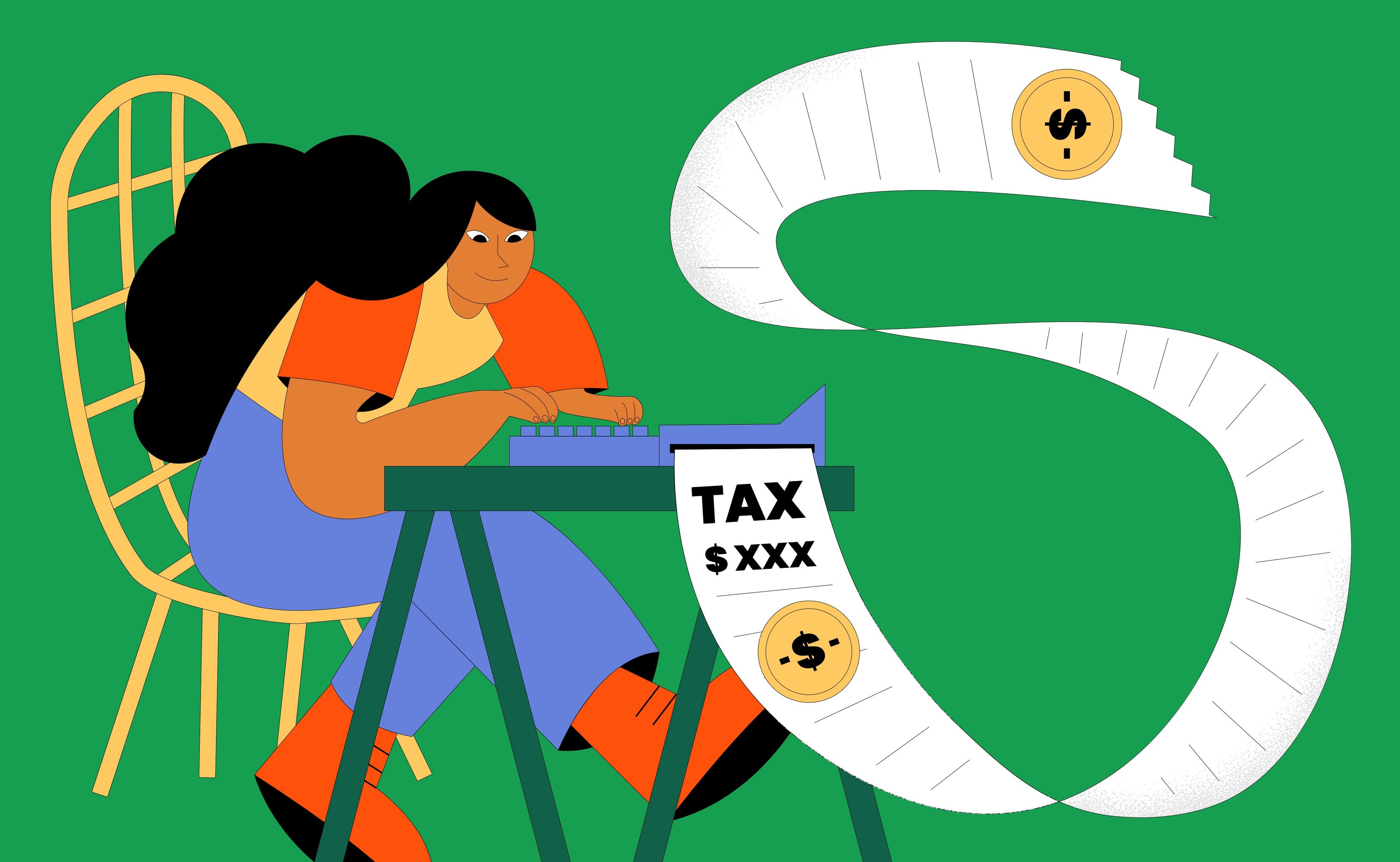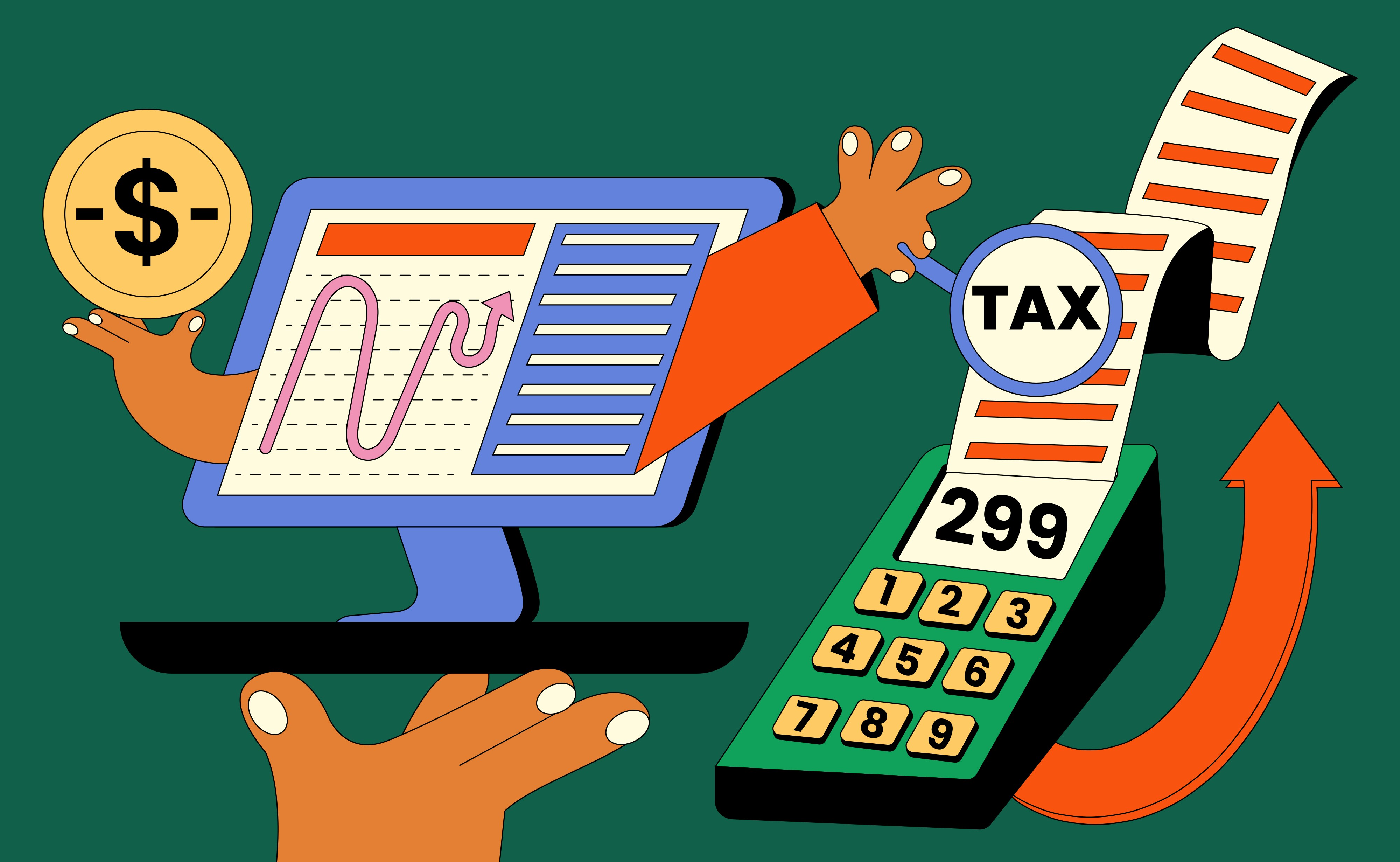
You probably remember the first time you saw a real payslip and felt a little cheated. The number your employer said they would pay you was right there at the top, but by the time the money reached your bank account, it had shrunk. In between those two figures sits a concept economists call the tax wedge. It sounds like jargon, but it quietly shapes your daily life, the quality of public services around you, and how much of your effort turns into take home pay. At its core, the tax wedge is simply the gap between what your employer spends to hire you and what you actually receive as net pay. That gap is created by income tax, social security contributions from you and your employer, and other payroll related charges that go into government and social insurance funds. If your employer spends 1,200 a month to employ you, and your gross salary is 1,000 while your net pay after tax and contributions is 700, then 500 sits between total labor cost and your take home income. That 500 is not disappearing into thin air. It is the wedge, and it is being used to fund a whole ecosystem of public services.
Once you understand that simple picture, the connection between your payslip and government budgets becomes clearer. The tax wedge is one of the main channels through which governments fund healthcare, pensions, unemployment protection, education, infrastructure, and other core services. When you see a line for social security or health insurance on your payslip, that money often goes directly into schemes that pay for hospital visits, subsidized medicine, and long term treatment. Because of those contributions, you can arrive at an emergency room without being asked to swipe a credit card for the entire bill. The same logic applies to retirement income. In many systems, the pension you or your parents receive from the state is financed by current workers and employers through the wedge. While you are working, a portion of every paycheck is diverted into a national pool. When you reach retirement age, you draw from that pool. Even if you never think about it day to day, the deduction you see today is linked to the expectation that you will not be left completely on your own when you are old and no longer earning a salary.
There is also a social safety net built into these deductions. Contributions that look like small percentages on your payslip can translate into unemployment benefits if you lose your job, disability payments if you cannot work because of injury or illness, or income support during difficult periods. Behind the dry language of payroll tax and social insurance, there is a simple idea. When life knocks you down, you should not fall all the way through the floor. Beyond individual benefits, the tax wedge supports shared spaces and systems that everyone uses even if they forget they are using them. The schools that educated you and your friends, the roads you travel on, the buses and trains that get you to work, the courts that enforce contracts, and the digital infrastructure that supports everything from payments to public records all rely on tax revenue. A significant slice of that revenue comes from taxing labor through the wedge. So each time you wonder where your money is going, the honest answer is that it is being converted into a mix of private protection and public goods.
If taxing work funds so many things, you might ask why governments lean so heavily on this method instead of collecting more through other channels like company profits or sales taxes. One practical reason is stability. Salaries and payrolls do not swing wildly from month to month in the way that capital flows or some types of consumption can. That makes revenue from labor taxes more predictable, which is crucial when you are trying to pay pensions and healthcare bills year after year. Another reason is that collecting tax through the payroll system is administratively efficient. Employers handle most of the paperwork and transfer the money directly to the authorities. For the government, this is simpler than waiting for millions of individuals to voluntarily pay at the end of the year.
There is also a psychological angle. When specific contributions are clearly tied to specific benefits, people may be more willing to accept them. If your payslip tells you that a certain percentage is for health insurance or pension, you can connect the deduction to something tangible in your life. Even if you grumble about the amount, it feels less like a mysterious tax and more like a subscription fee for a protection package that you will eventually use. Of course, there is a cost to this model. A high tax wedge means that hiring formal workers becomes expensive for employers and that employees see a smaller share of the total labor cost in their net pay. In countries that fund generous welfare states, the wedge can be quite large. The tradeoff is straightforward. Higher deductions enable wider and more comprehensive public services, but they also risk discouraging hiring and reducing the incentive to work longer hours, especially for lower income workers or second earners in a household. If taking an extra shift or moving from part time to full time results in significantly higher deductions and the loss of certain benefits, some people will decide it is not worth the effort.
This tension explains why tax wedge reforms come up so often in political debates. Governments are constantly trying to balance three competing goals. They want enough revenue to keep public services running at a level citizens find acceptable. They want to avoid making jobs so expensive that businesses stop hiring or shift to informal arrangements. And they want their economies to remain competitive compared with neighboring countries that might offer lower labor taxes to attract investment and talent. As a result, many countries experiment with targeted changes rather than across the board cuts. They might reduce employee contributions for low wage workers to encourage participation in the labor market, or provide tax credits for families with children to increase net pay without slashing headline tax rates. Sometimes they lower employer social contributions for young workers or for companies that create new jobs. On the other side of the ledger, they might raise consumption or property taxes to compensate, keeping the overall budget from blowing up. Strip away the technical language and what remains is a simple question. Who should bear which part of the cost of funding the common good.
On an individual level, all of this can feel distant until you map it back to your own life. If you are a Gen Z or millennial earner, it is easy to focus only on what disappears from your payslip and not on what comes back. Yet the wedge is present the first time you access public healthcare and pay only a fraction of what the treatment actually costs. It is there when your parents receive their pension or when someone close to you relies on unemployment benefits during a long job search. It is present in the price of that bus ride, the safety of that bridge, and the reliability of the power grid that keeps your laptop charged.
Understanding how the tax wedge works does not mean you have to love every deduction or agree with every policy choice. It simply gives you a clearer view of the tradeoff. When politicians promise lower labor taxes, you can ask which services will be reduced or which other taxes will go up to fill the gap. When others argue for expanding public benefits, you can see how that might translate into higher wedges for certain groups. Instead of reacting only to the number in the bottom right corner of your payslip, you can think about the full picture of contributions and benefits. The next time you open your payslip in an HR portal or banking app, it might help to look at it like a two sided ledger. On one side is the income you can spend today. On the other side are the protections and public goods you are helping to fund for yourself, your family, and the wider community. The tax wedge is the space between those two sides. Governments use that space to turn private earnings into shared systems that make modern life possible. Whether you believe the balance is right or not, knowing how it works puts you in a better position to judge the value you get for the money you give up.
 WhatsApp
 Instagram
 Threads



.jpg&w=3840&q=75)