



The moment a child enters a household, money stops behaving like a simple math problem. Income might stay the same, but the shape of expenses changes overnight. Costs become more constant, less negotiable, and far more sensitive to timing. Diapers, formula, childcare deposits, school fees, doctor visits, groceries that disappear faster than you expected, and the quiet add-ons like bigger shoes every few months or yet another class photo package. Even in families that plan carefully, the financial pressure is not only about how much things cost. It is also about how often costs arrive, how hard they are to postpone, and how many of them show up at the exact moment your time and energy are stretched thin.
That is why the Child Tax Credit matters so much for families. It is one of the clearest ways the tax system acknowledges that raising children increases a household’s baseline costs. When a credit reduces what you owe in taxes, it does not merely feel like a technical adjustment on a return. It shows up as real money that can protect a budget from the most common trap families face, which is running out of flexibility.
Flexibility is what breaks first when you have kids. Before children, many people can absorb a surprise expense by cutting discretionary spending for a month or two. They can delay a purchase, take on extra hours, or shift their schedule. Parenting makes those solutions harder. You cannot always work later because someone needs to do school pickup. You cannot delay a medical appointment without consequences. You cannot shop around for the cheapest option when the need is immediate. In a typical family budget, children create a stream of expenses that are urgent, recurring, and emotionally charged. That combination makes financial stress feel heavier, even when the numbers on paper look manageable.
A Child Tax Credit helps because it increases a family’s after-tax resources. That sounds abstract, but it matters in a very practical way. Families run on cash flow, not on annual averages. Most parents do not experience “a year’s income” in one calm, steady line. They experience a series of months where bills cluster. There is always a period with back-to-school costs, a month where the car needs repairs, a season where illness leads to unexpected clinic visits, or an interruption where childcare arrangements change. A credit that reduces taxes or increases a refund gives families a tool to reset after those high-pressure periods.
It is also important because many families need help even when their tax liability is not large. Some tax breaks mainly benefit people who owe a significant amount of federal income tax. That is not a moral issue, it is just how certain deductions and credits work. The Child Tax Credit stands out because, depending on the year’s rules and a family’s earnings, it can benefit households with lower tax liability as well. When a credit has a refundable component, it can translate into a refund even if the household does not owe much income tax. In other words, it can operate as direct support, not only as a reduction of taxes owed. For families who are working hard but still feel squeezed, that can be the difference between staying current and falling behind.
This is where the credit’s role becomes more than financial. It becomes stabilizing. Late fees and overdraft charges are not simply annoyances. They are a tax on scarcity. When a family is living close to the edge of the monthly budget, one mis-timed bill can trigger a cascade: a late payment, then a penalty, then interest, then another short month that forces more short-term borrowing. Once that cycle starts, it is hard to break because the household is constantly paying for yesterday’s problems while trying to meet today’s needs. When the Child Tax Credit increases a refund or reduces what a family owes, it can interrupt that cycle by letting people catch up and rebuild breathing room.
Breathing room is not a luxury. It is the foundation of good financial decision-making. When parents are financially cornered, they make choices based on urgency rather than strategy. They delay preventative care. They skip routine car maintenance. They put off replacing worn-out items until something breaks at the worst possible moment. They lean on credit cards not because they are irresponsible, but because cash flow is brittle. A meaningful credit can reduce the number of months where “brittle” becomes “broken.”
The credit also helps families plan, even though it arrives through the tax system. Many households use tax time as a financial reset point. That is not always ideal, because a large refund can mean you gave the government an interest-free loan through your withholding. But real life does not always allow for perfect optimization. For some families, tax time functions as forced saving. If your normal months are consumed by childcare, groceries, and rent, you may not have the extra margin to set aside money consistently. A credit that boosts a refund can create a moment when you can finally do the things that are hard to do month-to-month: clear high-interest debt, build an emergency buffer, prepay an annual insurance premium, or fund predictable “lumpy” expenses like school-related costs.
This is why the Child Tax Credit can be important even for families who feel they are “doing fine.” In higher-cost areas, it is not unusual for childcare to rival a mortgage payment. Healthcare costs can be unpredictable even with insurance. Housing and groceries can rise faster than wages. A credit might not change a family’s lifestyle, but it can protect their long-term plan. It can be the reason a household continues contributing to retirement accounts instead of pausing for another year. It can be the reason parents avoid pulling from savings or taking a hardship withdrawal when something unexpected happens. Sometimes the value of a credit is not what it buys. It is what it prevents.
It is also worth recognizing that children add costs that are not always visible in budget apps. Time is money, but it shows up differently for parents. Someone might reduce hours at work because childcare is too expensive, or because a child needs additional support. A parent might turn down travel, evening shifts, or professional development opportunities because family logistics are tight. These decisions have long-term financial effects, and they are often made without much flexibility. The Child Tax Credit cannot replace lost earning potential, but it can soften the tradeoffs. It can help cover the gap between what a family earns and what a family realistically needs to function.
Beyond individual households, the Child Tax Credit matters because child-focused support has ripple effects. When families have more resources, children’s basic needs become easier to meet. That shows up in more stable housing, better food security, and fewer moments where a parent has to choose between essentials. It also supports the broader economy in a simple way: families spend money on necessities. When a credit increases resources, it tends to flow directly into local communities through groceries, utilities, childcare providers, transportation, and school-related spending. This is not about politics. It is about the reality that families are a major part of the consumer economy, and family stability contributes to community stability.
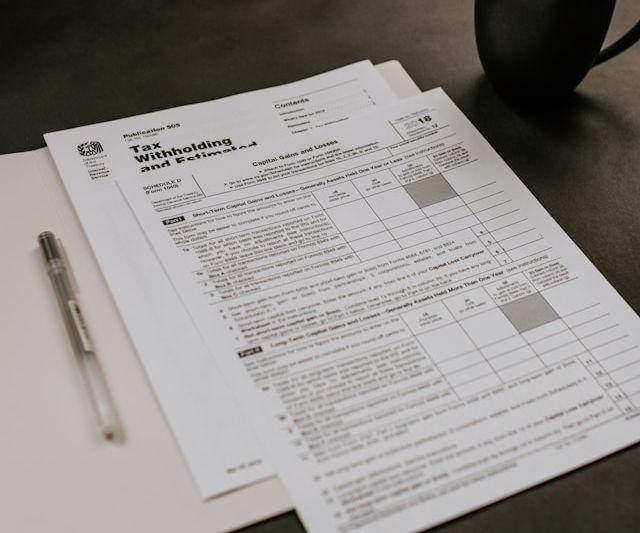
Of course, the Child Tax Credit is not automatic in the sense that families must meet eligibility requirements, and the exact rules can change depending on legislation and the tax year. The child’s age, relationship, residency, and identification requirements matter. Income levels can affect whether the credit phases down for higher earners. Refundability rules can determine how much a family receives if their tax liability is low. The key point is not to memorize every detail in the abstract. The key point is to understand that the credit is significant enough to plan around, and significant enough that families should make sure they are not missing it due to filing mistakes or incomplete documentation.
There is also an emotional side to this that deserves attention. Money stress hits parents differently because the stakes feel higher. Adults can tell themselves they will live with less for a while. It is harder to say the same when a child needs something. That pressure can create guilt from both directions. Parents feel guilty spending too much, and guilty not spending enough. A child-related credit helps reduce that tension by making the budget a little less fragile. It does not eliminate tradeoffs, but it can shift the household from constant emergency mode toward something more stable.
If you have ever watched a family build savings, you know the real challenge is not motivation. It is consistency. Families can do the right things and still get knocked off track by a single disruption. A week of illness can mean missed work or extra costs. A sudden childcare change can force a parent to rearrange their job schedule. A car breakdown can jeopardize a commute. These are normal events in family life, yet they carry outsized financial consequences. The Child Tax Credit is important because it can help families recover from normal disruptions without turning them into long-term financial damage.
This is also why many financial planners encourage families to treat the credit with intention. If it increases your refund, decide in advance what you want that money to accomplish. Not in a restrictive way, but in a purposeful way. If your household carries high-interest debt, using part of the credit to reduce that balance can free up monthly cash flow for the rest of the year. If your emergency fund is thin, using the credit to build even a small buffer can reduce stress and prevent future borrowing. If you know certain costs are coming, like annual premiums or school fees, setting aside money for them can make your monthly budget feel less like a constant surprise. The credit becomes more powerful when it is tied to a clear job in your financial plan.
For families across the income spectrum, the Child Tax Credit can play different roles. For lower-income working families, the refundable component can be crucial, offering support that helps cover essentials and reduce hardship. For middle-income families, it can function as a stabilizer, preventing the slow drift where rising child-related expenses quietly erode savings and long-term goals. For higher-income families who still qualify, it can protect investable capacity, helping parents maintain retirement contributions and financial resilience even in expensive regions. The common thread is that the credit supports household stability, and stability is what allows families to plan beyond the next bill.
In the end, the importance of the Child Tax Credit is not only what it represents on a tax form. It is what it makes possible in daily life. It can mean fewer months of juggling, fewer panic decisions, and more moments where a family can respond to life with choices instead of desperation. Raising children is one of the most significant responsibilities a household takes on. A tax credit that recognizes and supports that responsibility is not a small policy detail. For many families, it is part of the difference between getting by and being able to build a secure future while they raise the next generation.
 WhatsApp
 Instagram
 Threads
-1.jpg&w=3840&q=75)





.jpg&w=3840&q=75)