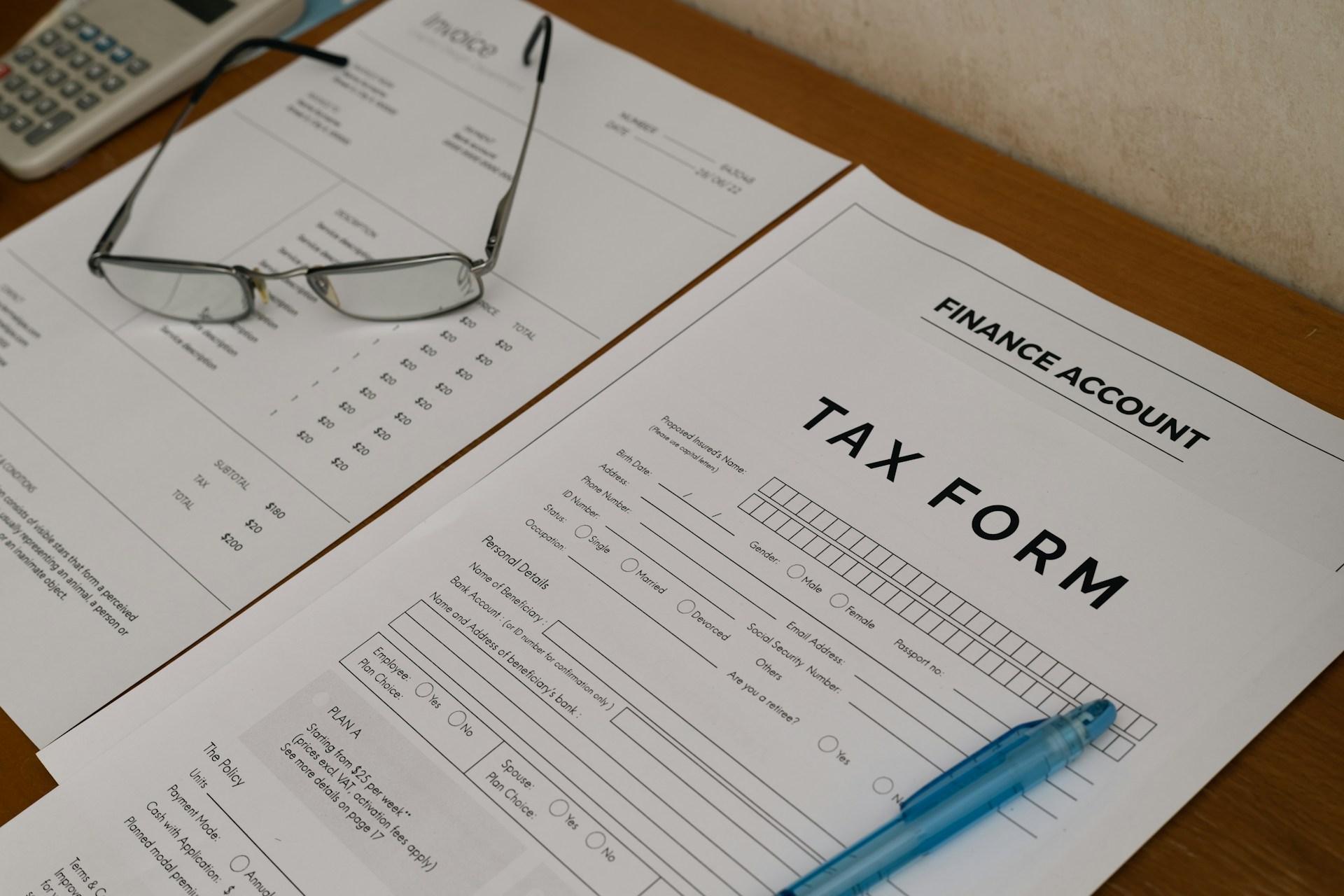
Singapore’s relatively low tax system did not happen by accident, and it is not simply a political slogan about keeping taxes down. It reflects a deliberate way of running a small, open economy that depends heavily on global trade, cross border investment, and the movement of skilled talent. Because Singapore cannot rely on a large domestic market or natural resources to drive growth, it has long treated competitiveness as essential. Tax policy becomes one tool to keep the country attractive as a place to build companies, create high value jobs, and base regional operations. Lower headline tax rates signal that Singapore wants to be a stable and efficient hub, and this helps support the broader strategy of staying connected to global business networks.
A key feature of this approach is the way Singapore keeps direct taxes relatively moderate, especially compared with many developed countries. Corporate tax is set at a flat rate, which makes the system easier for businesses to understand and plan around. Predictability matters for investment decisions, and a simple structure can reduce compliance friction. For individuals, the personal income tax system is progressive, but the top rate is still designed to stay competitive. This balance aims to protect incentives to work and invest while still collecting more from those with greater ability to pay. In an economy that competes with other financial and business centres, Singapore is careful about pushing these rates too high because it could encourage capital or talent to relocate.
Singapore can keep direct tax rates lower partly because it uses a broader mix of revenue sources. One of the most important is the Goods and Services Tax, a consumption tax applied widely across the economy. A broad based consumption tax tends to be stable because it is linked to spending patterns rather than relying only on income growth. While it is more visible to households, it helps the government raise significant revenue without having to increase income tax rates sharply for most residents. In practice, this allows Singapore to keep the personal income tax burden relatively modest for many middle income earners, while still maintaining strong overall revenue collection.
Another major reason Singapore can sustain a low tax position is that the government does not rely on taxes alone to fund public spending. Singapore has built up substantial national reserves over decades, and investment returns from these reserves contribute to the national budget through a structured framework. This provides an additional revenue pillar that many countries do not have at meaningful scale. When a government can draw on investment income in a disciplined way, it can reduce pressure to raise taxes, especially during periods of higher spending needs. This does not eliminate the need for taxes, but it helps Singapore maintain a fiscal model where tax revenue is not the only engine supporting public finances.
Singapore’s tax story also connects closely to its broader approach to public services and social support. In countries with very high tax systems, government spending often includes large universal welfare commitments funded by payroll taxes and steep income taxes. Singapore’s model is different. It emphasizes personal responsibility supported by targeted state help, and it relies heavily on compulsory savings through the Central Provident Fund. CPF is not a tax, but it plays a similar role in the sense that it channels a portion of income into retirement, housing, and healthcare needs. By requiring individuals to build savings over time, Singapore reduces the need for the government to fund equivalent benefits entirely through taxation. This helps keep income tax rates lower than they might otherwise need to be if the state had to finance all of these needs directly.
Administrative efficiency is another factor that supports Singapore’s relatively low rates. A tax system that is clear and straightforward is generally easier to comply with, which improves collection and reduces leakage. When compliance is high and enforcement is consistent, governments can often collect sufficient revenue without pushing rates dramatically higher. Singapore’s focus on stable rules, strong administration, and clear guidelines helps create confidence in the system for both residents and businesses. This complements the country’s broader reputation for governance and predictability, and it strengthens the effectiveness of a low tax model.
It is also important to understand what a low tax system does not mean. Singapore is not a zero tax society, and many costs that people associate with government revenue appear in other forms. Consumption tax affects daily spending, property related taxes and duties can be significant, and certain policy choices create high costs in areas like car ownership through non tax mechanisms. At the household level, the experience of affordability depends on wages, housing choices, family structure, and lifestyle, not only on income tax rates. In other words, Singapore’s system is not so much about collecting less, but about collecting differently, using a combination of broad based taxes, compulsory savings, and fees tied to specific services and economic activities.
Ultimately, Singapore’s relatively low tax system works because it is embedded in a wider economic and fiscal strategy. The country keeps direct taxes competitive to attract investment and talent, raises steady revenue through consumption taxation and other domestic channels, relies on investment returns from reserves to support long term sustainability, and structures social support around compulsory savings and targeted assistance rather than large universal entitlements. This mix allows Singapore to maintain a reputation for low taxes while still funding public services and infrastructure. For individuals and businesses, understanding this design helps explain why Singapore can keep rates relatively moderate, and why policy changes often show up through adjustments in consumption tax, savings mechanisms, and targeted support instead of dramatic income tax hikes.
 WhatsApp
 Instagram
 Threads
.jpg&w=3840&q=75)

.jpg&w=3840&q=75)