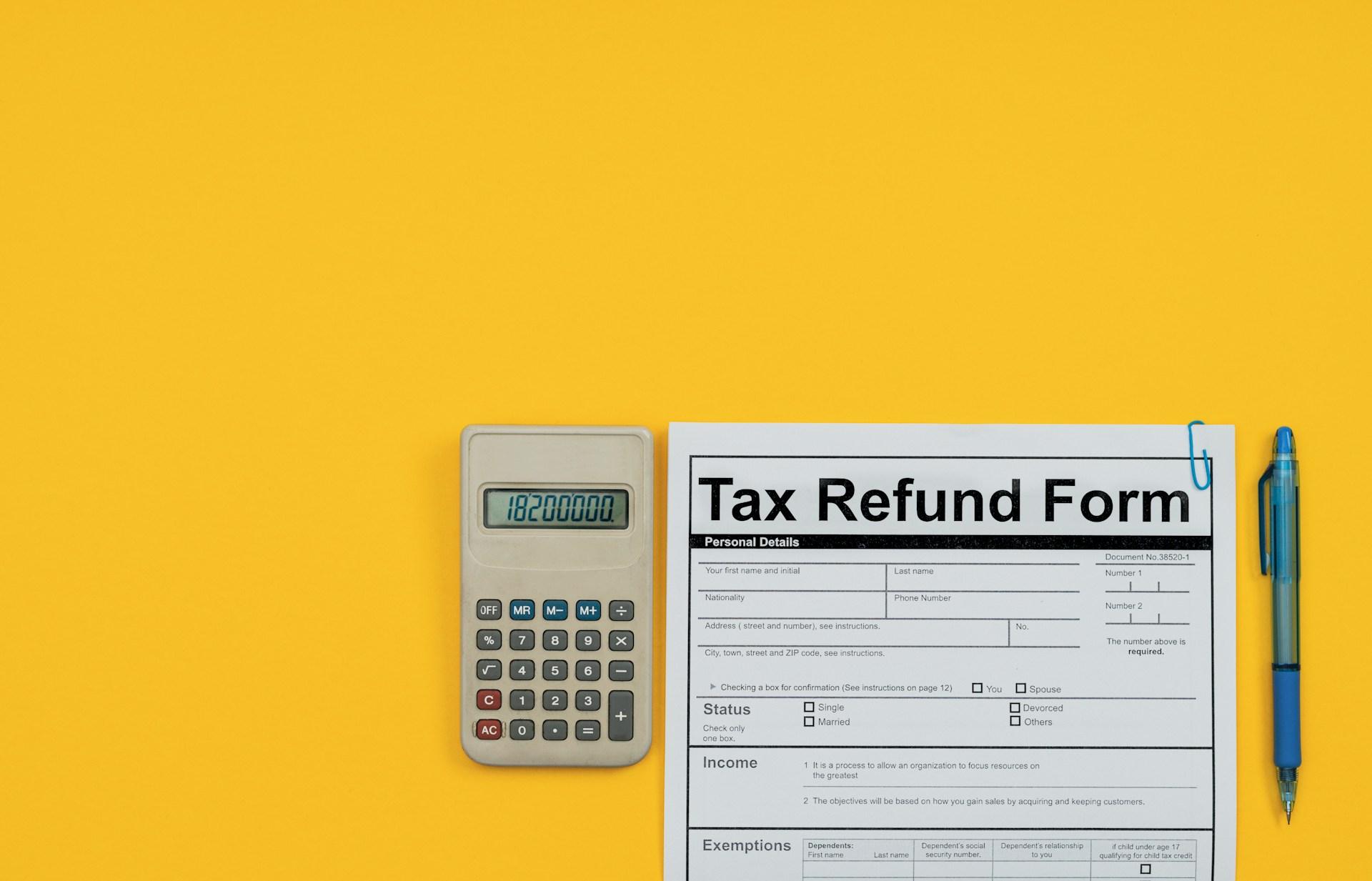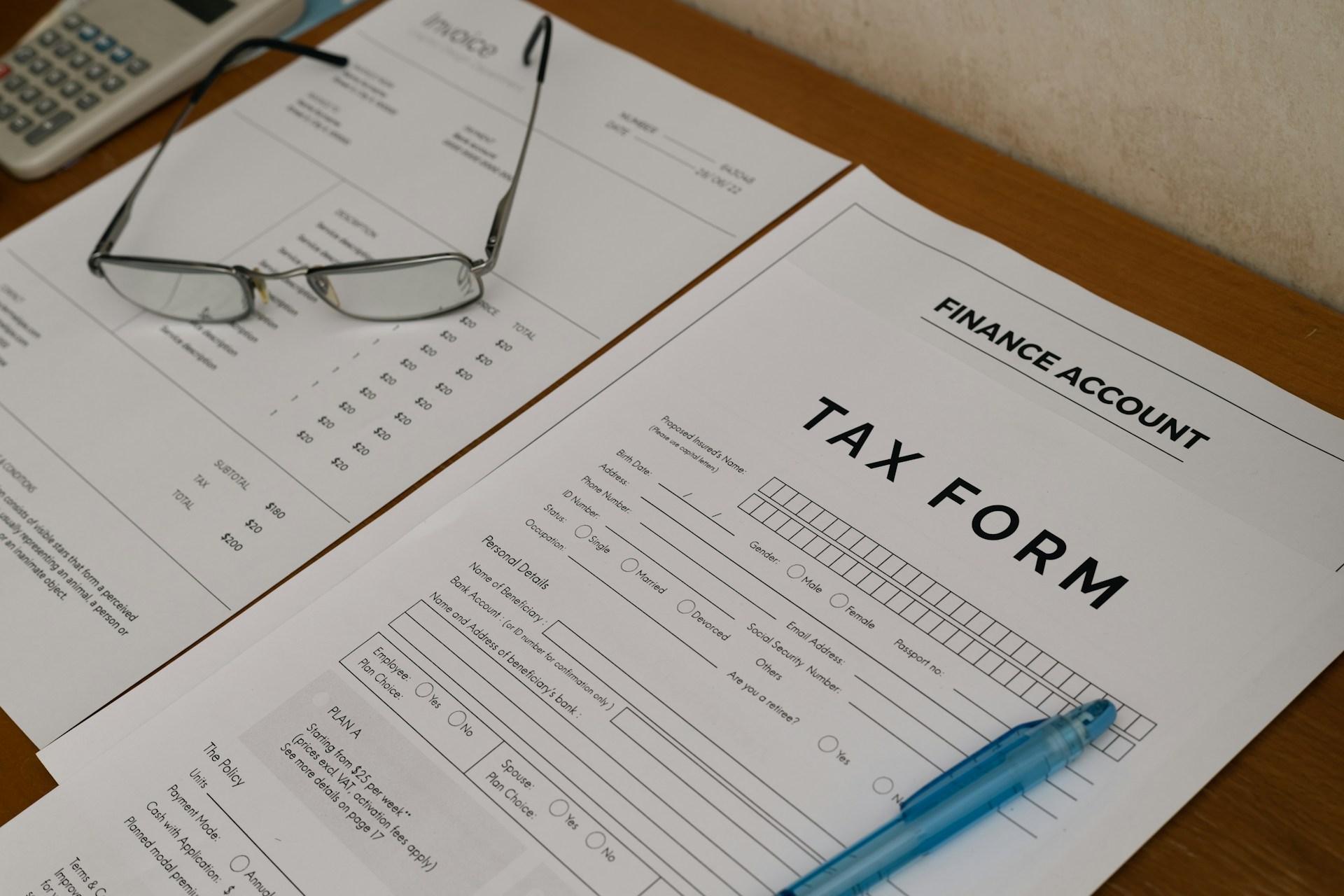
Not filing taxes in Malaysia rarely feels like a dramatic decision in the moment. It usually starts quietly, with a deadline that slips by because work is busy, documents are scattered, or the process feels confusing. Some people assume that if they are salaried and their employer already deducts monthly tax, filing is optional. Others tell themselves they will sort it out next year when life is calmer. The problem is that Malaysia’s tax system does not pause just because you do. When you do not submit a return, the system still has a framework for what happens next, and those consequences tend to grow heavier the longer the issue is left unattended.
The first consequence is simple but often ignored: failing to file is not merely a “late admin task.” It is an offence under the law when a person who is required to submit a return does not furnish it without a reasonable excuse. That legal framing matters because it sets the tone for everything that follows. It explains why reminders can turn into notices, why penalties are not negotiable in the way a bank fee sometimes is, and why the tax authority has strong enforcement tools when compliance does not happen voluntarily. Many people assume the worst outcome is a small fine. In reality, the system is designed to escalate from reminders to penalties, and in serious situations, to prosecution. Even if most cases never reach the courtroom, the possibility exists, and it is part of why ignoring the issue is risky.
Money is usually where people feel the consequences first. When tax matters are delayed, extra charges can appear in the form of penalties, and those penalties can pile on top of any tax that remains unpaid. For someone who is already stretched by rent, family commitments, or business cash flow, the added cost can feel like punishment for being disorganized. But it is better understood as a compounding bill. The longer the return stays unfiled or the amount stays unpaid, the more expensive it becomes to settle, and the harder it feels to face the problem. This emotional loop is what traps people. They avoid filing because it feels stressful, then penalties grow, and it feels even more stressful, so they avoid it again. That is how a manageable task turns into a financial and mental burden.
A missed tax deadline can also trigger a consequence that many first time non-filers do not anticipate: the authority may move forward without your input. If you do not file, it does not always mean the system remains blank. The tax authority can raise an assessment based on the information available and its judgment of what you should owe. This is sometimes described as a best judgment assessment, and the name explains the problem. Once an amount is assessed, you are no longer in the comfortable position of calmly stating your income and claiming the reliefs and deductions you are entitled to. You are now reacting to a number that has already been issued, and you have to fight your way back to what is accurate. Even if you believe you can prove the correct amount, you are working uphill. The administrative tone changes from cooperative filing to corrective dispute.
That shift has real consequences. When you file on time, you control the narrative with your documents, your claims, and your explanations. When you do not file and an assessment is raised, you are often forced into a rushed process of gathering evidence, searching for records, and meeting deadlines for appeals or responses. If you have missing receipts or incomplete statements, your ability to correct the assessment weakens. It is not that the truth disappears, but your ability to demonstrate it gets harder. This is why non-filing is not just a late submission problem. It can become a loss of leverage problem, where the cost is not only money but also your ability to negotiate your actual tax position.
Another overlooked consequence is that not filing can mean losing out on legitimate tax benefits. Malaysian tax filing is not only about declaring income. It is also the mechanism that allows taxpayers to claim personal reliefs, deductions, and rebates they qualify for. These are not magically applied for you in the best possible way if you stay silent. If you do not file, you may end up paying more than you should have, or you may delay getting back money you would otherwise receive. For a salaried worker whose monthly tax deduction was higher than necessary, filing is often the step that corrects the imbalance. Skipping it can mean leaving your own money behind, not because you were ineligible, but because you did not complete the process that unlocks the relief.
The consequences can extend beyond your bank account. When tax issues remain unresolved, they can affect your sense of stability. Many people only realize the seriousness when a formal letter arrives, or when they need to prove their tax compliance for a loan application, a business matter, or another administrative requirement. Tax compliance often sits quietly in the background until you need it, then it suddenly becomes visible. It can also become a distraction that follows you. The mental load of knowing there is unfinished tax exposure can affect how you make other financial decisions. You might hesitate to invest, hesitate to expand a business, or avoid applying for credit because you are worried something will surface. The cost here is not a fee, but a reduction in confidence and momentum.
For frequent travelers, there is another category of risk that people do not like to think about. Tax authorities have enforcement mechanisms that can become relevant when taxes remain unpaid, and there are offences related to attempting to leave the country without settling tax liabilities. Most people will never experience this, but the fact that it exists should change how you view non-filing and non-payment. It is not comparable to missing a parking ticket. It is treated as a serious matter under a framework designed to protect government revenue and discourage avoidance. If your career or family life depends on mobility, the safest approach is not to gamble on being overlooked.
It is also important to separate the idea of being late from the idea of being dishonest. Many people who do not file are not trying to evade tax. They are simply overwhelmed, confused, or disorganized. That distinction matters because the most severe consequences tend to be reserved for cases involving willful evasion, deliberate omission of income, or intentional non-compliance. Still, there is a danger in letting a late situation drag on for too long, because what began as a delay can start to look like intentional avoidance if it remains unresolved. The longer the silence, the harder it becomes to explain it as a simple mistake. Even if your intentions are clean, time can make your situation appear worse than it is.
For business owners and self-employed individuals, the risks are often amplified. Income can be irregular, records may be more complex, and tax planning involves choices about expenses, allowances, and supporting documentation. When filing is delayed, the business may lose the chance to present a clear picture of income and expenses for the year. If an assessment is raised without your full records, it may not reflect the reality of your business operations. Then the business faces a double strain: paying more than expected and spending time on corrective administrative work. That time cost can be brutal for entrepreneurs, because time spent dealing with tax disputes is time not spent serving customers or building revenue.
For salaried employees, the consequences can still sting, even if the monthly tax deduction system makes them feel protected. Monthly Tax Deduction, often called PCB, is designed to collect tax through the year, but it is not always perfectly aligned with your final tax position. Your reliefs might change, your income may include bonuses, and your eligibility for certain deductions may vary. Filing is the reconciliation step. If you do not file, you may not correct over-deductions or under-deductions. You also risk being non-compliant if your circumstances require filing even when the tax seems “already handled.” The danger is assuming that payroll deductions are a substitute for filing, when in many cases they are simply a component of the overall tax system.
What makes the consequences feel harsh is that they are not always immediate. Some people skip filing and nothing happens for months. That delay can create false confidence. It can feel like proof that filing does not matter. But in reality, the system often catches up later, and when it does, the catch-up can be more stressful because it arrives when you least expect it. An unexpected notice or assessment can derail your budget for the month. A penalty you did not plan for can force you to dip into savings. A sudden administrative deadline can disrupt work schedules. This is why non-filing is risky even for people who believe they will deal with it eventually. The timing of consequences is unpredictable, and unpredictability is the enemy of good personal finance.
There is also the personal dignity factor. People do not talk about it much, but tax trouble can feel embarrassing. It can make someone feel irresponsible or behind, even when the reason was simply confusion. That embarrassment can stop them from asking for help, which makes the problem bigger. A healthier way to think about it is this: tax filing is an annual administrative responsibility, like renewing a license or updating records. It is not a measure of your worth. The goal is to fix the situation early, while it is still small, and to build a routine that prevents it from happening again.
If you have already missed a filing deadline, the most financially sensible mindset is to treat it as a clean-up job, not a moral failing. Filing late is generally better than not filing at all, because it shows an attempt to comply and it helps you regain control over the numbers. It allows you to present accurate information instead of leaving space for estimates. It also reduces the chance that the problem grows into an assessment you must fight. The key is to move from avoidance to action. Gather your EA form or income documents, compile relevant relief receipts, and submit the return. If the situation involves multiple years, missing records, or complex income, it may be wise to consult a licensed tax agent rather than guessing. Paying for professional help can be cheaper than paying for compounded penalties and wasting time on incorrect submissions.
Ultimately, the consequences of not filing taxes in Malaysia fall into a few real-life categories: legal exposure, financial penalties, administrative escalation, and lost financial opportunities. The legal exposure exists because non-filing is an offence. The financial penalties exist because late payment and non-compliance are designed to carry costs. Administrative escalation exists because the system can assess you even without your return, and then you must respond under pressure. Lost opportunities exist because filing is how you claim reliefs and correct your final tax position. None of these outcomes are inevitable if you act early. But all of them become more likely if you stay silent.
Personal finance is about protecting your future options. Filing your taxes is not glamorous, and it does not feel like wealth-building in the way investing does. But it is one of those foundational habits that keeps the rest of your financial life stable. When taxes are in order, you can plan better, apply for credit with more confidence, and focus on goals that matter. When taxes are ignored, the system has a way of inserting itself into your life at the worst moment, with extra cost attached. The smartest play is not to wait for that moment. The smartest play is to file, settle what needs to be settled, and move on with your financial life with one less risk hanging over your head.
 WhatsApp
 Instagram
 Threads
.jpg&w=3840&q=75)