Digital banking is often advertised as a modern convenience, a quicker way to pay bills, transfer money, or check balances without stepping into a branch. Yet its deeper value shows up most clearly when you look at the people who have historically been left out of traditional finance. For them, digital banking is not a lifestyle upgrade. It can be the first realistic path into the formal economy, offering safer ways to store money, more reliable ways to receive income, and fairer opportunities to build stability over time. This is why digital banking has become such a powerful force for financial inclusion, not because it makes banking prettier, but because it makes basic financial access possible for people who were previously excluded by cost, distance, paperwork, and rigid systems.
Financial inclusion simply means that individuals and communities can use essential financial services in a practical, affordable, and safe way. It is about being able to open an account, make payments, save securely, access credit responsibly, and protect yourself against common financial shocks. When people are locked out of these services, they are pushed into a cash-only reality. Cash might feel straightforward, but it comes with hidden penalties that compound over time. Cash is easy to lose, easy to steal, and difficult to manage if your income is irregular. Cash makes it harder to prove you have steady earnings, which then makes it harder to qualify for housing, education financing, or business funding. Cash also forces people into informal channels for borrowing and money transfers, where fees can be high and consumer protections are often weak.
Traditional banking systems have not always been built with inclusion in mind. In many regions, branches are concentrated in city centers, operating hours assume customers have flexible schedules, and account requirements assume people have stable addresses, formal employment, and time to manage paperwork. Minimum balances and monthly fees can punish customers who already have little to spare. Even when services exist, the process of getting access can be intimidating or frustrating. A person working multiple jobs or running a small stall cannot easily take half a day off to sit in a queue, present documents, and wait for approvals. If they are rejected, they may not even be told clearly why. Over time, people adapt by relying on cash, community lending, and informal networks, not because these options are ideal, but because they are accessible.
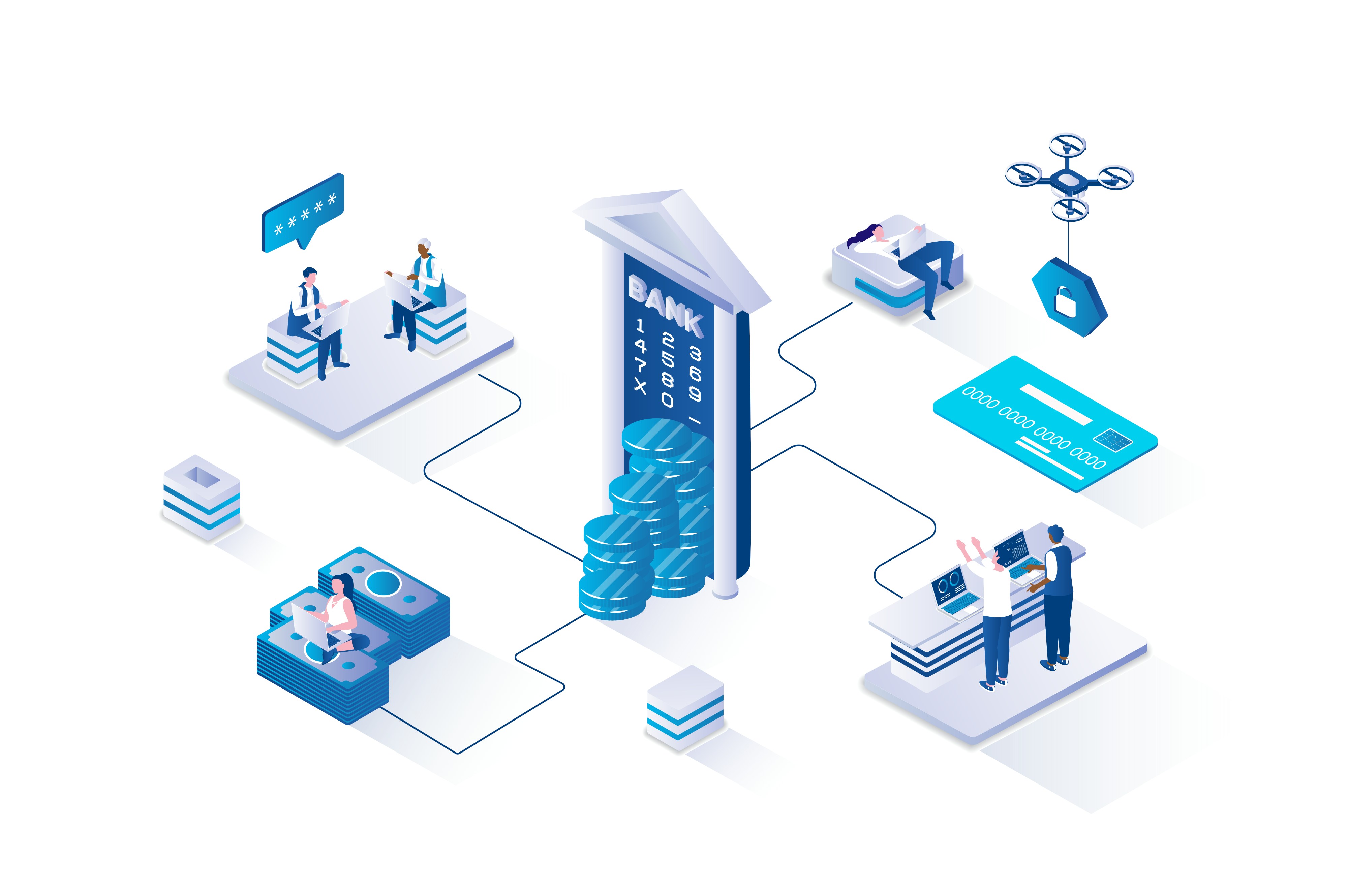
Digital banking changes the equation by shifting access from physical locations to digital channels that people can reach more easily. With a phone and basic connectivity, customers can open accounts, check balances, send transfers, receive funds, and pay for goods and services without needing to travel to a branch. This matters for rural communities where the nearest bank might be hours away, for migrants who may not have fixed addresses, and for workers who cannot afford to lose income by spending long periods on administrative tasks. Digital banking reduces friction at the entry point, and for financial inclusion, the entry point is everything. If someone can start with a simple account and learn through use, they have a chance to build capability gradually rather than being blocked at the gate.
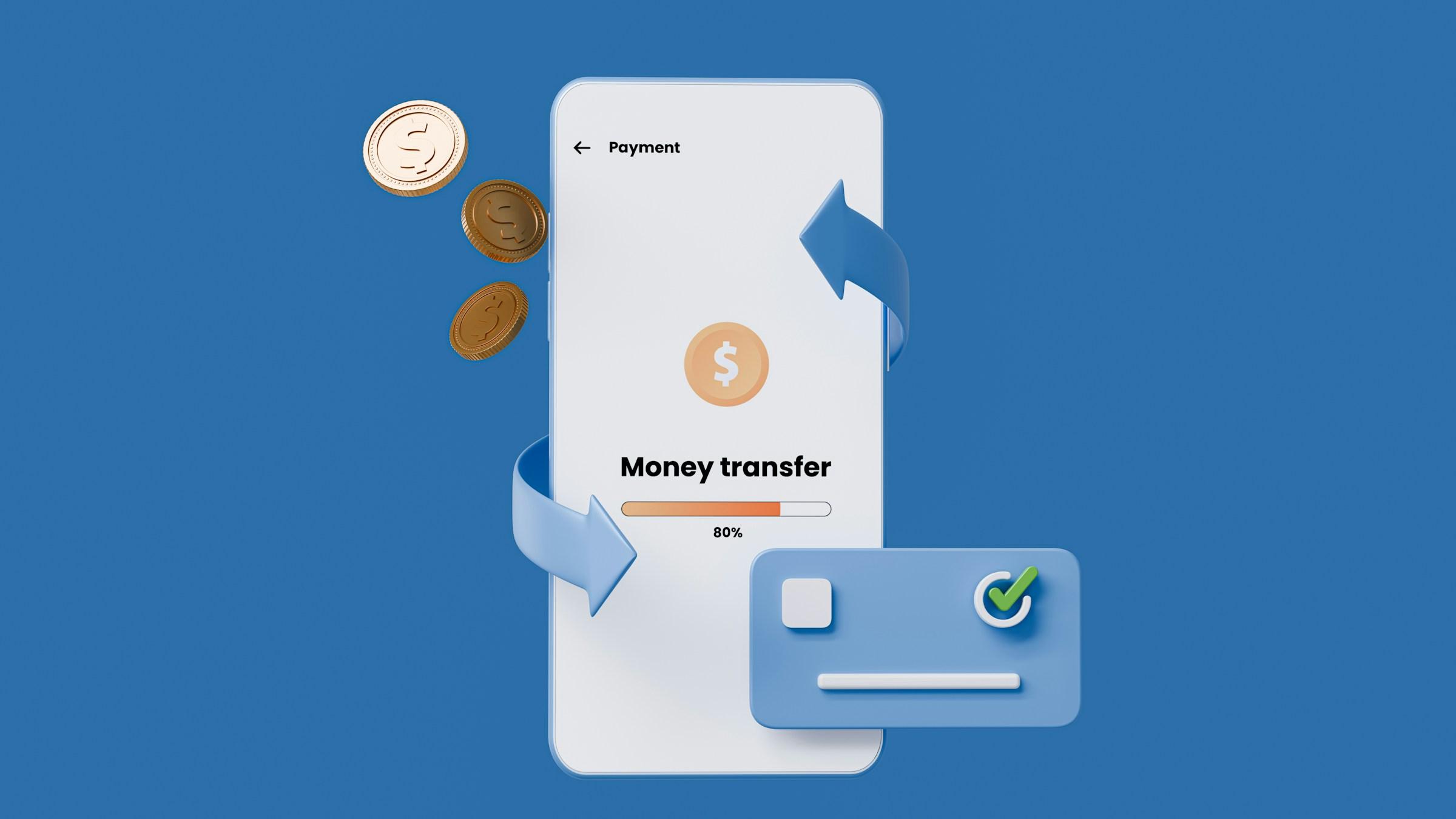
Payments are often the first and most important benefit. Many people do not initially need a complex financial product. They need a reliable way to receive money and send money without losing a large portion to fees or delays. Digital banking makes it easier to receive wages, remittances, benefits, and customer payments directly into an account rather than in cash. This can reduce theft and loss, and it can also make households less fragile. When income arrives in an account, families can plan around it more confidently. They can separate spending and saving more clearly. They can pay bills without carrying cash across town. They can respond faster to emergencies. For small merchants, digital payments can expand the customer base, because buyers are not limited by how much cash they have in their pockets at the moment.
Saving is another major reason digital banking supports inclusion. People who are excluded from banks still try to save, but their saving methods are often risky. Keeping cash at home can invite theft or pressure from others who know the money is there. Saving with relatives may come with obligations or misunderstandings. Informal savings groups can work well, but they can also collapse when members face hardship or when trust breaks down. Digital accounts offer a safer place to store money and, just as importantly, a structure that can make saving easier. When customers can set aside small amounts, create separate categories for goals, and automate transfers after payday, saving becomes less dependent on constant self-control. Even modest savings can reduce vulnerability, because a small buffer helps a household avoid high-cost borrowing when a car repair, medical bill, or temporary income gap appears.
Beyond payments and savings, digital banking can help people build a financial identity. In modern finance, access is often tied to data. Banks and lenders do not only want to know who you are. They want to know how you manage money. In cash-based lives, even responsible people can be invisible to the system. Digital banking creates transaction records that can demonstrate income patterns, spending behavior, and repayment habits. This record can become a bridge toward broader services, including insurance, credit, and business financing. In the best versions of inclusion, digital tools translate everyday financial activity into proof that someone is active, capable, and creditworthy.
Credit is where digital banking can offer real opportunity, especially for people with irregular incomes or limited collateral. Small loans can help a worker smooth cash flow between pay cycles, cover a necessary expense, or invest in a microbusiness. A food vendor might use credit to buy ingredients in bulk at a lower price. A ride-hailing driver might need funds for maintenance that keeps their livelihood running. Traditional banks often view these borrowers as too small or too hard to serve. Digital platforms can reduce the cost of underwriting and servicing small loans, making microcredit more feasible. However, this is also where the risks become serious. Easy access to credit can turn into cycles of expensive debt if products are priced unfairly, if terms are unclear, or if collections practices are aggressive. Financial inclusion should not mean simply giving more people the ability to borrow. It should mean giving them the ability to borrow responsibly and sustainably, with transparent pricing and protections that prevent exploitation.
Digital banking also contributes to inclusion by lowering the cost of serving customers who hold small balances. Legacy banks often struggle to profit from low-income customers because their cost structures are heavy. Physical branches, large staffing needs, and manual processes raise the minimum level of account profitability. Digital-first systems can reduce onboarding costs and customer service costs, which makes it more realistic to offer low-fee accounts with lower minimum balances. This matters because inclusion cannot rely only on policy statements and good intentions. It needs sustainable business models that can scale. When serving a low-balance customer becomes economically viable, providers have a real incentive to reach the people previously ignored.
Safety and dignity are also central to the importance of digital banking. Being unbanked is not just inconvenient. It can expose people to danger and stress. Carrying cash can increase the risk of theft. Keeping money in insecure places can lead to loss. Relying on informal channels can expose users to scams. For some individuals, especially women and younger workers, having access to a private account can increase financial autonomy. It can allow them to save without interference and make decisions with more independence. Inclusion is not only about the ability to transact. It is also about the ability to control your money in a way that supports your well-being.
Still, digital banking does not automatically create inclusion just because an app exists. The design choices determine who truly benefits. If digital services require expensive smartphones, constant data access, or advanced digital literacy, many people will still be excluded. If identity checks are rigid and do not reflect local realities, onboarding will fail for those who need access most. If fees are hidden or unpredictable, digital banking can become another way that low-income users pay more to do basic financial tasks. Trust is fragile, especially for first-time users. If someone’s first experience involves a technical glitch that locks them out of their account, an unexplained account freeze, or poor customer support, they may conclude that digital finance is unreliable and return to cash. Inclusion often depends on a smooth and respectful first experience.
This is why supporting infrastructure matters. Many communities are still cash-heavy, so people need ways to convert cash into digital value and back again. Agent networks, ATMs, partner merchants, and cash-in cash-out points help digital banking connect to daily life. Interoperability also matters. If one wallet cannot easily send money to another, people can become trapped in fragmented systems, which limits the usefulness of digital money. When digital banking works across platforms and integrates with broader payment systems, it becomes more like public infrastructure and less like a private island.
Digital banking can also strengthen communities and economies by making financial flows more efficient and visible. Governments can distribute benefits and emergency aid more quickly when people have accessible accounts. Employers can pay workers with less risk and fewer delays. Small businesses can keep better records, which can help them manage cash flow and eventually qualify for financing. Over time, broader participation in the formal financial system can reduce the inequality created by what is sometimes called the poverty premium, the extra cost people pay simply because they lack access to efficient financial tools.
At its best, digital banking supports financial inclusion by creating a practical ladder. People begin with payments because that is immediate and useful. Payments create records. Records support saving, because money becomes easier to separate and manage. Saving reduces vulnerability and lowers the need for high-cost borrowing. With consistent use, people can access credit on better terms, build resilience, and invest in opportunities that improve income. This ladder is not guaranteed, but it is possible, and digital tools are uniquely positioned to make it scalable.
Ultimately, the importance of digital banking for financial inclusion is that it expands the boundaries of who can participate in modern financial life. It offers access where branches are scarce, reduces costs that once made low-income customers unprofitable, and provides pathways to safer money management for people who have long been forced to rely on cash and informal systems. It can help households become less fragile, help workers and small businesses operate more efficiently, and help communities build stronger financial foundations. The promise is real, but it requires responsibility. Inclusion succeeds when digital banking is transparent, fair, secure, and designed around the realities of the people it aims to serve. When those conditions are met, digital banking becomes more than technology. It becomes a practical tool that helps people move from exclusion toward stability, control, and opportunity.
 WhatsApp
 Instagram
 Threads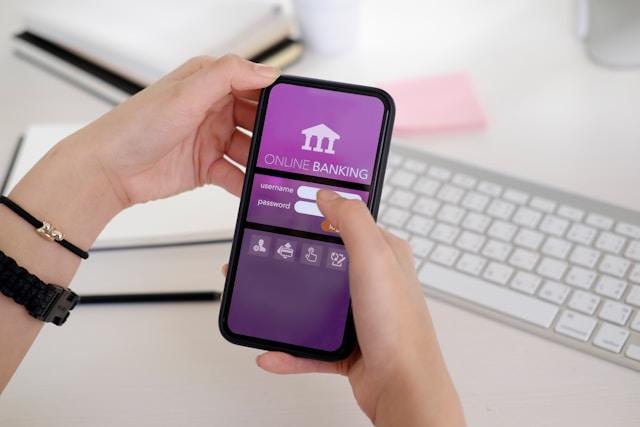








.jpg&w=3840&q=75)