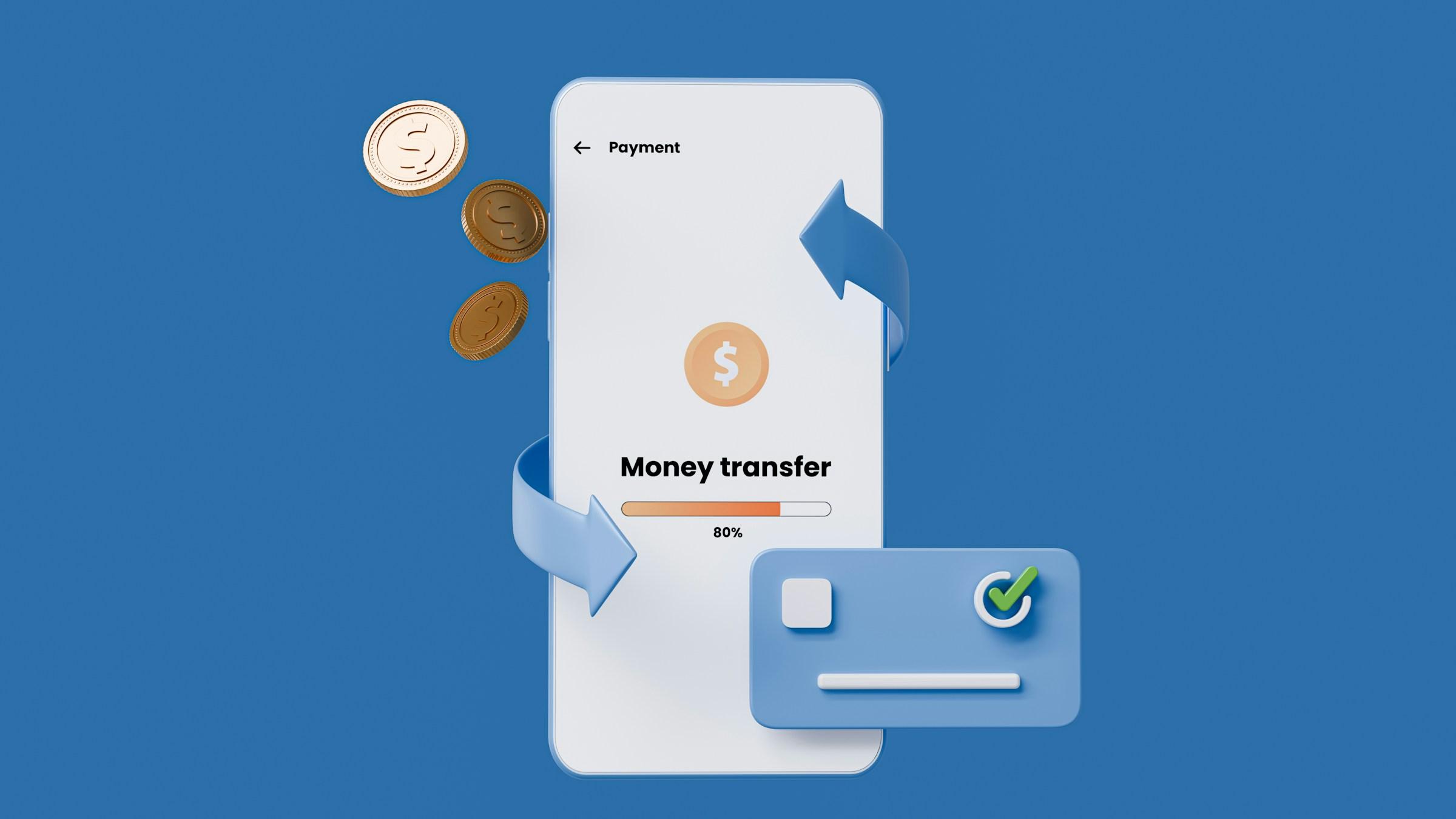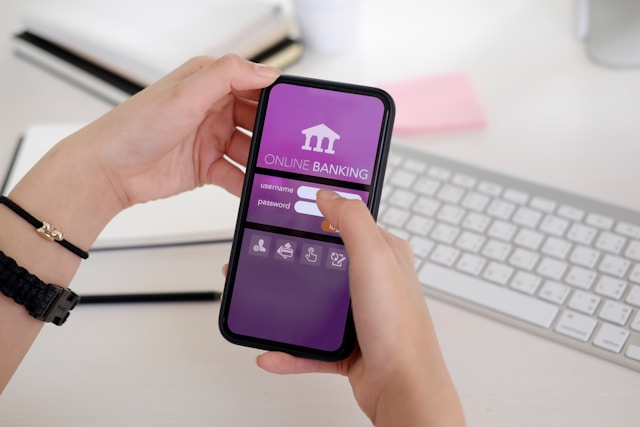
Digital banking has become one of the most practical shifts in personal finance because it changes how people interact with money on an everyday basis. Rather than treating banking as something you do occasionally in a branch or during office hours, digital banking turns it into an always-available service that fits the pace of modern life. The biggest advantages are not only about having an app, but about how that app reduces friction, improves visibility, and gives people more control over their financial decisions.
One of the clearest benefits of digital banking is that it removes many of the time and location limits that traditional banking still carries. Tasks that once required a trip to a branch, a long wait, or paperwork can usually be done within minutes from a phone or computer. Opening an account, verifying identity, transferring funds, setting up bill payments, updating personal details, and downloading statements can happen wherever you are, as long as you have internet access. This convenience matters most for people who work irregular hours, travel frequently, or balance multiple responsibilities, because it reduces the time cost of managing money and makes it easier to stay organized.
Speed is another major advantage. Digital banks are often built around smoother systems for transfers and payments, so customers experience fewer delays and fewer unclear steps. Even when banking networks still rely on older infrastructure in the background, digital platforms tend to simplify the experience by providing faster confirmations, clearer transaction statuses, and better communication through notifications. In places where real-time transfer systems exist, digital banks often integrate them effectively, making everyday money movement feel more immediate and less dependent on slow processing cycles.
Digital banking can also reduce costs, which is part of why it has gained popularity. Digital-first banks usually operate with lower overhead because they do not rely on extensive branch networks and manual processing. Those savings may show up in the form of lower account fees, fewer penalty charges, and more attractive rates on savings products. Some also offer better foreign exchange terms for international spending or transfers. While customers still need to pay attention to each provider’s fee schedule, the structure of digital banking often makes it easier to offer basic services at a lower cost.
Transparency is another advantage that changes how people manage their finances. Traditional banking can feel confusing because balances update slowly, transaction descriptions are unclear, and fees appear without warning. Digital banking tends to improve this by offering real-time alerts, early visibility into pending transactions, and cleaner transaction histories. Many digital platforms also allow customers to tag purchases, categorize spending, and search past activity easily. When finances become easier to read, it becomes easier to notice patterns, catch mistakes early, and avoid overspending without realizing it.
This increased visibility leads to one of the most meaningful benefits of digital banking: built-in tools that support better financial habits. Many digital banks include features such as budgeting insights, spending summaries, savings goals, and automated transfers into savings “pots” or sub-accounts. These tools are effective not because they are complicated, but because they encourage awareness. When someone can clearly see how much they spend on food delivery, subscriptions, transport, or impulse purchases, the feedback becomes immediate. Over time, that feedback loop supports more intentional decision-making, often without requiring complex planning.
Digital banking also offers stronger day-to-day control over money. Many platforms allow users to set spending limits, adjust transaction settings, create virtual cards for online purchases, and freeze or unfreeze cards instantly. This kind of control helps people reduce risk and protect themselves, especially if a card is lost or a suspicious transaction appears. While traditional banks also provide security, digital banking often puts more security tools directly into the customer’s hands, allowing for quicker action when something seems wrong.
In addition, digital banking often improves cross-border convenience. People who travel, shop internationally, send money abroad, or deal with multiple currencies may benefit from clearer foreign exchange rates, lower fees, and smoother international payments. Digital banks frequently compete on these features because international spending and transfers are common pain points in traditional banking. Over time, better cross-border tools can translate into noticeable savings and a more predictable experience when handling money across countries.
Digital banking can also expand access for people who have struggled to fit into traditional systems. Digital onboarding can simplify account opening and reduce barriers, especially for individuals who live far from branches or who need flexible services that match their working conditions. In many regions, digital banks and digital financial services help more people participate in the formal financial system by making basic services easier to reach and easier to use.
At the same time, it is important to recognize that the advantages of digital banking come with responsibilities. When finances are closely tied to a phone, device security becomes critical. Strong passwords, biometric login, cautious online habits, and awareness of scams matter more than ever. Digital banking often helps by providing instant alerts and quick controls, but users still need to take common-sense precautions. Digital banks may also be less convenient for customers who handle large amounts of cash or who need specialized financial services that some traditional institutions still provide more deeply.
Overall, the advantages of digital banking are best understood as a shift toward making money management simpler and more consistent. It reduces the effort required to stay informed, lowers friction in everyday transactions, and gives people tools that make good habits easier to maintain. Digital banking does not automatically solve every financial challenge, but it can provide a better system for managing day-to-day decisions. When money becomes easier to track, easier to move, and easier to control, people are more likely to build stability over time, not through dramatic changes, but through steady and repeatable financial behavior.
 WhatsApp
 Instagram
 Threads






.jpg&w=3840&q=75)