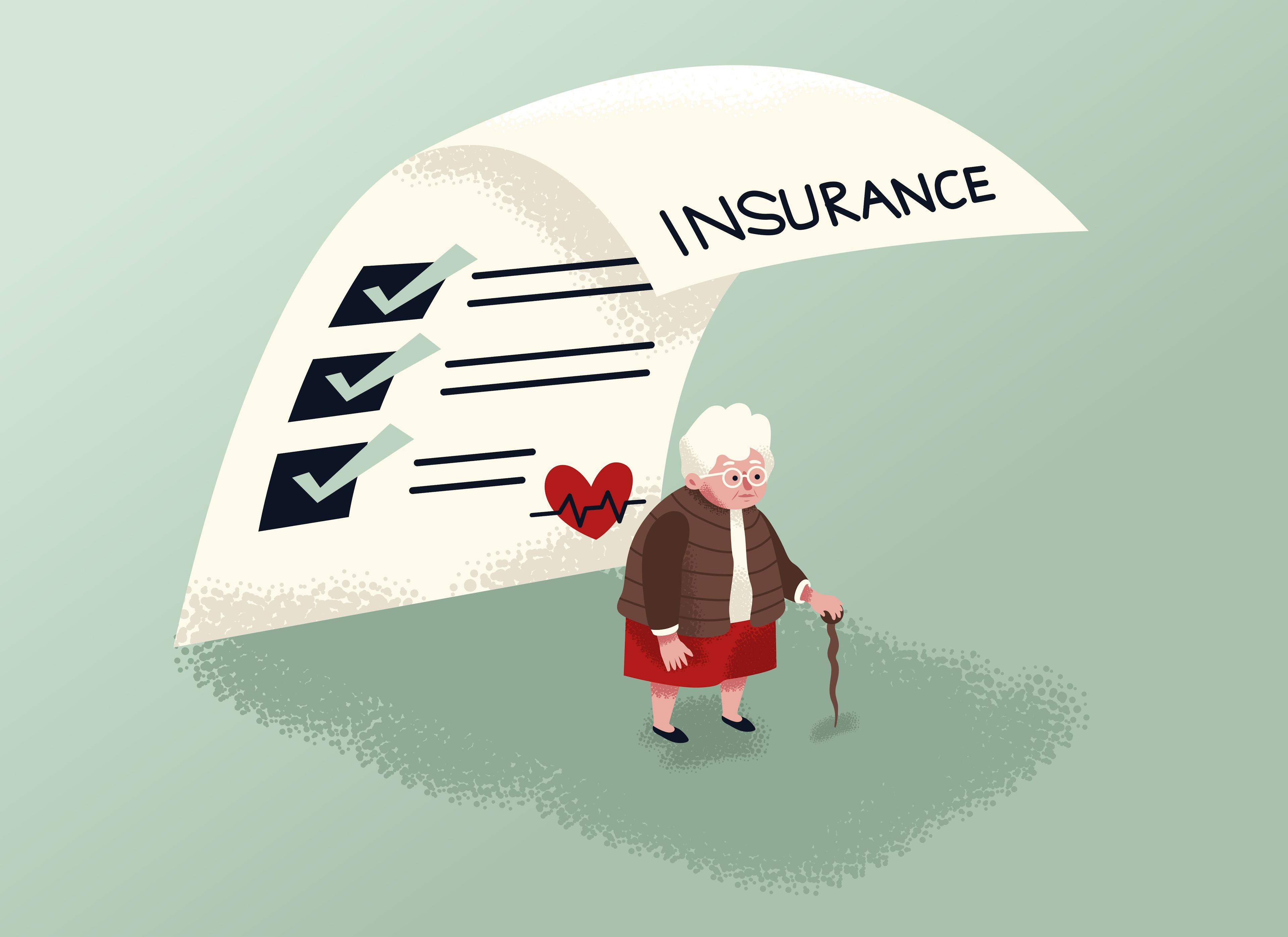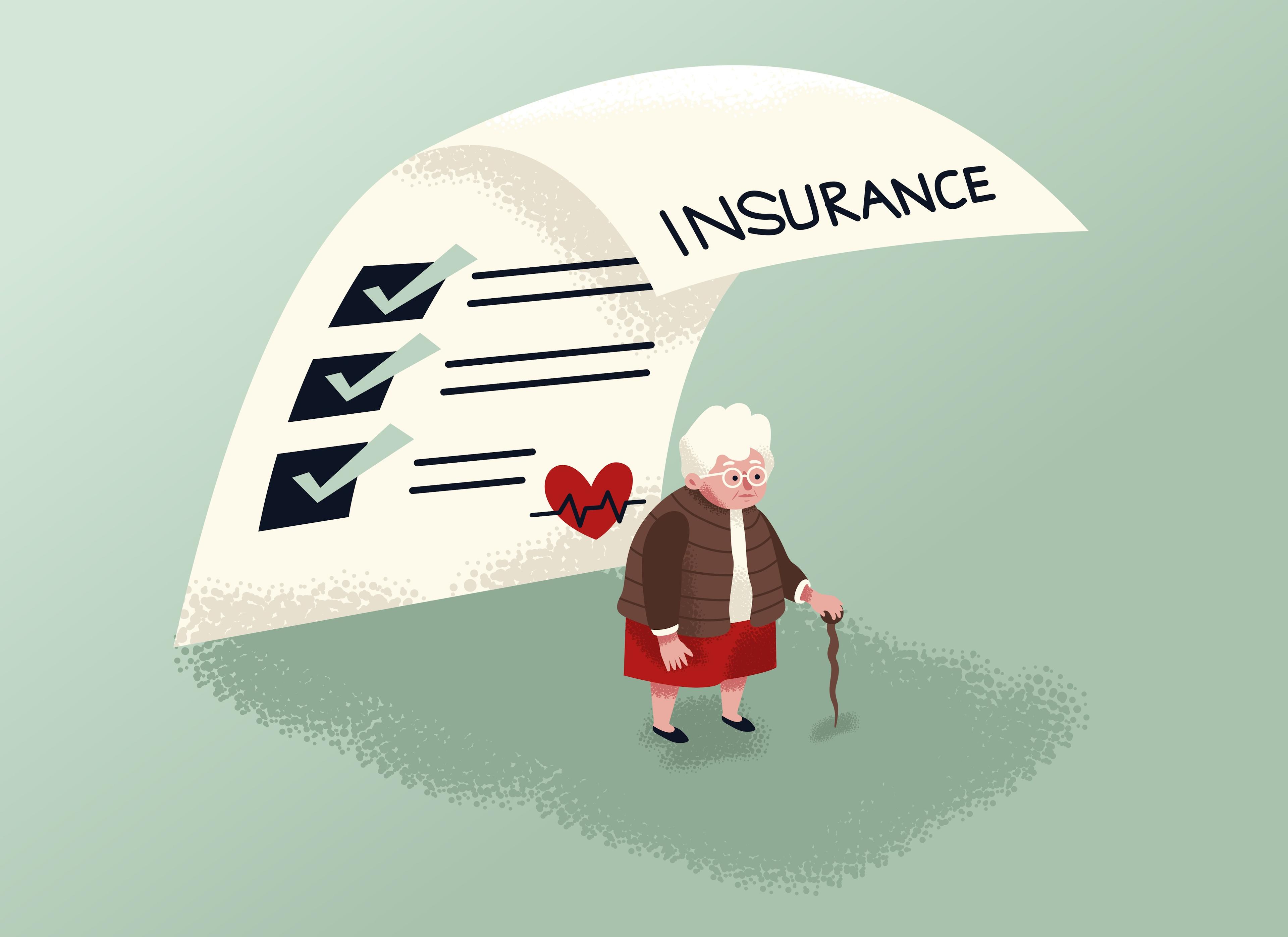
In the UK, employer-provided health insurance can look puzzling at first glance. The NHS is a defining feature of British life, and for most people it remains the first and most important point of access to healthcare. If treatment is generally available without a bill at the point of use, why would a company pay extra to put private cover on the table? The answer sits in the gap between what healthcare provides in principle and what it can deliver in practice when time, capacity, and working life collide. Employers are not usually trying to replace the NHS. They are trying to reduce uncertainty, protect productivity, and offer a level of support that helps employees get back on their feet faster when health issues start to disrupt work.
For employers, time is often the most expensive variable. A mild illness that resolves quickly is rarely the problem. The bigger cost tends to come from conditions that need diagnostics, specialist advice, physiotherapy, or elective procedures where delays can stretch from weeks into months. When an employee is waiting for an appointment, a scan, or a treatment plan, the impact shows up in missed days, reduced performance, rearranged schedules, and heavier workloads for the rest of the team. Over time, that strain affects morale and output, and it can create a cycle where stress and burnout become more likely. Health insurance becomes one way to shorten the period of uncertainty. If the main benefit is faster access to consultations and treatment pathways, an employer is effectively paying to reduce the duration and severity of work disruption.
This is why private medical insurance in the UK is often best understood as a time-saving tool rather than a luxury add-on. Many employees still use the NHS for emergencies, core treatment, and a wide range of routine care. The difference is that employer plans can make it easier to reach certain services sooner, especially when specialist access and elective treatment are involved. In those cases, speed matters. A condition that is addressed early can be contained. A condition that drifts can become chronic, more painful, and more expensive, both personally and professionally. From an employer’s perspective, a faster route to diagnosis and treatment is not simply a nicer experience. It is a way to limit lost working days and reduce the secondary costs of long, unresolved health issues.
Recruitment and retention also play a major role. Even though private health insurance is not as universal in the UK as it is in some other countries, it has become a familiar feature of compensation packages in many sectors. In competitive job markets, benefits help employers stand out without raising base salaries across the board. Salary is always important, but it is not the only signal of how a company treats its people. A well-designed benefits package suggests stability, planning, and care. It can influence whether a candidate accepts an offer, especially when they are comparing multiple roles with similar pay. It can also influence whether an employee stays, particularly if they have experienced the practical value of faster access to care during a difficult period.
There is a subtle but powerful emotional element here too. Health concerns can be stressful and isolating, and the feeling of being stuck in a queue with no clear timeline can make that stress worse. When an employer offers a benefit that helps reduce that feeling, it can strengthen loyalty and trust. This is not purely sentimental. Trust is a business asset. Employees who feel supported are often more engaged and more willing to go the extra mile, while employees who feel neglected are more likely to disengage or look elsewhere. Health insurance, in this sense, becomes part of a wider strategy to build a workplace culture that supports performance.
It is also important to recognise that workplace “health insurance” in the UK has expanded beyond the traditional idea of paying for private hospital treatment. Many employer packages now include a mix of services that address everyday needs, not just major procedures. Employee assistance programmes, mental health support, digital GP access, and cash plans that reimburse routine costs can be bundled alongside private medical cover. The reason is straightforward. The most common health-related issues that affect work are not always dramatic events. They are often slow-building pressures such as stress, anxiety, depression, musculoskeletal pain, and recurring minor illnesses that chip away at energy and focus. Employers want benefits that make a visible difference in these areas because that is where they can protect performance and reduce absence most consistently.
In recent years, mental health has moved from being a quiet topic to an explicit workplace priority. Employers have learned that mental health challenges do not always lead to a clear absence that is easy to track. They often show up first as reduced concentration, irritability, fatigue, and disengagement. If left unsupported, these issues can escalate into longer absences or resignations. Health benefits that include counselling access, structured support pathways, or digital services can help employees seek help earlier, which improves outcomes and reduces the risk of a problem becoming unmanageable. This is another reason employers offer health insurance even with the NHS available. They are trying to create a safety net that feels accessible and immediate for employees who might otherwise wait too long to get help.
Beyond direct health outcomes, employer-provided cover also functions as a form of operational risk management. Businesses run on people. When key team members are unable to work at full capacity, projects slow down, deadlines slip, and managers spend time reorganising resources rather than moving the business forward. The cost is not limited to the absent employee’s salary. It spreads into opportunity costs, client relationships, and internal strain. Employers that invest in health insurance are often trying to reduce these ripple effects. They want a clearer path to recovery for employees and a more predictable ability to plan workloads. In other words, they are paying to reduce volatility.
That said, it is worth acknowledging that employer-sponsored health insurance in the UK is not always structured as a universal benefit for everyone. Some organisations offer it broadly, while others limit it to certain roles or seniority levels. This reflects how employers think about the benefit: as a strategic tool, not just a blanket perk. They may focus coverage on roles where absence is particularly costly or where competition for talent is strongest. They may also offer different tiers, optional upgrades, or the chance to add family members at the employee’s expense. These design choices are not random. They are an attempt to balance budget constraints with employee value.
Another factor that shapes employer decisions is taxation. Employees sometimes assume that if their employer provides health insurance, it is entirely free. In practice, employer-paid private medical insurance is typically treated as a taxable benefit in kind in the UK. That means employees may pay income tax on the value of the benefit, and employers may face additional reporting and National Insurance obligations. This detail matters because it influences how benefits are structured and communicated. Employers want the benefit to feel worthwhile after tax. That pushes them toward plans that are genuinely useful to staff, such as faster access services, mental health support, or coverage that addresses common needs. It also encourages employers to explain clearly what is included and how to use it, since a benefit that employees do not understand can end up looking like an unnecessary cost for both sides.
When you step back, the return on investment for employers is rarely a single neat number. It is usually a combination of reduced absence duration, improved retention, stronger recruitment outcomes, and a healthier, more resilient workforce. Hiring and training are expensive. Losing experienced staff creates gaps that take months to fill and even longer to stabilise. If health benefits help prevent a resignation, that alone can justify a meaningful portion of the cost. Even when the impact is more subtle, such as reducing the frequency of short absences or supporting employees through stressful periods, the cumulative effect can be significant in large organisations.
For employees, understanding why employers offer health insurance can help you make smarter decisions about your own finances and wellbeing. Health insurance is part of total compensation, so it is worth evaluating it the same way you evaluate salary, bonuses, and pension contributions. If you are considering a job offer, you can ask what the plan actually covers and what the employee experience looks like. Does it provide fast access to consultations? Does it include mental health support? Can you add dependents? Are there exclusions for pre-existing conditions? Is there a clear pathway for referrals, or will you still rely heavily on NHS gatekeeping? The answers help you assess how much practical value the benefit has for your life.
It also helps to think about the role that health insurance plays in your personal risk planning. Even in a country with a strong public health system, health issues can still create financial stress through lost income, delays, and the need for flexibility. If employer health insurance reduces waiting time and makes it easier to get support, it can reduce the strain on your work and personal life. That can be especially valuable if you have limited savings, caring responsibilities, or a job where prolonged absence is hard to manage.
The key point is that UK employer health insurance usually sits alongside the NHS, not against it. The NHS remains essential, and many people will still rely on it for the majority of their healthcare needs. Employer plans exist because employers are responding to the real-world friction that occurs when a health issue meets a busy working life. They are trying to reduce downtime, improve recruitment and retention, and support wellbeing in a way that protects both employees and business outcomes. In a modern workplace, health is not just a personal matter. It is also a factor in performance, resilience, and organisational stability. That is why employers continue to offer health insurance in the UK, even in a country where public healthcare is a foundational promise.
When used well, employer health insurance becomes a quiet form of infrastructure. It is not always the most visible perk, and it is not designed to replace the public system. Its real purpose is to create more predictable access to support, especially when delays and uncertainty would otherwise spill into work, income, and quality of life. For employees, the best approach is to treat it as a practical tool. Learn what it covers, understand the tax implications, and decide whether it meaningfully reduces your personal risk. For employers, the lesson is equally clear. The most valuable health benefits are the ones that solve everyday problems quickly and make employees feel supported in ways that translate into a healthier, steadier, and more productive workplace.
 WhatsApp
 Instagram
 Threads