


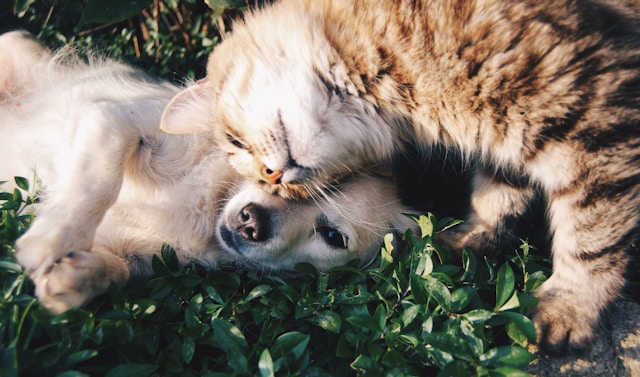
Pet insurance can save money in the long run, but not because it guarantees you will get back more than you pay every year. The real value is that it helps protect your finances from the kind of veterinary bills that arrive suddenly, cost a lot, and force stressful decisions. Most pets will have routine expenses that are fairly predictable, such as checkups or minor treatments. The financial danger usually comes from the rare but costly events, including emergency visits, imaging, surgeries, hospital stays, and chronic conditions that require ongoing care. Those are the moments when a single invoice can reshape your entire budget for months, and insurance is designed to soften that impact.
One way pet insurance saves money over time is by limiting the damage of a high-cost outlier event. Even if you can handle smaller vet visits out of pocket, the large, unexpected bill can be the one that pushes you into expensive choices, such as carrying a credit card balance or taking on a high-interest loan. When you are forced to finance a big expense, the true cost is not only the vet bill itself, but also the interest and fees that accumulate while you try to recover. Insurance can reduce how long you stay in that debt cycle because it reimburses a portion of covered expenses, helping you stabilize cash flow sooner and avoid turning a one-time crisis into a long-term financial setback.
Another long-run benefit is that coverage can reduce the pressure to delay care. When pet owners worry about uncertain costs, they may hesitate to approve diagnostics or treatment early, hoping the problem will resolve on its own or choosing the cheapest short-term option. Sometimes that approach works, but sometimes it allows a condition to worsen, making it more complicated and more expensive to treat later. Earlier intervention often lowers the likelihood of the most severe outcomes, and insurance can make it easier to choose timely care without feeling trapped by the invoice. Over years, this can translate into fewer repeat visits, fewer escalating emergencies, and less chance of paying for partial solutions that do not address the real problem.
Pet insurance also creates valuable flexibility, especially in situations where the best medical path is not obvious. Without coverage, choices can shrink quickly to what is affordable in the moment, even if those choices are not ideal. With coverage, you are more likely to seek specialist input, approve the tests that clarify what is happening, and proceed with treatment that prevents prolonged complications. This flexibility matters because uncertainty is expensive. When you are forced to guess or delay, you can end up paying twice, first for incomplete steps and then for the full solution when the issue becomes unavoidable. Insurance does not eliminate costs, but it can reduce the chance that you will spend more over time due to delays and detours.
At the same time, whether pet insurance saves money depends heavily on the policy itself. Deductibles, reimbursement rates, limits, exclusions, and how claims are calculated can all shape the real outcome. A plan that looks cheap can fail to protect you when you need it most, especially if it has low annual limits or reimbursement based on restricted pricing schedules rather than your actual vet bill. Long-run savings come from meaningful protection against high-cost events, not from a low monthly premium that leaves you exposed. It also matters when you buy coverage. Waiting until your pet has a history of documented issues may lead to exclusions for pre-existing conditions, which can reduce the usefulness of the policy and make it harder to get value from the coverage later.
The best way to understand the “saves money” claim is to compare insurance with self-insuring. If you skip insurance, you need a realistic plan to cover emergencies, usually a dedicated savings fund large enough to handle a major bill without compromising other priorities. Some people have the savings and discipline to do this well. Others intend to, but the money gets absorbed by everyday life, and then the first real emergency becomes a financial shock. In those cases, insurance acts like a structured safety net that can prevent the spiral of debt, delayed care, and drained savings that takes months to rebuild.
In the end, pet insurance is less about trying to profit and more about controlling financial risk. It can save money in the long run by preventing one bad health year from becoming a multi-year recovery period for your budget. Even if you do not “win” on reimbursements every year, the protection can still be worth it if it helps you avoid high-interest debt, supports earlier treatment decisions, and preserves your savings for the other emergencies life will eventually deliver.
 WhatsApp
 Instagram
 Threads


-2.jpg&w=3840&q=75)
.jpg&w=3840&q=75)
-1.jpg&w=3840&q=75)