Credit cards can feel like a modern shortcut to a smoother life. They make paying effortless, they promise rewards for spending, and they offer the comfort of knowing you have a financial cushion if something unexpected happens. Yet the same features that make credit cards convenient also make them risky. A credit card is not extra income. It is a loan that can be used repeatedly, and the dangers rarely appear as one dramatic mistake. They show up as a chain of small decisions that are easy to justify in the moment and expensive to undo later.
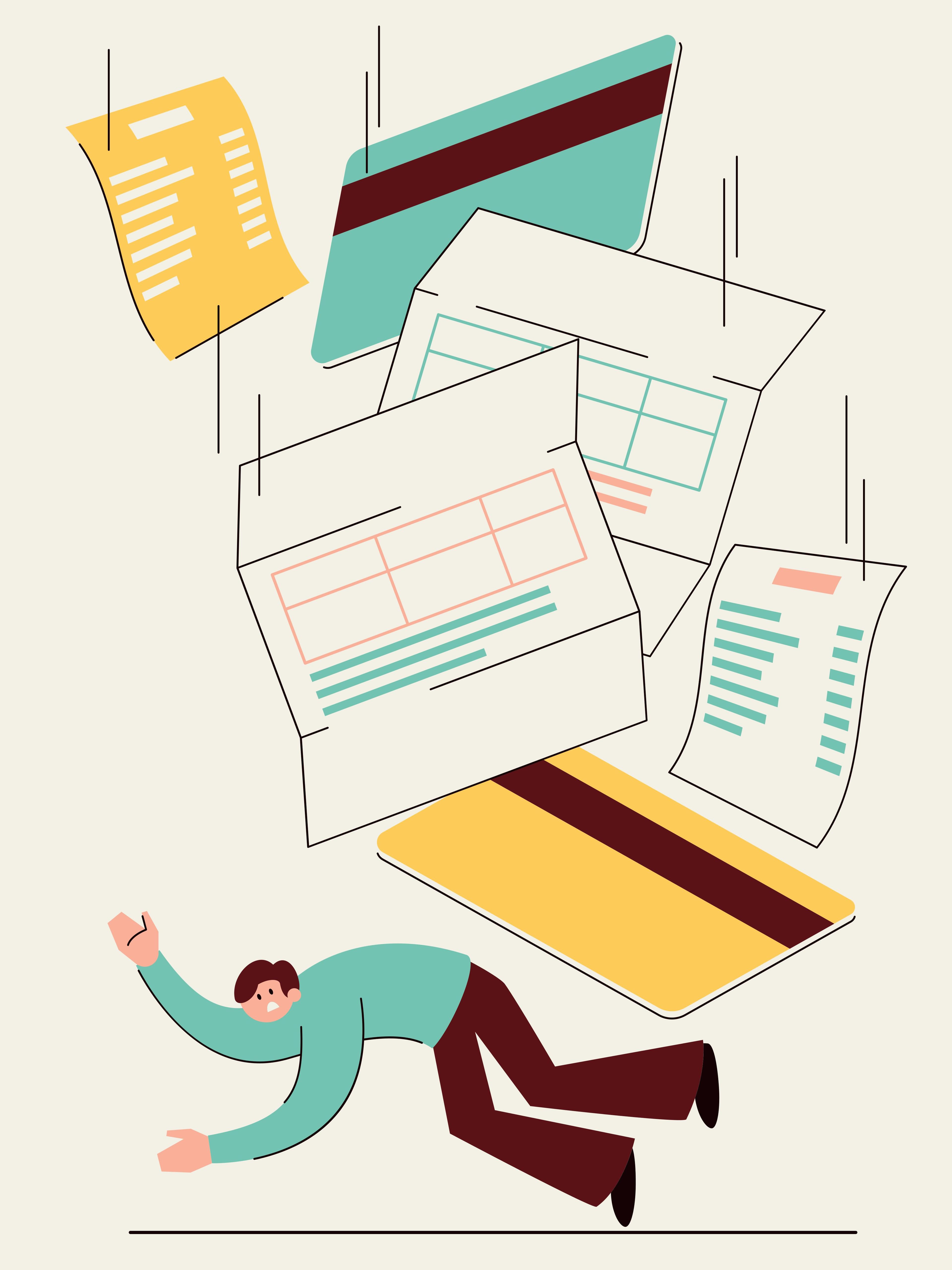
The first risk is interest, not simply because the rates are high, but because the system is designed to make carrying a balance feel normal. Credit card minimum payments are set low enough to seem manageable, which makes it tempting to treat a revolving balance like a routine expense rather than a warning sign. Once a balance rolls over, interest compounds the cost of time. Many people do not spiral because they bought something reckless. They spiral because they kept telling themselves they would catch up next month, and then life kept happening. Credit card debt becomes persistent when the monthly payment feels survivable, even though the overall cost becomes punishing.
A related risk is misunderstanding how grace periods work. Many people assume that paying close to the due date means they are safe from interest, but interest-free borrowing is conditional. Once you carry a balance beyond a statement cycle, the way interest applies can change, and new purchases may no longer enjoy the same relief. The rules are not always intuitive, and that is what makes them dangerous. A credit card can shift from “free convenience” to “expensive borrowing” without any dramatic change in your spending, simply because your repayment timing slipped.
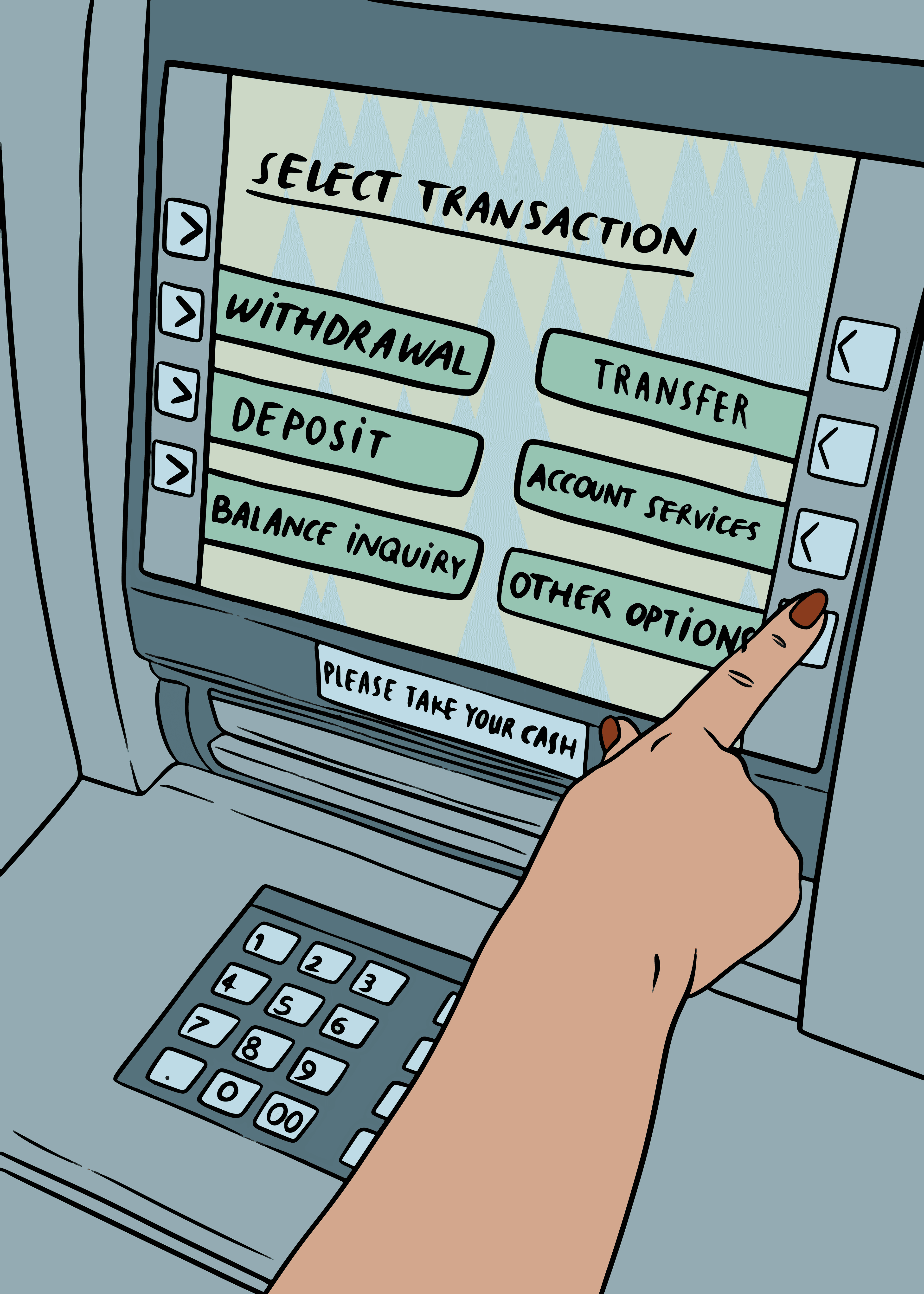
Some transactions are even riskier because they behave differently from ordinary purchases. Cash advances are the clearest example. They often begin accruing interest immediately and can come with separate fees. What surprises cardholders is that some transactions that do not look like cash advances can be treated as cash-like, depending on how the merchant is coded. That means a quick money transfer or certain digital transactions can trigger charges you did not expect. When you do not know what your issuer considers cash-equivalent, you can accidentally turn a simple action into an expensive loan.
Fees form the next layer of risk, and they are often underestimated because they look small. A late fee might not seem catastrophic, but late payments can create broader consequences. They may hurt your credit profile, raise the long-term cost of borrowing, and in some cases jeopardize promotional rates or favorable terms. Even when the fee itself is manageable, the ripple effect can be costly. The financial system tends to punish inconsistency, so one missed payment at the wrong time can affect future loan approvals, interest rates, and the financial flexibility you thought you had.
Annual fees can also become a quiet drain. Premium cards often advertise travel perks, dining credits, and insurance benefits that make the fee feel justified, but the real question is whether those benefits match your actual lifestyle. If you are not naturally using the perks, the card is no longer a tool. It becomes a subscription you pay for the idea of value rather than real value. In some cases, people try to “earn back” the annual fee by spending more, hitting thresholds, or taking trips they would not otherwise take. That flips the relationship. Instead of the card serving your life, your life starts adapting to the card.
Spending across borders adds another risk, especially for people who shop internationally online or travel occasionally. Foreign transaction fees can quietly inflate the cost of purchases that do not look unusual. On top of that, dynamic currency conversion can be even more expensive. When a merchant offers to charge you in your home currency “for convenience,” it sounds helpful, but the exchange rate is often worse than what your bank would apply. The risk is not that foreign spending is inherently bad. The risk is agreeing to a seemingly convenient option without realizing it is priced against you.
Credit cards also carry risks that extend beyond monthly bills into your credit reputation. Your credit score is shaped by patterns, and one of the most important is credit utilization, the ratio of what you owe compared to your total available limit. Even if you pay on time, a high balance relative to your limit can make you appear riskier. Timing matters as well, because the balance reported is often your statement balance, not the balance after you pay. Someone can be responsible, pay in full each month, and still look stretched if they run heavy spending through a low limit and the statement closes at a high point. That is a frustrating reality, but it is a reality worth understanding because it affects borrowing costs later.
Opening and closing credit cards also has consequences. Applying for new cards can trigger hard inquiries and lower the average age of your credit accounts, while closing cards can reduce your available credit and raise your utilization ratio. None of this means you should never switch cards. It means you should avoid making major changes impulsively, especially if you plan to apply for a mortgage or other large loans soon. Credit systems reward stability. Sudden changes, even if they are logically harmless, can create the impression of uncertainty.
Promotional offers are another area where good intentions can backfire. A 0 percent introductory APR sounds like a gift, and it can be useful when managed carefully. The danger comes when people treat the promotional period as a permanent feature rather than a temporary window. If the balance is still there when the promotion ends, interest may kick in at a high rate, and the affordability you relied on disappears. Promotions may also require perfect behavior. A single missed payment can cause the promotional rate to be lost. The risk is trusting your future self to be flawless rather than building a plan that accounts for distractions, unexpected expenses, and the ordinary messiness of life.
Rewards, arguably the biggest selling point for credit cards, can become one of the biggest traps. Rewards encourage you to spend by making spending feel productive. Points and cashback create the illusion that you are “earning” while buying, but rewards only truly benefit you if you pay your balance in full. Once interest enters the picture, the rewards math collapses. A few percent back cannot compete with high interest charges. Rewards programs can also change. Redemption values can be devalued, and categories can shift. If you build your spending habits around rewards, you are anchoring your behavior to a program you do not control.
More importantly, rewards can change how you feel about spending. They can turn small indulgences into “smart moves,” and they can push you toward categories where emotional spending is most common, such as dining, shopping, and travel. If you find yourself buying more because you want points, the rewards are not saving you money. They are helping you spend money with less friction.
Balance transfers sit in the same category of tool that can become a trap. Moving debt to a lower rate can help you regain control, but many transfers come with fees, and the psychological effect can be misleading. A balance transfer can feel like progress even if nothing about your behavior has changed. If you transfer the debt and then refill the old card, you end up with two balances instead of one. A transfer is only helpful when it supports a disciplined payoff plan. Without that plan, it is just rearranging the problem.
Fraud is another modern reality that credit card users must consider. Credit cards can offer better consumer protections than debit cards, but fraud still carries real costs, even if you eventually get reimbursed. It can disrupt your ability to pay bills, interrupt subscriptions, and force you to spend time resolving disputes. The risk is not only financial loss. It is operational disruption. If your entire financial routine depends on one card, a single fraud incident can throw off your month. That connects to a broader vulnerability: relying on one card as a single point of failure. If your rent, utilities, subscriptions, and everyday spending all route through one card, you have concentrated your risk. If the card is frozen, replaced, or compromised, your financial life becomes fragile. A backup payment method is not just a nice-to-have. It is a practical form of resilience.
Subscription creep is also worth watching. Credit cards make recurring payments frictionless, which is convenient, but it also makes expenses easy to forget. Over time, small recurring charges can pile up, tightening your cash flow until paying the statement in full becomes harder. When that happens, the card shifts from a payment tool to a debt engine. The transition is often quiet. It rarely feels like a crisis until you see the statement and realize how little room you have left. Under all these risks sits the most human one: psychology. Credit cards separate the moment of pleasure from the moment of pain. You enjoy the purchase now and deal with the consequences later. That time gap makes it easier to overspend, especially when you are stressed, bored, or trying to keep up socially. This is not a character flaw. It is a predictable response to delayed consequences. The credit card design works smoothly when your habits are stable. It becomes dangerous when your emotions start driving your spending.
In the end, the main risks of credit cards are not mysterious. They are built into the structure. Interest punishes time, fees punish inconsistency, rewards encourage spending, and the system assumes you will occasionally slip. The safest credit card user is not the person who never uses credit. It is the person who uses it with clear boundaries, pays the statement balance in full whenever possible, understands the timing of statements and payments, and refuses to let perks or promotions become permission to spend more. A credit card can be a clean tool, but only when you treat it like a tool. The moment you start treating it like extra money, you invite the risks that are designed to profit from that misunderstanding. The goal is simple. Keep the convenience, keep the protections, and keep the control. When you do that, the credit card stays in its proper place, not as a lifestyle upgrade, but as a payment method that works quietly in the background without turning into a problem you have to fight later.
 WhatsApp
 Instagram
 Threads