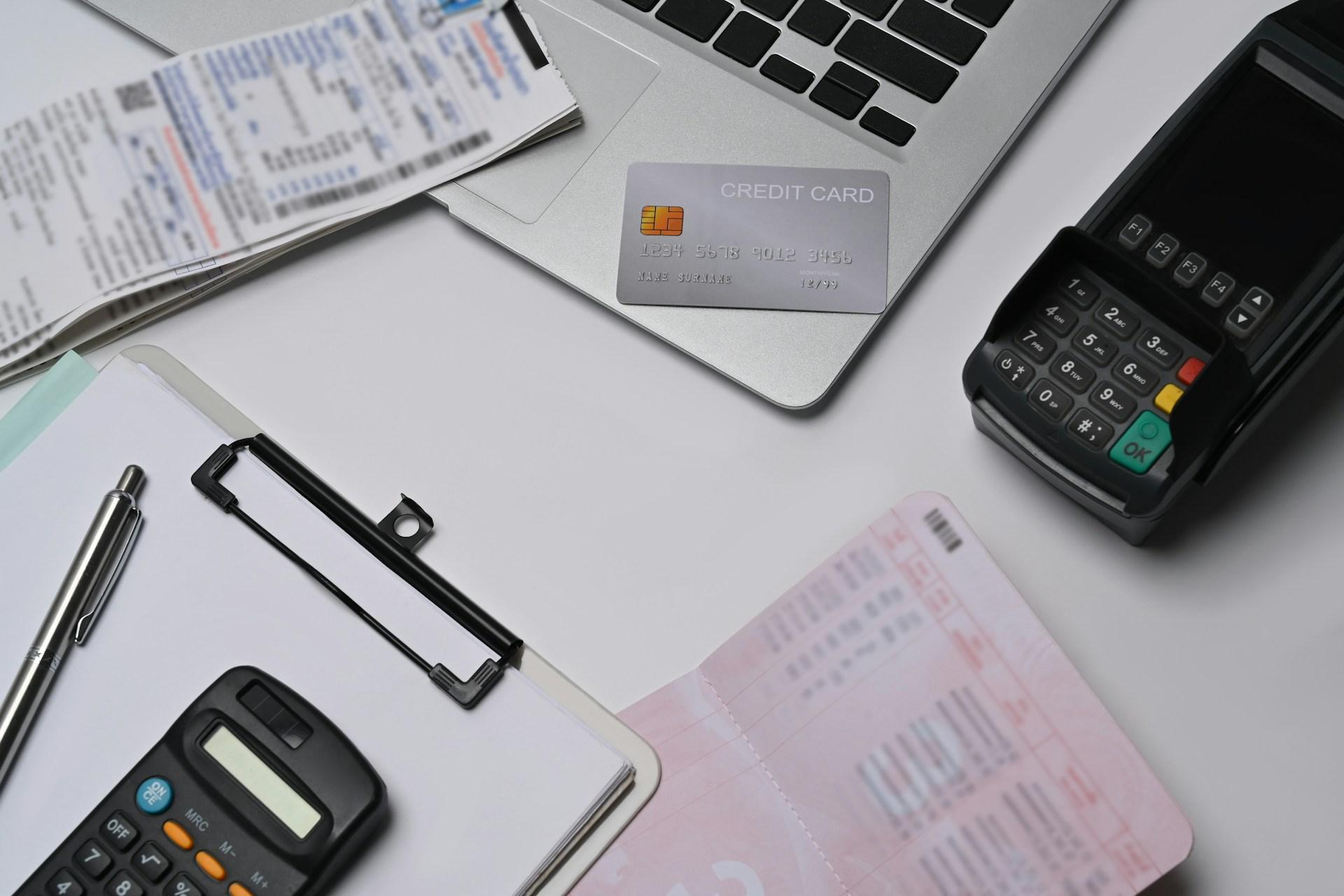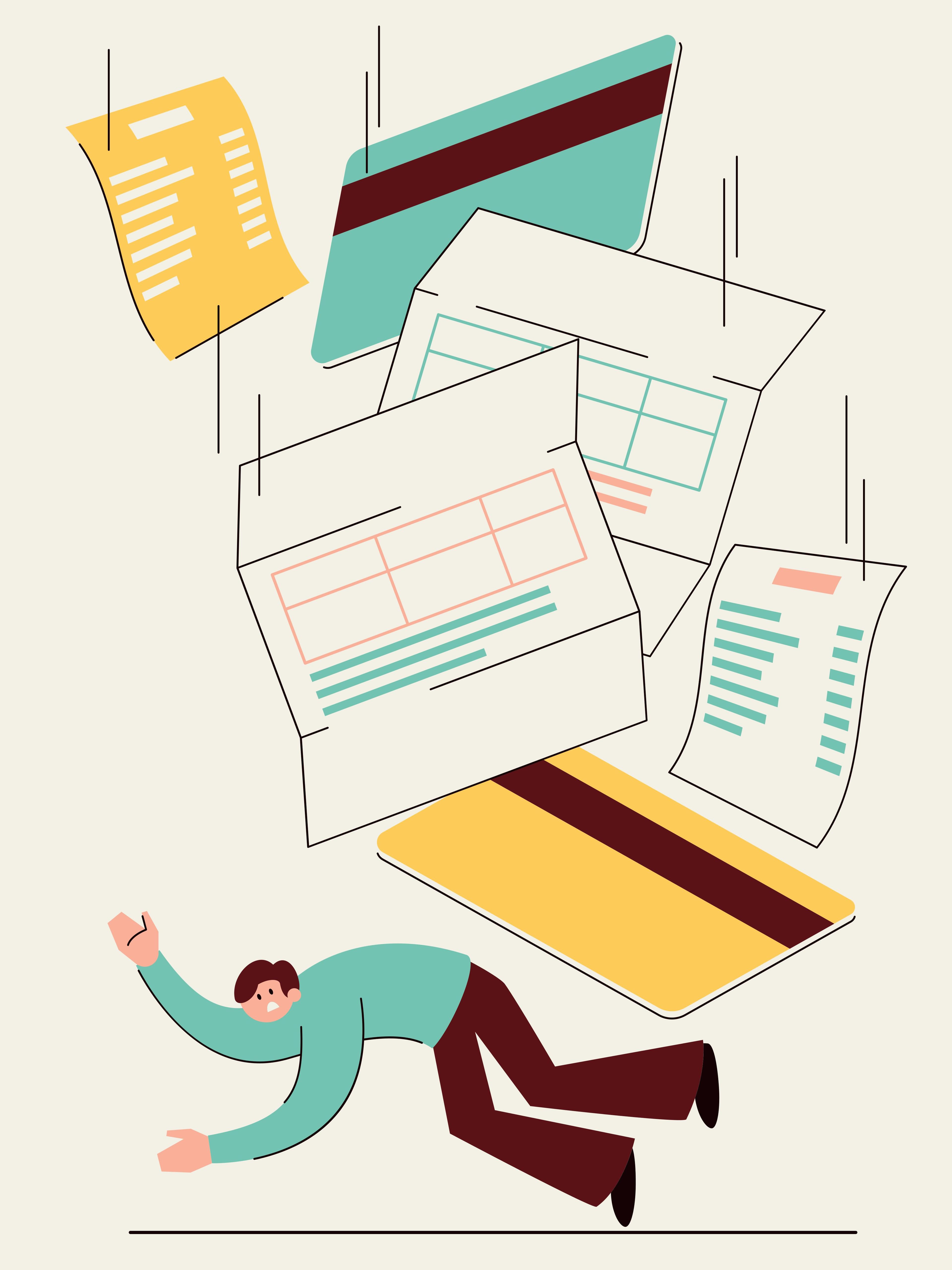
Credit card debt often begins with a simple, familiar story. A large bill arrives at the wrong time, an emergency interrupts the month’s budget, or a few everyday purchases add up faster than expected. The credit card feels like a practical bridge, a way to keep life moving while you sort out the details later. The problem is that revolving a balance turns ordinary spending into an ongoing financial commitment. What looked like a temporary solution can slowly reshape your cash flow, your future borrowing power, and even your sense of control. The consequences of carrying credit card debt are rarely limited to the interest rate printed on a statement. They show up in your monthly decisions, your longer-term goals, and the options you have when life changes.
The most immediate consequence is that credit card debt is expensive by design when it is carried from month to month. If you pay the full statement balance by the due date, most cards do not charge interest on those purchases. But once a balance rolls over, interest begins accumulating, typically calculated on the amount you owe and applied repeatedly over time. This repeating nature is what makes credit card debt so punishing. Even if the balance is not enormous, the cost of carrying it grows because time is not neutral in revolving credit. Each month you keep a balance, you pay for the past again.
Minimum payments make this dynamic easier to live with in the short term and harder to escape in the long term. The minimum payment is usually set at a level that keeps the account current, but it often does not reduce the principal quickly. Many borrowers discover that a large share of their payment goes to interest, especially early on, while the balance falls slowly. The result is a frustrating pattern where you are making payments, yet the debt seems stubborn and persistent. That persistence is itself a consequence. You become committed to paying for decisions made weeks or months earlier, and you are doing so at one of the highest borrowing costs available to most households.
Over time, this changes the shape of your budget. Credit card debt introduces a recurring monthly obligation that competes with essentials and with priorities you actually care about, such as saving, investing, or improving your quality of life. When the balance becomes a regular feature, the payment becomes part of your baseline expenses. It is like taking on a subscription you never intended to keep, except this subscription does not provide ongoing value. It simply charges you for the right to postpone repayment. The larger the balance, the more your monthly budget becomes dominated by debt service. This can lead to a quieter but serious effect: your spending choices start being driven by what you must pay, not by what you truly want to fund.
The opportunity cost is one of the most overlooked consequences. Every ringgit, pound, or dollar used to service high-interest revolving debt is money that cannot be used to build financial resilience. It cannot build an emergency fund that prevents the next crisis from turning into more debt. It cannot go into retirement contributions that compound in your favor. It cannot be used to pay down other debts that might be cheaper or more strategic to clear. When credit card debt is carried for months or years, the true cost is not just the interest paid. It is the delayed progress toward stability and long-term goals.
Fees can deepen the damage, particularly when finances are already tight. Late payment fees may appear after a missed date. Some card issuers charge additional fees for certain transactions, and cash advances can be especially costly because they often come with immediate interest and extra charges. Beyond the direct cost, fees create a psychological and practical cascade. A single mistake can make next month harder. Next month being harder increases the risk of another mistake. The consequences multiply not because a person lacks effort, but because the product’s penalty structure makes recovery more difficult once cash flow is strained.
As the balance persists, the consequences begin to extend beyond your monthly budget and into how the financial system evaluates you. Many credit scoring models and lender affordability checks look closely at how much revolving credit you are using relative to your available limit. This is commonly called credit utilization. Carrying a high balance can push utilization higher, and that can hurt your credit profile even if you pay on time. From a lender’s perspective, a person who uses a large portion of their revolving credit appears more financially stretched than someone who uses a small portion. That perception matters because it influences approvals and pricing for future credit.
The real-world impact of a weaker credit profile can be significant. You may face higher interest rates on personal loans, car financing, or mortgages. You might receive a smaller approved limit, stricter terms, or more demanding documentation requirements when applying for credit. Even when you do qualify, the cost can be higher than it otherwise would have been. Over the life of a large loan, a small difference in interest rates can add up to a meaningful sum. In this way, carrying credit card debt can increase the price of future goals, including homeownership, education financing, or business investment.
Credit card debt also reduces flexibility in ways that are not always obvious until you need that flexibility. Financial optionality is the ability to make a change without being forced into panic decisions. It is what allows you to leave a job that is not working, to take time off for family, to handle a medical expense, or to move for a better opportunity. When you carry a revolving balance, you add a fixed monthly burden that narrows your margin for error. That narrowing is a consequence in itself. It makes your finances more fragile. It limits your ability to absorb shocks, and it can turn life events into financial emergencies more quickly.
A subtle but powerful consequence is behavioral. Revolving credit can normalize spending beyond what your income can comfortably support. If a credit card repeatedly fills gaps, your lifestyle can slowly drift upward without you noticing. You may continue certain habits not because they are affordable, but because the card allows them to continue for now. Spending decisions become less anchored to cash flow and more anchored to available credit. This shift can feel harmless for a while, especially if you can meet minimum payments. Yet it can trap you in a cycle where your baseline cost of living becomes dependent on borrowing. When credit tightens or an unexpected expense hits, the adjustment feels severe because it is not simply a cutback. It is a correction back toward reality, and corrections are always harder than gradual planning.
When borrowers try to solve the problem, consolidation can be tempting, but it introduces its own consequences if not managed carefully. A personal loan or a balance transfer offer can reduce interest costs and create a clearer repayment timeline. However, consolidation is only effective if it is paired with a change in spending behavior. If the old card remains active and spending continues, the household can end up with both the consolidated loan payment and a new credit card balance. In that scenario, the consequence of carrying credit card debt is amplified rather than resolved. What began as one expensive balance becomes multiple obligations. This is one reason why credit card debt can feel like it spreads. Without a plan, the method used to reduce it can accidentally create more of it.
If payments are missed repeatedly, the consequences become more severe and harder to reverse. Delinquency can trigger more fees and higher rates. Accounts can be restricted or closed. Collection efforts can begin. In places where credit reporting is widely used, negative marks can affect credit standing for a long period. At that stage, debt is no longer a private budgeting issue. It becomes a larger administrative and sometimes legal process, depending on local rules. The cost includes time, stress, and reduced access to mainstream financial products. Even when you eventually repay, rebuilding can take longer than many people expect.
The psychological consequences can be just as real as the financial ones. Carrying debt creates background stress that can affect sleep, concentration, and decision-making. People often avoid checking balances or opening statements because it feels uncomfortable, and avoidance makes errors more likely. The sense of being behind can create shame, and shame can create secrecy. In households, secrecy around debt can damage trust and increase conflict. Credit card debt is often not just a number on paper. It can become a persistent source of tension because it represents past choices, current constraints, and worries about the future all at once.
There can also be social and practical effects that show up in unexpected areas. In some markets and industries, elements of credit history can influence insurance pricing, rental applications, or certain employment screenings, particularly for roles involving financial responsibility. This varies widely by country, industry, and local regulations, so it is not something everyone will face. Still, it highlights an important point: a strained credit profile can affect more than borrowing. Even when it does not directly block an opportunity, it can increase the cost of accessing that opportunity through higher deposits, stricter terms, or limited options.
It is also worth recognizing that the consequences of carrying credit card debt can differ depending on the broader policy environment. Rules around minimum payments, interest calculation, marketing, disclosure, and consumer protections vary across jurisdictions. These factors influence how quickly a balance can grow and how difficult it can be to escape. This is why credit card debt should not be framed only as a personal weakness. It is the outcome of a product structure that rewards long repayment timelines and penalizes missteps. When combined with life realities like irregular income, high living costs, or emergencies, the product can produce predictable harm.
Still, the central lesson is consistent. Revolving credit becomes costly not because carrying a balance is always disastrous, but because time increases the price of borrowed money and gradually reduces your flexibility. A balance that is paid down quickly behaves differently from a balance that lingers. The longer it lingers, the more it affects your monthly budget, your future borrowing costs, and your ability to respond to life events. What makes this especially tricky is that the damage is often slow. Minimum payments prevent an immediate crisis, which can make the situation feel manageable. Yet manageability is not the same as progress. You can live with credit card debt for a long time while it quietly drains future possibilities.
In the end, carrying credit card debt has consequences that can be understood through three connected ideas: cost, capacity, and control. The cost is the interest and fees that accumulate as long as the balance remains. The capacity is your ability to qualify for future credit on good terms and to absorb shocks without borrowing more. The control is the freedom to make decisions without your past spending shaping what you can do next. Credit card debt tends to weaken cost first, then capacity, then control. That sequence is why many people feel fine at the beginning and trapped later on.
The most useful mindset is to treat revolving credit as a short-term tool rather than a long-term strategy. If you carry a balance, the key question is not only whether you can afford the minimum payment. It is whether you can afford what the balance is doing to your future options. Once you see the debt as a product that charges you for time and reduces your flexibility, it becomes easier to approach repayment with clarity. The consequences of carrying credit card debt are not a sudden punishment. They are the predictable result of leaving high-cost borrowing in place. And predictable problems, while uncomfortable, are also solvable when you face them directly.
 WhatsApp
 Instagram
 Threads