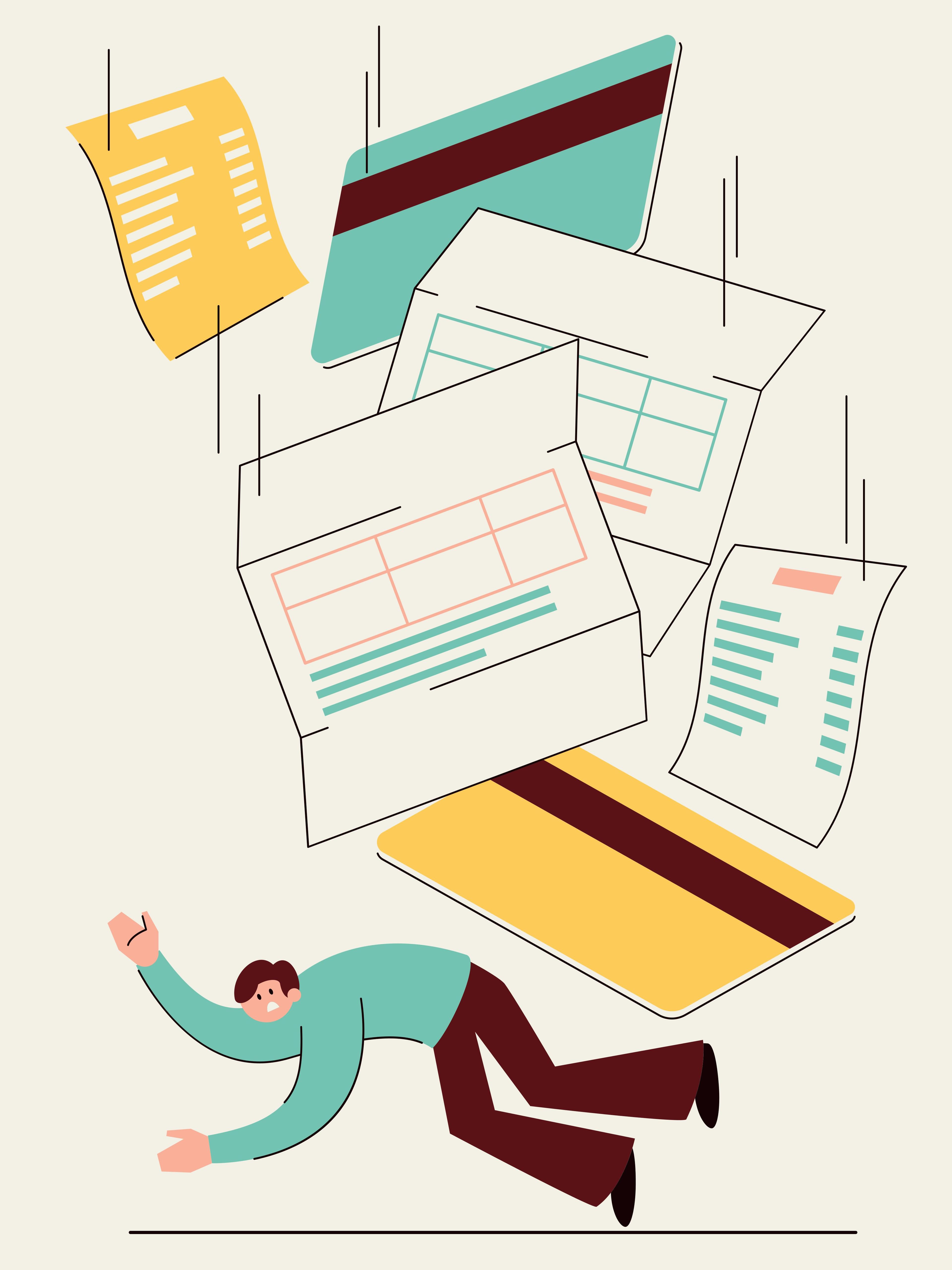
High credit card interest rates can quietly turn a manageable balance into a problem that lingers for years. Many people assume that as long as they make payments on time, their debt will steadily shrink. In reality, a high annual percentage rate changes how quickly a balance can be reduced because interest becomes a powerful force working against every repayment. Instead of your payment mostly reducing what you owe, a large portion is repeatedly consumed by interest charges, leaving only a small amount to lower the principal. Over time, this creates the frustrating feeling of paying and paying while the balance barely moves.
At the heart of the issue is the way credit card debt is designed. Unlike installment loans that come with a fixed repayment schedule and a clear end date, credit cards are revolving accounts. They allow you to carry a balance indefinitely as long as you meet the minimum payment requirement. This structure can be useful when the card is treated as a short-term payment tool and the full statement balance is paid each month. However, once you begin carrying debt, the revolving nature of the account can keep you stuck, especially when paired with a high interest rate. The debt has no natural finish line unless you create one through aggressive repayment.
Minimum payments play a major role in why high interest leads to long-term debt. Credit card issuers set minimum payments low enough to feel manageable, which can be appealing for borrowers who are juggling other expenses. The problem is that minimum payments are designed to keep the account in good standing, not to eliminate the debt quickly. When interest rates are high, the minimum payment may cover the interest and only a small portion of the principal. That means you can make payments consistently yet still see little progress. As the balance slowly decreases, the minimum payment often decreases as well, causing repayment to slow down even further. The borrower may feel relief because the payment requirement becomes smaller, but the payoff timeline stretches longer and longer.
High interest rates also create a compounding effect that keeps debt alive. The longer the balance remains unpaid, the more interest accumulates. Each billing cycle adds new charges based on the remaining balance, which increases the total cost of borrowing. Even if you stop using the card entirely, carrying a balance means you continue paying for past spending every month. When the rate is high, these charges add up quickly, and debt that might have been cleared within a few months at a lower rate can stretch into years.
This problem becomes even more difficult when life circumstances cause borrowers to rely on their cards again. Many people try to pay down debt while also dealing with rising living costs, emergencies, or irregular income. Without a savings buffer, unexpected expenses often push them back toward credit cards, adding new charges on top of the old balance. High interest ensures that this new borrowing becomes expensive immediately, making it harder to gain momentum. In this way, high interest does not only increase the cost of debt, it also limits the ability to build savings, which increases the risk of falling back into borrowing. The cycle reinforces itself and keeps the debt in place.
There is also a psychological element that makes high-interest debt more persistent. When people feel like their efforts are not producing results, they may become discouraged. A balance that barely declines despite regular payments can lead to avoidance, where borrowers stop closely tracking their statements because it feels stressful or hopeless. Others may continue using the card because the balance already feels overwhelming, creating a mindset where additional spending seems less significant compared to the total amount owed. High interest rates amplify both patterns because they make progress slower and setbacks more costly.
In some cases, the consequences extend beyond the balance itself. Carrying large credit card balances can raise your credit utilization ratio, which may hurt your credit score. A lower score can reduce access to lower-interest options such as balance transfer offers or personal loans that could help refinance the debt. This can trap borrowers in high-cost borrowing for longer because the very debt they are trying to escape can weaken their ability to qualify for better alternatives. High interest therefore becomes both a direct financial burden and an indirect barrier to getting out of debt.
Ultimately, high credit card interest rates lead to long-term credit card debt because they turn time into a costly enemy. The longer a balance remains, the more the borrower pays for the same original purchases, and the harder it becomes to make meaningful progress without larger payments. Credit card issuers benefit when balances persist, but borrowers pay the price through repeated interest charges that slow down repayment. Escaping the cycle usually requires creating a deliberate payoff plan that goes beyond minimum payments, reducing new spending on the card, and finding ways to lower the interest cost if possible. Without those steps, a high-interest balance can remain for years, not because the borrower is careless, but because the system is structured to keep debt profitable and persistent.
 WhatsApp
 Instagram
 Threads