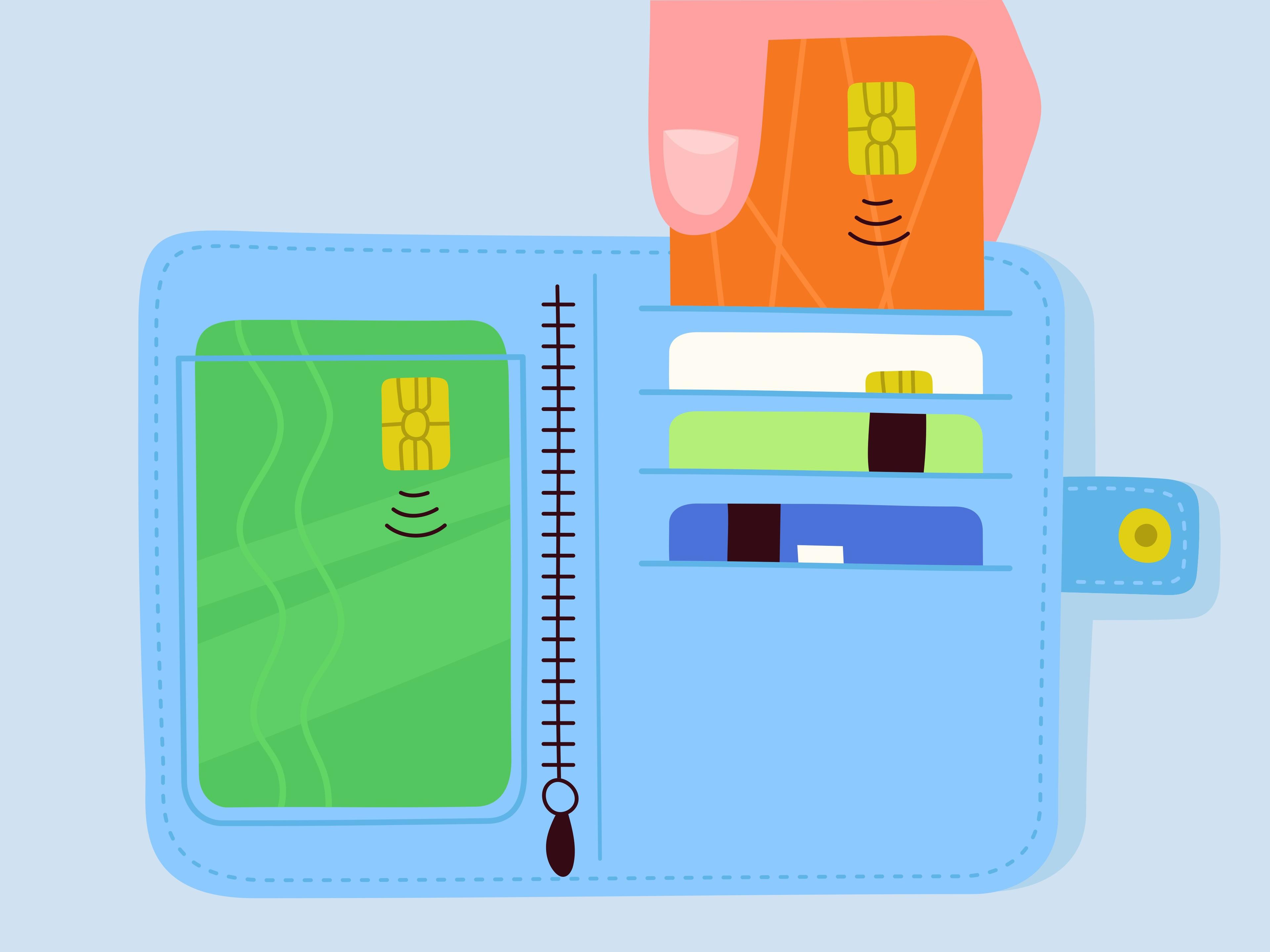
Maximizing credit card rewards and benefits is less about chasing the flashiest offers and more about building a system that fits the way you already live. Many people assume the secret is finding a single “best” card, but the real advantage comes from alignment. When the way you earn rewards, the benefits you actually use, and the way you redeem all point toward the same goal, you get consistent value without turning your finances into a complicated hobby. The moment rewards start demanding extra spending, extra mental effort, or risky behavior like carrying a balance, they stop being a perk and start becoming a trap.
The first step is deciding what you want rewards to do for you. Some people value straightforward cashback because it lowers everyday costs and feels immediately useful. Others care more about travel rewards because they want flights, hotels, and upgrades that would otherwise be out of reach. There is no universally correct choice, because the “best” rewards are the ones you will actually redeem. A points strategy that produces impressive numbers on paper can still fail if you do not have the time, interest, or lifestyle to turn those points into real value. Clarity on your purpose keeps you from collecting rewards that look exciting but sit unused, quietly losing value as programs change over time.
Once you have a goal, the next move is matching your card setup to your real spending patterns, not the spending you imagine you have. Many cardholders overestimate how often they dine out or travel, then end up earning only a basic rate on most purchases because their biggest expenses fall outside bonus categories. A more practical approach is to review recent spending and identify where your money consistently goes, such as groceries, petrol, recurring bills, online shopping, commuting, or household expenses. Rewards work best when they attach themselves to predictable habits. If you use more than one card, the aim should not be collecting options for the sake of it, but creating coverage: one card that performs reliably for your biggest everyday categories and another that complements it without forcing you to do calculations at the checkout counter. Complexity is where rewards strategies quietly break down.
The cleanest way to earn more rewards is not to spend more, but to route existing spending more intelligently. Many people leave large amounts of routine payments on debit cards or bank transfers, or they simply let one default card sit inside every app and subscription. Moving those recurring expenses to the card that rewards them best can raise your earnings without changing your budget. This is also why welcome bonuses can be powerful when handled responsibly. A sign-up bonus can outweigh months of ordinary spending rewards, but only if you meet the required spending naturally through planned purchases or expenses you already intended to pay. The moment you start inventing purchases to “unlock” a bonus, you are no longer maximizing rewards. You are turning a marketing incentive into unnecessary consumption.
Any strategy that involves rewards must start with one non-negotiable rule: never carry a balance just to earn points. Interest charges can erase rewards far faster than you can accumulate them. People often overlook this because rewards feel like “free money,” but they are only free when you pay in full and on time. If you regularly revolve a balance, the best maximization strategy is not optimizing categories. It is eliminating the interest cost first, because rewards are small compared with the price of borrowing on a credit card.
Annual fees are another area where rewards can be misunderstood. A fee is not automatically bad, but it must be treated like a subscription that needs to justify itself. Many premium cards advertise travel credits, lounge access, dining perks, or elite status, yet those benefits only matter if you genuinely use them. A travel credit that is difficult to redeem, or a lounge perk that does not match the airports you use, is not real value. It is marketing. The best way to judge a fee is to translate every headline perk into your own routine and ask whether it replaces something you would otherwise spend money on. If a benefit encourages you to spend extra just so you can “use the credit,” you may be paying more overall while feeling like you are saving. True value is when the card reduces costs you already have, not when it pushes you into new expenses.
Beyond points, many cardholders overlook benefits that can protect their finances. Purchase protection, extended warranties, and travel-related coverage can sometimes matter more than a slightly higher earn rate. When you pay for a flight, a rental car, or a high-ticket item, you are not only collecting points. You are also choosing which protections back that transaction. Knowing which card offers stronger coverage for certain purchases can reduce risk and prevent costly surprises later. This is why the benefits guide matters, even if you only read it once. You do not need to memorize details, but you should understand what your card is designed to support, what it excludes, and when it makes sense to use a different payment method.
Redemption is where many people lose value without realizing it. Earning points is easy, but turning them into outcomes you care about requires intention. Cashback and statement credits are simple and transparent, which is why they often work well for people who want minimal effort. Travel points can unlock bigger value, but they also require planning and flexibility. The best redemption is not the one that looks highest in theory. It is the one you will actually use. Chasing an ideal redemption can lead to procrastination, and procrastination turns points into financial clutter. Since rewards programs can change over time, holding large piles of points without a plan can be risky. A practical system includes a redemption policy, such as redeeming once you reach a certain threshold or once you have a specific trip planned within the next year.
While focusing on rewards, it is also important not to damage your credit health. Applying for multiple cards can temporarily lower your score through inquiries and changes to your credit history length. Utilization can also rise if you put large expenses on a card and the balance reports before you pay it off. This is not always a problem, but it becomes one if you are planning a major loan, such as a mortgage or refinancing, where stability matters more than incremental rewards. In those periods, it may be wiser to pause new applications and keep your reported balances low and consistent. Rewards should serve your larger financial goals, not interfere with them.
The difference between people who talk about rewards and people who benefit from rewards is routine. A rewards strategy should not require constant attention. A simple monthly check is often enough: confirm you paid in full, review whether any credits or perks are expiring, and redeem or earmark rewards according to your plan. If your setup demands hours of tracking, rotating categories, and managing too many portals, it is probably too complex. A slightly lower earn rate that you execute consistently will often beat a complicated strategy that breaks down under real life.
Ultimately, the best rewards approach is one that stays quietly in the background. It should follow your existing habits, reduce costs you already have, and offer protections that improve your financial resilience. When you maximize credit card rewards and benefits the right way, you do not feel like you are gaming the system. You feel like your spending is organized, your perks actually get used, and your rewards turn into tangible value without pulling you away from the fundamentals that matter most.
 WhatsApp
 Instagram
 Threads