Planning ahead is one of the simplest ways to make travel safer because it reduces uncertainty before it turns into stress. Most travel problems are not dramatic on their own. They begin as small disruptions that escalate when you are tired, rushed, or unfamiliar with your surroundings. A delayed flight can become a missed check-in. A dead phone can mean losing access to tickets, maps, or emergency contacts. A minor illness can derail an entire itinerary if you do not know where to seek help. When you plan in advance, you are not trying to eliminate every surprise. You are reducing how much damage a surprise can cause.
Travel risk is often a combination of not knowing what will happen and being exposed when something goes wrong. You cannot control the weather, transport delays, or unexpected closures, but you can control how prepared you are to respond. Planning changes your position from reactive to ready. It allows you to decide the most important things while you are calm, rather than forcing decisions when you are stressed. This matters because stress narrows judgment. It makes people accept bad deals, take unsafe shortcuts, or trust the wrong person simply because they want a quick solution.
One major benefit of planning is that it reduces decision fatigue. Travel adds constant micro-decisions to your day, from choosing routes and checking schedules to figuring out where to eat and how to get back at night. Too many decisions increase mistakes, especially when you are managing jet lag or language barriers. When you have already planned the essentials, your attention stays available for what is happening around you. Instead of being absorbed by logistics, you can stay aware of your environment, your belongings, and your instincts.
Planning also works because it builds redundancy, which is a basic principle of safety. If you rely on only one way to pay, one way to navigate, or one way to communicate, you create a single point of failure. A blocked card, a stolen wallet, or an unreliable connection can leave you stuck. When you plan ahead, you create backups that keep you functional. A second payment method, copies of important documents, offline access to key addresses, and a backup route from the airport are not excessive precautions. They are simple safeguards that prevent small issues from becoming crises.
Another way planning reduces travel risk is by protecting your timing. Many risky situations appear when you are rushing. Rushing makes you more likely to lose items, miss signs, and make impulsive choices. It also increases your exposure to unfamiliar areas at inconvenient hours. Planning ahead gives you time margin, and time margin gives you better options. When you arrive with breathing room, you can assess your surroundings, avoid pressure, and choose transport and routes more carefully. You are far less likely to end up negotiating logistics in the middle of the night when you are exhausted.
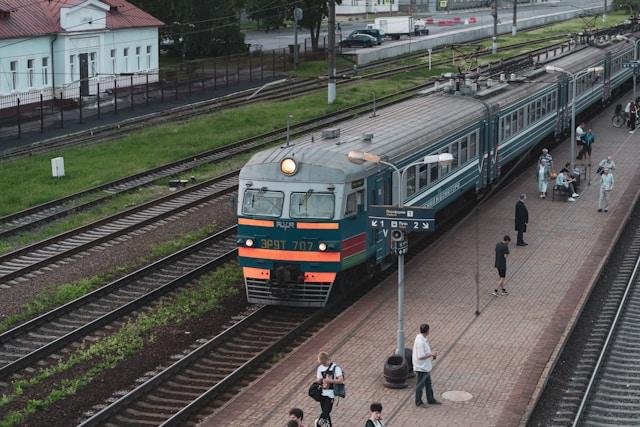
A well-planned trip focuses less on planning everything and more on securing the essentials. Travel becomes unstable when the core systems fail, such as transportation, accommodation, money, identification, health, and communication. Planning strengthens these pillars. It means knowing how you will leave an airport or train station, understanding what normal prices look like, and being aware of last transit times so you are not stranded. It means having reliable accommodation details, clear check-in instructions, and a stable location that reduces daily friction. It means making sure you can pay in more than one way, and that you know where to withdraw cash safely if you need it.
Preparation matters just as much for health and communication. Illness is common during travel because routines change and exposures increase. Planning ahead helps you respond quickly by bringing basic medication, knowing local pharmacy norms, and identifying nearby clinics in advance. Communication planning ensures you are not cut off if something happens. Having a way to access data, manage battery life, and store important contacts can prevent a simple inconvenience from becoming a serious vulnerability. In the same way, basic digital precautions can reduce the risk of identity issues, especially when you are logging into accounts on unfamiliar networks.
Beyond logistics, planning influences behavior. When you know where you are going, you move with more purpose and look less confused, which reduces your visibility as an easy target in crowded tourist areas. You spend less time stopped in public with your phone out, and you are less likely to accept help from strangers out of uncertainty. Planning also supports better boundaries, especially for solo travelers. Many risks come from social pressure, alcohol, or the isolation of being far from home. When you have a plan for your evenings, transport, and check-ins, you reduce exposure to situations where judgment is compromised.
The strongest plans are not rigid scripts. They are flexible systems. Over-planning can be fragile because it assumes every step will happen exactly as expected. Under-planning is fragile because you are forced to improvise everything. A balanced approach plans tightly for high-stakes issues and lightly for low-stakes ones. It also creates both anchors and options. Anchors are the fixed points that stabilize the trip, such as your first night’s accommodation, transport from the airport, and emergency contacts. Options are the backups that keep you flexible, such as alternate routes, payment methods, or places to stay if something changes.
In the end, planning ahead helps reduce travel risks because it lowers stress, increases resilience, and speeds up recovery when things go wrong. You cannot make travel perfectly safe, but you can make it manageable. Planning turns travel from a scramble into a steady experience where surprises do not control the whole trip. It allows you to enjoy the journey more, not because nothing goes wrong, but because you have already built the tools to handle what does.
 WhatsApp
 Instagram
 Threads