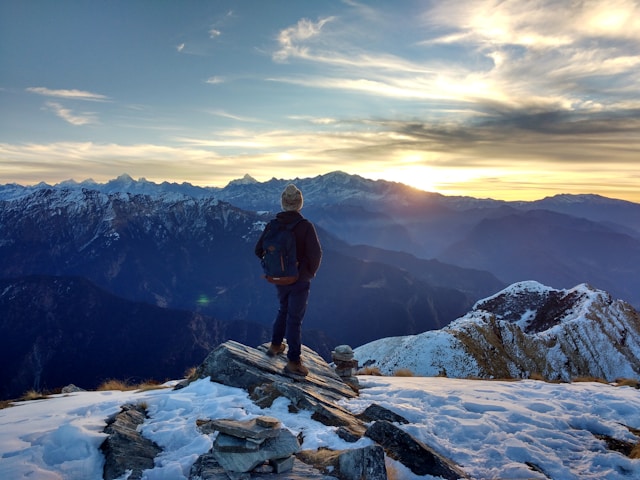
Solo travel is often framed as the purest form of freedom. You arrive with no one else’s schedule to negotiate, no compromises to make, and no need to explain why you want to spend an extra hour in a museum or take the long way back just to see how a neighborhood changes at sunset. That independence is exactly what draws people in, but it also explains why solo travel carries its own set of risks. When you travel alone, you are not only the person having the experience. You are also the planner, the problem-solver, and the safety net. The main risks for solo travellers are rarely just about dramatic danger. More often, they are about how small vulnerabilities get bigger when there is no one beside you to double-check a decision, share responsibilities, or notice that something feels off.
A major risk begins with something deceptively simple: attention. Solo travellers tend to do a lot at once because they have to. They navigate maps, read signage, keep track of bags, respond to messages, and try to absorb the environment all in the same moment. That split focus creates opportunities for theft, especially in crowded places like train stations, airports, markets, or busy tourist streets. Pickpocketing and bag snatches thrive on distraction, not on brute force. The threat is not always a “dangerous” place but an efficient place, where someone can reach a zipper, grab a phone, and disappear into movement before you even realize something has shifted.
Scams are another persistent risk because they are designed to work on people who are slightly rushed, slightly tired, or eager to be polite. Solo travellers are often targeted because they look more approachable and less supported. A scam might involve a ride that suddenly becomes “cash only,” a fake official insisting you need to pay a fee, or a stranger offering help at a ticket machine while standing uncomfortably close. The details vary across destinations, but the psychology stays the same. The scammer tries to compress time and create pressure, hoping you will cooperate quickly rather than stop to question what is happening. Traveling alone can amplify that pressure, because you do not have a companion quietly reminding you that it is okay to say no.
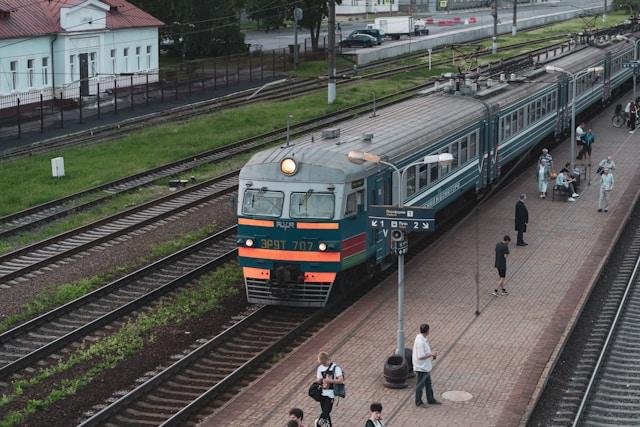
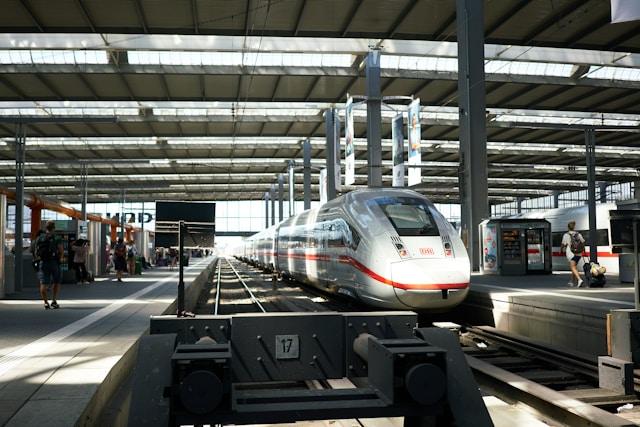
Transportation issues are also a major risk, especially in places where the system is less predictable than what you are used to. A delayed bus, a last train that leaves earlier than expected, a ferry schedule that changes due to weather, or a rural road with limited signal can become more stressful when you are alone. When there is no quick alternative and your phone battery is dropping, inconvenience starts to feel like vulnerability. Even in cities, the moments that sit between destinations, waiting at a station late at night or walking through a poorly lit area because the route looked short on the map, are where anxiety and exposure can rise at the same time.
Accommodation can carry its own risks as well. Sometimes the risk is simply that the place is not what it seemed online, but other times it is about boundaries. A host who pressures you to change rooms, a front desk that handles your documents carelessly, or a rental that feels far more isolated than you expected can put you in a position where you have to make quick decisions without support. Being alone can also change social dynamics. You may be approached more often, questioned more freely, or observed more closely, simply because you are unaccompanied. Even when nothing overtly threatening happens, the awareness that you are visible can shape how safe you feel inside a space that should allow you to relax.
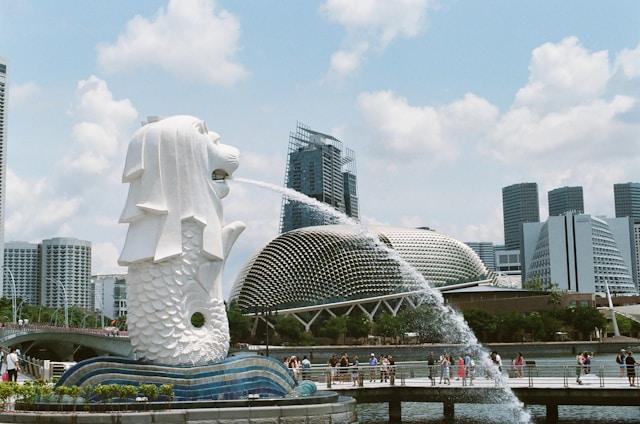
In the modern travel landscape, digital behavior adds a newer layer of risk. Posting in real time can expose your location and routines, especially when combined with recognizable landmarks, location tags, and updates that make it obvious you are alone. A travel itinerary that feels casual to share can become a pattern someone else can follow. At the same time, public Wi-Fi, unknown charging ports, and moments when you hand your phone to a stranger for a photo all create opportunities for digital security problems. For a solo traveller, losing a phone is not only about replacing a device. It can mean losing access to maps, bookings, bank apps, two-factor authentication, and emergency contacts, which can turn a minor incident into a cascading disruption.
Health risks also hit differently when you are alone. A common illness like food poisoning, a fever, dehydration, or a minor injury can feel much more serious when you are the only person managing it. You cannot ask someone else to run to a pharmacy, translate symptoms, or keep an eye on your belongings while you rest. Physical health is not the only factor. Jet lag, culture shock, and long days of navigating unfamiliar environments can affect mood and judgment, making it harder to interpret situations clearly. When fatigue builds, it can encourage shortcuts and overconfidence, and those are often the conditions under which mishaps occur.
Another risk that deserves attention is isolation. This is not just loneliness in the sentimental sense. It is the strain of making every decision alone, from where to eat to whether a street feels safe to walk down at night. Over time, decision fatigue can erode caution. Emotional isolation can also create a different vulnerability: the urge to attach quickly to strangers simply to feel connected. Travel friendships can be wonderful, but the intensity of being far from home can lead to accelerated trust. In some cases, that can blur boundaries around money, alcohol, and personal safety, especially when plans become vague or the environment becomes more unpredictable.
Nightlife and alcohol are powerful risk amplifiers for solo travellers because they reduce your ability to assess situations. The issue is not moral, and it is not about avoiding fun. It is about recognizing that being intoxicated makes it harder to problem-solve, navigate routes, protect valuables, and leave when something feels wrong. In a group, there is often an informal safety system: someone checks that everyone gets home, someone calls the ride, someone notices if a stranger is being intrusive. Alone, you have to be that system for yourself, even when your body and mind are less sharp.
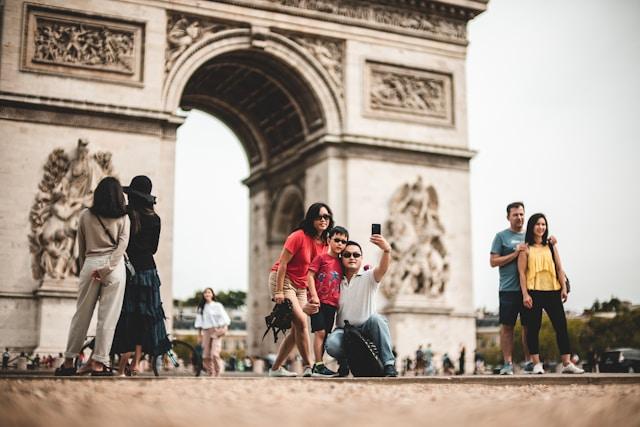
Cultural and legal differences add another layer of potential risk. Local norms around clothing, photography, public behavior, or interactions with strangers can vary widely. A group can blend in or deflect attention. A solo traveller is more visible, and visibility can attract both curiosity and scrutiny. Something that seems harmless in one country, such as taking a photo in a particular place or speaking loudly in a sensitive area, can cause friction or escalation elsewhere. These risks do not mean you should be afraid of difference. They mean you should respect that the rules and expectations around you may not match what you assume.
Money issues can also become more complicated alone. Card blocks, ATM fees, currency exchange tricks, surprise accommodation deposits, and cash-only situations can create stress, especially if you are caught without a backup plan. In many places, running low on cash is not just inconvenient. It can limit your ability to move, eat, or solve problems quickly, and that can have safety implications when time is working against you. The solo factor is again redundancy. There is no second wallet, no companion who can cover a payment while you sort out your account, no one carrying a spare card.
One of the most underestimated risks is fatigue disguised as confidence. After a few days of smooth travel, familiarity sets in. You stop double-checking addresses, you assume the next train will arrive, you leave your bag on a chair because the cafe feels safe, and you take shortcuts because you feel like you “know” the place. Many travel problems happen not on the first day, when you are alert, but later, when comfort has lowered your guard. Nature and environment risks follow a similar pattern. Weather shifts, tides, and trails do not care about your plans, and being alone outdoors reduces your margin for error if something goes wrong.
There are also risks tied to harassment, discrimination, and unwanted attention, depending on the traveller’s identity and the destination. For many people, solo travel involves the added work of constantly reading the social environment, calculating routes, choosing timing carefully, and deciding how to respond to intrusive behavior. Even when nothing escalates, the mental load can be exhausting. That exhaustion matters because it affects decision-making, and decision-making is at the center of safety.
What unites these risks is not that solo travellers are destined for trouble. It is that solo travel removes built-in support systems. When you are alone, every decision, every boundary, every workaround, and every emergency response belongs to you. That responsibility can feel heavy at times, but it also builds a form of competence that is hard to replicate. The key is to understand that most risks arrive quietly. They show up as a subtle feeling, a moment of pressure, a vague plan, or a small discomfort you are tempted to ignore. Traveling solo does not mean traveling afraid. It means traveling awake, with enough self-trust to listen to your instincts and enough humility to plan for the fact that you do not get infinite second chances in unfamiliar places.
In the end, solo travel is not only about seeing the world. It is also about seeing yourself under new conditions, when nobody else is making choices for you or buffering the consequences. The main risks for solo travellers are real, but so is the strength that grows from learning to manage them. Not perfectly, not dramatically, but steadily, through ordinary decisions made with attention, patience, and respect for your own safety.
 WhatsApp
 Instagram
 Threads