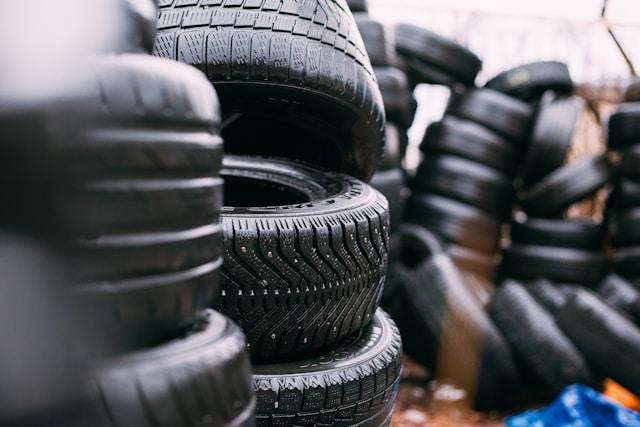
Tires are easy to forget because, on most days, they do their job quietly. The car starts, the steering feels normal, and the road rolls by the same way it did yesterday. That quiet is exactly what makes tire care so important. Tires are the only parts of a car designed to touch the road, and every action you take behind the wheel is filtered through four contact patches that are each roughly the size of your palm. When you accelerate, brake, turn, or swerve around a sudden obstacle, the tires decide how faithfully the car follows your intentions. Regular tire maintenance matters because it keeps that decision predictable, and predictability is what keeps a routine commute from turning into a frightening surprise.
A tire is not just rubber wrapped around a wheel. It is a carefully engineered structure built to support weight, absorb impact, manage heat, and hold traction across changing conditions. It has a shape it is meant to maintain, and that shape depends heavily on air pressure. When pressure is right, the tire’s tread sits evenly on the road, the sidewall flexes within its intended range, and the vehicle responds consistently to steering and braking. When pressure drifts too low or too high, the tire’s behavior changes, and so does the car’s behavior. The tricky part is that pressure drift often feels small at first. A few PSI can be hard to notice from the driver’s seat, yet it can meaningfully affect grip, braking distance, and tire wear. Maintenance is the habit that keeps small changes from becoming big problems.
Underinflation is one of the most common issues because air loss happens gradually. A tire can lose a little pressure over time even without a puncture, and temperature swings can lower pressure further. When a tire runs low, its sidewalls flex more than they should. Extra flex creates extra heat, and heat accelerates wear while increasing the risk of a failure on long drives or hot days. Low pressure also makes the tire feel softer and less precise, which can show up as sluggish steering response or a slight wandering sensation on the highway. Many drivers adapt without realizing it, and that adaptation is dangerous because it normalizes a degraded baseline. Checking and correcting pressure regularly is not about being obsessive, it is about keeping the tire close to the environment it was designed for.
Overinflation is less common but still a concern, especially when drivers inflate to the maximum number printed on the tire sidewall instead of following the vehicle’s recommended specification. Too much pressure stiffens the tire and reduces the effective contact patch, which can decrease grip on uneven roads. It can also make the ride harsher, which encourages the tire to bounce and lose stable contact on rough surfaces. Overinflated tires often wear faster in the center of the tread, shortening the tire’s life and undermining the value you paid for. Regular checks prevent both extremes by bringing your tires back to the right target before the wear patterns and handling changes become entrenched.
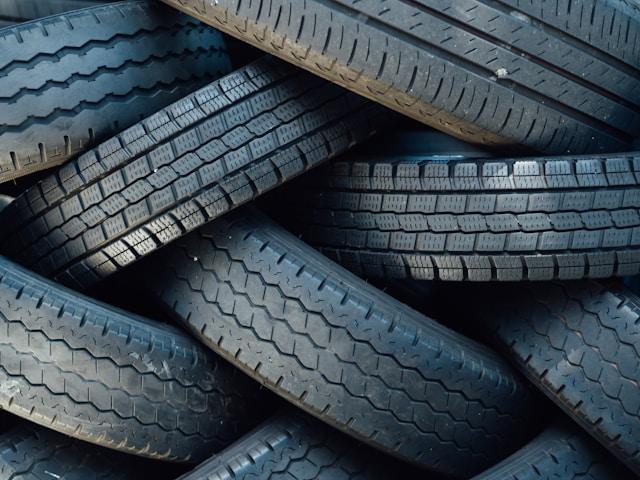
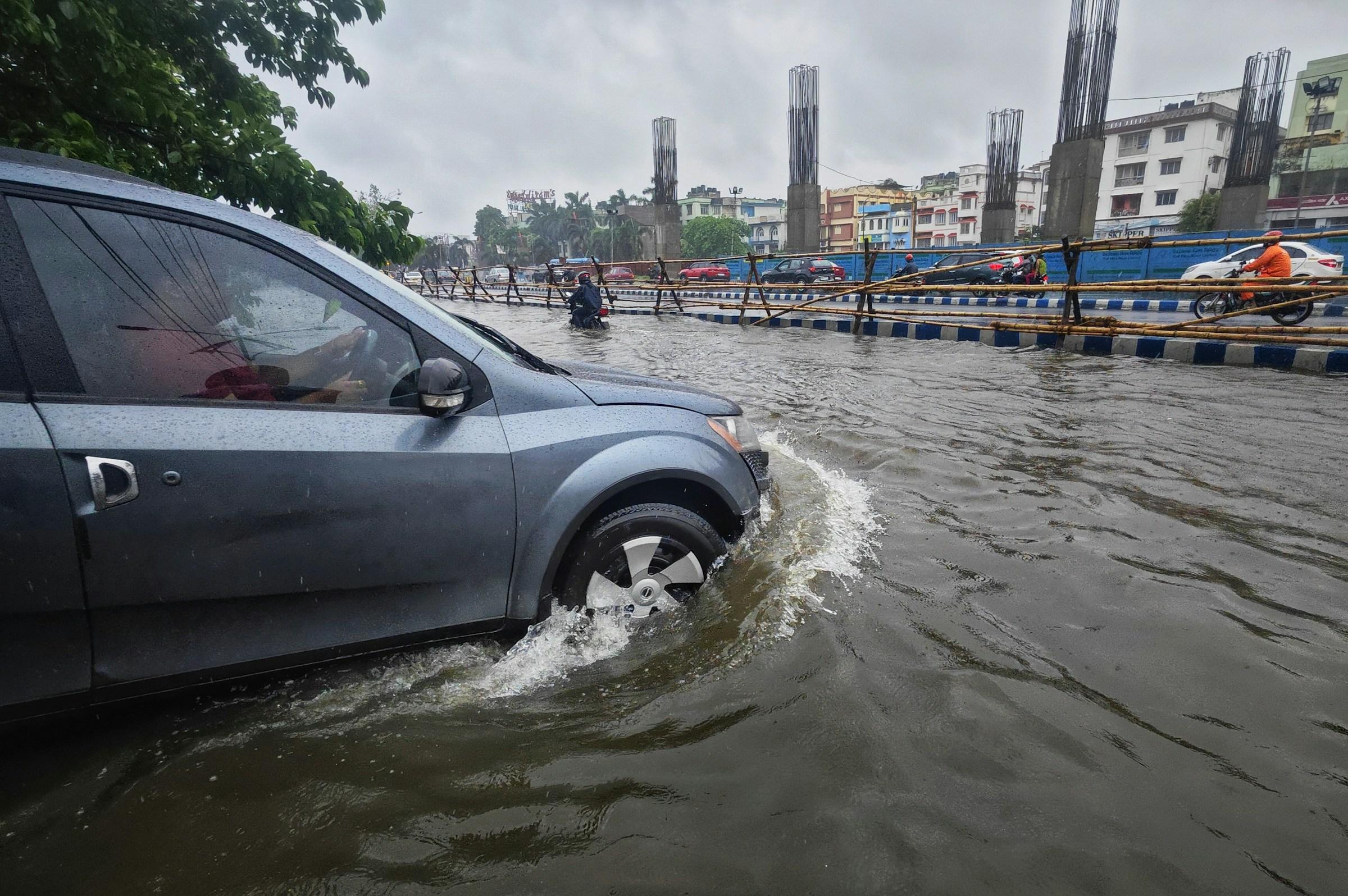
Tread depth is the other foundational reason maintenance matters, particularly in wet weather. Tread is not decorative. It is a water management system. Its grooves and channels move water away so rubber can maintain contact with the road. As tread wears down, that water-clearing ability declines. This is why a tire that still looks “okay” to the casual eye can perform poorly in rain. Hydroplaning risk rises as tread depth drops, and once a tire starts riding on water instead of gripping asphalt, your braking and steering inputs have far less effect. Maintaining tires means keeping an eye on tread depth and recognizing that grip is not only about the last millimeter before baldness. It is about preserving a margin of safety that you can rely on when the road turns glossy and unpredictable.
Tread also tells a story about how the rest of the car is functioning. Even wear across the tread usually indicates that inflation, alignment, and rotation habits are reasonably healthy. Uneven wear is a warning sign. If one edge wears faster than the other, the wheels may be misaligned. If the center wears quickly, pressure may be too high. If both shoulders wear, pressure may be too low or the tire is being asked to carry loads or cornering forces it is not optimized for. Sometimes the pattern points to deeper issues like suspension wear or wheel imbalance. When you pay attention to tires, you are not only protecting the tires, you are monitoring the health of the vehicle’s steering and suspension systems. Tires become a visible report card for problems that might otherwise stay hidden until they feel expensive.
Rotation is one of the simplest practices that protects both safety and cost. Tires on a vehicle rarely wear at the same rate, because different corners of the car handle different forces. Front tires often endure more wear due to steering and the way weight shifts forward during braking. On many front-wheel drive cars, the front tires also handle acceleration, which adds another layer of strain. If tires are left in the same positions for too long, the difference in wear between front and rear grows. That imbalance can lead to a car that feels less stable in the wet or less predictable in emergency maneuvers. Rotating tires on schedule helps distribute wear more evenly, which makes handling more consistent and increases the likelihood that you can replace tires as a set rather than in awkward mismatched pairs.
Alignment deserves attention because it can quietly destroy tires while making the car feel only slightly off. A steering wheel that is no longer centered, a subtle pull to one side, or a feeling that the car requires constant small corrections can be signs that alignment is out. Alignment issues often occur after hitting potholes or curbs, and they can also develop gradually as suspension components wear. The consequence is not only faster wear, but wear in the wrong places, especially along the inner edges where it can be hard to spot until the tire is already compromised. Regular maintenance means treating alignment as preventative care rather than something you address after you have already paid for a tire to be eaten alive.
Wheel balance is another overlooked factor that affects both comfort and longevity. An unbalanced wheel can create vibrations that show up at certain speeds, commonly on highways. Many drivers tolerate this vibration and assume it is “just how the car is,” but the vibration can contribute to irregular wear and can place unnecessary stress on suspension and steering components. Balancing is not about perfection for perfection’s sake. It is about ensuring the tire rolls smoothly, maintains steady contact with the road, and wears in a more uniform pattern. A smooth ride is not only nicer, it is often a signal that the car is behaving as it should.
Regular tire maintenance also includes the discipline of visual inspection, which is where safety becomes immediate. Tires pick up nails and screws, suffer cuts from debris, and endure sidewall impacts that can damage internal structures. Not all damage causes an instant flat. Some punctures leak slowly, creating a pattern of repeated low pressure that many people solve by topping up air over and over. That habit can mask a real problem that deserves a proper repair or replacement. Sidewall bulges are especially serious because they can indicate structural damage that increases the risk of a blowout. A quick look at your tires from time to time, checking for embedded objects, cracks, bulges, and unusual wear, catches problems when they are manageable rather than when they become urgent.
Age is the quiet variable that surprises people who focus only on tread. Rubber compounds change over time. Exposure to heat, sunlight, and the environment gradually alters flexibility and grip. A tire can have reasonable-looking tread depth yet perform worse than expected because the rubber has hardened with age. This matters most in wet conditions, where pliability helps the tire conform to the road and maintain traction. Age-related cracking, especially on sidewalls, is another reason to treat tires as a time-sensitive component rather than an item you run indefinitely until the tread disappears. Maintenance includes the awareness that “looks fine” can be misleading when the material itself has changed.
There is also a practical financial argument for maintenance that goes beyond avoiding a catastrophic event. Tires are expensive, and poor habits shorten their lifespan. Underinflation increases rolling resistance and heat, both of which accelerate wear. Misalignment scrubs away tread quickly. Ignoring rotation creates uneven wear patterns that force earlier replacement. Regular care helps you get closer to the full value you paid for. Even small improvements matter because tire costs often arrive as a large, sudden expense. A routine spreads that expense out over more months and more kilometers by slowing the forces that prematurely age the tire.
Fuel efficiency is another quiet benefit. Properly inflated tires generally roll more efficiently than underinflated ones, because the tire is not deforming excessively as it rotates. That means the engine does not need to work as hard to keep the car moving. No one becomes rich from tire pressure alone, but the point is not to chase a miracle. The point is to stop bleeding small losses every day. Good maintenance is often about avoiding unnecessary friction, both literal and metaphorical.
The most important payoff, though, is confidence. A car that feels stable and consistent is easier to drive well. When tires are healthy, steering response is more predictable, braking feels more linear, and the car behaves in a way you can anticipate. That matters in normal driving, but it matters even more in the moments when you have no time to think. A child steps off a curb. A motorcycle cuts across your lane. A sudden downpour turns a familiar road into a slick surface. In those moments, your tires are not a background detail. They are the front line. Maintenance is the discipline that ensures your front line is not quietly weakening while you assume everything is fine.
It helps to think of tire maintenance as reducing uncertainty. Without a routine, every change in feel becomes a guess. Is the steering heavier because the road is grooved, or because the tire is low? Is the car pulling because of crosswind, or because alignment is off? Is that vibration just a rough road, or a balance issue getting worse? When you maintain tires regularly, you establish baselines. You know your pressures are correct. You have a sense of how much tread is left. You can spot new wear patterns early. Then, when something changes, it stands out clearly and you can respond appropriately instead of delaying because you are unsure.
In the end, maintaining tires is less about being meticulous and more about respecting the role tires play in your safety and your daily driving experience. They carry the weight of the car, absorb countless impacts, and translate your decisions into motion and control. The road never stops changing, and neither do conditions like heat, rain, and traffic behavior. A regular maintenance routine gives your tires the best chance to perform the way they were engineered to perform, and it gives you the steady, predictable handling that makes driving calmer and safer. Tires may be easy to ignore, but they are too important to leave to chance.
 WhatsApp
 Instagram
 Threads