Tires are easy to ignore because they sit at the edge of our attention, doing their job quietly until something feels wrong. Then the steering seems vague, the braking distance feels longer, or the car suddenly sounds louder than it used to. What we call “tire performance” often gets blamed on a single cause, as if a tire is either good or bad by nature. In reality, tire performance is the outcome of several factors working together at the same time. The tire is the only part of a car that is meant to touch the road, and that small contact patch has to manage grip, comfort, stability, water evacuation, and durability in conditions that constantly change. Understanding what influences tire performance makes it easier to notice problems earlier, choose the right tire for your driving needs, and maintain predictable handling in everyday life.
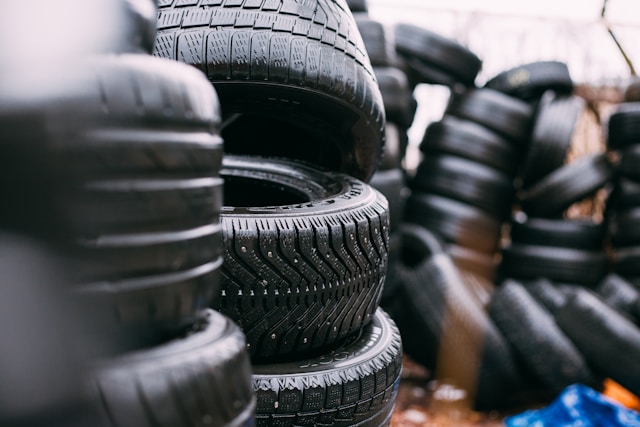
One of the biggest influences is the tire’s rubber compound and overall design. A tire is not made of one generic rubber. It is built from a compound engineered to behave in certain ways, and that behavior affects traction and longevity. Softer compounds usually provide better grip because they can conform more easily to the texture of the road, especially during braking and cornering. The tradeoff is that softer tires tend to wear faster and may feel less crisp over time. Harder compounds often last longer and can roll more efficiently, but they may struggle when the road is cold or slick. Tread pattern also matters because it shapes how the tire interacts with water and road texture. Deep grooves and channels help push water away to maintain contact with the pavement during rain, while more continuous tread blocks can improve stability and responsiveness on dry surfaces. Tread depth plays a direct role here. As tread wears down, the tire has less ability to clear water, which raises the risk of hydroplaning and reduces wet traction. A tire that still looks “fine” from a casual glance may perform very differently once the tread is shallow, especially in heavy rain.
Tire construction adds another layer. The internal structure, including belts and sidewall stiffness, influences how the tire holds its shape under pressure and how it reacts to steering inputs. A stiffer sidewall often creates a sharper, more immediate steering feel, while a softer sidewall can smooth out bumps and feel more forgiving. Tire size and profile height contribute as well. Low-profile tires, which have shorter sidewalls, tend to feel more direct but often ride harsher and can be more vulnerable to pothole damage. Tires with taller sidewalls can absorb road imperfections better but may feel less precise in quick turns. These characteristics help explain why two tires with similar-looking tread can still feel very different on the same vehicle.
Air pressure is one of the most important factors because it influences the shape of the contact patch and the tire’s ability to grip consistently. When pressure is too low, the tire flexes more, builds heat faster, and can feel unstable or sluggish. When pressure is too high, the contact patch can shrink and the ride becomes harsher, which can reduce traction over uneven surfaces because the tire does not conform as well to the road. Pressure is also sensitive to temperature. A tire can lose or gain pressure as ambient conditions change, so a vehicle that feels normal one day can feel slightly different the next even without any mechanical failure. Consistent, correct inflation helps the tire behave predictably, which is often more valuable than chasing some idealized maximum performance.
Temperature affects tire performance in several ways beyond pressure. Rubber becomes more flexible as it warms, which can increase grip within a tire’s intended operating range. Cold temperatures can make rubber stiffer and less able to “bite” the road surface, lowering traction. Road temperature matters too, not just air temperature. Sun-heated pavement can raise tire temperatures quickly, while rain can cool surfaces and reduce friction. In wet conditions, water becomes an additional challenge because the tire must evacuate it fast enough to keep rubber in contact with the road. Hydroplaning is not about bad luck or poor driving alone. It depends on speed, water depth, tread depth, and how effectively the tread design channels water away.
Vehicle setup is another major influence that many drivers overlook. Alignment determines how the tires meet the road, and small misalignments can cause the tire to scrub as it rolls, leading to uneven wear and a car that pulls, vibrates, or feels less stable. Suspension health plays a role as well because shocks, struts, bushings, and joints control how weight shifts during braking and turning. If those parts are worn, the tire can lose consistent contact with the road, reducing grip and making the car feel unpredictable. Wheel balance matters too. An unbalanced wheel creates vibration and can accelerate uneven wear, which eventually changes performance. When a car feels off, it is not always the tire alone. The tire and the vehicle work as a system, and problems in that system can show up through the way the tire behaves.
Load and speed add practical pressure to the equation. Tires carry weight, and heavier loads increase deformation, heat buildup, and wear. A car driven frequently with passengers, cargo, or a packed trunk is asking its tires to do more work than a lightly loaded vehicle. Speed changes the demands even more. Higher speeds generate more heat and increase the forces a tire must withstand while staying stable. That is why a tire can feel acceptable around town but become less steady on highways, and why load ratings and speed ratings exist for safety and performance consistency. Tires have operating windows, and performance becomes less predictable when they are pushed beyond what they were designed to handle.
Road surface and weather introduce variables that can change from one block to the next. Smooth asphalt feels different from rough pavement, and concrete can behave differently from blacktop in both noise and traction. Painted lane markings, metal plates, and bridge surfaces can become especially slick when wet, creating sudden changes in grip that drivers often mistake for a tire problem. Debris like sand, dust, and oil residue can also reduce traction, particularly after long dry periods followed by the first rainfall. Potholes are another hidden factor because a hard impact can damage a tire internally, bend a wheel, or knock alignment out. Sometimes the tire looks normal afterward, but vibration or slow leaks develop later, making it easy to miss the true cause.
Driving style is the most personal influence of all. The same tires on the same car can feel different depending on how someone accelerates, brakes, and turns. Aggressive inputs create more heat and stress, wearing tires faster and sometimes pushing them closer to the edge of their traction limits. Smooth driving keeps tires in a calmer operating range and often feels like “better performance,” even though the tire itself has not changed. Attention matters too. Modern distraction can turn small delays into hard braking or sudden steering corrections, and while good tires can help maintain control, they cannot erase the physics of reaction time and momentum.
Finally, maintenance and age decide whether tire performance stays consistent over time. Tires do not stay the same as they accumulate miles and heat cycles. Rubber can harden with age and exposure, reducing grip even if tread depth still looks decent. Uneven wear from skipped rotations or misalignment can change handling and braking feel. Regular checks for pressure, alignment, and balance help preserve performance and can prevent small issues from becoming expensive ones. Paying attention to changes in road noise, vibration, or steering feel also helps because tires often signal trouble early, long before a visible failure occurs.
In the end, tire performance is not determined by one feature or one mistake. It is shaped by rubber design, tread depth, air pressure, temperature, vehicle alignment and suspension, load, speed, road conditions, driving habits, and the simple passage of time. The most useful goal for most drivers is not perfect performance but predictable performance. When you understand the factors behind it, you can make choices that keep your car feeling stable and safe in the conditions you drive in most, and you can recognize when the system has changed before it surprises you.
 WhatsApp
 Instagram
 Threads