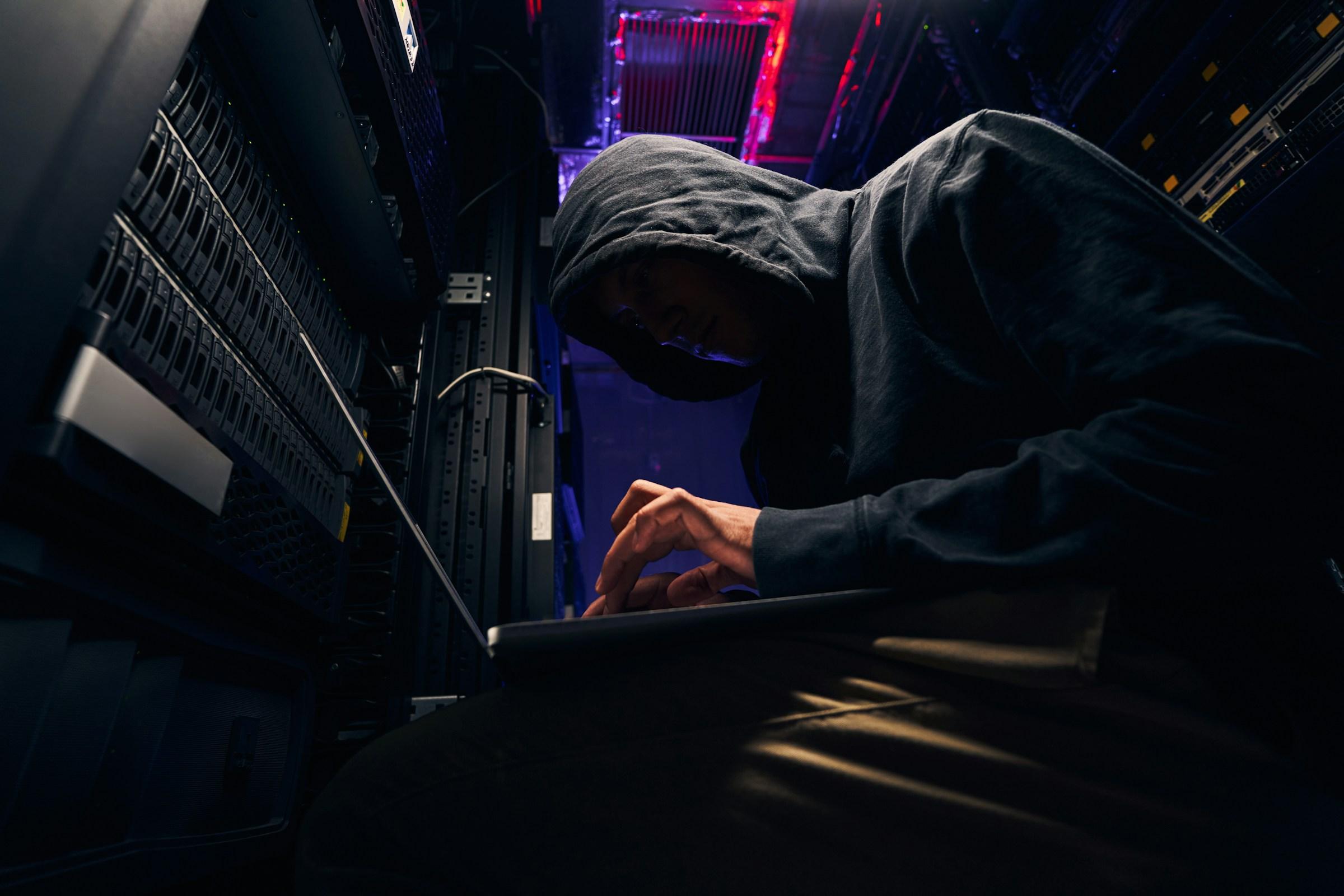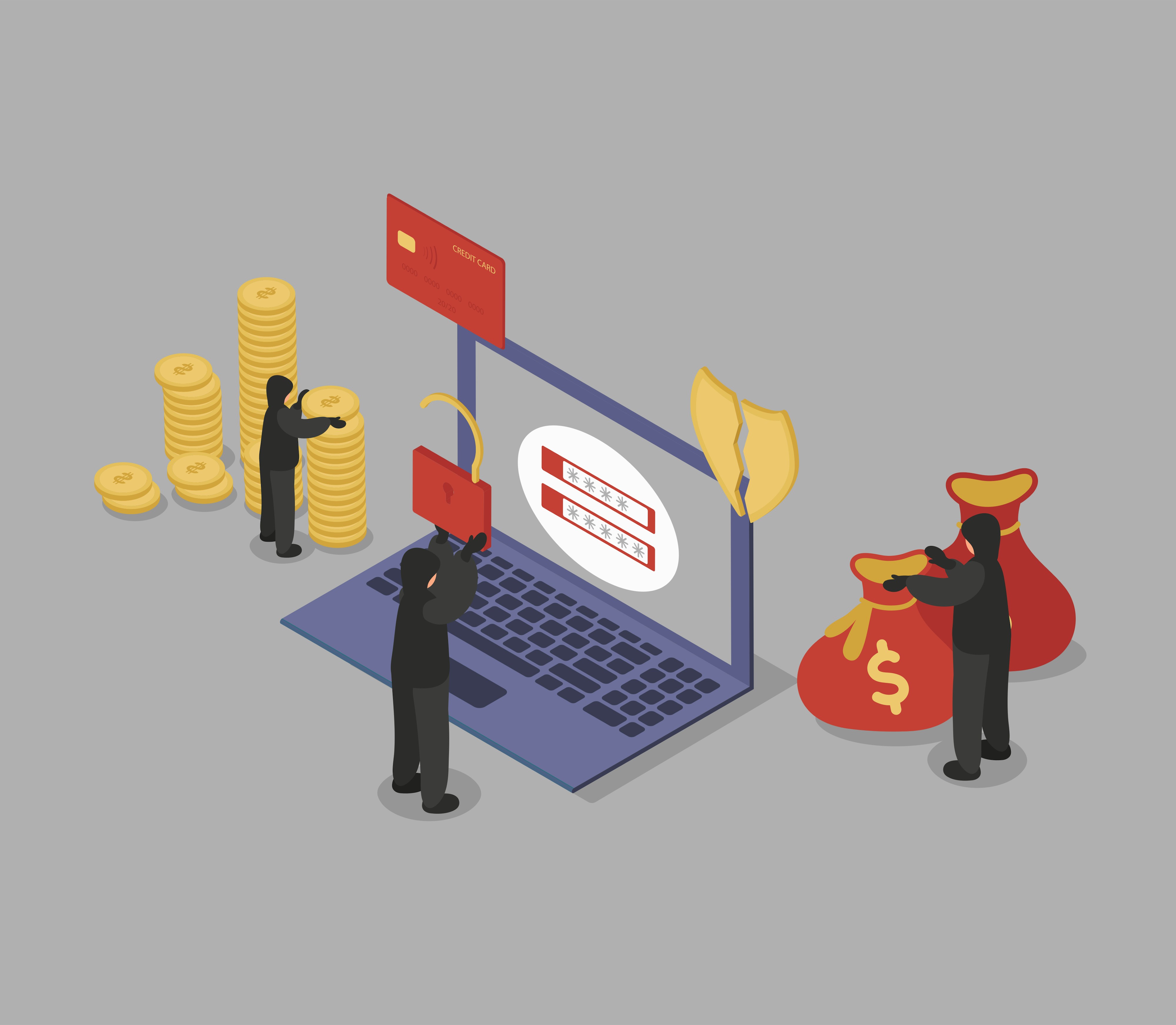
Fraud and financial scams are increasing worldwide because the modern economy has made deception cheaper, faster, and easier to scale than it has ever been before. What used to require a physical presence, a team of trained callers, or a network of local accomplices can now be done with a smartphone, a handful of digital tools, and a payment pathway that moves money in seconds. The world has become more connected, more digital, and more reliant on remote trust, and scammers have learned to exploit every point where trust replaces face-to-face verification.
At the heart of the surge is a basic shift in cost and reach. In the past, a scammer could only contact so many people in a day. Today, one person can contact thousands. Messages can be sent through email, messaging apps, social media, online marketplaces, and even comment sections, and they can be copied, translated, and adjusted quickly. The barrier to entry has dropped. You no longer need to be a master manipulator to run a fraud campaign, because scripts, templates, and step-by-step playbooks circulate widely. In many cases, criminals do not even build their own tools. They rent them. Fraud has become modular, where one group provides stolen data, another provides messaging infrastructure, another provides fake websites, and another provides bank accounts or money movement services. When crime starts to resemble a supply chain, volume increases.
The digital world also provides a second advantage: data. Scammers thrive on context, and the modern internet is full of it. Data breaches expose email addresses, phone numbers, home addresses, partial identification details, and sometimes even financial information. Data brokers and informal marketplaces can turn personal information into a product. Social media adds another layer, because many people share enough about their family, work, travel plans, and daily routines to make an impersonation attempt feel believable. A message that uses your real name, mentions a delivery you expected, references a bank you actually use, or mirrors the way your colleague writes does not feel like spam. It feels like something you should respond to, and that small shift in perception is often all a scam needs to start working.
A third driver is that the nature of fraud has evolved. Many modern scams are not primarily technical attacks on systems. They are psychological attacks on people. Social engineering has become the dominant skill because it works. It is easier to persuade someone to share a one-time password than it is to break into a bank’s security systems. It is easier to convince a customer to authorize a transfer than it is to steal the money directly. Scammers study how people behave under pressure. They do not need you to trust them completely. They only need you to act quickly enough that you do not verify.
This is why urgency appears in nearly every successful scam. The scammer creates a situation where delaying feels dangerous. They claim your account will be frozen, your parcel will be returned, your loved one will be harmed, or you will miss a rare opportunity. Once urgency is established, the scammer pushes the conversation into a narrow tunnel where the only visible exit is compliance. In that tunnel, normal caution feels like an obstacle, and embarrassment becomes a weapon. Many victims later say they had a strange feeling, but they were rushed, flustered, or worried about seeming rude or slow. Scammers understand that people are social. They use that against us.
Technology has amplified this effect. Generative AI has made impersonation and persuasion easier for criminals, not only through dramatic deepfakes, but through everyday automation. Scammers can now write more polished messages, mimic corporate tone, switch languages smoothly, and respond instantly with convincing explanations when questioned. What used to be a telltale sign of a scam, such as awkward grammar, poor translation, or inconsistent details, is less reliable than before. A scammer can refine messages rapidly, test what works, and adapt. Even if the scammer is inexperienced, the tools can make them sound competent.
The speed of modern payments is another major factor. Faster payments are convenient, but they reduce the time available to catch and reverse fraud. When money moves instantly, recovery becomes difficult, especially if the funds are quickly distributed across multiple accounts or moved across borders. Real-time transfers, QR payments, and instant settlement were designed to serve legitimate commerce, yet they also create a structural advantage for criminals. A scammer’s goal is to get the money out of reach before the victim’s doubt turns into action. The faster the rails, the easier that becomes.
Some scam types benefit from additional layers of complexity in money movement. The story varies by country and scam category, but the pattern is consistent: when a payment method makes it harder to trace, reverse, or freeze funds, it becomes attractive to criminals. This does not mean every payment innovation is harmful. It means that innovation changes the terrain, and criminals are quick to find the weak points. The victim experiences the result as a personal misfortune, but the engine behind it is often a structural mismatch between how quickly money can move and how slowly disputes can be resolved.
There is also a darker, less discussed force behind the global increase: the industrialization of scam operations. In several regions, scams are no longer run by a lone actor working from a laptop. They are run like businesses, with training, scripts, performance targets, and supervisors. Some operations are linked to trafficking and coercion, where individuals are forced to participate in fraud under threat or confinement. When scamming becomes an industrial operation, it produces volume, consistency, and relentless experimentation. The scammers become better at customer service, better at maintaining a victim’s attention, and better at handling objections. They also become emotionally detached, because they treat victims as numbers and conversions. This industrial model allows criminal networks to run multiple scam “brands” simultaneously, shifting quickly when enforcement pressures one channel.
The global nature of the internet makes enforcement more challenging. Scams are borderless, but policing is still largely organized by jurisdiction. A victim can be in one country, the scammer in another, the money mule account in a third, and the funds can end up in a fourth. Each handoff slows down investigation. Even when banks and authorities act quickly, coordination across borders can take time, and time is the one thing victims do not have when payments move instantly. This gap between global crime and national enforcement is a structural reason scams continue to grow.
At the same time, trust in institutions is strained in many places, and scammers profit from that strain. When customer service is slow, it is easier to believe a stranger who claims to be “support.” When people feel financially pressured, it is easier to believe in a shortcut. When markets are volatile or inflation bites, it is easier to chase returns that seem to offer relief. Scammers tailor their stories to what the world is already feeling. During periods of uncertainty, they sell security, urgency, and opportunity, sometimes in the same pitch. In wealthier societies, they pose as bankers, brokers, or government agencies. In communities where jobs are scarce, they pose as recruiters. In every environment, they study what people want and what people fear, then build a narrative around it.
Platform design plays a role too. Social platforms, marketplaces, and messaging apps are engineered to reduce friction, increase engagement, and make interactions feel seamless. Those are useful goals for legitimate users, but scammers benefit from the same features. The easier it is to message strangers, create accounts, post ads, and join groups, the easier it is to operate at scale. Platforms do invest in detection and moderation, but scammers adapt rapidly, moving to new platforms, using compromised accounts that look trustworthy, or shifting to private channels where oversight is weaker. Every new feature that improves convenience can also create a new scam pathway, especially during the early period when protections are still catching up.
Another reason scams feel more common is that the line between advertising and deception has become blurrier. Many scams now mimic legitimate marketing. They use polished visuals, testimonials, influencer-like content, and fake reviews. They borrow language from personal finance culture, promising financial independence, passive income, or exclusive access. They exploit the fact that online life is filled with promotions, affiliate links, and sponsored content. When the environment is already saturated with persuasion, a scam can hide in plain sight. Victims are not foolish for being deceived. They are navigating a world designed to capture attention and encourage action.
It is also important to recognize that scam victims are not one stereotype. Scams work on professionals, students, retirees, and experienced investors. A person can be very competent in one area and vulnerable in another. Stress, fatigue, grief, loneliness, and financial pressure can make anyone more susceptible. Some scams target people in transitional moments: moving house, buying property, starting a business, changing jobs, applying for visas, or managing a family crisis. These are moments when people are already juggling tasks, making payments, and communicating with strangers. Scammers know that life events create noise, and noise reduces verification.
In personal finance terms, the rise in scams reflects a world where the cost of deception has collapsed while the cost of carefulness has remained the same. It takes a scammer seconds to send a message. It takes you minutes to verify. When your day is busy, those minutes feel expensive. Many people skip verification not because they are careless, but because their systems are optimized for speed and convenience. Scammers are effectively exploiting the efficiency habits we have built to cope with modern life.
Understanding these drivers matters because it points to a practical response. The goal is not to become paranoid. The goal is to design your financial life so that scams have fewer opportunities to succeed. Since scammers gain an advantage through speed, your defense should create deliberate pauses around money movement and identity changes. Since scammers exploit emotion and urgency, your defense should rely less on willpower and more on simple rules that you can follow even when stressed.
This is where personal finance becomes more than budgeting and investing. It becomes about risk management. Just as you keep emergency savings because life is unpredictable, you should build scam-resistant habits because the environment is unpredictable. You cannot control whether scammers target you, but you can control how easy it is for them to turn contact into loss. The strongest defenses are often quiet and boring: secure your email because it controls your account recovery, strengthen authentication on banking and brokerage accounts, limit how many channels can reset your identity, and ensure transaction alerts are turned on so that unusual activity cannot hide.
The most important behavioral safeguard is a consistent verification routine for any request involving money, especially when the payment destination is new or the request feels urgent. A routine is powerful because it removes the need to debate each situation from scratch. If your rule is that you do not act on financial instructions delivered through chat without calling back on a known number, you have already blocked a large portion of impersonation scams. If your rule is that you do not send money to a new payee without a second confirmation step, you have reduced the chance of being rushed into a mistake. The aim is to replace spontaneous judgment with a predictable process, because predictable processes do not panic.
It also helps to accept a difficult truth: embarrassment is a scammer’s ally. Many people hesitate to verify because they worry about looking distrustful or incompetent. Scammers exploit that social discomfort. They may even compliment you, flatter you, or suggest that only smart people are chosen for special offers. The antidote is to normalize verification. In a world where scams are increasing, checking is not rude. It is responsible. The inconvenience of a short call or a brief pause is small compared to the cost of losing money and dealing with the emotional aftermath.
From a broader perspective, scams will likely continue to rise as long as the structural forces remain: abundant data, scalable communication, AI-assisted persuasion, fast payments, and cross-border complexity. Banks, platforms, and governments are responding, but criminals innovate quickly, and the incentives remain strong. Fraud is a high-reward activity with dispersed harm, which makes it resilient. That does not mean individuals are helpless. It means the smartest response is to treat scams as part of modern financial life and to build habits that slow down the moments where scams succeed.
In the end, the increase in fraud worldwide is not only a story about criminals becoming more active. It is a story about the world becoming more efficient, more digital, and more reliant on distant interactions, and about criminals learning to exploit that efficiency. The way forward is not fear, but friction in the right places. When your financial system can slow a decision long enough for your rational mind to catch up, you regain control. That is what financial security looks like now: not the belief that you will never be targeted, but the confidence that if you are targeted, your safeguards will give you time to think.
 WhatsApp
 Instagram
 Threads


-1.jpg&w=3840&q=75)


.jpg&w=3840&q=75)