A data breach is one of those modern phrases that sounds technical until it lands in your inbox and suddenly feels deeply personal. At its core, a data breach happens when information that should be private or protected gets accessed, exposed, or stolen by someone who is not authorized to see it. That information can belong to an individual, a company, or a whole community of users, but the effect is often the same. The moment you realize your details are no longer only yours, you start replaying your digital life in your head, trying to remember where you signed up, what you shared, and how much of you is stored in places you will never actually visit.
What makes a breach unsettling is that it reveals how many versions of you exist outside your control. You experience yourself as a person with a name, a face, a history, and routines. The internet experiences you as data points, as fields in a database. Your email address, phone number, home address, date of birth, identification numbers, login credentials, purchase history, even the little preferences that seem harmless when you click them. All of these pieces are collected because they make services more convenient, help companies personalize experiences, and allow platforms to verify who you are. Over time, those pieces add up. Even if each individual detail seems small, together they can form a portrait of you that is surprisingly complete.
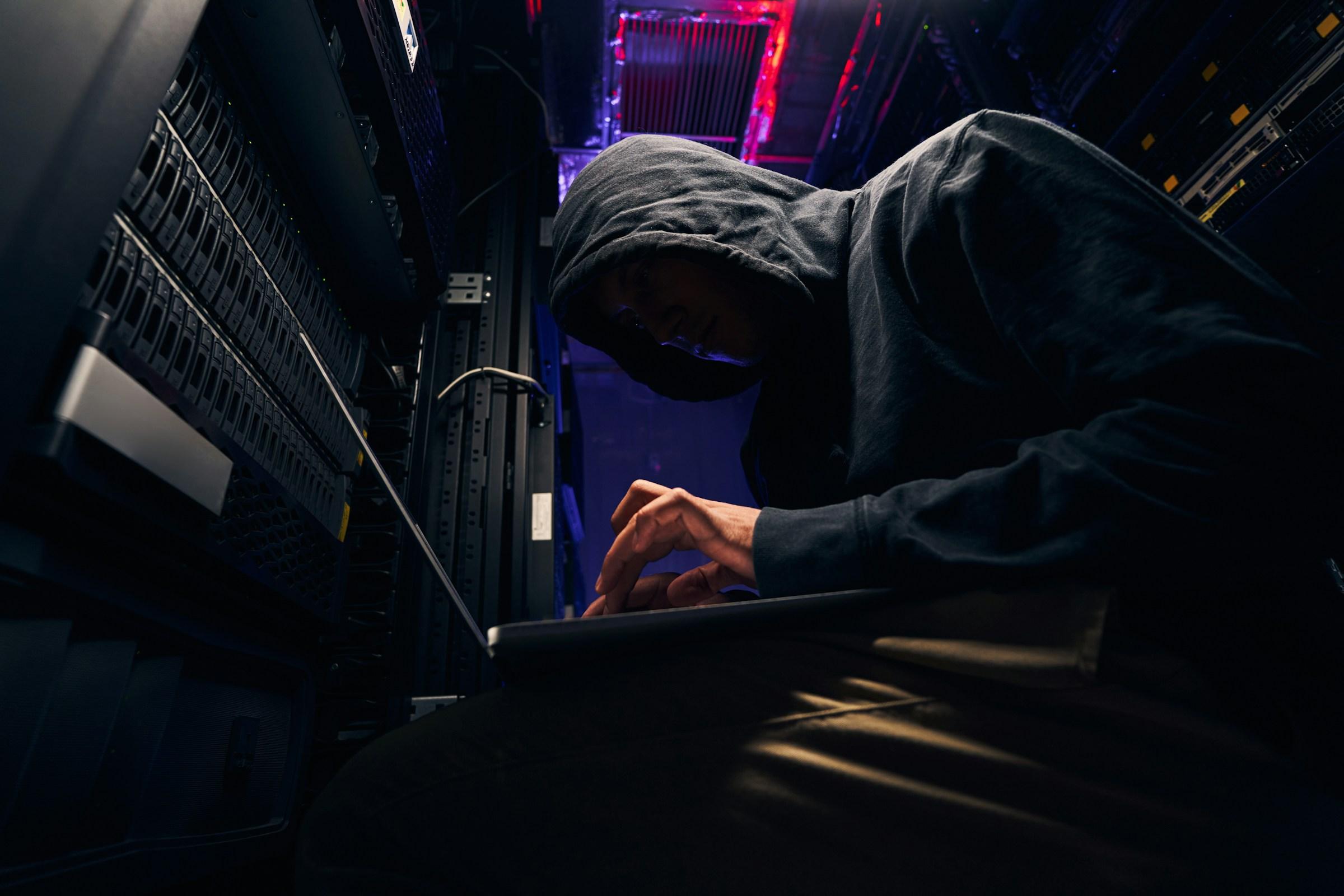
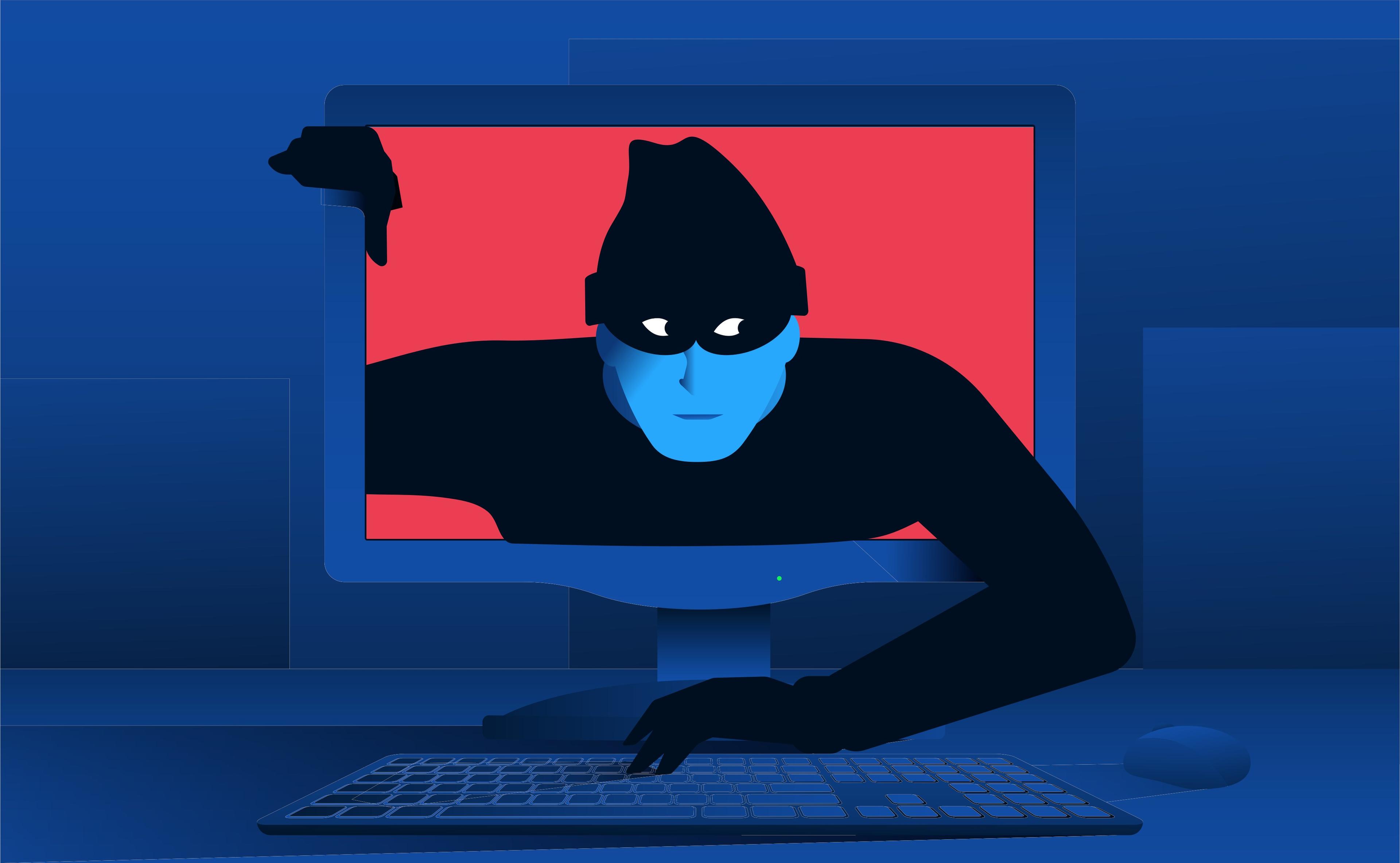
A data breach is not limited to dramatic scenes of criminals breaking through firewalls. People often associate breaches with a stereotypical image of a hacker, but the reality is broader and, in some ways, more frustrating. Some breaches happen because attackers deliberately break into a system through vulnerabilities in software, weak passwords, or stolen employee credentials. Other breaches happen because of mistakes, misconfigurations, and everyday carelessness. A database might be left exposed to the public internet without proper protection. A file might be uploaded to the wrong place. An employee might accidentally send a spreadsheet to the wrong recipient. Sometimes the cause is not a single “bad actor” but a chain of small failures that finally collapses into one large incident.
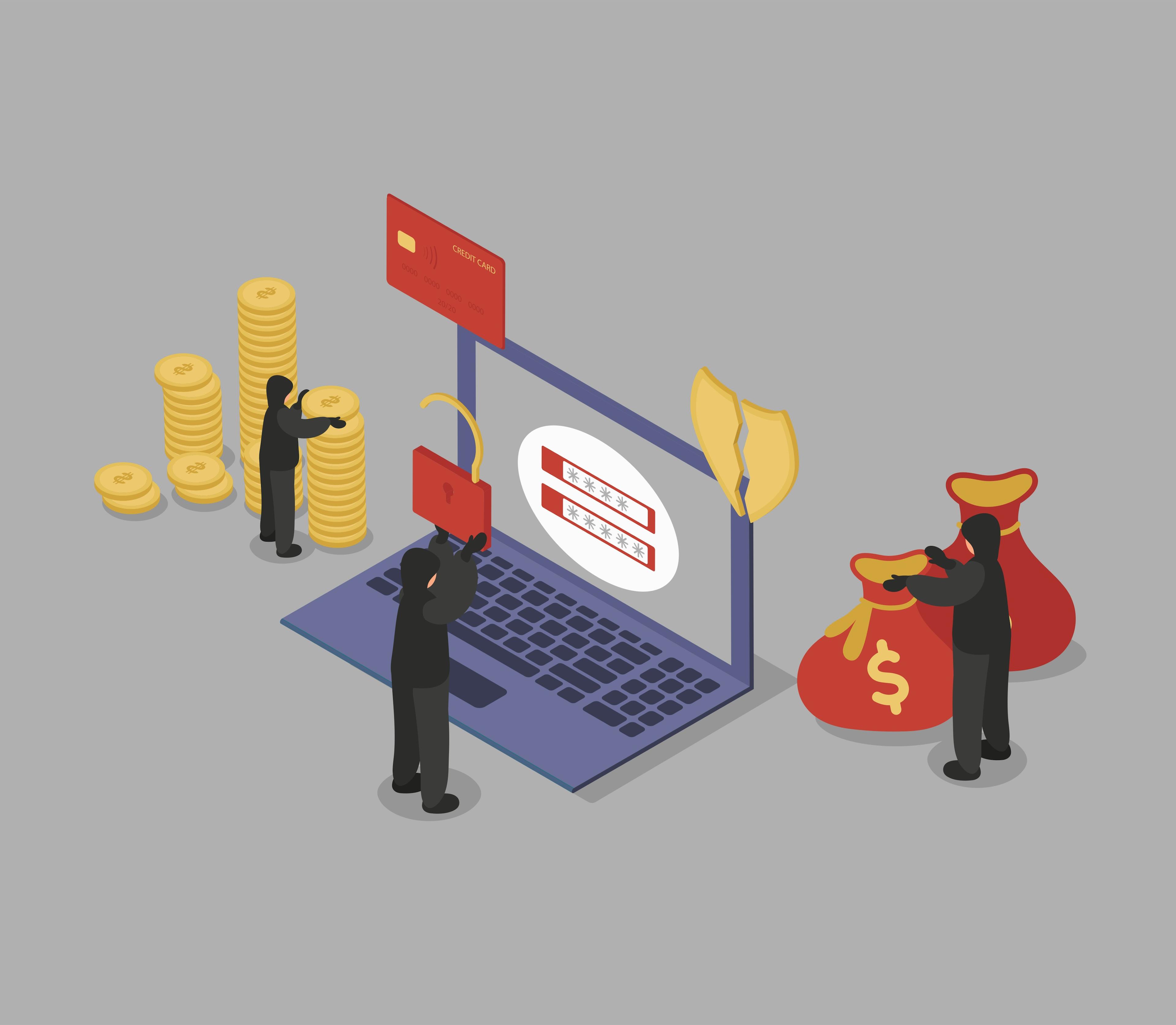
The data involved can vary widely, and the type of data often determines how serious the breach feels. If a breach exposes only an email address and a username, it might sound minor, but even that can be a starting point for scams and account takeovers. If it exposes passwords, even in encrypted form, the risk rises because people reuse passwords across multiple services. If it exposes financial data such as card numbers, banking details, or transaction histories, the immediate fear is fraud. If it exposes medical records, appointment histories, or sensitive personal documents, the harm can feel intimate, like a private part of life has been dragged into public light without consent.
One reason breaches are so common is that modern life depends on data collection. Every online account, mobile app, and subscription service needs some amount of information to function. Even offline businesses now rely on digital systems to manage customers, payments, loyalty programs, and marketing. This means your data is not stored in one place. It is spread across many platforms and vendors, some of which you interact with daily and some of which you may have forgotten entirely. A food delivery app, a shopping site you used once, a clinic portal, a school system, a travel booking site, an old forum you joined years ago. Each one is a storage point, and each point is a potential risk.
When a breach happens at a company you barely remember, it can still affect you because your data can linger. Many services store information longer than users expect. Some keep records for legal reasons. Some keep them for analytics. Some keep them because deleting data is not built into the company’s habits. This creates a strange reality where you might stop thinking about an account, but the account’s database still remembers you. A breach then becomes less about your present choices and more about your past footprint.
The consequences of a data breach are not always immediate, which is part of what makes it tricky. People sometimes assume a breach only matters if money disappears right away. But breaches can fuel harm over time. Stolen information can be sold, traded, and reused in waves of scams. An attacker might use exposed personal details to craft convincing phishing emails. They might impersonate customer support, a bank, or a delivery service. They might use your leaked phone number and address to sound credible, making you more likely to trust them. They might use your information to answer security questions or convince a service provider to reset an account. In many cases, a breach is not the final act. It is the opening move.
There is also a psychological dimension to breaches that rarely gets discussed in purely technical definitions. A breach is a rupture in trust. When you give your data to a service, you are not only handing over information. You are accepting an invisible promise that the service will store it responsibly, restrict access to it, and protect it from misuse. When a breach occurs, that promise breaks. Even if a company offers credit monitoring or apologizes with careful wording, the underlying feeling remains that something private has slipped out into the world and cannot be retrieved.
The way companies communicate breaches adds another layer of frustration. Notifications often arrive weeks or months after the breach happened because organizations may not detect intrusions immediately. Sometimes they discover suspicious activity only after unusual patterns appear. Sometimes they learn about it from security researchers or law enforcement. When users receive a notice long after the fact, it can feel like being told about a leak in your house after the floorboards have already rotted. The delay creates anxiety because it suggests the problem might have been unfolding quietly while you went about your life.
It is also important to separate a data breach from the broader concept of cybersecurity. Cybersecurity is the larger field of protecting systems, networks, and data from threats. It includes tools, policies, and habits that reduce risk, such as strong authentication, encryption, secure coding practices, employee training, and incident response planning. A data breach is an event, a specific incident where those protections fail or are bypassed. Cybersecurity is the ongoing effort. A breach is the moment it breaks down, whether because of attackers, negligence, or bad luck.
Not all breaches are equal, and not all exposures lead to harm, but uncertainty is part of the damage. If your email address was leaked, you might only face more spam. If your identity number or financial details were leaked, you might face fraud. If your login credentials were leaked, you might lose accounts. The problem is that users rarely know exactly what attackers did with the data, where the data went, or how long it will circulate. Companies might say there is “no evidence of misuse,” but that usually means they cannot confirm misuse through the signals they can detect. It does not guarantee the data is safe. Once data is copied, it can be duplicated endlessly, stored indefinitely, and resurfaced later.
There is also a cultural fatigue around breaches that shapes how people respond. Because breach announcements have become so common, many people feel numb. The first breach notice might trigger panic and a cascade of password changes. The fifth might feel like background noise. This fatigue is understandable, but it creates a dangerous normal. When breaches become routine, people may underestimate how layered the risk can be. A single breach might not destroy your finances, but multiple breaches over time can provide enough scattered details for someone to impersonate you more convincingly. The threat is often cumulative.
At the same time, it is unfair to frame breaches solely as a personal failure. Many advice columns imply that individuals can prevent breaches if they are careful enough, but the truth is that users cannot control how companies store data behind the scenes. You can choose strong passwords, avoid suspicious links, and turn on two factor authentication, and those habits genuinely help. Yet you can still be affected by a breach at a service you used, because the vulnerability might sit inside their system, not yours. The modern internet asks people to carry the burden of security while allowing data collection to expand faster than protection measures.
Understanding what a data breach is also means understanding how interconnected digital systems have become. Companies rarely operate alone. They rely on vendors for payment processing, customer support tools, analytics, cloud storage, marketing platforms, and more. Your data may be shared across multiple third parties as part of normal business operations. This increases efficiency, but it also increases exposure. A breach can happen not only where you signed up, but at a partner organization you never knew existed.
In the end, a data breach is a reminder that digital convenience comes with real vulnerability. It reveals how much of life is stored, how widely it is distributed, and how difficult it is to fully protect once it leaves your hands. It is not just a technical event that happens to companies. It is a personal event that happens to people, because people are the data. The breach is the moment the boundary between private life and public exposure becomes thinner than anyone wanted to admit.
If you strip away the jargon, a data breach is what happens when the digital version of your life leaks. Sometimes it leaks quietly, sometimes loudly, but it almost always changes how safe the online world feels. It forces you to confront a simple truth: the information that proves you are you is valuable, and in the wrong hands, it can be used in ways you never agreed to. That is why data breaches matter, and why understanding them is no longer optional in a world where so much of daily life runs through databases you will never see.
 WhatsApp
 Instagram
 Threads


-1.jpg&w=3840&q=75)

.jpg&w=3840&q=75)