Matcha’s rise is often told as a tidy tale of tradition crossing borders, but its popularity makes more sense when you treat it as a product that learned how to move through multiple worlds at once: the monastery and the cafe, the tea room and the timeline, the sacred and the snackable. Matcha did not become widely loved because everyone suddenly decided they preferred bitter, vegetal flavors. It became popular because it offered a rare combination of story, aesthetics, and emotion. People were not only buying powdered tea. They were buying focus, calm, and a sense of intentional living that could fit into modern routines. The earliest roots of matcha sit in the long history of tea as a tool for concentration. Powdered tea practices traveled from China to Japan, and Japanese tea culture evolved in ways that made tea more than a beverage. In its early uses, tea functioned as a support for alertness, study, and long hours of attention. That origin is not just trivia. It is the beginning of matcha’s most enduring appeal: it is linked to the idea of purposeful energy. Even today, the most common promises around matcha are versions of the same idea, translated for contemporary life. Where tea once served monastic discipline, it now serves office stamina, student focus, and the desire for energy without the emotional turbulence that many people associate with coffee.
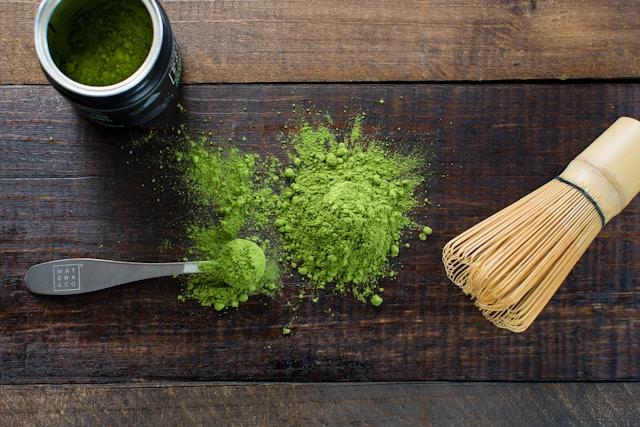
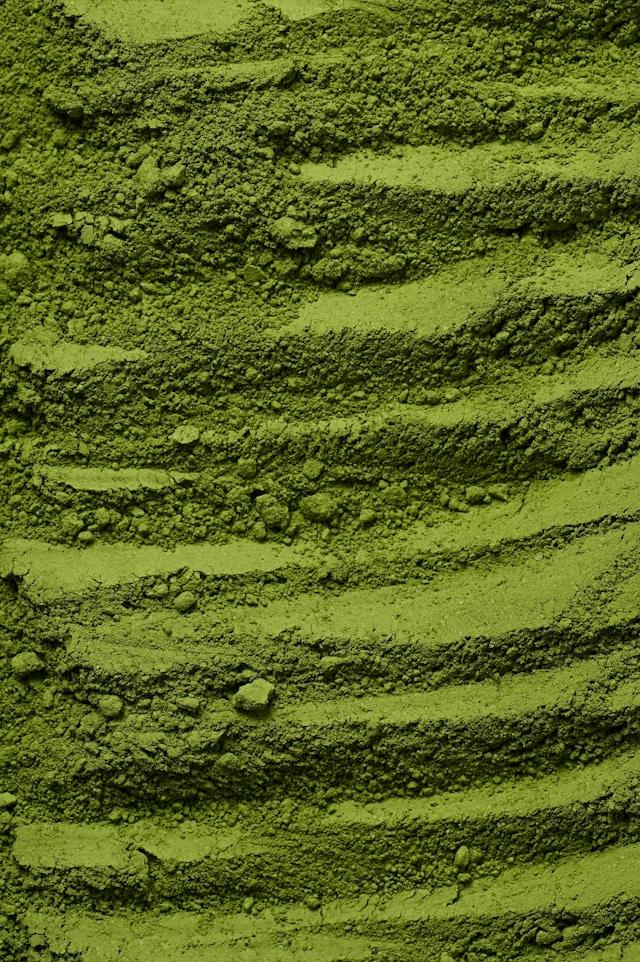
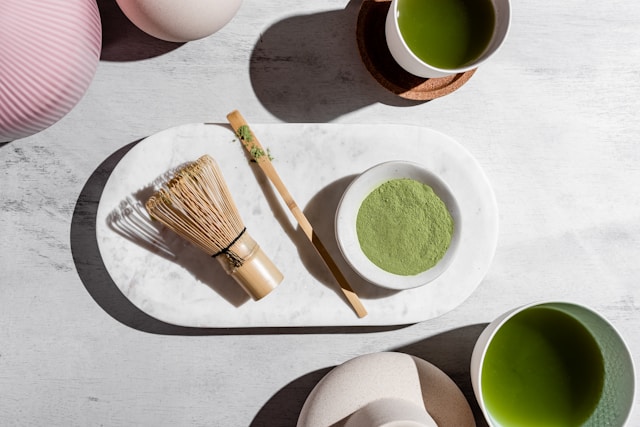
Matcha’s production methods also shaped its destiny because they carry an implicit narrative of craft. Matcha is made from shade-grown tea leaves processed into tencha and ground into a fine powder. Shading influences the leaf’s chemical makeup and contributes to the vivid green color and the umami-forward taste that people associate with quality matcha. This creates a built-in sense of specificity. Matcha feels “made,” not merely brewed. The steps are visible. The powder must be whisked. The process invites attention. In a consumer world full of instant gratification, a product that asks you to slow down can become a kind of luxury. People may not articulate it that way, but they respond to the sensation of ritual, even in simplified form.
Then there is the cultural infrastructure that gave matcha symbolic meaning. The Japanese tea ceremony did more than formalize how tea is prepared. It created a language of values around the act of making and drinking tea: presence, restraint, humility, and deliberateness. Over time, figures associated with shaping tea aesthetics helped turn matcha into a cultural emblem rather than a mere ingredient. Once a drink carries that kind of cultural weight, it becomes unusually exportable. It can be consumed casually while still feeling elevated. It can be bought in a plastic cup while still suggesting refinement. That duality is key to its modern popularity because it allows matcha to exist as both everyday habit and aspirational lifestyle.
For matcha to become mainstream outside Japan, it needed a bridge format, and that bridge was milk. The matcha latte became the global translation device. Milk softens bitterness and creates a familiar texture. Sweeteners make the flavor less challenging. The cafe setting provides a ready-made ritual, one people already understand from coffee culture. This is where large chains mattered. When matcha became a standardized menu item, it stopped being a specialty curiosity and started becoming a default option. The latte format made matcha easy to order, easy to replicate, and easy to sell at scale. Once a drink has a default template, it can spread quickly because it no longer requires education. It only requires curiosity.
Social media turned that spread into a cultural acceleration. Matcha is unusually suited to the visual language of modern platforms. The green is bright and camera-friendly. The layers in iced drinks look satisfying. The whisking process reads as soothing and intimate. Even the powder itself signals intention, as if the drinker is crafting something rather than just consuming it. Online, this matters because so much of wellness culture is not only about health but also about identity. Matcha became popular partly because it allows people to perform a certain version of selfhood. It suggests mindfulness without demanding monastic discipline. It suggests self-care without requiring silence. It can be photographed as “I am someone who tries,” and that message is often more motivating than any flavor profile.
The health halo surrounding matcha further strengthened its position, even when the reality is more nuanced than social media captions. Matcha contains caffeine and theanine, and people frequently describe its effects as smoother or calmer than coffee. For many, that perception alone is enough. Drinks are chosen not only for taste but for how we hope they will shape our day. Matcha offers the promise of energy that feels managed rather than explosive, and in an era where many people feel overstimulated, the appeal of “calm focus” is powerful. Whether or not every person experiences matcha that way, the association became a reliable marketing story, and stories are what scale.
Once matcha reached a certain level of visibility, its popularity became self-reinforcing. More cafes stocked it, which made it easier to try, which made it less intimidating, which pushed it further into the mainstream. Brands expanded it beyond drinks into desserts, snacks, and packaged grocery products. Matcha became a flavor, then a category, then a lifestyle signifier. At that point, popularity stops being about discovery and starts being about infrastructure. Supply chains adapt. Retail shelves allocate space. Menus standardize recipes. People become familiar with ordering it. The product becomes normal.
But matcha’s modern popularity also reveals the limits of scaling something rooted in specific agricultural and processing conditions. When demand surges rapidly, the farm has to respond, and it cannot always respond quickly. Reports of shortages and production strain show what happens when an artisanal narrative meets global consumption. Matcha’s appeal is partly built on the idea that it is carefully produced, yet global markets reward volume, speed, and consistency. That tension is now part of matcha’s story. Its popularity does not only create more lattes. It shifts what farmers grow, how producers allocate resources, and how consumers argue about quality, authenticity, and price.
In the end, matcha became popular because it was built for translation. It carried centuries of meaning but could be simplified into a latte. It offered ritual but could be performed quickly. It promised focus and calm, and those are desires that travel well across cultures. And it looked good while doing all of it. Matcha’s rise is not just a story about tea. It is a story about how modern consumers adopt tradition, reshape it into something convenient and shareable, and then turn it into a symbol. That is how matcha moved from the tea room to the world, and why it continues to feel, for many people, like more than just a drink.
 WhatsApp
 Instagram
 Threads