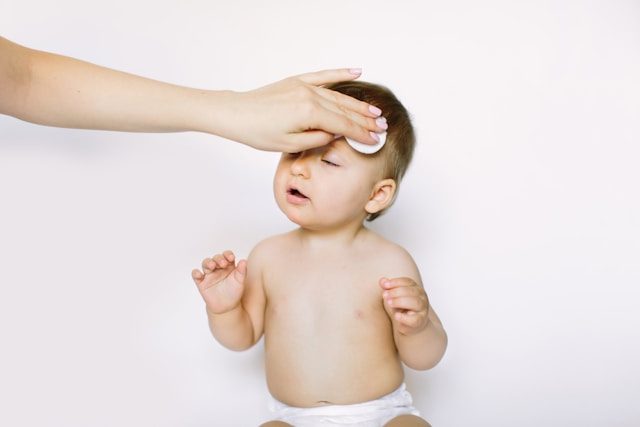
Most infant skincare problems begin with good intentions. New parents want their baby to feel clean, comfortable, and protected, so they add steps, products, and “extra gentle” solutions. But newborn skin is still developing its barrier, which means it often does best with fewer variables and less friction. When irritation shows up, the most helpful shift is to stop thinking like an adult skincare routine and start thinking like a simple barrier care routine.
One of the easiest mistakes to make is bathing too often. Daily baths feel like responsible hygiene, yet babies rarely sweat or get genuinely dirty enough to need a full wash that frequently. The American Academy of Pediatrics notes that three baths per week during the first year may be enough and warns that bathing more often can dry out a baby’s skin. The American Academy of Dermatology echoes this, saying bathing two to three times a week is typically sufficient, as long as the diaper area is cleaned thoroughly at each diaper change. This does not mean parents must avoid baths completely. It means baths should be treated as a tool, not a daily requirement. If you like the calming bedtime rhythm, you can keep the ritual without the full bath by washing just the areas that actually need it, such as the face, neck folds, hands, and bottom, which the NHS describes as “topping and tailing.” Even when bath frequency is reasonable, parents can accidentally turn bath time into a drying session. Long, warm baths and extra scrubbing remove the skin’s protective oils and add irritation through heat and friction. Babies do better with short baths, gentle rinsing, and minimal rubbing. Patting skin dry rather than scrubbing with a towel sounds like a small detail, but over time it can be the difference between calm skin and persistent roughness.
Another common trap is assuming more products equals better care. Baby aisles are designed to make parents feel underprepared without a shelf of cleansers, lotions, and “soothing” add-ons. In reality, newborn skin often benefits from a slower introduction to products, especially in the first weeks. A patient information leaflet from the NHS advises that research points to “less is more,” and suggests avoiding skin cleansing and moisturizing products for the first few weeks so the baby’s skin has time to mature naturally. The issue is not that every product is harmful. The issue is that baby skin has a lower tolerance for unnecessary ingredients, and parents can accidentally create a cycle where a product dries the skin, another product is added to fix it, and the skin becomes more reactive with every new variable.
Fragrance is a frequent culprit in that cycle. It is easy to assume a pleasant scent signals cleanliness or gentleness, but fragrance is also a common source of irritation, especially when exposure is constant. This is not limited to lotions and soaps. Wipes, detergents, and fabric softeners can leave residue on clothing and bedding that stays against the skin all day. When a baby is rashy or flaky, removing fragrance and simplifying ingredients across anything that touches the skin often helps more than buying a new “calming” cream.
The diaper area deserves special attention because it is where many skincare mistakes concentrate. When redness appears, parents often wipe more aggressively, use more soap, and clean more often, which adds friction and strips the skin barrier exactly when it needs protection. Mayo Clinic recommends rinsing with warm water during diaper changes, being gentle, choosing wipes without alcohol or fragrance if wipes irritate, patting dry rather than scrubbing, and it clearly advises not to use talcum powder. Johns Hopkins Medicine similarly emphasizes frequent diaper changes, drying thoroughly, applying petroleum jelly or zinc oxide-based cream as a protective barrier, avoiding talcum powder, and avoiding perfumed or alcohol-containing wipes. These recommendations point to a calmer approach: clean gently, reduce rubbing, let the area dry, then protect the skin with a barrier product when irritation is present.
Powder is an especially persistent mistake because it feels like it should reduce moisture. Yet powders can cake, increase mess, and be inhaled. On top of that, talc has an added safety concern because asbestos contamination is a known issue in the broader talc supply context. The FDA describes its continued testing for asbestos contamination in talc-containing cosmetic products and explains the factors used in selecting products for testing. For routine diaper care, powder is rarely necessary. Gentle cleaning and barrier protection are usually safer and more effective.
Sun protection is another area where parents can inadvertently mis-sequence their choices. The mistake is treating sunscreen as the primary defense for very young infants rather than controlling exposure first. The AAP advises that for babies younger than six months, sunscreen can be used on small areas such as the face if protective clothing and shade are not available, which reflects a larger priority on shade and covering up. The FDA’s consumer update is even more direct in emphasizing keeping newborns and babies younger than six months out of direct sunlight. In practice, this means planning outdoor time around shade, using a canopy or umbrella, and dressing the baby in appropriate protective clothing, then using limited sunscreen only when exposure cannot be avoided.
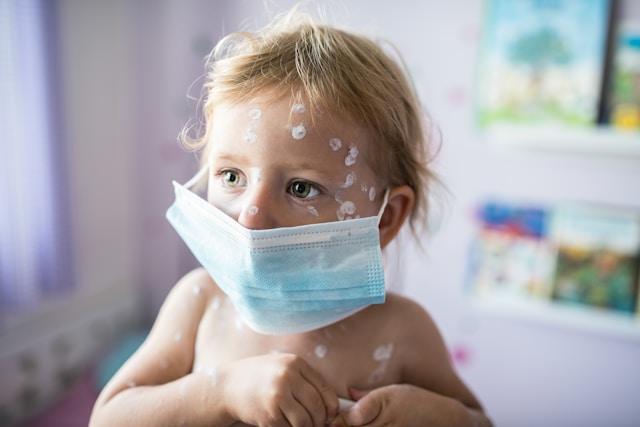
Finally, many parents make things harder by trying to treat every rash with a strong active ingredient. Infant skin goes through transitions that can look alarming but are often temporary. The temptation is to reach for adult acne products, exfoliating acids, or heavily medicated balms. This can worsen irritation and make it harder to identify what is actually happening. A safer default is to simplify: reduce bathing and friction, avoid fragrance, choose gentle diaper care, and support the barrier with a plain, fragrance-free moisturizer if dryness is the issue. If a rash spreads quickly, cracks or weeps, looks infected, comes with fever, or your baby seems unwell, that is the moment to stop experimenting and involve a pediatrician, because the goal is comfort and safety, not trial-and-error skincare.
In the end, avoiding infant skincare mistakes is less about finding a perfect product and more about building a routine that stays simple under stress. Babies benefit when parents bathe less often, keep baths short, limit products early, avoid fragrance, handle diaper changes gently, skip powders, and prioritize shade and clothing for sun protection. When something does go wrong, the most useful question is often not “What else should I add?” but “What can I remove?” That mindset gives infant skin what it needs most: stability, time, and a protected barrier.
 WhatsApp
 Instagram
 Threads







.jpg&w=3840&q=75)