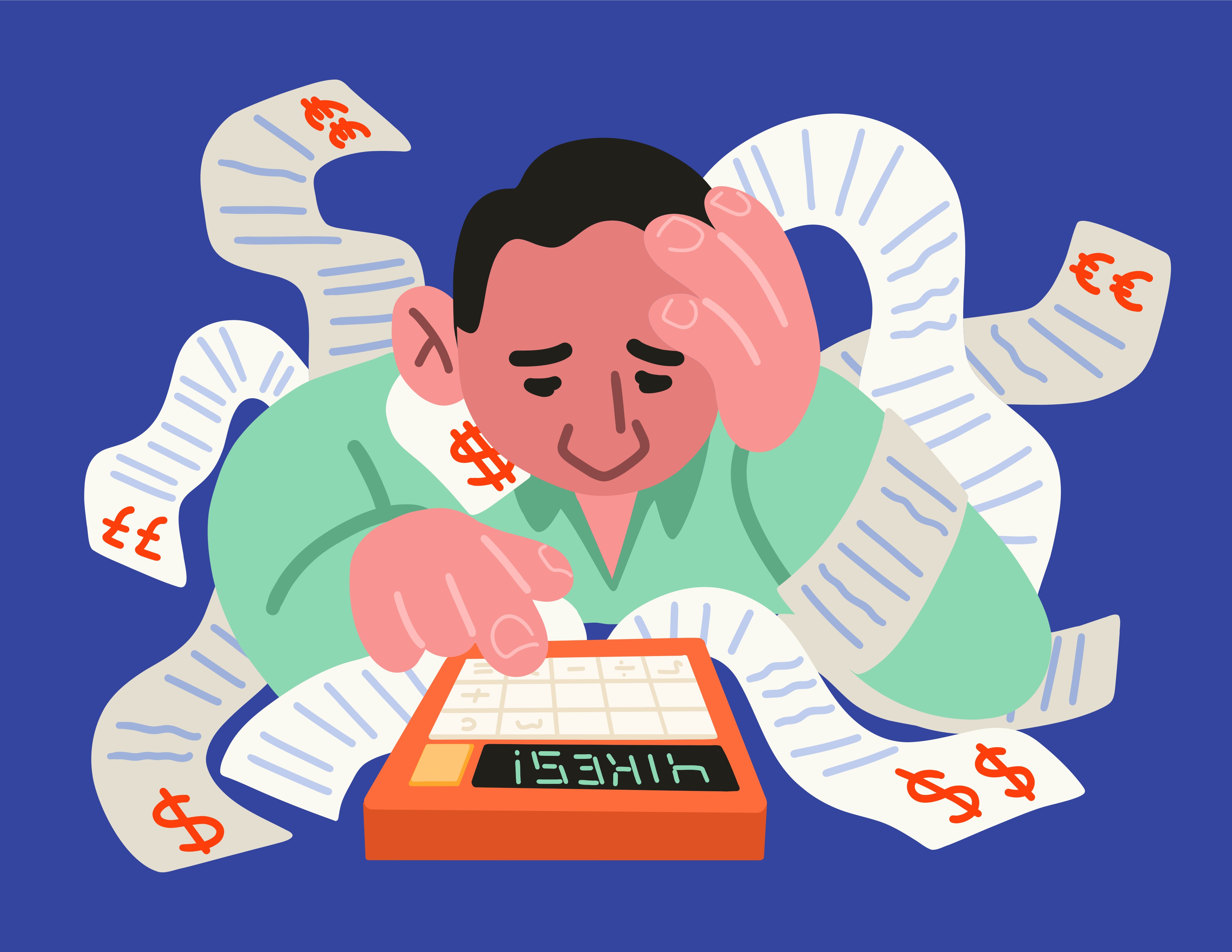
High-interest debt has a way of feeling like background noise until you look closely at what it is doing to your money. You may be paying every month, meeting minimums, and trying to be responsible, yet the balance seems stubborn. That frustration is not a personal failure. It is the predictable math of high interest. This is why paying off high-interest debt first is often the most effective move you can make. It stops the fastest-growing part of your debt from expanding further, reduces the total cost of repayment, and frees up cash flow that you can use to rebuild stability in the rest of your financial life.
Not all debt behaves the same way. A lower-rate loan, such as certain student loans or a mortgage, tends to grow slowly, and your payments usually make a noticeable dent in the balance over time. High-interest debt, especially revolving debt like credit cards, is different. The interest rate is essentially the speed at which your balance wants to grow. The higher the rate, the more aggressively interest charges accumulate each month. When you direct extra repayment toward your highest-rate debt, you are doing more than lowering a balance. You are reducing the future interest that would have been calculated on that balance, which is why the benefit compounds over time. In practical terms, every additional ringgit or dollar you pay toward a high-interest account prevents that amount from continuing to generate expensive charges in the months ahead.
The real damage of high-interest debt is not limited to the total amount you will repay in the future. It also affects your present-day flexibility. Interest becomes a recurring cost that quietly competes with your essential expenses and savings goals. The money you pay toward interest each month is money you cannot use to build an emergency buffer, handle a sudden medical bill, cover a car repair, or simply make your budget less tight. When cash flow is strained, many people end up relying on more credit to manage everyday surprises, which can trap them in a cycle. Paying off the highest interest balance first works as a form of cash flow relief. As the most expensive balance shrinks, the monthly interest charge often decreases too, and that can make it easier to keep moving forward without falling back on borrowing.
There is also a reason high-interest debt tends to feel more stressful than other forms of debt. Much of it is unsecured, which means it is not tied to an asset like a home. Lenders charge higher rates partly because they are taking on more risk. For borrowers, that translates into a financial risk of a different kind. Missing a payment on high-interest debt can come with late fees, penalty rates, and a faster slide into a situation that feels harder to manage. Even if you never miss a payment, the structure of many high-interest products encourages long repayment timelines when you only pay the minimum. This can make it feel like you are running in place. Prioritizing the highest interest first is a way of reducing the chance that one difficult month turns into a costly problem that follows you for years.
Another quiet advantage of paying down high-interest revolving debt is that it can improve your credit profile over time. Credit scoring systems often consider how much of your available credit you are using. If your credit card balances are high relative to your limits, your utilization can rise, which may weigh on your score even if you pay on time. When you reduce those balances, utilization often declines, and that can help support stronger credit health. While a credit score should not be the only reason you choose a strategy, better credit can eventually translate into better borrowing terms if you refinance or apply for a major loan later.
Some people prefer paying off small balances first because it creates quick emotional wins. That approach can be helpful if motivation is the main obstacle and you need immediate proof that you are making progress. However, if your goal is to reduce your total repayment cost and pay off debt more efficiently, prioritizing the highest interest rate is usually the better choice. The biggest win is not always the fastest win you can see. It is the one that stops the most expensive debt from continuing to charge you. Many people who switch to a high-interest-first approach notice that their progress begins to feel more real after the interest burden starts shrinking. Payments that once seemed to disappear into the balance finally start moving the number in a meaningful way.
In practice, paying off high-interest debt first is straightforward. You continue paying the minimum required payments on every account to avoid late fees and protect your repayment history. Then, you direct every extra amount you can afford toward the balance with the highest interest rate until it is fully paid. Once that debt is cleared, you move the amount you were paying into the next highest rate. What changes is not how hard you work. What changes is the order in which you apply your effort, and that small shift often reduces both the time and the total cost of getting out of debt.
Still, it is worth acknowledging that the smartest strategy is not only about math. It is also about sustainability. If you have no emergency buffer at all, or your income is unstable, your first move may need to be stabilizing your finances so that you do not take on new debt when something unexpected happens. A small cash cushion can prevent you from sliding backward. Likewise, if you are behind on payments, catching up and stopping penalty charges may be the priority before you optimize repayment order. Paying off high-interest debt first works best when it sits inside a plan that fits your real life, not an ideal scenario where nothing goes wrong.
A practical way to begin is to gather your numbers and put them in one place: balances, interest rates, minimum payments, and due dates. Then look at your monthly surplus, even if it is modest, and decide what portion can reliably go toward extra repayment. Once you set that rhythm, the goal becomes consistency. Pay minimums on time, put extra toward the highest interest balance, and review your progress monthly rather than obsessing daily. Over time, the strategy does something important beyond saving money. It restores options. It gives you back breathing room in your budget, reduces financial stress, and creates space for better goals, whether that is saving, investing, or simply living without the constant pressure of an expensive balance hovering in the background.
Paying off high-interest debt first is ultimately about stopping the biggest leak in your finances. It is the most direct way to reduce the amount you lose to interest, regain control of cash flow, and shorten the path to a steadier financial life. When that highest-rate balance finally disappears, the result is not just a lower number. It is a shift in how your money behaves, because you are no longer spending so much energy trying to outrun the fastest-growing part of your debt.
 WhatsApp
 Instagram
 Threads