Mental health problems rarely stay contained within the mind. They tend to spread outward, shaping how a person sleeps, thinks, works, connects with others, and cares for their body. When these struggles become persistent, the impact is not only emotional. It becomes practical and measurable, showing up in daily routines, relationships, performance, and long-term health. This is why mental health matters so much. It is not only about feeling sad, worried, or overwhelmed. It is about how well someone can function, recover, and stay steady over time.
One of the earliest impacts many people notice is a change in energy. This is not simply feeling tired after a long day. It is a shift in the ability to start tasks, sustain effort, and follow through. Depression can make even small activities feel heavy, as if each step requires negotiation. Anxiety can drain energy in a different way, keeping the mind locked in alertness and worry, as though danger might appear at any moment. Trauma-related responses can keep the nervous system on high alert even in safe environments. Attention-related challenges can make focus unreliable, which increases frustration and makes basic responsibilities harder to complete. When energy becomes unpredictable, routines begin to break. When routines break, life becomes harder to manage, and the sense of control that supports well-being starts to weaken.
Sleep is another major pathway through which mental health problems create broader consequences. Poor mental health often disrupts sleep, and sleep disruption intensifies mental health symptoms. A person may struggle to fall asleep because their mind will not quiet down, or they may wake repeatedly and feel unrested no matter how long they stay in bed. Sleep is the body’s restoration window, and when that window shrinks, resilience drops. Emotional tolerance becomes thinner. Small inconveniences feel sharper. Patience becomes harder to access. The ability to regulate stress weakens. The result is a cycle where fatigue makes daily life harder, and the stress of daily life makes sleep even worse.
Mental health problems also affect cognition, meaning the practical mental skills needed to function. Concentration can become fragile, memory can become less reliable, and the mind can feel slow or foggy. People often describe this as losing mental bandwidth, where it becomes difficult to hold information, make decisions, or complete tasks that require sustained attention. This has real-world consequences. Work takes longer. Errors increase. Deadlines feel overwhelming. Even simple planning becomes exhausting. Decision-making can also become distorted. Depression can pull a person toward pessimistic predictions, while anxiety can push decisions toward avoiding perceived threats. Under chronic stress, short-term choices can start to dominate, not because the person lacks intelligence, but because their brain is prioritizing immediate survival over long-term strategy.
As mental health shifts, emotional regulation often changes too, and relationships are usually where those changes become visible first. Some people become more irritable and reactive. Others withdraw and become quiet or numb. Some seek constant reassurance because uncertainty feels unbearable, while others avoid conversations entirely because they feel too exposed. Loved ones may misinterpret these changes as personal rejection or stubbornness, when the truth is often that the person’s internal resources are depleted. Misunderstanding can create conflict, and conflict increases stress, which worsens symptoms. Over time, the emotional atmosphere around a person can change, and even strong relationships can begin to feel strained if support and communication break down.
Beyond conflict, mental health problems can slowly erode social connection. People may cancel plans more often, respond less, or stop reaching out altogether. Isolation can feel like relief in the short term, especially when the world feels overwhelming, but it removes the very supports that protect mental health. Human connection offers co-regulation, perspective, encouragement, and practical help. When those buffers disappear, symptoms can deepen and recovery becomes more difficult because there is less structure and fewer reminders that life can still hold meaning and warmth.
Work and school are also heavily affected because success in these environments relies on consistency. Mental health problems often reduce reliability. A person may have bursts of productivity followed by periods of collapse. They may procrastinate because fear and overwhelm make it hard to begin, then scramble under pressure and feel ashamed afterward. They may push themselves too hard to compensate, which can lead to burnout. Challenges with focus, confidence, or social interactions can make teamwork and feedback harder. Even when someone continues showing up, their performance can drop in a quieter way through reduced efficiency and increased mistakes. Over time, opportunities can be lost without anyone naming mental health as the reason. Promotions may slow, goals may shift downward, and the person may start to trust themselves less.
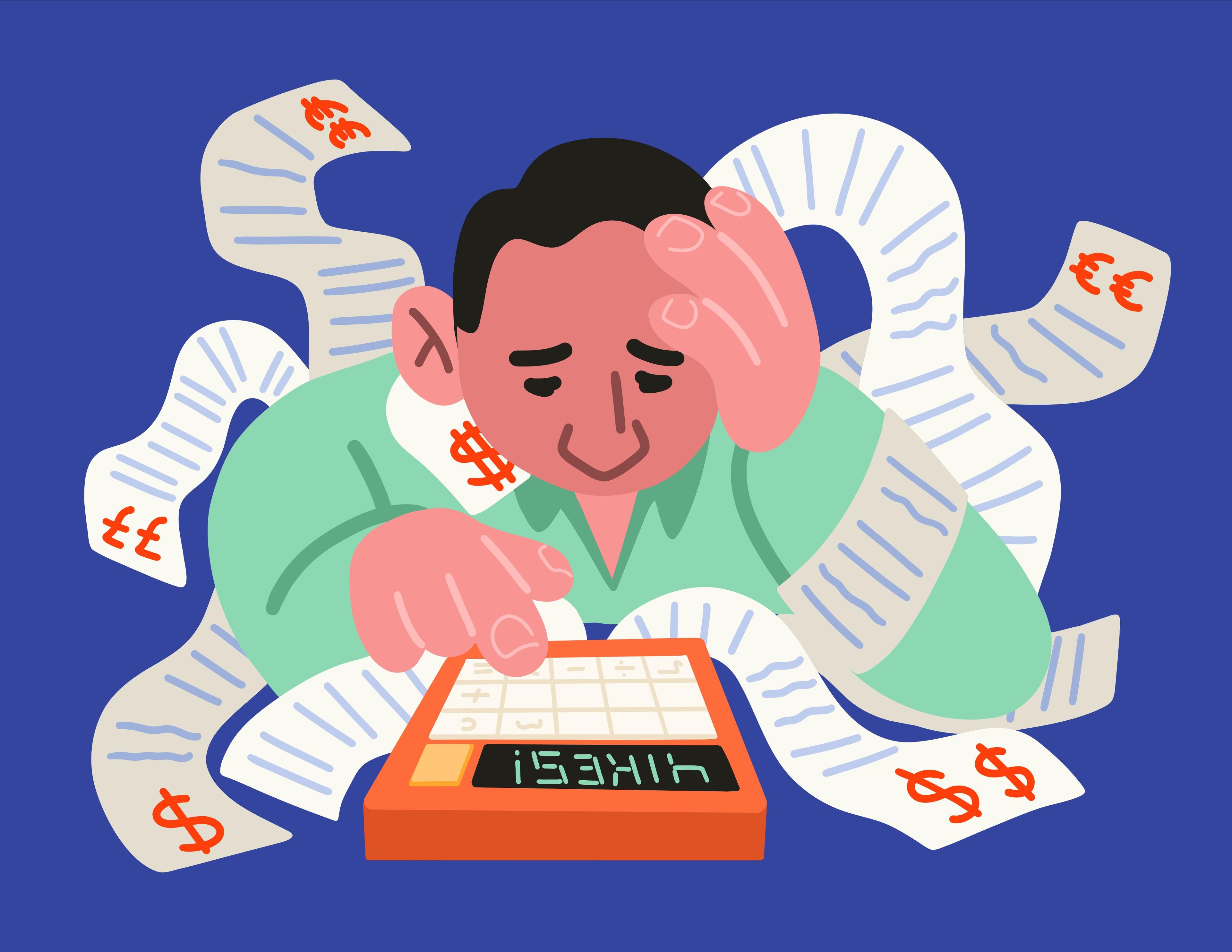
Financial impacts often follow. Reduced performance can limit income growth, and job instability can increase when symptoms become severe. Mental health struggles can also influence spending habits. Some people spend to soothe distress, using food, shopping, alcohol, or other quick comforts to feel better for a moment. Others become avoidant and stop opening bills or managing administrative tasks because the mental load feels unbearable. Late fees, missed payments, and disorganization can pile up. Financial stress then adds another layer of anxiety and pressure, intensifying the original problem and making the cycle feel harder to escape.
Physical health is deeply connected to mental health, even if the connection is not always obvious. Chronic stress affects the body over time by disrupting hormones, increasing inflammation markers, and straining cardiovascular function. When someone is struggling mentally, they may move less, eat less nutritiously, smoke or drink more, and skip preventive care. They might delay medical appointments because they feel overwhelmed, or they might overlook symptoms because they are already operating under constant strain. Mental health problems can also heighten pain sensitivity and contribute to headaches, muscle tension, and digestive issues. The body does not separate mental and physical experience the way we sometimes do in conversation. What happens internally shows up physically, often gradually and quietly.
Risk behaviors can increase as the brain searches for relief. When distress is high and self-regulation is low, quick escapes become more tempting. Some people turn to substances. Some engage in impulsive spending, reckless decisions, or compulsive screen habits. These behaviors are not simply bad choices. They are often attempts to manage unbearable feelings with whatever tools are available in the moment. The short-term relief can feel real, but the long-term cost often includes shame, worsening symptoms, and sometimes addiction or more severe consequences that add complexity to recovery.
In more severe cases, mental health problems can involve safety risks. Suicidal thinking, self-harm, and crisis states are not signs of weakness or attention-seeking. They are signals that pain has exceeded coping resources, and the person cannot currently see a path to relief. This is one reason early support matters. When problems are addressed earlier, it is easier to reduce the intensity of symptoms and prevent the kind of escalation that can become dangerous.
Another impact that is easy to overlook is how mental health problems reshape identity. Over time, a person may begin to interpret their struggles as character flaws. They may tell themselves they are lazy, unreliable, or incapable. These beliefs can become sticky because they appear to be supported by repeated outcomes such as missed deadlines, social withdrawal, or unfinished plans. But often those outcomes are not a measure of ability. They are the result of an overloaded nervous system. When someone starts to believe their identity is broken, motivation tends to drop, and when motivation drops, action becomes harder. The cycle continues, reinforcing a narrative that makes recovery feel even more distant.
Stigma adds another layer of harm. Fear of being judged can keep people quiet and delay care. Masking symptoms at work or at home can also be exhausting, because it requires constant self-monitoring and performance at a time when the person is already depleted. Delayed help often means symptoms have more time to spread into other parts of life, turning what could have been a manageable problem into something that affects multiple domains at once.
Mental health problems also affect the people around the person who is struggling. Partners and family members may shift into caregiving roles. Children may sense emotional instability even when no one talks about it. Colleagues may absorb workload changes when someone is operating below capacity. This does not mean the person struggling is a burden. It means mental health is relational. When one person’s internal system is strained, others often compensate, and without boundaries and support, that compensation can create tension over time.
When you look at the impacts as a whole, a pattern becomes clear. Mental health problems often start a cascade. Stress and emotional strain disrupt sleep. Poor sleep reduces cognitive control and emotional tolerance. Reduced control leads to degraded habits and increased mistakes. Mistakes and conflict increase stress. Stress worsens symptoms. The cascade is common, but it is not inevitable. Understanding the cascade matters because it helps explain why mental health problems can feel like they are taking over a person’s life even if the first symptom seemed small.
The most practical way to understand these impacts is to see mental health as the capacity to recover. Life will always include pressure, uncertainty, and setbacks. What protects a person is not the absence of stress, but the ability to return to baseline after stress. Mental health problems weaken that recovery capacity. When recovery slows, small disruptions build up, and the weight of daily life increases.
In the end, the impact of mental health problems is not limited to mood. It is operational. It changes how someone runs their days, how they connect with people, how they care for their body, and how they plan for the future. Because days compound, these impacts compound too. That is why mental health deserves attention and support, not only when things reach a breaking point, but when the early signs begin to appear and life starts to feel harder to manage than it used to.
 WhatsApp
 Instagram
 Threads