Mental health struggles rarely announce themselves in a way that feels obvious or dramatic. More often, they arrive quietly, disguised as tiredness, irritability, or a run of “off” days that you assume will pass once life settles down. People tend to imagine mental health concerns as visible crises, but many of the most common signs are subtle shifts in daily rhythm. You might still show up to work, still answer messages, still keep moving through responsibilities, yet something about the way you feel and function has changed. Noticing those changes early matters, not because every rough patch is a diagnosis, but because prolonged strain deserves care instead of dismissal.
One of the first places mental health struggles often appear is in your baseline routine. Humans depend on rhythm. When you are doing relatively well, many daily actions happen with minimal effort. You wake up, wash up, eat something, move through your day, and wind down at night with some sense of continuity. When mental health begins to fray, that rhythm can start to wobble. Simple tasks suddenly require negotiation. Getting out of bed feels harder than it should. You begin to skip steps that used to be automatic, not because you are careless, but because your mental energy has become limited and your mind starts rationing what it can handle.
Sleep changes are a common sign, and they can take several forms. Some people struggle to fall asleep because their mind will not stop running. Others fall asleep quickly but wake too early, alert and unsettled, as if their body is bracing for something. Another pattern is sleeping far more than usual, not as restorative rest, but as a retreat from the demands of being awake. When sleep shifts persist for weeks, especially if you also notice mood changes or declining motivation, it is worth paying attention. Sleep is one of the body’s most reliable indicators of stress and emotional overload, and disruptions often reflect that your nervous system is working overtime.
Appetite and eating habits can shift too, sometimes in ways that are easy to overlook. You might lose interest in food and start eating whatever is quickest, repeating the same snack because it requires no thought. Shopping, cooking, and even deciding what to eat can feel like chores you cannot afford. Others may eat more than usual, especially foods that feel soothing or numbing. The more important signal is not whether you eat more or less, but whether your relationship with food becomes disconnected from hunger, pleasure, and self-care. When mental health is strained, food can turn into either another task you avoid or a comfort you lean on more heavily than before.
Mood changes are often what people expect, but they do not always look like sadness. Sometimes the shift is irritability that lingers. You may feel unusually sensitive to minor inconveniences, as if everything is one more burden you cannot carry. Noise becomes aggravating, clutter feels unbearable, and interruptions feel personal even when they are not. In other cases, mood changes show up as emotional flatness. You are not crying or panicking, but you are not enjoying things either. You move through days without warmth, as if your emotions have been turned down. When your emotional range shrinks, it can be a signal that you are running on depleted reserves.
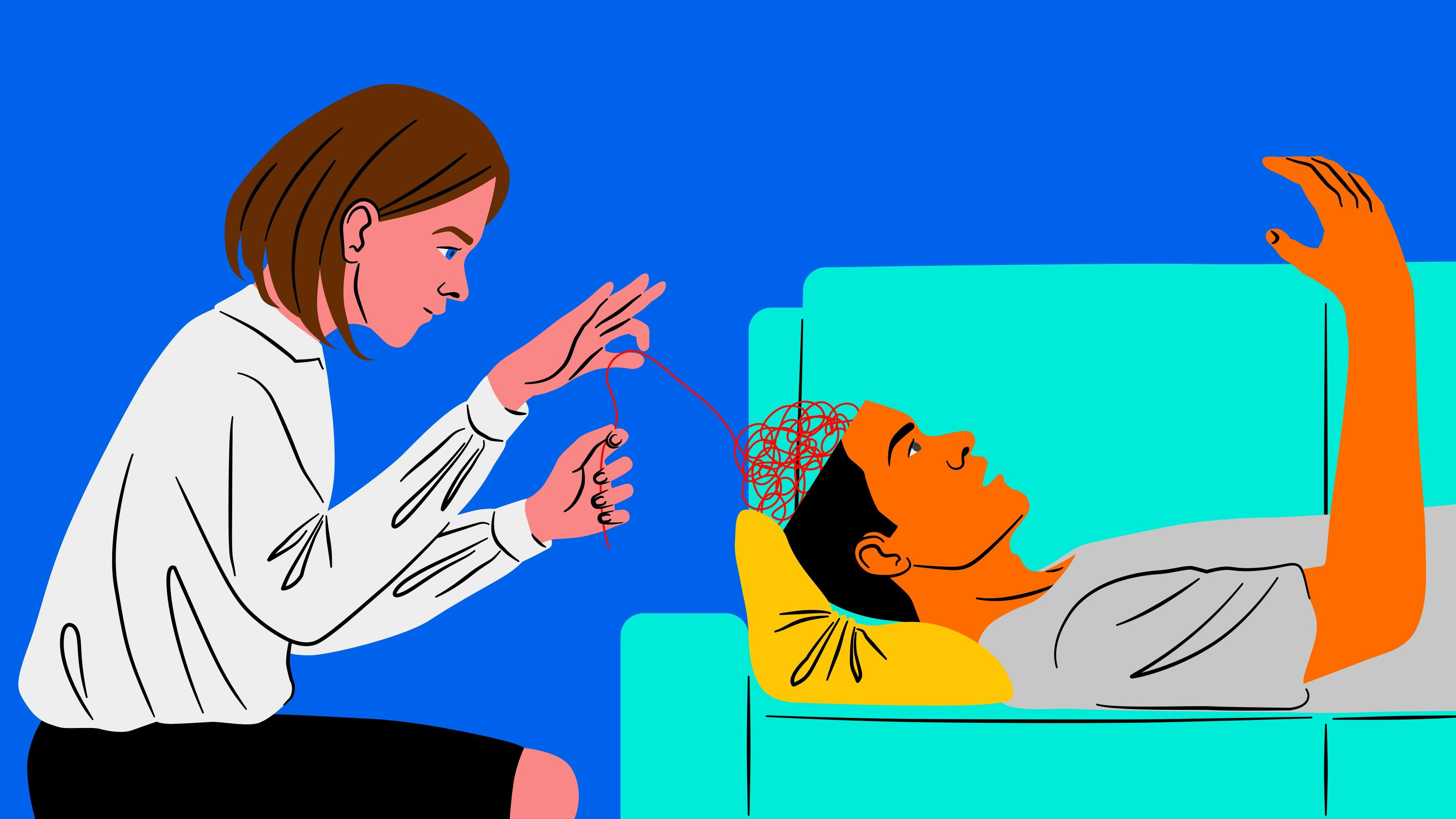
Many mental health struggles also affect concentration and mental clarity. You might find yourself rereading the same paragraph and still not absorbing it. You may forget why you opened your laptop, lose your train of thought mid-sentence, or struggle to make simple decisions. This can be unsettling because it makes you feel unlike yourself. Anxiety can keep the brain in a constant state of scanning and anticipation, making it difficult to focus on one task. Depression and burnout can create a fog that slows thinking and drains motivation. Chronic stress can impair memory and attention, not because you are incapable, but because your body is prioritizing survival over higher-level processing. When you feel like your mind is working harder to accomplish less, that friction is worth noting.
Another common sign is withdrawal, and it can be confusing because it often looks like self-protection. You cancel plans because you are tired. You stop replying because you want quiet. You avoid gatherings because you cannot handle conversation. Sometimes those choices are reasonable and healthy. The key difference is whether withdrawal restores you or isolates you. If you keep pulling away and you feel worse afterward, if loneliness intensifies and connection starts to feel unreachable, withdrawal may be less about rest and more about emotional shutdown. It is not a moral failing. It is a sign your system might be overwhelmed.
Daily upkeep can also change in noticeable ways. Your home may become harder to manage, not because mess automatically equals mental health issues, but because changes in upkeep can reflect changes in capacity. Dishes pile up because you cannot start. Laundry remains in baskets because folding feels impossible. Showering becomes sporadic because even basic care feels like too many steps. These signs are often paired with shame, which makes them harder to talk about. But in many cases, the environment is simply mirroring what is happening internally. When the mind is overloaded, executive functioning suffers. Tasks that require sequencing, initiating, and sustaining attention become harder. What looks like laziness from the outside may actually be a person who is running out of bandwidth.
In the body, mental health struggles often show up as physical symptoms. Tight shoulders, jaw clenching, headaches, digestive issues, fatigue, and a persistent sense of restlessness can all be connected to stress, anxiety, and depression. Some people notice a racing heart, shallow breathing, or a constant tension they cannot relax. The body is not separate from the mind. When emotional strain is prolonged, the stress response can remain activated, and the body begins to communicate that something is out of balance. If you notice physical symptoms alongside emotional changes, it may be worth considering whether your mental load is contributing.
Self-talk is another place where mental health struggles leave fingerprints. In healthier seasons, you may make a mistake and feel annoyed, but you recover. In harder seasons, your inner voice can become sharp, absolute, and punishing. Thoughts turn into sweeping judgments. You might tell yourself you always fail, that nothing will improve, that you are a burden, or that you do not deserve support. This kind of thinking is more than negativity. It can be a symptom of depression, anxiety, or chronic stress. When the inner voice becomes relentlessly critical or hopeless, it is a strong sign that you might need help, not more self-discipline.
Relationships often reflect these shifts as well. You may become more reactive, interpreting neutral comments as criticism. You may feel unusually rejected or easily hurt. Alternatively, you might become quieter and less present, not because you do not care, but because you are conserving energy. People who love you may notice you seem distant, less patient, or less engaged. Conflict can increase, or silence can deepen. If you find yourself withdrawing from intimacy, avoiding difficult conversations, or feeling unable to show up emotionally, it may be a sign that your internal resources are stretched thin.
Sometimes the sign is a loss of interest in things you used to enjoy. Activities that once felt relaxing or exciting can start to feel pointless. Music does not land. Hobbies feel like chores. Even good news may not bring the expected lift. This experience can be frightening because it makes people wonder if something inside them has broken. In many cases, it is a signal of depression or burnout, where the ability to access pleasure becomes dulled. On the other end of the spectrum, some people chase stimulation more than usual. They scroll for hours, shop impulsively, drink more often, or stay constantly busy so they never have to sit with their feelings. These behaviors can be attempts to regulate discomfort. They deserve curiosity, not judgment.
You might also notice changes in decision-making, either toward impulsivity or paralysis. Mental health struggles can push some people toward sudden actions, such as quitting jobs, picking fights, or making risky purchases, because urgency feels like relief. Others experience the opposite, where even small choices feel impossible. You might stand in front of the fridge unable to decide what to eat, or you might delay important tasks because starting feels overwhelming. If you feel stuck in extremes, either rushing or freezing, it can be a sign that your nervous system is struggling to find stability.
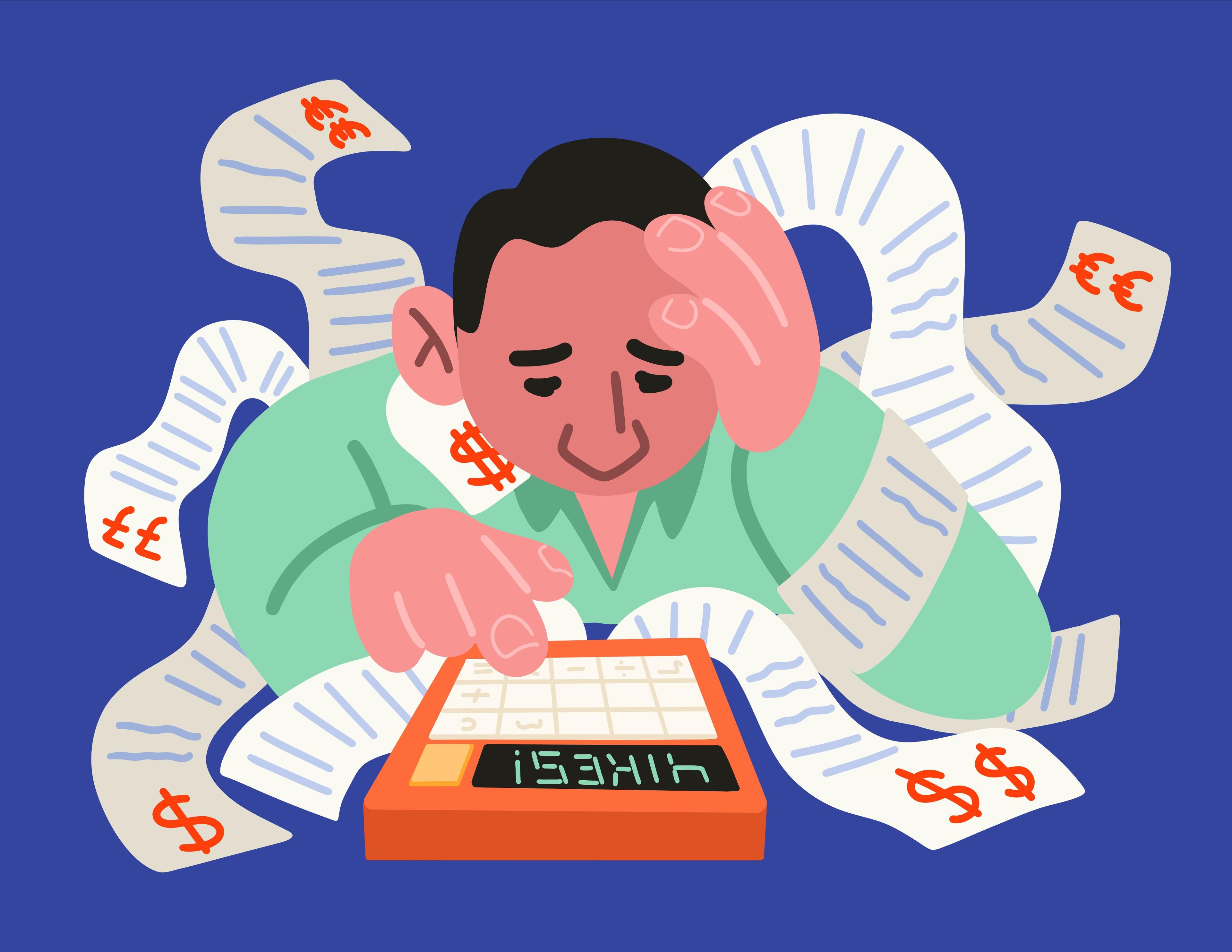
A subtler sign that often goes unnoticed is losing your sense of time and continuity. Days blur together. You cannot remember what happened last week. You feel like you are always catching up, always behind, always responding to whatever is loudest. This is common in chronic stress and burnout. When life becomes a constant series of reactions, you lose the space to process emotions and make choices from a grounded place. You may not notice how strained you are because you have been functioning on urgency for so long it feels normal. But a life lived entirely in reaction mode often points to a body and mind that are stuck in survival.
Because these signs can overlap with normal stress, it helps to consider patterns rather than isolated moments. Everyone has rough days. Everyone experiences fatigue, distraction, and low mood at times. The question is whether the changes persist and whether they begin to interfere with your ability to live your life. If sleep is disrupted for weeks, if your mood has shifted noticeably, if functioning at work or at home feels increasingly difficult, or if relationships are being affected, those are signals worth taking seriously. Duration matters. Intensity matters. Interference matters.
It also helps to pay attention to how widespread the difficulty feels. In a normal stressful week, one area of life might feel hard, but other areas remain steady. When mental health struggles deepen, difficulty can spread across many areas. It becomes harder to care for yourself, harder to focus, harder to connect, harder to rest. You begin to experience life as friction. Everything takes more effort than it should. That friction is not proof that you are failing. It is evidence that your system is overloaded.
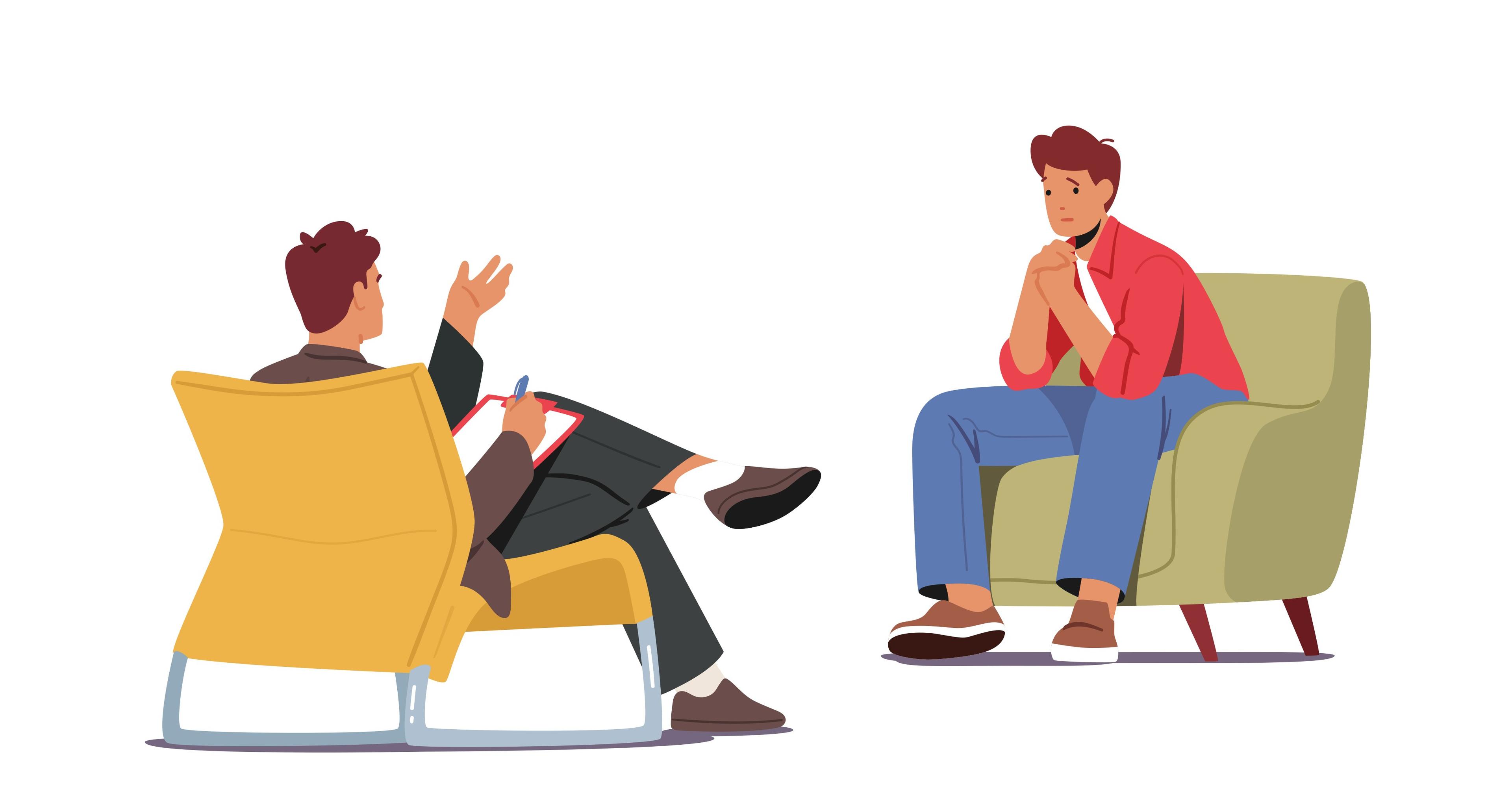
If you recognize these signs in yourself, it can be tempting to minimize them. You might tell yourself others have it worse, that you should be more grateful, that you just need to try harder. But noticing is not overreacting. Noticing is a form of care. It is you paying attention to your own patterns the way you would pay attention to someone you love. You do not have to wait until things collapse to take yourself seriously. Support can look different depending on what you need. Sometimes it is as simple as telling someone you trust that you have been struggling, and letting them witness your reality without rushing to fix it. Sometimes it means seeking professional help through therapy, counseling, or a medical consultation, especially if symptoms persist or intensify. Sometimes support is practical, like someone helping you reset your space, sharing meals, or taking a few responsibilities off your plate so you can recover. Mental health rarely improves through willpower alone. It improves through support, structure, and compassion that makes healing possible.
If you are noticing signs in someone else, the goal is not to diagnose them. The goal is to make connection easier. You can name what you see gently, without accusations or drama. You can say they seem more tired, quieter, or distant than usual. You can ask what has been heavy lately. You can offer a specific kind of help rather than a vague “let me know.” Sometimes people do not reach out because they do not know how, or because they feel ashamed. Your steadiness can make support feel safer.
There is also one important line to draw clearly. If you or someone you know feels unsafe, is talking about self-harm, or seems at risk of harming themselves, treat it as urgent. Reach out to local emergency services or a crisis hotline in your area and seek immediate help. In those moments, the priority is safety, not politeness. Mental health struggles often begin as small changes. A little less sleep. A little more irritation. A little less motivation. A little more isolation. None of these signs alone tells a full story, but together they can point to a person who is carrying too much for too long. Paying attention does not mean something is wrong with you. It means you are listening. And listening, especially when life has taught us to push through, is often the first step toward getting the support you deserve.
 WhatsApp
 Instagram
 Threads