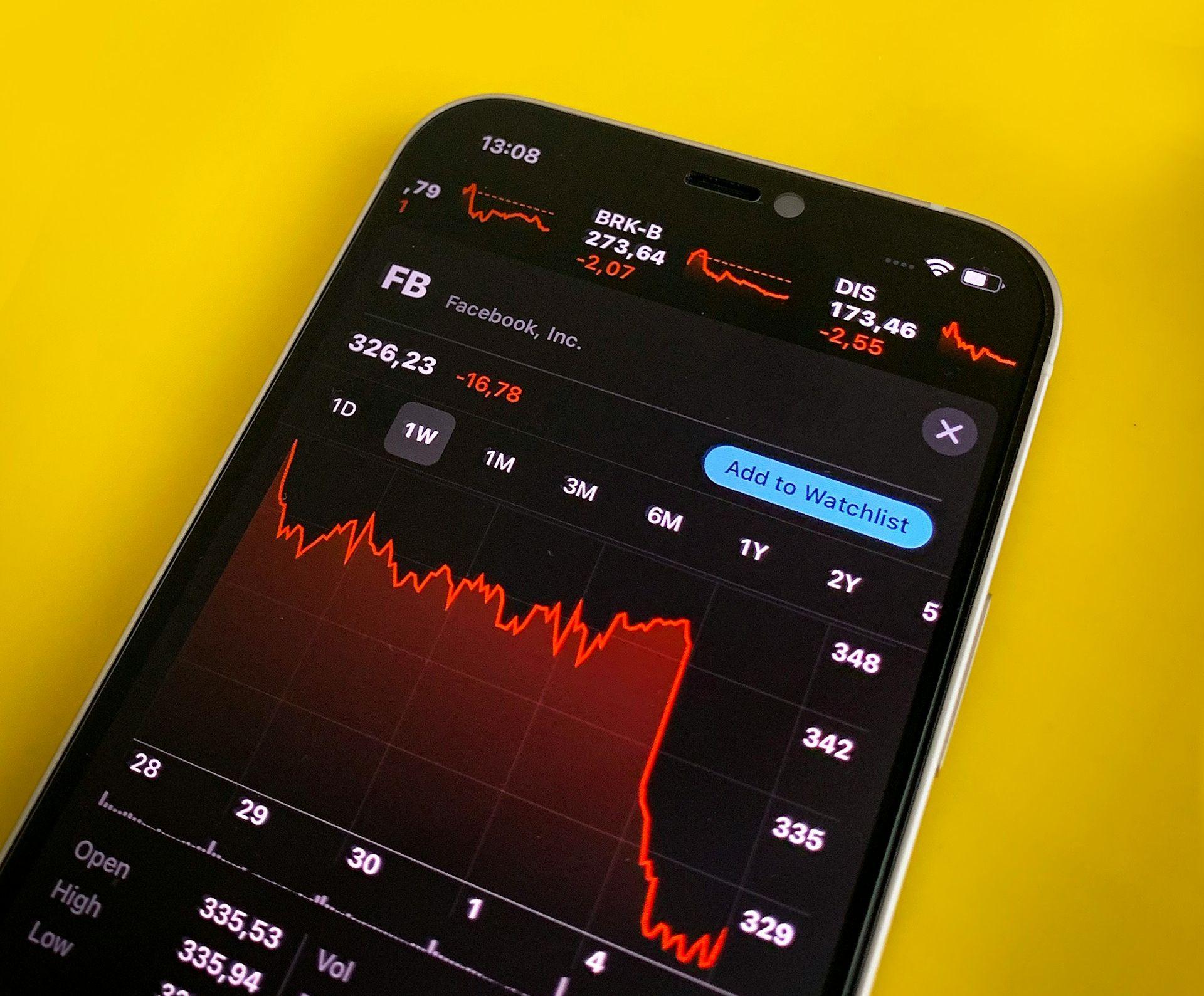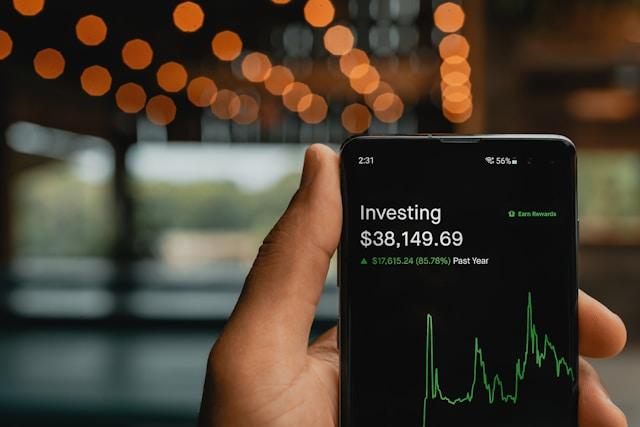
Gen Z investors have more access to markets than any generation before them, but access can create a false sense of confidence. When investing is only a few taps away, it is easy to assume that placing a trade means understanding what is being bought. This is one of the first risks new investors face. A stock, fund, or crypto token can look exciting on a screen, yet still carry risks that are invisible until the price moves sharply. For Gen Z, the challenge is learning to slow down and build knowledge before speed turns into costly mistakes.
One major risk is hype-driven decision making. Social media can make investing feel like a trend rather than a long-term process, and viral stories can distort what realistic returns look like. When people constantly see posts about huge gains, it becomes tempting to chase whatever has recently surged. The problem is that many of these moves happen quickly and reverse just as fast. Investors who buy during the excitement often discover they entered too late, then sell after the drop when fear sets in. Over time, this cycle of buying high and selling low can damage both confidence and finances.
Another serious risk is overestimating early success. Some new investors get lucky in the beginning, especially during strong market periods, and that luck can feel like proof of skill. This can lead to taking bigger bets, concentrating money in a few positions, or trading more aggressively. Unfortunately, markets punish overconfidence, and strategies built on short-term wins often break down when conditions change. Gen Z investors who mistake a good month for a good method may discover the real cost when volatility returns.
Leverage adds another layer of danger, especially through options, margin, and highly leveraged products. These tools can amplify gains, but they amplify losses just as easily. Options, in particular, bring complexity through time decay, changing volatility, and the possibility of expiring worthless. New investors are often drawn to them because they seem inexpensive compared with buying shares, but that lower price can hide higher risk. Without strong risk controls, leverage can turn a small mistake into a major setback.
For those entering crypto markets, the risks multiply further. Even if a token’s price rises over time, investors can still lose money through exchange failures, hacks, smart contract issues, and scams that are designed to look legitimate. Yield products can be especially risky when they promise high returns with little explanation. In many cases, the extra return exists because the investor is taking on hidden counterparty risk. Gen Z investors need to recognize that the biggest crypto danger is not only price volatility, but also the security and reliability of the platforms involved.
Scams are a growing threat across all forms of investing because fraud is now packaged like entertainment and community. Fake screenshots, imitation customer support accounts, phishing links, and “exclusive” groups can trap beginners who are still learning how markets work. Many scams rely on urgency, secrecy, and the promise of easy profit. Protecting accounts with strong passwords, two-factor authentication, and cautious behavior online is not optional. It is part of investing in the modern world.
Fees and hidden costs are another risk that many beginners underestimate. Commission-free trading makes investing look costless, but expenses still show up through spreads, currency conversion charges, subscription tiers, and other platform fees. Frequent trading increases these costs, even when each individual fee feels small. Over time, these frictions can quietly drain returns, especially for investors who jump in and out of positions based on short-term moves.
Tax issues can be just as painful because they are often ignored until a bill arrives. Selling investments can trigger taxable gains, and frequent trading can create higher tax burdens in many places. Crypto is often even more complicated because swaps between coins can be taxable events. Without tracking purchases and sales properly, investors may face confusion when filing taxes and may owe more than expected. Understanding taxes early helps prevent unpleasant surprises later.
Liquidity risk also matters, especially for assets that look easy to buy but can be difficult to sell at a fair price when markets turn. Low-volume stocks, small-cap investments, and some crypto tokens can become illiquid during stress, which means the price to exit can be far worse than expected. This is one reason why investing money that might be needed soon is dangerous. If a person invests rent money, tuition funds, or emergency savings and the market drops, they may be forced to sell at the worst possible time.
Another risk that fits Gen Z realities is unstable cash flow. Many young adults face income uncertainty from gig work, contract roles, or early-career job changes. A volatile income makes it harder to stay consistent and increases the temptation to pull money out of investments when life gets expensive. This is why building a cash buffer remains essential, even for people eager to start investing. A strong emergency fund protects the long-term portfolio from being disrupted by short-term needs.
Concentration risk can also hurt beginners who invest based on what is familiar. Gen Z investors may naturally lean into tech, trendy brands, or industries they interact with daily, but familiarity does not equal diversification. Owning too much of one sector or one company means a single market shock can reshape the entire portfolio. A healthier approach spreads exposure across different sectors and asset types so that one bad headline does not determine the investor’s financial future.
Ultimately, the biggest risk for Gen Z is behavioral rather than technical. Markets can trigger extreme emotions, and the modern investing environment amplifies those emotions with constant updates, notifications, and commentary. Fear and greed are not abstract concepts when prices are flashing on a phone all day. The investors who succeed long term are usually not the ones with the most exciting trades, but the ones who build calm routines. They contribute consistently, diversify, avoid reckless leverage, and stay focused on the timeline that makes investing powerful in the first place.
Starting early is still a major advantage, but only if Gen Z investors recognize that the first stage of investing is not about chasing the biggest gains. It is about learning how to manage risk, avoid traps, and stay invested through both boring periods and turbulent ones. When Gen Z treats investing as a long-term system instead of a short-term thrill, they turn time into their greatest asset and reduce the chances of early mistakes shaping their financial future.
 WhatsApp
 Instagram
 Threads