Car insurance rates often feel like a mystery because the final number on a quote page hides a long chain of calculations. Yet most pricing decisions come back to one practical question. How likely is it that you will file a claim, and if you do, how costly will that claim be? Insurers are not guessing at random. They estimate risk using patterns from large pools of drivers and vehicles, then adjust those estimates using details about your personal profile, your car, where you drive, and what you want the policy to cover.
One of the strongest influences on insurance pricing is the driver’s overall risk profile. Age and driving experience matter because accident rates tend to be higher among newer drivers and, in many markets, among certain age brackets. However, insurers usually pay even closer attention to your driving record. A history of traffic violations, at-fault accidents, or repeated incidents signals that a future claim is more likely, so premiums rise to reflect that added risk. Claims history plays a similar role. If you have filed claims in the recent past, the insurer may assume you have a higher likelihood of filing again, whether because of driving habits, the environment you drive in, or simply higher exposure to risk.
Discount structures can also shape what you pay, especially in places where no-claims discounts are common. When a driver goes several years without filing a claim, insurers treat that track record as evidence of lower risk and reward it with lower premiums. The reverse is also true. A single claim may not only require you to pay an excess or deductible, but it can also reduce your discount and raise your premium for years afterward. This is why small claims sometimes create a long-term cost that drivers do not immediately see. Insurance pricing is not just about what happens today. It is also about what the insurer expects could happen in the future.
Another driver-related factor is who else is permitted to use the car. Policies that cover multiple drivers, especially those with limited experience or a weaker record, can be priced higher because the insurer is taking on risk from more than one person. Likewise, a policy that allows “any driver” generally costs more than a policy limited to specific named drivers, since broader access increases uncertainty and claim probability.
Beyond the driver, insurers examine the environment in which the car is used. Location can influence both the frequency and the severity of claims. Urban areas may have more minor accidents due to congestion, tighter parking spaces, and heavier traffic, while certain neighborhoods experience higher theft or vandalism rates. Where a car is parked overnight can matter as well, because a vehicle kept in a secure garage is less exposed to theft and damage than one regularly parked on the street. Even commuting patterns can influence pricing, since frequent driving during peak hours increases exposure to accidents.
Mileage and usage are also significant because they measure how often the car is on the road. Higher annual mileage tends to mean higher exposure to accidents, so premiums usually increase as mileage increases. The purpose of driving matters too. A car used for business travel, deliveries, or frequent client visits often racks up more distance and may be driven in more demanding conditions. This generally raises the risk profile compared with a car used primarily for occasional personal errands or weekend trips.
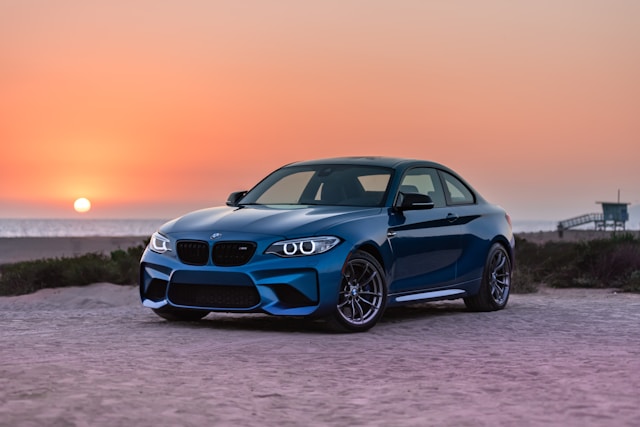
The vehicle itself plays a major role because it affects how expensive a claim could be. Insurers consider make, model, and market value, but repair costs can be just as important as purchase price. Some vehicles are costly to fix because parts are expensive, repairs require specialized labor, or replacement components take longer to source. Modern cars with advanced sensors and driver-assistance systems can be safer, but they can also be more expensive to repair after even minor collisions. Theft risk is another vehicle factor. Certain models are more attractive targets for theft or parts resale, which increases the likelihood of claims and can push premiums higher.
The age of the car can influence rates in different ways. Older vehicles may be cheaper to insure if their market value is low and the owner chooses limited coverage. However, older cars may also lack modern safety features, and some may have higher mechanical risks that contribute indirectly to accidents. Newer vehicles may offer better safety technology, but they often cost more to repair. As a result, the cheapest car to insure is not always the oldest car or the newest one. It is often a car with predictable repair costs, strong safety performance, and lower theft risk.
Even with the same driver and the same car, two policies can have very different prices because coverage choices matter greatly. A policy with broader protection costs more because it transfers more financial risk from the driver to the insurer. Higher liability limits, comprehensive protection, and additional benefits increase premiums. One of the biggest levers within a policy is the deductible or excess. Choosing a higher deductible usually reduces the premium because you are agreeing to cover more of the cost if an accident occurs. However, the trade-off is real. A deductible should match your financial ability to pay out of pocket without damaging your cash flow or emergency savings.
Optional add-ons can also raise or lower costs depending on what you choose. Coverage for windscreen damage, roadside assistance, replacement vehicles, personal accident riders, and protection for accessories can increase premiums, but these features may be worthwhile if they align with your needs. The key is to avoid paying for benefits that do not match your lifestyle or your risk exposure. Insurance works best when it is tailored to what you are actually trying to protect.
In some markets, additional pricing factors may come into play, such as credit-based insurance scoring or telematics programs that track driving behavior. Telematics can reward careful driving habits by providing real data instead of relying mainly on group statistics. At the same time, it can penalize riskier patterns such as frequent late-night driving, harsh braking, or high mileage. These systems reinforce a basic truth about insurance pricing. The premium reflects how the insurer measures risk, and that measurement can vary depending on the tools and regulations in a particular country.
Ultimately, car insurance rates are shaped by a blend of driver behavior, driving environment, vehicle characteristics, and coverage decisions. While you cannot control every factor, you can influence many of them by keeping a clean record, accurately reporting usage, choosing a vehicle with manageable repair costs, and selecting deductibles and coverage limits that suit your financial situation. The most important benefit of understanding these influences is clarity. When you can see why the premium is high or low, you are better positioned to compare policies fairly, make smarter adjustments, and buy coverage that protects you without overspending.
 WhatsApp
 Instagram
 Threads