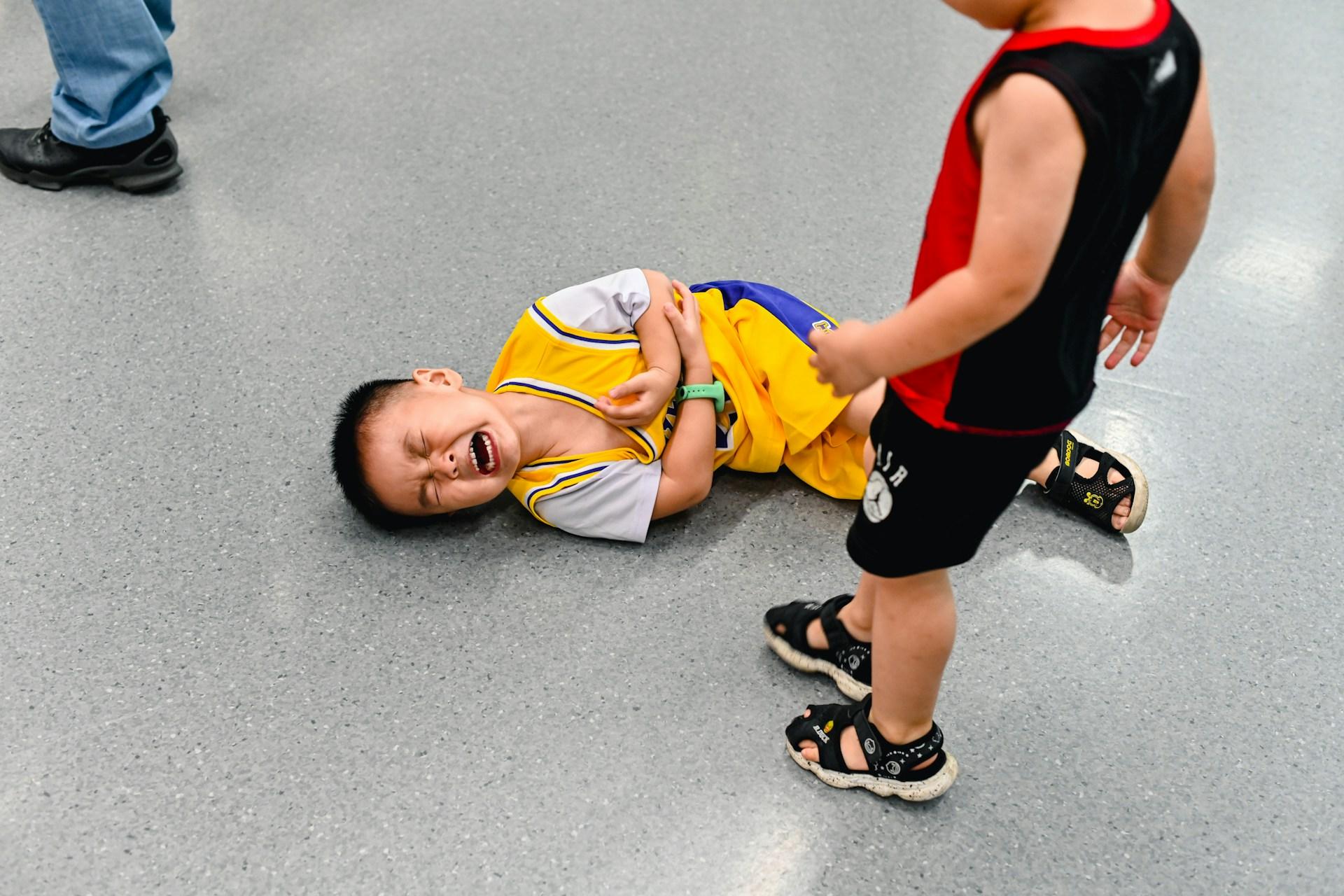
When a child is struggling, the clearest signals are rarely loud or dramatic. More often, they appear as small shifts that linger and slowly spread across different parts of daily life. A child who seems “fine” in brief moments may still be carrying stress that shows up in subtle ways at home, in school, or around friends. This is why it helps to focus less on isolated incidents and more on patterns. The most meaningful question is whether a behavior is new for that child, whether it lasts, and whether it begins to interfere with everyday functioning.
One of the most common early signs is withdrawal. A child who used to be chatty may become unusually quiet, spend more time alone, or avoid conversations that once felt easy. They may stop joining family activities or lose interest in hobbies they previously enjoyed. In school, the same withdrawal can look like sitting apart, resisting group work, or avoiding participation even when they know the answer. This shift is often misread as shyness or moodiness, but in many cases it reflects a child trying to cope privately with feelings they do not know how to express.
Alongside withdrawal, mood changes can signal that a child is struggling to regulate emotions. Some children become more irritable and quick to anger, reacting strongly to small frustrations. Others cry more easily or seem stuck in sadness. There are also children who become emotionally flat, less expressive, or oddly detached, as if they are going through the motions without real engagement. What matters is not whether the child shows anger or tears, but whether they lose the ability to recover. When a child cannot return to their usual baseline, it suggests that their emotional system is under sustained strain.
Changes in sleep and appetite are also important clues, especially because children may not yet have the language to explain stress. They might have trouble falling asleep, wake during the night, experience nightmares, or appear tired throughout the day. Appetite can change as well, with a child eating far less than usual, overeating, or becoming unusually rigid about food. On their own, these shifts can have many causes, but when they appear alongside mood or behavior changes, they often point to deeper emotional difficulty.
School-related signals are particularly revealing because school is where stress often becomes unavoidable. A child who begins to resist attending school may complain of stomachaches or headaches that intensify in the morning and improve once the pressure passes. Some children start visiting the nurse frequently, begging to stay home, or melting down before leaving the house. Academic performance may decline, but not always. In some cases, grades remain steady while anxiety rises behind the scenes. The child may become perfectionistic, terrified of making mistakes, or overwhelmed by tests and deadlines. These behaviors often reflect fear, social stress, learning challenges, or experiences such as bullying.
For other children, struggle shows up through externalizing behavior. Instead of becoming quiet, they become louder, more defiant, or more aggressive. They may argue constantly, refuse instructions, lash out at siblings, or display sudden hostility toward authority figures. Risk-taking can increase, and some children begin lying, stealing, or breaking rules more than before. While these behaviors require boundaries, they also deserve interpretation. Often, they are signs of unmet needs, confusion, or internal distress that the child cannot articulate.
In younger children, stress may appear as regression. A child may return to behaviors they had outgrown, such as bedwetting, clinginess, baby talk, or intense separation anxiety. Regression is not a sign of failure, but a clue that the child’s nervous system is overloaded and seeking safety through earlier, familiar patterns. Older children and teens can regress too, although it may look different. They may suddenly refuse responsibilities they once handled well, shut down during conversations, or need constant reassurance.
Physical complaints are another common warning sign, particularly when there is no clear medical explanation. Frequent headaches, stomach pain, nausea, fatigue, and vague aches can be the body’s way of expressing anxiety or prolonged stress. These symptoms are real and can be distressing, even when they originate from emotional strain rather than illness. A helpful observation is whether the complaints cluster around certain situations, such as school mornings, social gatherings, or times of family conflict. Patterns often reveal what a child is finding difficult to face.
Words and themes matter as much as actions. Children often express what they cannot say directly through drawings, stories, jokes, or repeated fears. If a child becomes preoccupied with dark themes, hopelessness, or worthlessness, it may signal deeper emotional pain. Any mention of self-harm or not wanting to exist should be taken seriously, even if it sounds casual. Children do not need perfect language to communicate distress. Statements about disappearing, being a burden, or wishing they were not here are signals to slow down, listen closely, and seek support promptly.
Ultimately, the most reliable way to interpret warning signs is to consider intensity, duration, and impact. Intensity refers to how far the behavior shifts from the child’s normal range. Duration refers to whether the change persists beyond a couple of weeks or repeats in cycles. Impact refers to whether the struggle disrupts sleep, school participation, relationships, hygiene, or basic routines. A brief emotional dip after a stressful week is different from a persistent pattern that gradually shrinks a child’s world.
When caregivers suspect a child is struggling, the best first response is calm attention rather than panic or punishment. Noticing patterns, naming concerns gently, and creating low-pressure moments for connection can help a child feel safe enough to open up. Support is most effective when it arrives early. If changes persist or intensify, reaching out to a pediatrician, school counselor, or therapist can provide clarity and guidance. Most importantly, if there is any concern about immediate safety, urgent help should be sought right away through local emergency services or crisis resources.
 WhatsApp
 Instagram
 Threads