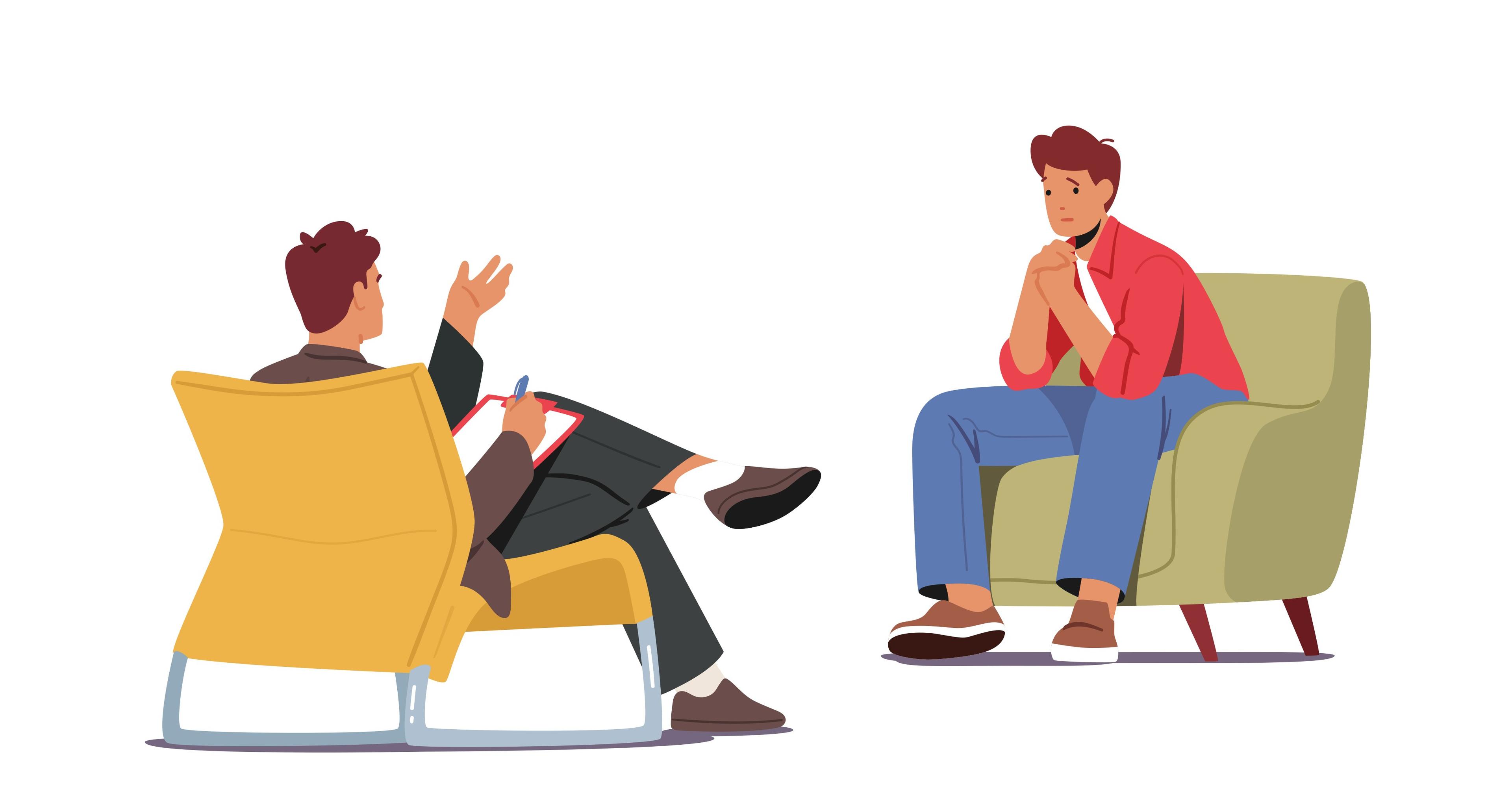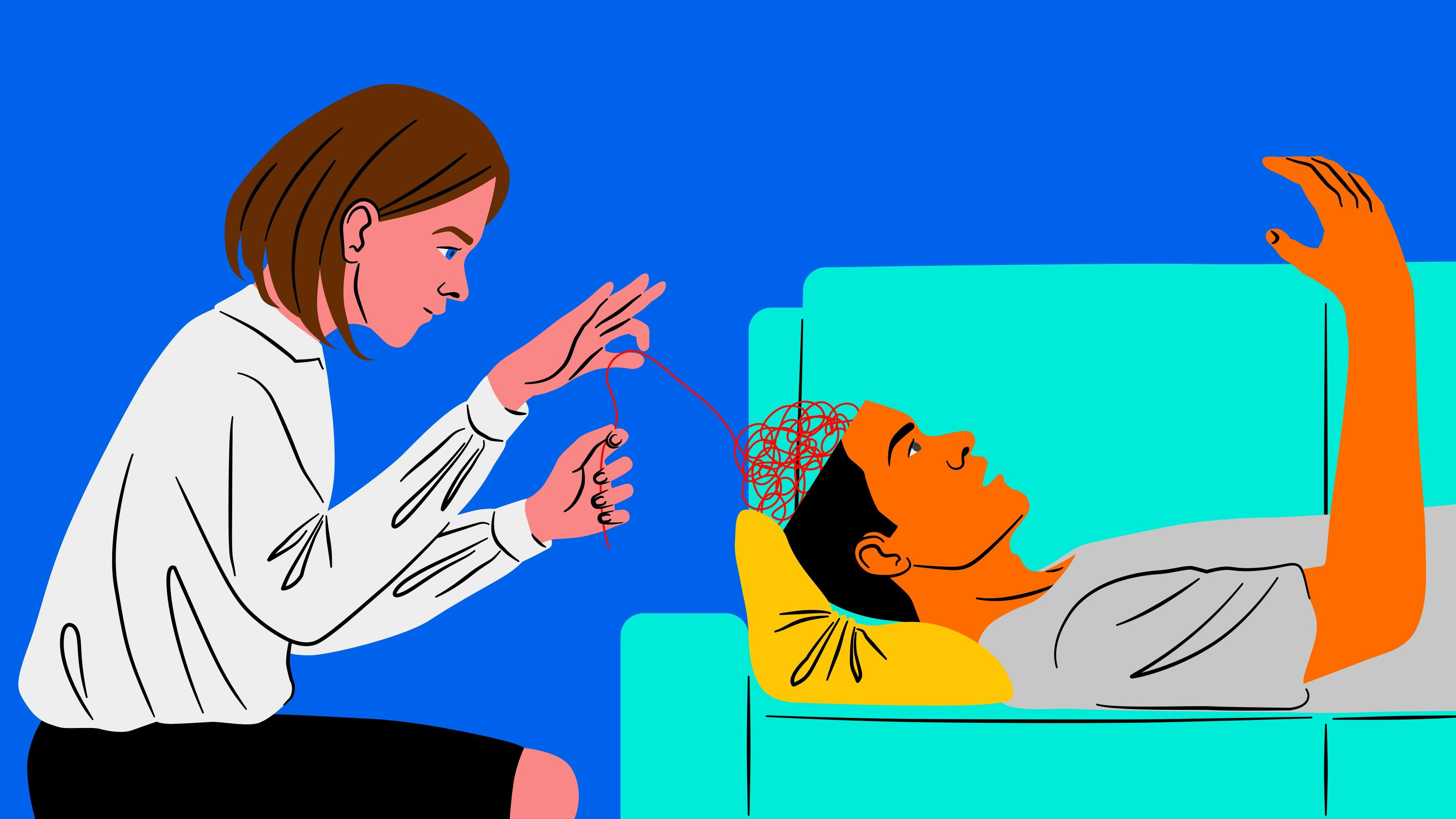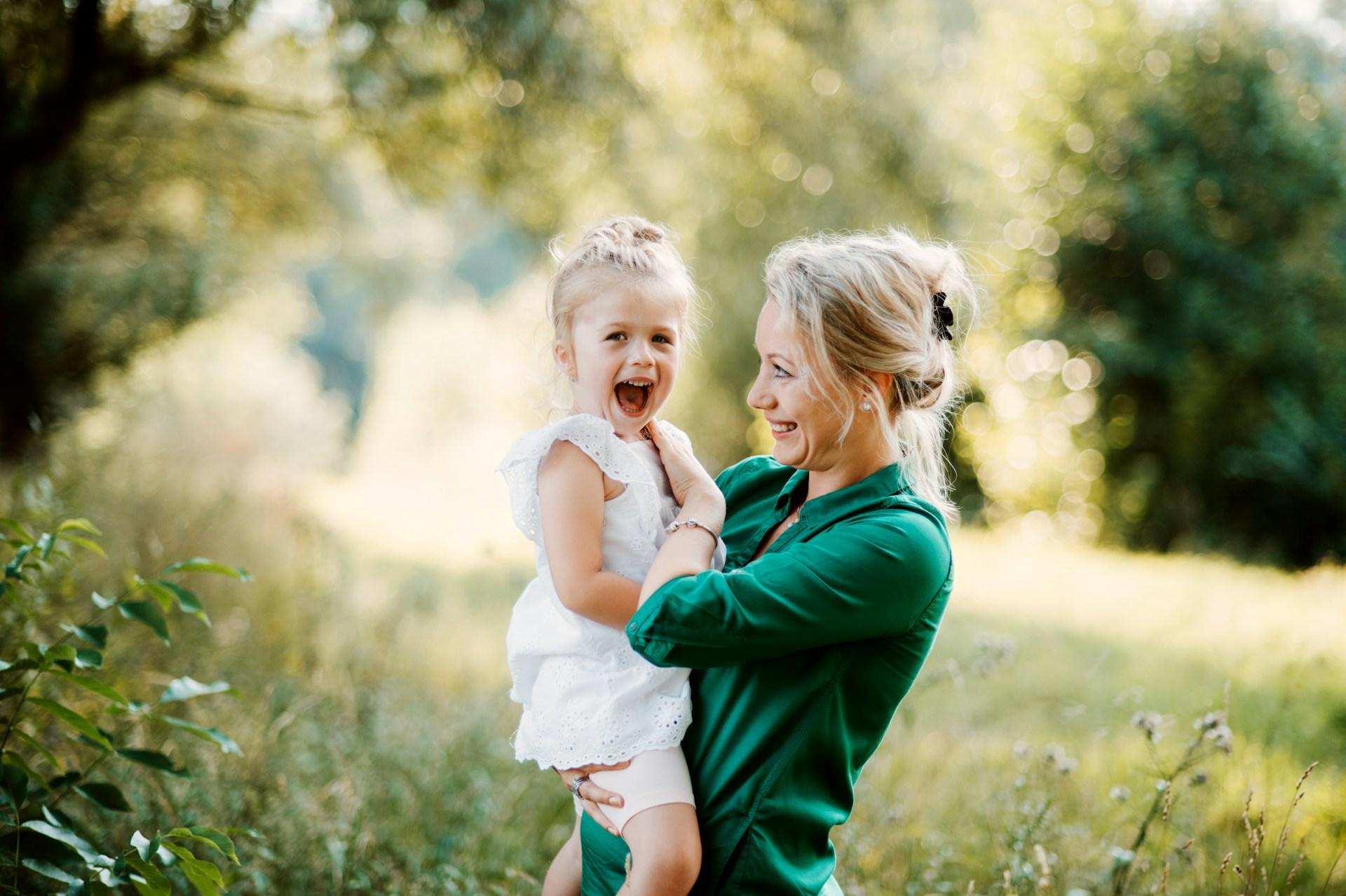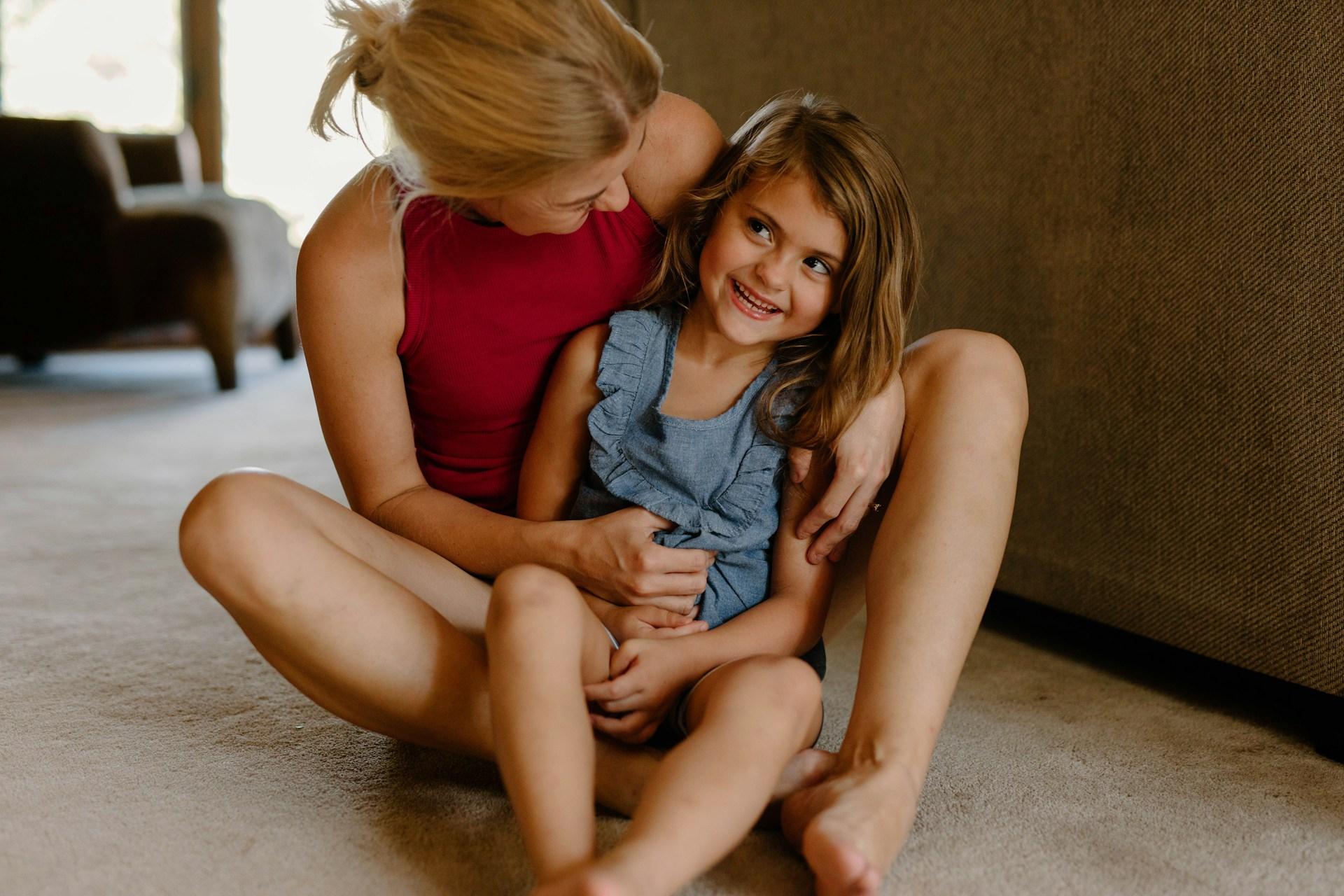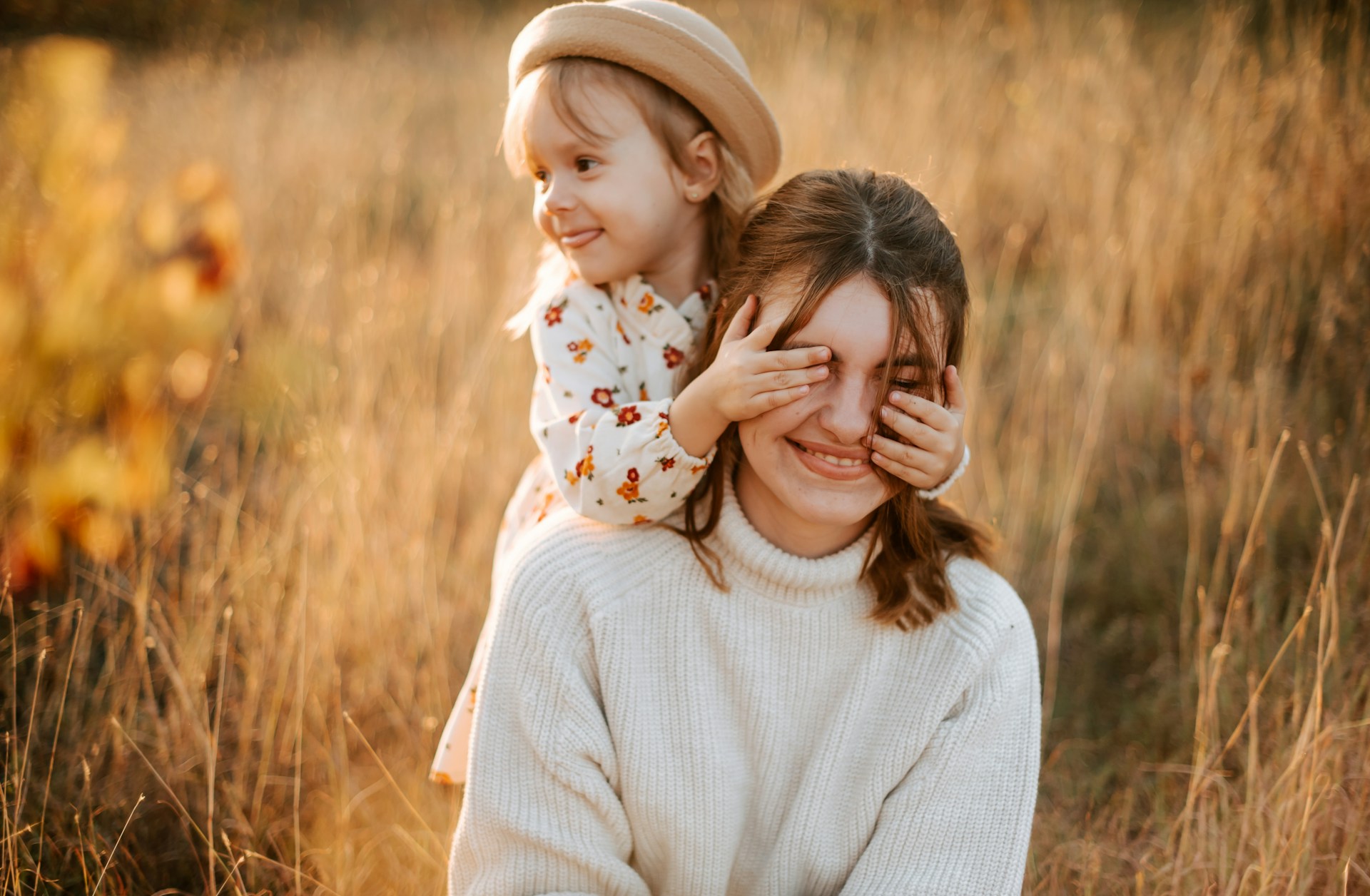
Children learn how to live by watching the people who raise them. Long before they can explain what respect means or why patience matters, they are already collecting examples of how adults speak, react, and treat others. This is why modeling behavior in parenting is so important. It turns values into something a child can actually see, copy, and practice. A parent can say the right words a hundred times, but if daily actions contradict those words, the child receives a mixed message and learns to trust what is repeated, not what is preached.
Modeling matters because a child’s brain is built for pattern recognition. Children are constantly observing what happens in their home when stress appears, when mistakes happen, and when conflict shows up. They notice whether adults handle frustration with self control or with explosive reactions. They notice whether errors are met with blame or with calm problem solving. They notice whether disagreements are handled with insults or with listening. These patterns form a child’s understanding of what is normal. When a parent models steady behavior, the child learns that the home is predictable and safe. When a parent’s behavior is inconsistent, the child can feel confused and unsettled, because inconsistency creates uncertainty. A clear and stable example gives a child a reliable map for how to behave.
This is also why modeling often works better than lectures. Many lessons adults want children to learn are not just ideas, they are skills. Skills cannot be taught only through explanation. A child may understand the definition of patience, but patience is mainly an internal decision, choosing not to act on irritation. A child may understand the definition of respect, but respect is expressed through tone, posture, and word choice in real situations. These details are easier for a child to learn by observation than by instruction. When parents show how to wait, how to calm down, and how to respond kindly even when tired, they are giving their children a practical demonstration that words alone cannot provide.
Modeling also reduces daily conflict because it builds credibility. Children notice quickly when parents demand standards they do not follow themselves. If a parent tells a child to speak politely but regularly speaks harshly to others, the child learns that the rule is about power rather than values. The rule becomes something to resist rather than something to adopt. When a parent models the same behavior they expect from their child, expectations feel fair. The child is more likely to accept boundaries because the adult setting them is also living by them. This alignment strengthens trust and makes correction more effective, because the child has already seen the behavior in action.
One of the most powerful parts of modeling is that it teaches how to recover after mistakes. Parents sometimes believe modeling means never losing patience or never having a bad day. In reality, children do not need perfection, they need a healthy repair process. When a parent snaps and then later acknowledges it, apologizes, and corrects their approach, they are teaching a crucial life skill. The child learns that mistakes do not destroy relationships, and that accountability does not require shame. A parent who refuses to apologize may unintentionally teach that authority never has to repair harm. A parent who models apology and improvement teaches that maturity includes taking responsibility for impact.
Over time, modeling creates a home culture, and culture shapes behavior even when no one is watching. Parents often fall into constant reminders like “say please” or “stop shouting,” and those reminders can be helpful. But reminders without consistent modeling often turn into nagging, and nagging becomes background noise. Modeling reduces the need for repeated correction because the desired behavior becomes part of the environment. Children will still test limits because testing is part of learning, but they will also have a stronger baseline to return to. When the child’s everyday experience includes calm communication, respectful disagreement, and consistent follow through, those patterns become more natural for them to repeat.
Modeling becomes even more important when parents focus on a few specific behaviors that matter most in their household. Instead of trying to be an example of everything at once, it helps to choose a small set of priorities, such as how the family handles anger, how people speak to each other, or how mistakes are repaired. The goal is not to perform goodness, but to demonstrate it in real life moments where it matters. If parents want a child who is honest, they need to show honesty when it is inconvenient. If they want a child who respects boundaries, they need to show respect for others’ boundaries, including the child’s. If they want a child who can manage emotions, they need to show what it looks like to pause, breathe, and respond with control.
Sometimes children do not fully understand the internal choice behind an adult’s behavior, so a small amount of narration can strengthen the lesson. A parent can say, “I’m frustrated, so I’m going to take a breath before I talk,” or “I made a mistake, so I’m going to fix it.” This is not a speech. It is a short window into the decision making process. It helps children connect the visible action with the invisible self control behind it, which makes the skill easier to copy.
Modeling also prepares children for life outside the home. The patterns children learn from parents shape how they behave in school, friendships, and future relationships. A child who sees respectful conflict learns a healthier way to handle disagreements with peers. A child who sees repair after arguments learns how to apologize without collapsing into shame. A child who sees emotional regulation learns that strong feelings do not have to control actions. These skills are not only about being well behaved at home, they are about being capable in the wider world.
Ultimately, modeling behavior in parenting is important because it is the most direct way to turn values into habits. Children are already learning from what they see, whether parents intend to teach or not. When parents choose to model what they want their children to become, they shape a child’s default responses to stress, conflict, responsibility, and connection. It does not require perfection. It requires honesty, consistency, and a willingness to repair after missteps. When words and actions match, the child receives a clear signal. Over years of repetition, that signal becomes a foundation the child can stand on long after they stop needing reminders.
 WhatsApp
 Instagram
 Threads