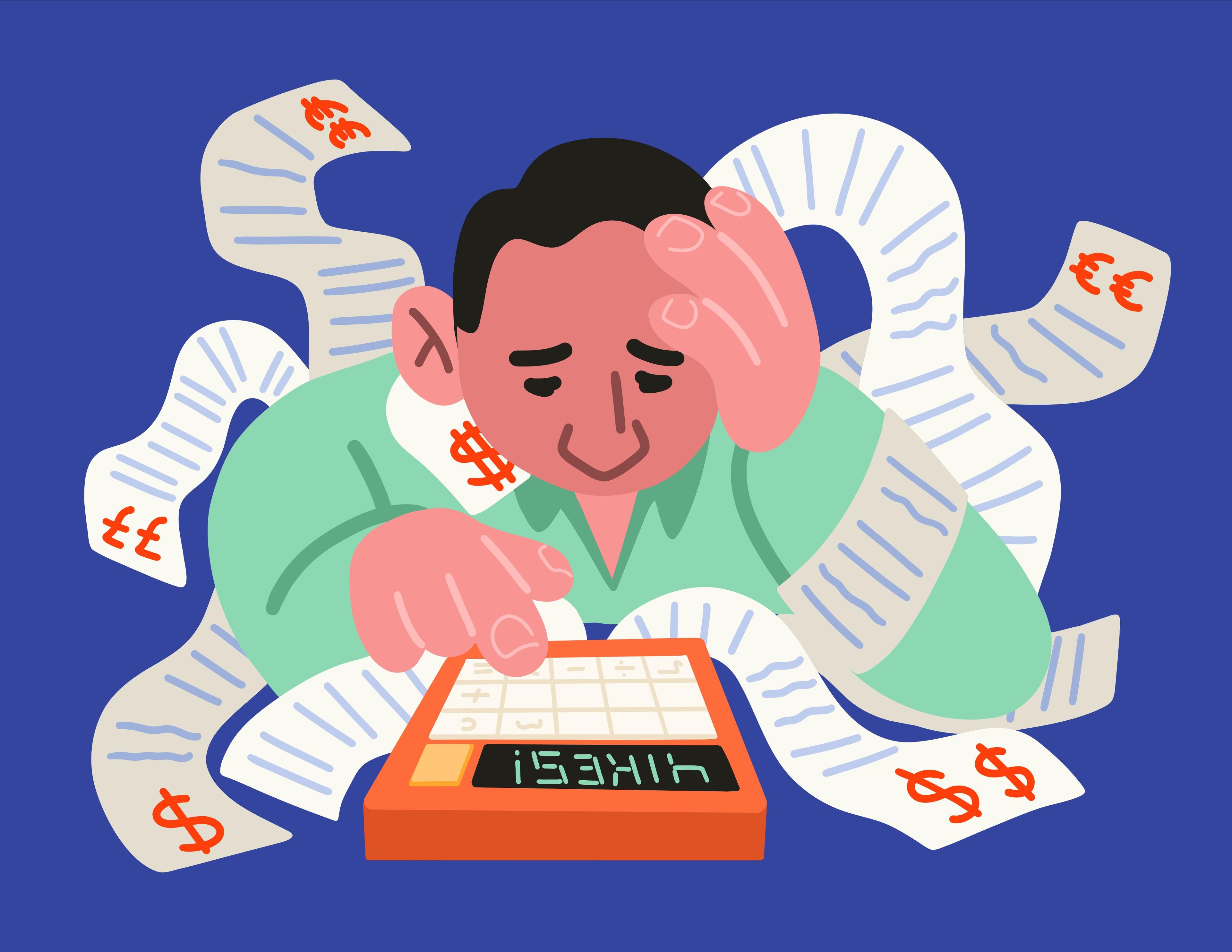
Debt rarely becomes a problem in a single dramatic moment. Most of the time, it grows quietly in the background until everyday life starts to feel tighter than it should. People often assume that debt only turns serious once they miss a payment, but the warning signs usually show up much earlier. They appear in the way you think about money, the way you plan your month, and the way you react to ordinary expenses. When debt is becoming a problem, it starts to take away your choices. You may still be functioning, but you are doing it with less breathing room, more stress, and a growing sense that you are always catching up.
One of the first signs is that your budget stops reflecting what actually happens. You might have a plan at the beginning of the month, but the plan does not survive the first week. Even when you try to cut back, something keeps pulling you back into credit. You tell yourself it is temporary, that you will spend less next month, but next month arrives and you are in the same position. This does not always mean you are spending recklessly. Many people rely on debt for basic needs like groceries, petrol, utility bills, or transport. The danger is not the category of spending, but the pattern of dependence. When credit becomes the bridge between what you earn and what life costs, debt stops being an occasional tool and becomes part of your survival system.
Another warning sign appears when you begin to juggle bills rather than pay them in a steady rhythm. Instead of paying everything smoothly, you start deciding which bill can wait, which one has the biggest penalty, or which one will cause the most trouble if you delay it. You may shift payments around from payday to payday, telling yourself you will catch up next month. When this happens repeatedly, it signals that your cash flow is too tight for your current obligations. At that point, you are not managing debt strategically. You are managing stress and trying to keep the situation from exploding.
Minimum payments can also create an illusion of control. Credit cards and revolving balances are designed to make the minimum payment feel like progress, but paying only the minimum for months often means your balance barely falls. Interest quietly eats up your effort, leaving you stuck in place. Even if you pay a little above the minimum, it may not be enough to make meaningful progress. When debt does not shrink, it becomes harder to imagine a finish line. That is when people start feeling trapped, even while they are still “doing the right thing” by making payments.
As debt pressure increases, some people start using new debt to manage old debt. This can look responsible on the surface, such as taking a loan to clear card balances or opening a new card to handle a payment. In certain cases, refinancing or consolidation can be part of a smart plan. The warning sign is why you are doing it. If you are borrowing because you cannot keep up, you are not solving the underlying issue. You are moving it. When you find yourself repeatedly “resetting” debt only to rebuild it again soon after, it usually means your lifestyle costs, income, or spending patterns are not aligned with your current obligations.
Your savings habits also reveal whether debt is turning into a problem. If you cannot build even a small emergency buffer because all spare cash goes toward debt payments, you are living without protection. Worse, if you once had savings and you are now draining them to keep up with monthly obligations, debt is actively weakening your future stability. Without savings, even a normal setback, such as a car repair or medical expense, can push you into borrowing again, which deepens the cycle.
Debt problems also show up in your emotions. Money becomes something you dread rather than manage. Some people stop checking their balances because the numbers feel overwhelming. Others check constantly, hoping things look better than they did the day before. You may also begin avoiding messages from lenders, ignoring emails, skipping phone calls, or leaving letters unopened. Avoidance is often a stress response, but it is still a warning sign. The longer you avoid the situation, the faster fees and penalties can grow, and the more difficult it becomes to recover calmly.
A major red flag is when you do not know your true total debt. Instead of having a clear number, you only have a general sense. You owe something on a card, something on a personal loan, something on installment plans, and perhaps some informal borrowing from friends or family. When you cannot state your total debt and your monthly minimum obligations accurately, debt becomes harder to confront and easier to underestimate. Clarity is uncomfortable, but it is also empowering, because it turns vague anxiety into something measurable.
Credit score issues often appear later, but they are still important. Missed payments, high balances close to your limits, or rising utilization can damage your score. However, by the time your credit score becomes the biggest concern, you have usually already felt the lifestyle impact. You may have been juggling bills, living without savings, or relying on credit for essentials. A declining score is often not the first symptom. It is a confirmation that debt stress has already been shaping your finances for a while.
Another strong indicator is how debt changes the rhythm of your month. When debt is manageable, payments are routine and predictable. When it becomes a problem, your life starts revolving around payday and due dates. You delay purchases because you are unsure what will remain after bills clear. You may feel brief relief on payday, followed quickly by anxiety when you see how much disappears toward obligations. Living month to month in this way creates a cycle of emotional whiplash that makes it difficult to plan beyond the next few weeks.
Debt can also affect behavior in opposite directions. Some people cut spending to the bone and still cannot make progress. Others swing into impulse spending because they feel hopeless, thinking it does not matter anyway. That mindset is dangerous because it signals that debt is no longer just financial pressure. It has become emotional weight. When you start spending to numb stress or chase a short moment of comfort, debt can grow faster than you expect.
One of the clearest warning signs is borrowing to cover basic needs. If credit is paying for food, transport, utilities, or necessary medical costs, the math becomes harder to escape. Next month arrives with the same expenses plus the added cost of servicing the debt used to survive this month. This is how many people get stuck even when they are working hard and trying to be responsible.
Fees are another clue that your finances are strained. Late fees, penalty interest, overdraft charges, or cash advance fees often signal that your system has no margin. These fees may seem small compared to total debt, but they reveal something important: your finances are fragile. When your accounts run close to zero after debt payments, any small miscalculation can trigger more penalties, which adds pressure and accelerates the problem.
Debt also has social and personal effects. You might avoid outings because you are embarrassed about your situation, or you might rely on friends and family for small loans. You may hide the reality of your debt because you fear judgment. When debt starts affecting relationships, confidence, and daily peace of mind, it has moved beyond numbers. It is shaping your life.
At work, debt stress can show up as distraction, exhaustion, or desperation. You may take on extra shifts, overextend yourself, or consider risky income options just to keep up with payments. When debt controls how you spend your energy and time, it becomes a quality of life issue, not just a financial one. Many people also fall into the habit of waiting for a future event to fix everything. They pin their hopes on a bonus, a tax refund, a big commission month, or a new job. Those things can help, but if your plan depends on something you cannot guarantee, you are relying on hope rather than stability. Hope can be motivating, but it is not a structure that holds under pressure.
The most important takeaway is that debt becomes a problem when it steadily takes away your options. The warning signs are the signals that your financial flexibility is shrinking, your stress is rising, and your habits are shifting from deliberate management to anxious reaction. Recognizing these signs early gives you the chance to respond while you still have room to maneuver. Debt may feel heavy, but awareness changes the direction. Once you can see the patterns clearly, you can start building a calmer, more stable financial life where money becomes something you control again instead of something you fear.
 WhatsApp
 Instagram
 Threads