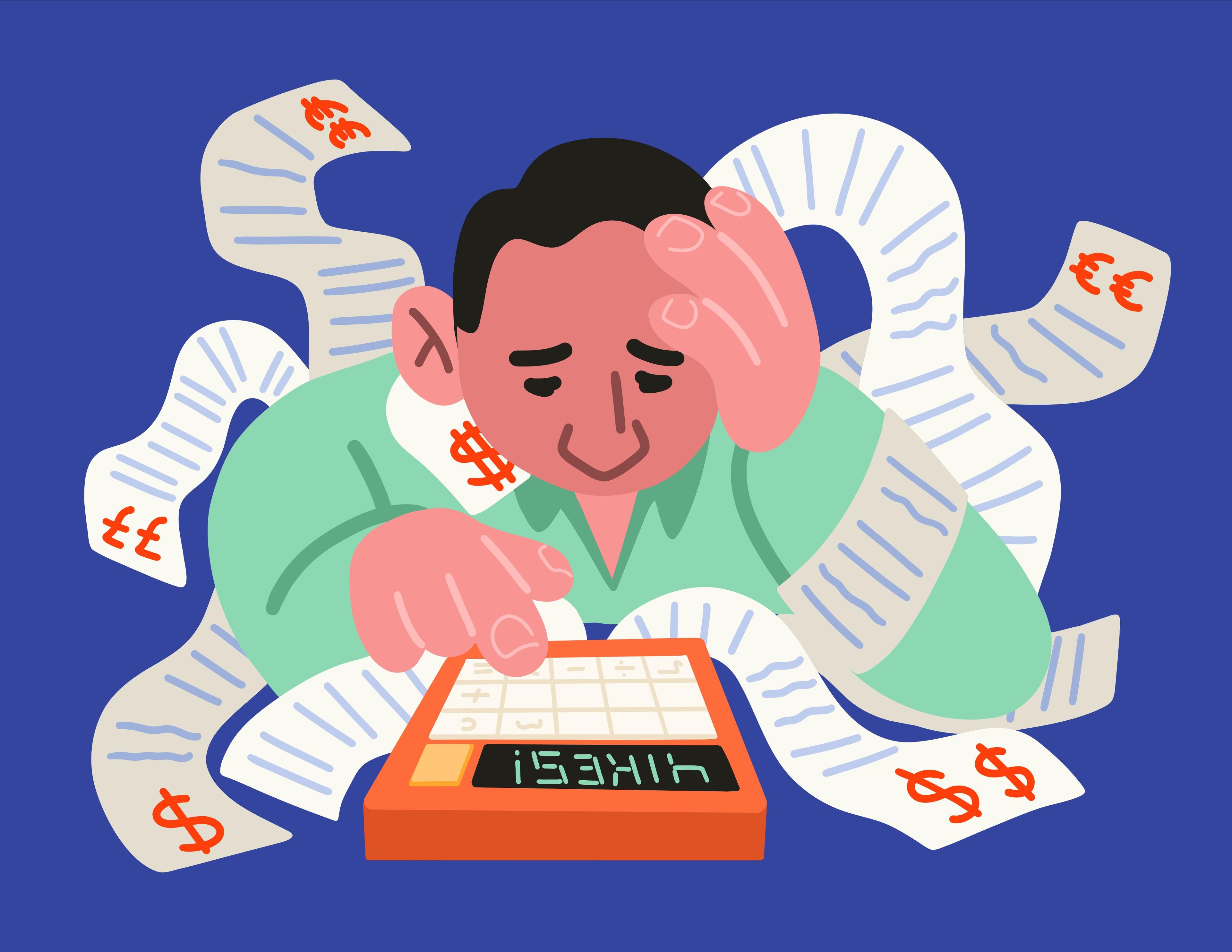
Debt affects your credit score because a credit score is built to predict risk, not to judge character. When you borrow money, the credit system watches how that borrowing shows up on your report and asks a simple question: does this person look likely to repay what they owe, on time, without trouble. The moment debt starts to suggest pressure, inconsistency, or instability, your score can fall even if you feel you are handling things reasonably.
The strongest reason debt affects your score is that repayment behavior is the clearest signal lenders have. A credit report records whether you pay bills on time, and scoring models treat missed payments as a major warning sign. A late payment suggests that cash flow is not keeping up with obligations, and that is closely linked to future defaults. Because of that, even one missed payment can do more damage than many people expect. Debt itself does not cause the biggest problems in this category, but debt makes it easier to slip. When balances are high and monthly commitments pile up, a single bad month can turn into a late payment, and the scoring system responds quickly.
Even without missed payments, debt can still pull your score down through credit utilization. Utilization measures how much of your available revolving credit you are using, most commonly on credit cards. High utilization makes you look financially stretched because it suggests you have less room to absorb surprises. If your credit limit is $10,000 and your balance is $8,000, the model sees an 80 percent utilization rate and interprets it as elevated risk. This is why someone can pay on time every month and still watch their score dip when spending rises. The system is reacting to the ratio, not your intentions. It also reacts to how balances are reported, since cards often report the statement balance, which may be high even if you pay in full later.
Debt also affects your score because different kinds of debt send different messages. Revolving debt, like credit card balances, is flexible and can keep growing, so it tends to look riskier when it is high. Installment debt, like a car loan or mortgage, is structured with a fixed repayment schedule, which can appear more predictable. As a result, a large installment loan balance does not necessarily hurt in the same way a large credit card balance does. What matters is whether the debt looks manageable and whether the repayment pattern looks steady over time.
Another way debt influences your score is through the ripple effects of seeking more credit. When people feel stretched, they often apply for new credit cards, personal loans, or buy now pay later options to create breathing room. Each new application can trigger a hard inquiry and potentially reduce the average age of your accounts. Opening several new accounts within a short period may also make you look like you are relying on credit to stay afloat. This does not mean you should never apply for new credit, but it explains why adding debt while already carrying high balances can cause your score to weaken.
The most severe score damage occurs when debt turns into negative events such as collections, charge-offs, or bankruptcy. These events indicate that repayment has broken down beyond a normal missed payment and that the lender or a third party has escalated recovery efforts. Once that happens, the credit report reflects serious distress, and the scoring model treats it as high risk. Even if you later repay the balance, the historical record of the event can remain visible for a long time, which is why preventing debts from reaching that stage is so important.
Understanding these mechanics helps because it shifts the focus from blaming debt in general to managing the signals debt creates. If your score is dropping mainly due to utilization, lowering your reported balances can bring improvement relatively quickly. If the issue is late payments, rebuilding a consistent on-time track record becomes the priority. Often the most practical strategy is protecting payment history first and then paying down expensive revolving balances in a steady, sustainable way. Credit scores tend to recover as soon as your report starts to look calmer, more predictable, and less strained.
In the end, debt affects your credit score because it changes how lenders perceive risk. High balances relative to limits make you look squeezed, missed payments make you look unreliable, and frequent new borrowing can make you look unstable. On the other hand, manageable debt that is repaid on time can support a strong score because it proves reliability. The credit system is not measuring worth, it is measuring patterns. When your debt tells a story of stability and control, your score usually follows.
 WhatsApp
 Instagram
 Threads