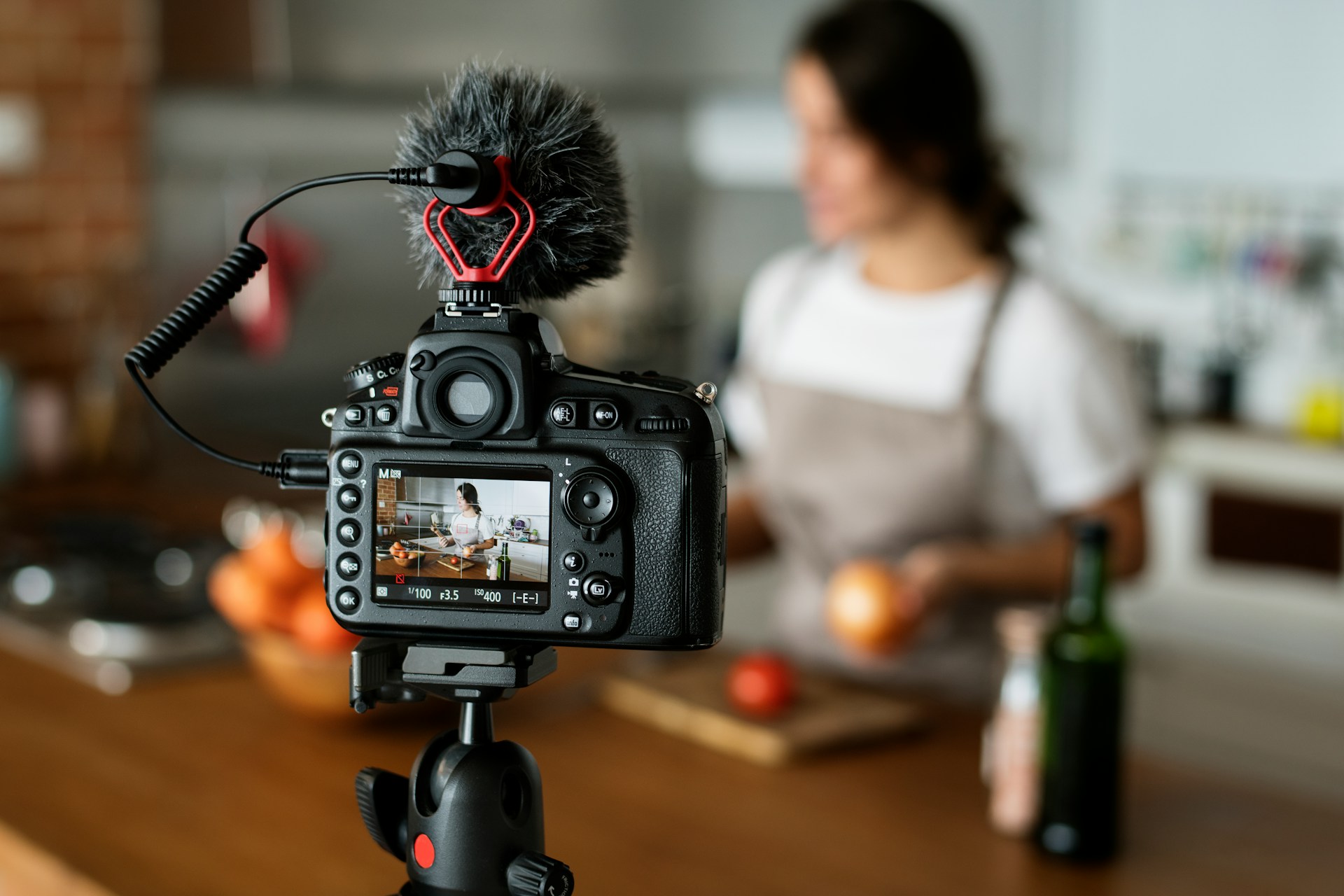
Gen Z often hears that a side hustle is about earning extra money, but the deeper reason to start one is about building breathing room. A side hustle can create room in your budget, room in your choices, and room in your sense of identity at a time when many young adults feel boxed in by rising costs and uncertain career paths. It is a practical way to stop waiting for perfect timing and begin shaping a future with more options.
The working world you are stepping into does not always follow the tidy career stories that previous generations were told. Companies restructure, industries shift, and roles change quickly as technology evolves. Even when a job looks stable on paper, it can still be vulnerable to automation, outsourcing, or sudden cost cutting. In that environment, relying on a single paycheck can feel like building your entire life on one pillar. A side hustle does not remove risk completely, but it changes the structure of that risk by adding another stream of income and another source of momentum. Even if it starts small, it can become a buffer that softens financial shocks and reduces the anxiety of feeling trapped.
Money, however, is only one part of the story. Many people underestimate how much a side hustle accelerates skill building. A traditional job can keep you comfortable inside a narrow lane. You learn tasks, tools, and internal processes, but you may not learn how to sell, price, negotiate, or clearly explain value to someone who has no reason to care about your effort. A side hustle forces you to engage with the market directly. You learn quickly whether people want what you offer, whether your messaging makes sense, and whether your delivery earns trust. This kind of feedback is honest because it is tied to real decisions. People either buy, refer, and return, or they do not. That reality can sharpen your thinking faster than years of staying inside a role that shields you from the business side of value creation.
A side hustle also helps Gen Z solve a quiet problem that many carry but rarely say out loud. There is pressure to know who you are early, to choose a path with confidence before you have had enough experience to understand what truly fits. You are expected to pick a degree, pick a career, and build a personal brand while still learning what energizes you and what drains you. A side hustle can serve as a low-risk laboratory for identity. It gives you a place to test a direction without making a dramatic life announcement. You can explore freelance services, tutoring, content work, design, video editing, social media management, simple automation projects, niche product sales, workshops, or community building. The point is not that your first idea becomes your destiny. The point is that you gain evidence about what you enjoy, what you can do consistently, and what people are willing to pay for.
Beyond identity, a side hustle can restore a sense of agency. Early career stages can feel like waiting rooms. You wait for experience, wait for a manager to notice you, wait for a promotion cycle, or wait for the economy to improve. Over time, that waiting can create the belief that life is something that happens to you rather than something you can shape. Building a side hustle interrupts that narrative. It gives you a place where effort creates visible progress, even if the progress is small. That experience matters. It can make you calmer and more decisive because you are no longer depending solely on permission from an employer or the timing of external opportunities.
Gen Z has a genuine advantage here because of digital fluency. You understand platforms, trends, and online communities in a way that makes distribution feel more natural. You can learn new tools quickly because you are not attached to older methods. That advantage becomes powerful when it is combined with something grounded, such as a clear offer and a real customer problem. The risk is that digital culture can blur the line between attention and traction. A viral post, a growing follower count, or a flood of messages can feel like success, but none of those automatically create a sustainable business. A side hustle becomes valuable when it moves beyond visibility and into repeatable delivery, pricing power, and customer trust.
This is why the most reliable side hustles often start with services. Service work is usually faster to begin and requires less capital than launching a product. It teaches you fundamentals that apply to any business model later. You learn how to listen, define a scope, set expectations, deliver consistently, and improve through feedback. You also learn how to communicate professionally and build relationships that lead to referrals. Over time, those referrals can become the backbone of stable income because they reduce your need to constantly market yourself. Many opportunities that look like luck are actually the result of being known for delivering. A side hustle can help you build that reputation early.
At the same time, it is important to be honest about the tradeoffs. The biggest one is burnout. Gen Z already carries pressure from work, finances, and the constant comparison culture of social media. Adding a side hustle can become overwhelming if it turns into a second full-time job. The goal is not to punish yourself or to prove you can grind. The goal is to build something that compounds without stealing your health. A side hustle should fit your current stage and your real capacity. If you approach it like a controlled project with clear boundaries, it can support your life rather than consume it.
One smart way to protect yourself is to choose a side hustle that strengthens your main career even if it never becomes your primary income. If you work in marketing, freelancing in copywriting or content strategy can sharpen your skills. If you work in data, building small dashboards or automations creates portfolio proof. If you work in design, small client projects expand your range. This approach creates a double benefit because you develop professionally while also building an income stream. Even if you stop later, you keep the skills, the confidence, and the evidence of what you can do.
That evidence matters because the real world often rewards proof more than potential. Many young professionals feel stuck because they think they need to be fully qualified before they can start. A side hustle flips that. It gives you case studies, outcomes, testimonials, and work samples that demonstrate competence. Those artifacts can open doors that a resume cannot, especially in competitive job markets where hiring managers want to see real results, not only course titles and internship descriptions.
As your side hustle grows, you may also discover another layer of opportunity. The economy increasingly rewards people who can package knowledge into clear, usable offers. This does not mean you need to become an influencer or build a massive course business. It means that if you can translate what you know into something helpful, you can create income that is not strictly tied to hours worked. That might be a workshop, a simple template, a small paid community, a productized service, or a subscription that provides ongoing value. The format matters less than the clarity. Learning how to turn your skills into a clear offer is a career advantage on its own because it trains you to communicate value and build leverage.
There is also an emotional benefit that often gets overlooked. Many Gen Z builders experience imposter syndrome more intensely because the internet compresses timelines. You see young founders and creators who appear to have succeeded overnight, and even when you understand that those stories are curated, your nervous system still compares. A side hustle can reduce that comparison if you treat it as practice rather than performance. It becomes your private scoreboard. Instead of asking whether you are behind, you begin asking whether you shipped something this month that you could not have shipped last month. That shift moves you from insecurity to iteration, which is where real growth happens.
If you are wondering how to begin, the answer is to start with constraints rather than fantasies. Start with what you can realistically sustain for a couple of months without resenting your life. Start with an offer you can explain simply. Start with a customer group you can actually reach. The first goal is not scale. The first goal is repeatability and trust. One satisfied customer teaches you more than a hundred likes because it proves that your work solves a real problem.
It is also important not to build your side hustle from panic. A hustle built from desperation tends to underprice, overpromise, and chase every opportunity. That quickly leads to exhaustion and disappointment. A hustle built from intention can be quiet and steady. It can grow through small wins, strengthened systems, and improved delivery. Over time, those small wins can create something meaningful, whether that is extra income, a stronger professional portfolio, a network of clients, or a path into a new career direction.
Ultimately, Gen Z should start a side hustle not because everyone needs to become a startup founder, but because optionality is becoming a form of security. A side hustle can reduce dependence on a single fragile plan, accelerate your learning, and give you proof of what you can build. It can also give you a calmer relationship with the future because you know you have the ability to create value outside one job title. The most important truth is also the simplest. You do not become capable first and then start. You start, and through starting, you become capable. A side hustle is one of the safest ways to live that truth, and if you approach it with intention and boundaries, it can give you money, skills, confidence, and a stronger sense of control over your life.
 WhatsApp
 Instagram
 Threads
.jpg&w=3840&q=75)