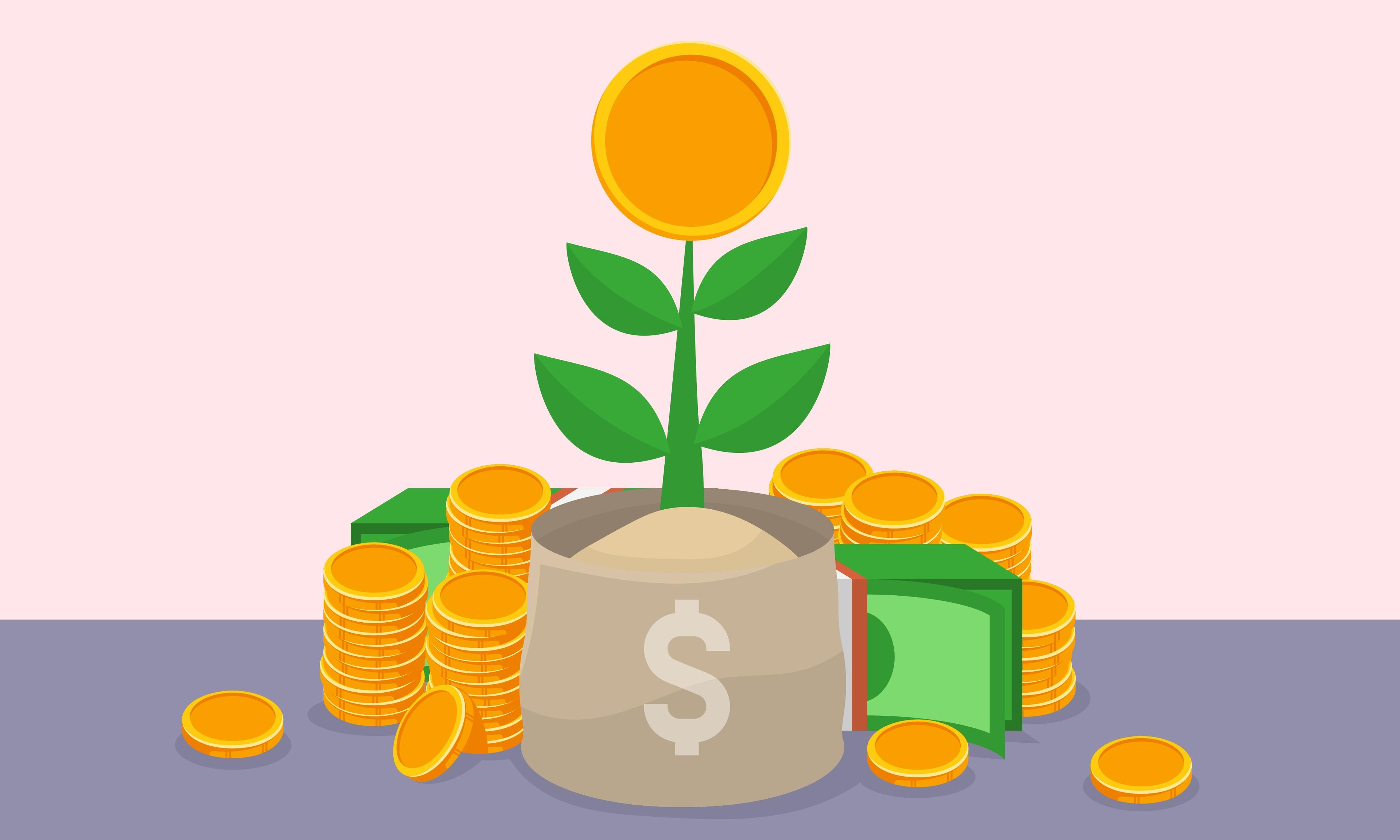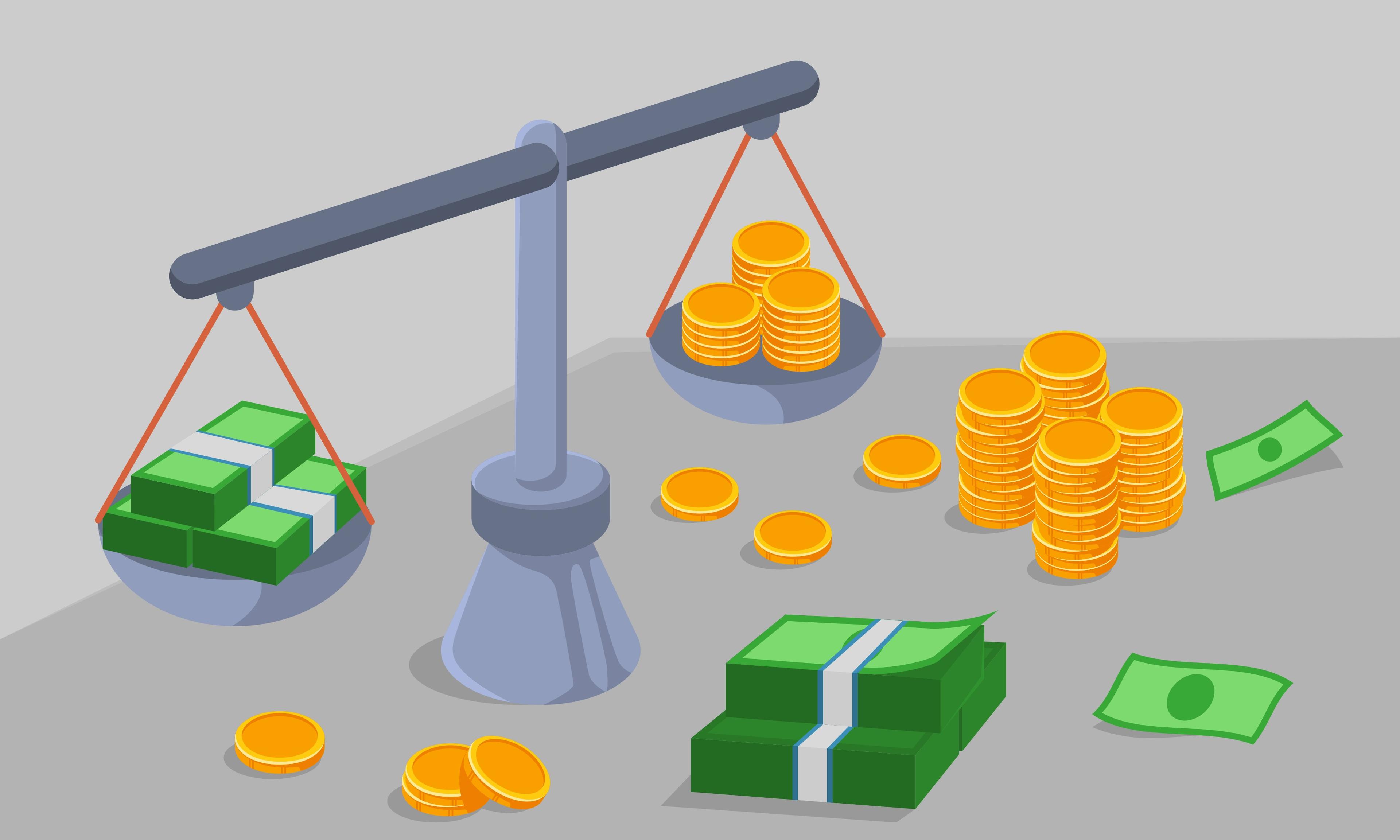
Financial independence is often described as a goal you reach after saving enough money, but it is more accurate to see it as a system you build over time. It depends on having steady income, a margin between what you earn and what you spend, and the ability to make choices without feeling trapped by a single paycheck. This is why having a side hustle can be so powerful. It is not simply an extra way to earn money. When approached thoughtfully, it becomes a practical tool for reducing financial vulnerability and increasing personal freedom.
One of the most obvious benefits of a side hustle is that it increases your surplus. Many people struggle to save consistently not because they lack discipline, but because their finances leave little room to breathe after covering necessities. Even small additional income can create that missing margin. This extra margin can be directed toward an emergency fund, debt repayment, or investments, all of which are foundational to long term financial independence. Without surplus, progress is slow and fragile. With surplus, you gain the ability to move forward without constantly feeling that one unexpected expense will erase your effort.
However, the deeper advantage of a side hustle is the way it changes how your finances respond to uncertainty. If your main source of income is disrupted, whether through layoffs, reduced hours, or a weak economy, a side hustle can serve as a stabilizing backup. Even if it does not replace your full salary, it can help cover key expenses and reduce the need to rely on high interest credit or withdraw from investments at the worst possible time. This added layer of resilience matters because financial independence is not only about reaching a target number, but also about being able to withstand setbacks without losing your footing.
A side hustle also builds something that is less visible but equally valuable: confidence in your ability to generate income beyond your employer. When you prove that you can earn from your own skills and effort, you stop seeing your job as the only source of security. This can change how you approach your career. You may feel more comfortable negotiating better pay, pursuing opportunities that align with your goals, or leaving an unhealthy workplace because you know you have another way to earn. In that sense, a side hustle does not just provide income. It strengthens your sense of control, which supports smarter decisions and reduces fear driven choices.
Another reason side hustles support financial independence is that they can create compounding benefits over time. Many side hustles begin as straightforward service work, such as tutoring, writing, design, consulting, or providing administrative support. At first, you are paid mainly for your time. But as you gain experience, you can build assets that make the work more efficient and more profitable. You may develop a portfolio, collect testimonials, learn pricing, and build repeat clients. With time, you can begin to package your work into retainers or more structured offers. This shift from inconsistent gigs to repeatable income can turn a side hustle into a small system that contributes steadily to your financial goals.
Side hustles also expand your skill capital. Skills that solve real problems tend to remain valuable, and side work forces you to identify what people are willing to pay for. It develops your ability to communicate, manage expectations, deliver results, and understand what the market wants. These skills often carry back into your main job, making you more effective and more valuable. In many cases, the side hustle indirectly increases your main income as well, because the skills and confidence you build can lead to promotions, better roles, or stronger career positioning.
At the same time, it is important to recognize that not every side hustle is equally helpful. Some create money but also create stress, instability, and burnout. A side hustle that requires constant outreach, depends heavily on unreliable clients, or relies on platforms that can change rules without warning may add anxiety instead of security. The best side hustles for financial independence are those that fit your real constraints, match your strengths, and can be sustained without damaging your health or your primary job performance. Financial independence is not about exhausting yourself. It is about building stability and choices.
Practical considerations matter too. Side income can affect taxes, record keeping, and legal obligations, and these details should be handled responsibly so the hustle does not become a liability. It is also wise to understand your employer’s policies on outside work, especially around conflicts of interest. A side hustle should expand your freedom, not put your main income at risk through avoidable mistakes.
Ultimately, a side hustle can be good for financial independence because it works on multiple levels at once. It increases your surplus, strengthens your ability to handle financial shocks, builds skills and confidence, and creates optionality in both your career and your lifestyle. Over time, it can shift your financial life from dependence on a single paycheck to a more resilient structure supported by multiple income channels. When chosen carefully and managed well, a side hustle becomes more than extra income. It becomes a strategic step toward a future where your decisions are guided by choice rather than necessity.
 WhatsApp
 Instagram
 Threads


.jpg&w=3840&q=75)