Gen Z often approaches the idea of a side hustle with big expectations and even bigger pressure. Social media makes it look like everyone is building a brand, quitting their job, and earning passive income overnight. In reality, most beginners do not fail because they lack talent or motivation. They fail because they try to start like a full-time entrepreneur while still living a full-time life. An easy side hustle is not the one that looks the most impressive online. It is the one that helps you earn your first real payment with minimal friction, then gives you a simple way to repeat that process without burning out.
The easiest way to begin is to focus on a small offer rather than a grand plan. Many people waste weeks perfecting a niche, building a logo, or designing a website, only to discover that no one wants what they created. A better approach is to aim for a single transaction. One customer, one payment, one delivery. When you treat your side hustle as a small experiment instead of a life makeover, you remove much of the fear and complexity that stops you from starting.
Gen Z has a unique advantage in this journey. You have digital tools and platforms that earlier generations either did not have or had to pay for. You also have access to online communities where buying decisions happen casually through trust and familiarity. At the same time, Gen Z faces challenges that make side hustling harder than it looks. Attention is limited, burnout is common, and the internet often sells business ideas as aesthetics rather than systems. That is why the most practical starting point is to choose a side hustle that matches something you already do naturally, rather than forcing yourself into a persona you cannot sustain.
A side hustle becomes easy when it is built around a clear outcome. People do not pay for potential, creativity, or passion on its own. They pay for results. If you can reliably deliver a specific improvement, you already have something valuable. This is why it is important to think of your skills in terms of outcomes. Instead of asking whether you are talented enough, ask whether you can produce a result someone wants. If you can edit short videos, write clear captions, organize information, design simple visuals, or help someone communicate better, these are not just hobbies. They are deliverables that can be turned into small services people are willing to pay for.
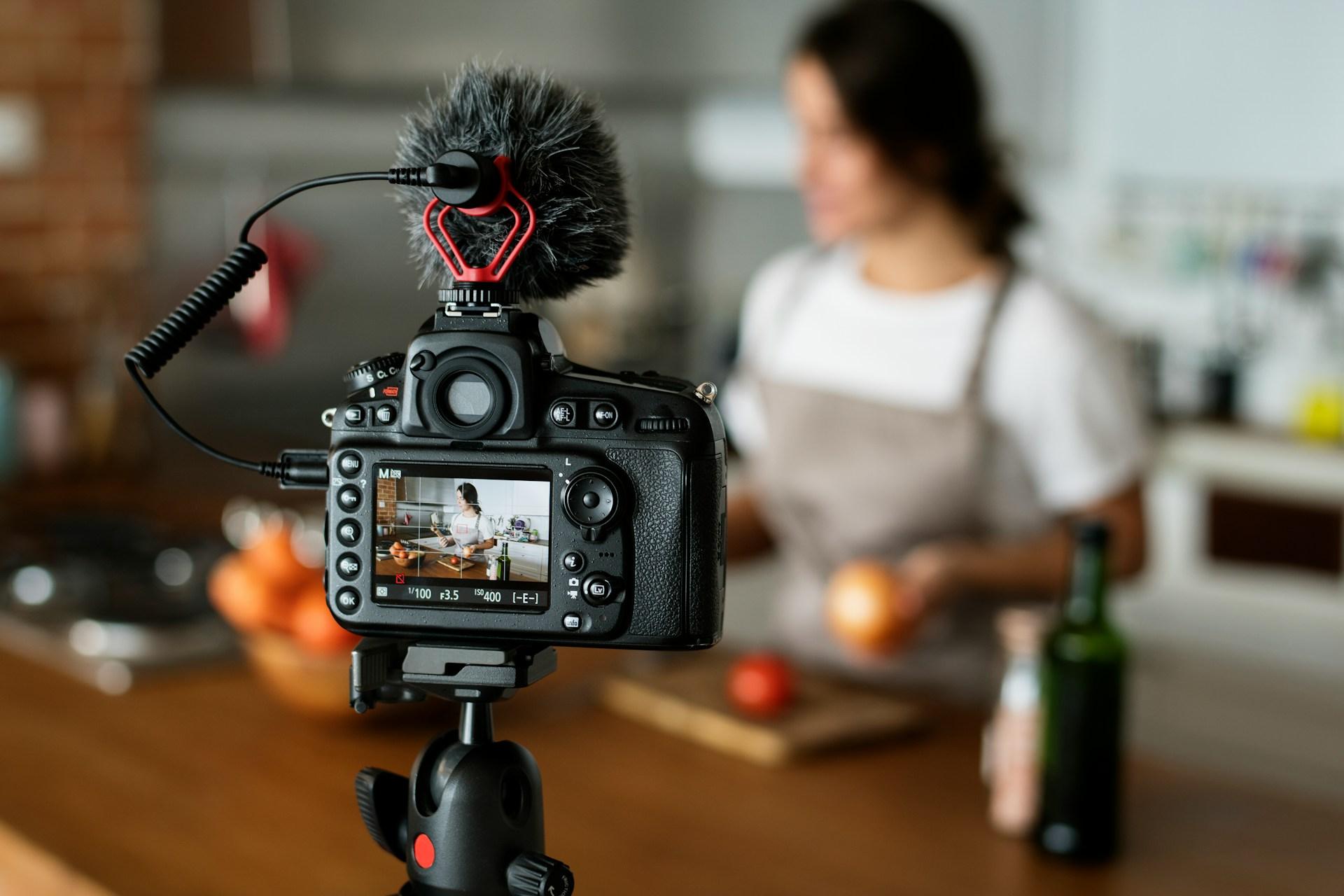
Service-based hustles often work best for beginners because they require almost no upfront investment. For example, if you can edit videos, you can help small businesses turn long recordings into short clips for social media. The offer does not need to be complicated. It can be as straightforward as transforming raw footage into several ready-to-post videos with captions. If writing is your strength, you can help students, interns, or job seekers improve resumes and LinkedIn profiles. Many people feel stressed when they have to describe themselves professionally, and they will gladly pay for help that makes them sound clearer and more confident. If you have basic design skills, you can create simple menus, social posts, and slides for local sellers who want their content to look neat and consistent. If you are naturally organized, you can offer admin support, such as cleaning up someone’s digital files, setting up simple templates, or managing scheduling tasks. Even errands, delivery help, or pet sitting can be practical options if you prefer offline work and can offer reliability.
While services are the fastest way to earn, they can also teach you something important. They show you what people truly value. Once you have helped a few customers, you start noticing patterns in what they ask for and what they are willing to pay for. That insight becomes the foundation for building something more scalable later. This is where digital products can come in. Many Gen Z creators want to jump straight into selling templates or online resources, but these products sell best when they solve a specific problem clearly. A simple spreadsheet, a Notion workspace, a checklist, or a script pack can work if it saves time, reduces stress, or gives the buyer a sense of control. The key is to describe the benefit in human terms. People do not buy tools for the sake of tools. They buy relief, clarity, and convenience.
Another reason side hustles fail is because people choose ideas that do not match their time and energy. Most students and young workers have only a few hours each week they can realistically dedicate to extra work without sacrificing sleep or mental health. This means the side hustle must fit into small blocks of time and have a delivery process that is simple and repeatable. If every customer becomes a completely custom project, the hustle becomes exhausting quickly. Keeping the offer narrow at the start makes it easier to manage and easier to improve. When you deliver the same kind of result repeatedly, you naturally get faster, better, and more confident.
Pricing is another hurdle that many Gen Z beginners struggle with. Some charge too little because they feel guilty asking for money, while others charge too much before they have proof of results. A practical starting point is to set a price that feels slightly uncomfortable but still reasonable, then let real market feedback guide adjustments. Pricing should also support boundaries. If you reply to messages at all hours or offer unlimited revisions, your side hustle can quickly consume your entire life. A clear delivery timeline, a simple revision policy, and a professional communication style protect both your energy and your reputation.
Getting customers is often easier than Gen Z expects, especially at the beginning. You do not need a huge audience. Most first customers come from proximity, meaning people who already know you or are connected through a shared environment. Group chats, classmates, campus communities, and local networks are powerful because trust already exists. A clear announcement that you are offering a specific service for a limited number of clients can be enough to start conversations. Partnerships also help. Working with someone who already has customers, such as a photographer, tutor, real estate agent, or small business owner, allows you to borrow trust and build experience quickly. At the same time, you should create proof as soon as possible. Before-and-after examples, sample work, and a simple portfolio make it easier for people to say yes.
Beyond the hustle itself, basic money management matters. Separating side hustle income from personal spending, tracking expenses, and keeping receipts may feel boring, but it prevents stress later. Just as important is protecting your reputation. Side hustling is built on trust, and trust grows when you deliver reliably, communicate clearly, and handle problems professionally.
Ultimately, the purpose of a side hustle is not to trap you in endless work. It is to expand your options. A hustle that makes you exhausted and anxious is not a badge of discipline. It is a sign that something needs to change, either the offer, the customer type, or the boundaries. The most sustainable path is to start small, sell one clear result, and repeat it until it becomes easy. As it becomes easier, you can slowly raise prices, improve your systems, and explore more scalable options. When Gen Z focuses on simplicity, repeatability, and realistic capacity, starting a side hustle becomes less intimidating and far more achievable.
 WhatsApp
 Instagram
 Threads

.jpg&w=3840&q=75)