Most people only think about blood sugar when a lab result looks worrying or a doctor finally mentions the word diabetes. In reality, the way your body handles glucose is a long running story that begins many years before any diagnosis shows up. Blood sugar levels rise and fall quietly every day as you eat, move, work, sleep, and cope with stress. You do not feel every small change. There is no alarm that goes off when your fasting level climbs slightly higher each year. That quietness is part of the problem. Without monitoring, you are driving a very important system without a dashboard.
Glucose sits at the center of your energy economy. Every organ that matters for long term health, from your heart and brain to your kidneys and nerves, relies on a steady and well regulated supply of fuel. Chronically high blood sugar does not usually cause sudden dramatic collapse. Instead it slowly wears down tissues and organs over years. Sugar molecules attach to proteins in your blood and tissues, a process known as glycation, which stiffens blood vessels and reduces their ability to expand and contract smoothly. Your pancreas works harder and harder to release enough insulin so that cells continue to take in glucose. Over time, some cells respond less to insulin, which is called insulin resistance. Blood sugar then stays elevated for longer after meals, and the pancreas is forced to push even harder until it eventually struggles to keep up. This long loop can eventually end in type 2 diabetes, but the damage does not begin at diagnosis. It begins much earlier, while you are still walking around feeling mostly fine.
At the same time, high blood sugar contributes to low level inflammation that reaches almost every part of the body. It affects the lining of blood vessels that feed the heart and brain, increasing the risk of heart disease and stroke. It stresses the kidneys, which are constantly filtering blood passing through delicate structures that do not like being bathed in excess glucose. It harms nerves, especially those in your feet and eyes, which explains why people with poorly controlled diabetes often develop numbness, ulcers, or vision problems. None of this damage appears overnight. It is the long term result of values that sit higher than they should, day after day, year after year. You cannot erase a decade of metabolic strain with a month of perfect eating. You need to catch the drift earlier, and that is where monitoring comes in.
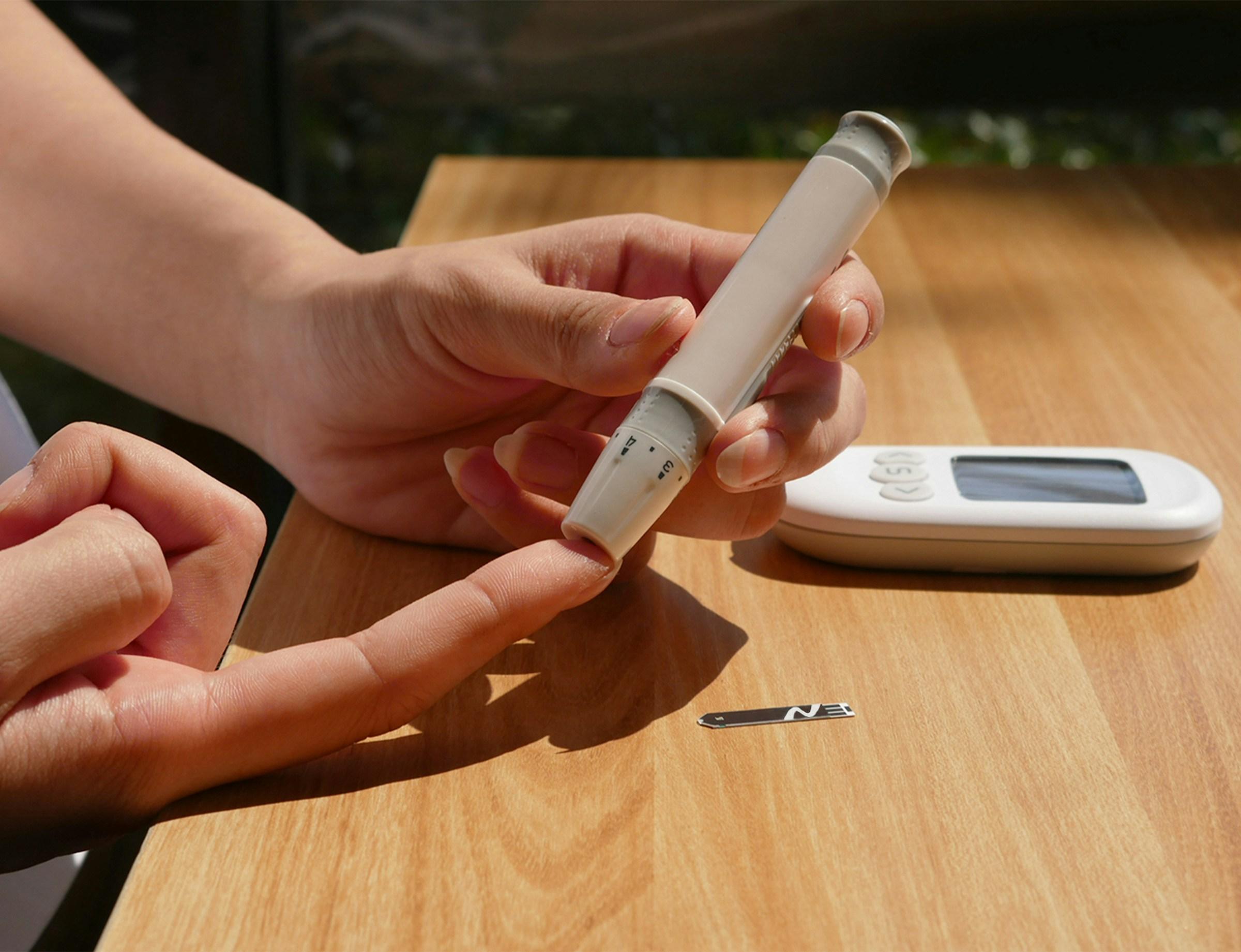
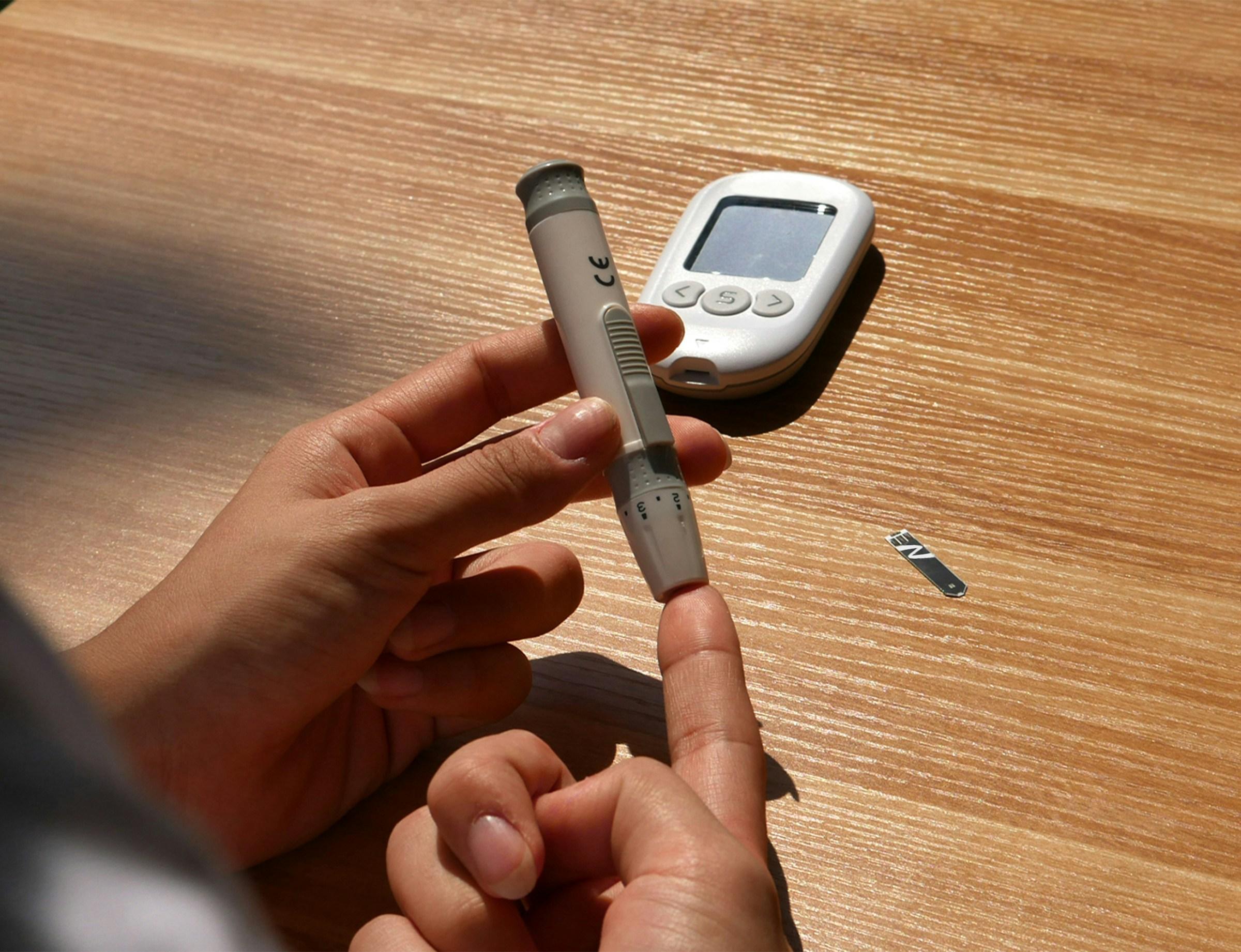
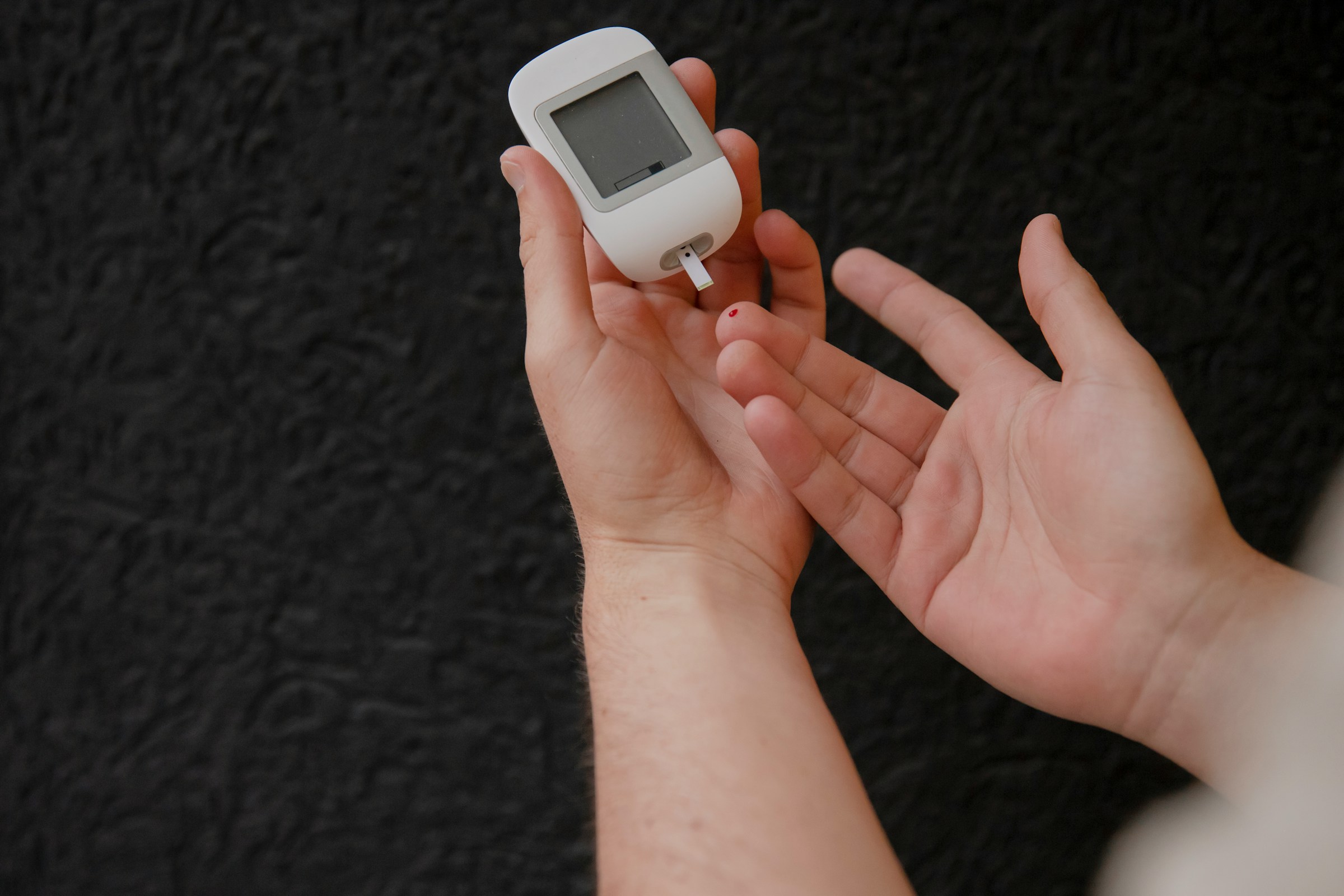
Monitoring blood sugar turns vague risk into concrete feedback. Without numbers, most people rely on guesswork and broad assumptions. You might think you are safe because you are not visibly overweight, because you exercise a few times a week, or because you are still young. Those factors matter, but they are not guarantees. Many people discover prediabetes or diabetes only when a routine blood test reveals unexpected results. Regular monitoring bridges that gap between how you feel and how your body is actually coping. At the medical level, doctors use fasting blood sugar and A1C to track patterns over months. At the personal level, simple tools like glucometers and, in some cases, continuous glucose monitors give real time information about how your daily choices affect your body.
When you check your blood sugar before a meal and again a couple of hours after, you see how a specific plate of food changes your internal state. When you repeat this with different meals or at different times of day, patterns start to emerge. You might discover that a certain breakfast keeps your levels relatively steady, while another pushes them high for hours. You might see that a short walk after lunch helps your body bring glucose down faster, while sitting still keeps it elevated. You might notice that after a night of poor sleep, your readings are higher across the whole day, which reflects the link between sleep, hormones, and insulin sensitivity. These are not abstract tips from an article. They are patterns grounded in your personal data, which makes them far more convincing and easier to act on.
Monitoring is especially powerful in the grey zone before formal disease. Prediabetes and metabolic syndrome often develop quietly. Fasting blood sugar may inch upward within what seems like a normal range, and post meal readings may stay high a little longer than they used to. These early shifts can appear years before a doctor officially labels you diabetic. That early window is a time of high leverage. The body still has reserve capacity and can respond strongly to changes in diet, movement, sleep, and stress management. When you see that your baseline is gradually rising, you have the chance to respond with deliberate adjustments rather than waiting for a crisis.
A simple monitoring routine does not need to be extreme or complicated. If you do not have diabetes but have risk factors such as family history, central weight gain, high blood pressure, or sedentary habits, a light but consistent approach can already be useful. On several days a week, you might check your blood sugar shortly after waking to see your overnight baseline. On a few of those days, you could choose one or two meals to track more closely by testing before you eat and about two hours later. You then jot down the values along with brief notes on what you ate, how much you moved, and how well you slept. Over time, this becomes a personal log that links decisions to outcomes. If you already live with diabetes, your doctor will likely recommend a different schedule that you should follow closely, but the principle is similar. Data is not there to punish you. It is there to guide you.
Seen this way, monitoring becomes a tool for designing better behavior rather than a source of fear. If every high reading feels like a moral failure, you will quickly learn to avoid the meter. If instead you treat each number as a data point in a long experiment, you will stay engaged. You ate a particular meal and got a particular result. Next time, you tweak the portion, adjust the balance of carbohydrates, protein, and fat, or add a short walk afterward, then you compare. This perspective keeps the focus on refining the system of your daily habits, rather than blaming yourself as a person. Over weeks and months, those small experiments add up. You may notice that your fasting values steadily improve, your post meal spikes become gentler, and you feel less tired or irritable through the day. That is what long term protection looks like in real life.
All of this ties back to the organs you most want to preserve. Stable blood sugar protects your heart and blood vessels by reducing the burden of constant glycation and inflammation. It protects your kidneys by lowering the strain on delicate filters. It protects your nerves and eyes by preventing the slow damage associated with chronically high glucose. Monitoring does not guarantee that you will never face health problems, but it does reduce the odds that they will arrive early and without warning. It gives you and your healthcare team a chance to see problems while they are still in the early stages, when lifestyle changes and, if needed, medication can have the biggest impact.
Of course, numbers alone are not enough. If you repeatedly see high readings, or if you experience symptoms such as excessive thirst, frequent urination, blurred vision, unexplained fatigue, or slow wound healing, you should involve a medical professional. Home monitoring is not a replacement for professional diagnosis or treatment. It is a powerful supplement. You can bring your log to your doctor, who can interpret the patterns, order appropriate tests, and help design a plan that might include medication, nutrition changes, exercise, and follow up monitoring. If you are already on medication for blood sugar, it is important not to change your doses on your own just because you see a high or low reading at home. Use the data as the basis for conversation, not solo decision making.
In the end, monitoring blood sugar is about making stability your default state instead of something you chase only when numbers suddenly look bad. By turning an invisible process into visible feedback, you give yourself the chance to shape your future health on purpose rather than by accident. A simple meter, a modest log, and a willingness to learn from your own body can create a quiet but powerful feedback loop. If the routine fits into your busiest weeks and feels manageable rather than overwhelming, you are more likely to keep it going. Over time, that steady awareness can help you avoid or delay serious complications and build a life where your energy, focus, and resilience are supported by a more stable internal system. Monitoring is not about living in fear of every reading. It is about listening early, adjusting wisely, and giving your future self a stronger foundation.
 WhatsApp
 Instagram
 Threads