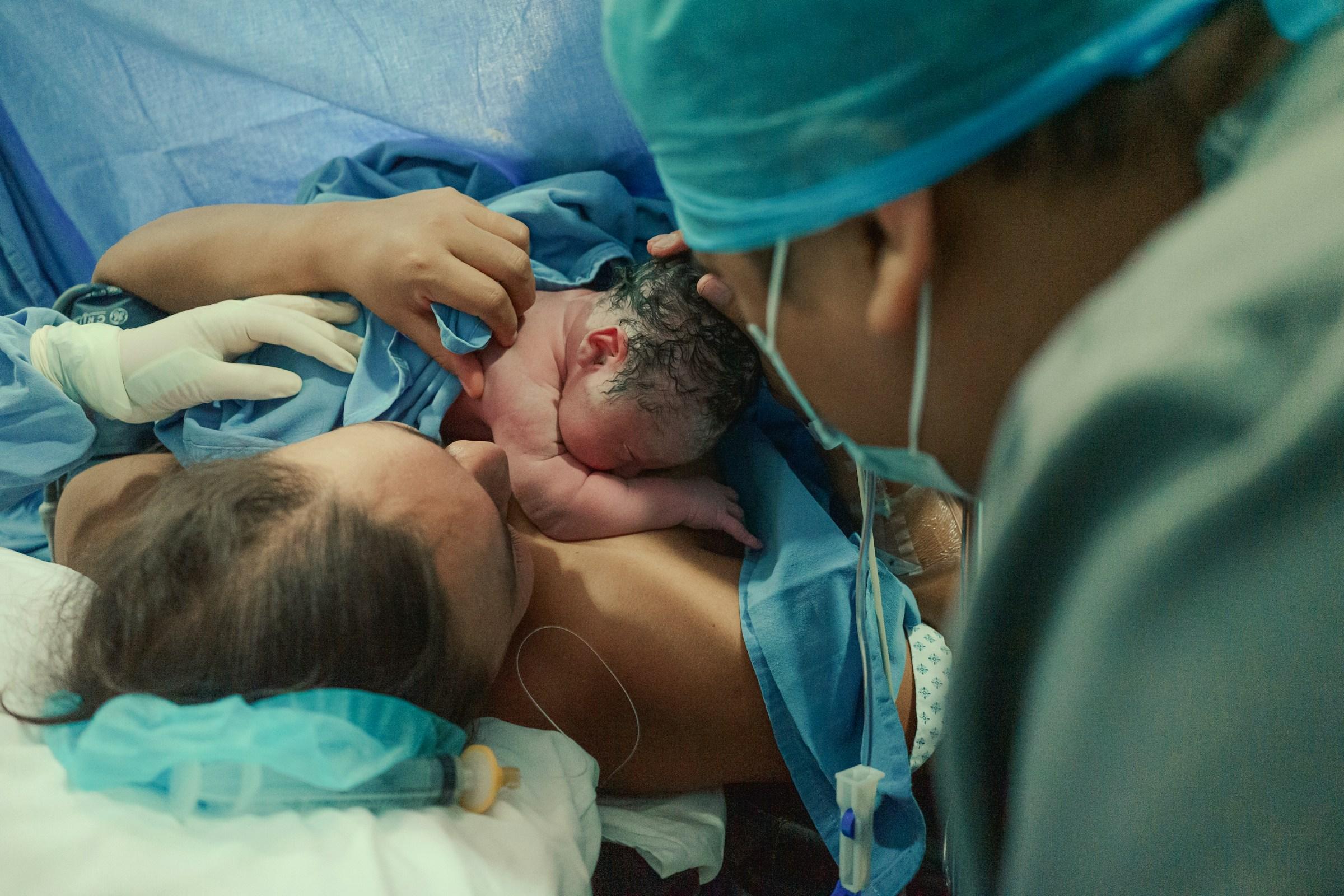
The first weeks after birth can feel as if life has shrunk into a small circle inside your home. Days and nights blur together, visitors come and go, and every sound from your baby pulls your attention in a dozen directions. In that swirl of feeding, changing, soothing and trying to rest, postnatal care can seem like one more task on an already crowded list. Yet this period after birth is not a side chapter. It is a critical window where good support can protect a mother’s body, steady her emotions, keep her baby safe, shape feeding and bonding, and help the whole household find a sustainable rhythm.
When people talk about the importance of postnatal care, they are often referring to clinic visits and medical checks. These are vital, but they are only part of the picture. It is more helpful to imagine postnatal care as a gentle structure wrapped around a new family. One layer protects physical healing, another supports mental and emotional health, another safeguards newborn wellbeing, another builds feeding confidence and bonding, and the last helps a household settle into patterns that it can actually sustain. Each layer makes the others easier to keep in place.
The first importance of postnatal care lies in protecting a mother’s physical recovery. Birth does not end when the baby arrives. The body is still completing intense processes long after the hospital discharge. The uterus is shrinking back to its pre pregnancy size, hormone levels are shifting dramatically, stitches or tears are healing, bleeding is gradually changing, and energy reserves are slowly refilling. Regular postnatal checkups are moments where a professional listens to this quiet conversation inside the body and makes sure it is moving in the right direction.
During these visits, a clinician will pay attention to bleeding patterns, blood pressure, pain, wound healing, swelling and other physical signs. The goal is not simply to clear you to go back to daily life, but to catch complications early. Infections, high blood pressure, clotting issues and excessive bleeding can appear days after you have left the delivery room and may start with symptoms that feel easy to dismiss. When you bring small concerns to a postnatal appointment, such as unusual discharge, persistent headaches or pain that does not feel right, you allow your care team to respond before a situation becomes urgent.
Physical postnatal care also shows up in the way your home is arranged. A supportive chair for feeds, a bedside basket with pads, doctor recommended pain relief and a water bottle within reach, simple meals that are easy to reheat and kind to digestion, all form part of this layer of care. These details may not look dramatic, but they protect a body that is doing complex repair work in the background while you meet the demands of caring for a newborn.
The second importance of postnatal care is the support it provides for mental and emotional health. After birth, hormones shift quickly and sleep often becomes fragmented. This combination can affect mood in powerful ways. Many mothers experience short lived mood swings, with tearfulness and irritability that fade over a couple of weeks. Others develop postnatal depression or anxiety, which can appear gradually and quietly. It is common to feel guilty about these feelings or to think that you should be coping better, especially when the focus around you is on the baby.
Postnatal care matters here because it creates structured spaces where someone asks about you, not only about the baby. During checkups, health professionals may use gentle screening questions or simple forms to understand how you have been feeling. These tools are not there to label you. They are there to open up a conversation so that emotions are not carried in silence. Being able to say “I cry most days,” “I feel constantly on edge,” or “I feel disconnected from my baby” in a safe setting is already a step toward healing. It allows your care team to suggest support options that fit your situation, which might include counselling, peer groups, lifestyle adjustments and, when needed, medication.
Emotional postnatal care also involves the way your daily environment is shaped. A corner of your home with a comfortable chair, soft lighting and a small shelf for a journal, book or device can become a calm zone for late night feeds. Opening windows for fresh air, playing soothing music you enjoy and limiting exposure to social media accounts that trigger comparison can soften the mental load of long days at home. In this sense, postnatal care is not only about formal appointments. It is also about designing a space and routine that is kind to a tired mind.
The third importance of postnatal care is the protection it offers to newborn health. Babies arrive with delicate systems that are still adjusting to life outside the womb. They need help with temperature regulation, feeding, sleep, and protection from infection. In the early weeks, postnatal appointments provide a steady rhythm of checks to ensure that your baby is thriving. Health professionals will monitor weight gain, jaundice, feeding patterns and general alertness. These visits are opportunities to ask questions about your baby’s behaviour and to learn what is typical and what might require closer attention.
In many places, early newborn visits are also when screening tests are performed for hearing, metabolic conditions and other health issues that are not obvious at first sight. Catching these early can have a lifelong impact. At home, the information you receive during postnatal care helps you recognise the signs that something is not right, such as fewer wet diapers, persistent fever, poor feeding or unusual breathing patterns. When parents know which signs are urgent, they are better equipped to act quickly rather than waiting and hoping that the problem will pass.
Newborn postnatal care also extends into the way you set up your home. A safe sleep surface free of loose pillows or heavy blankets, a consistent sleep position as advised by your health provider, and a comfortable room temperature all reduce certain risks. A simple rule like dressing your baby in one more layer than you are wearing can act as a quick check for comfort. In this way, postnatal care connects the advice you receive in a clinic with the practical decisions you make every day in your bedroom, living room and car.
The fourth importance of postnatal care is the way it builds feeding confidence and strengthens bonding. Feeding is one of the central experiences of the early weeks, whether you breastfeed, use formula, pump or combine different methods. It shapes your schedule, your sleep and your sense of competence as a parent. When feeding does not match your expectations, it is easy to feel that you are doing something wrong or that your body has failed you.
Support during the postnatal period helps shift this mindset. Lactation consultants, midwives and nurses can observe a feed and suggest adjustments to latch, position and timing that reduce pain and improve milk transfer. They can help you set up a pumping routine that fits your life if you are returning to work or sharing feeding duties. If you are using formula, they can guide you on safe preparation and responsive feeding so that you can feel confident that your baby is getting what they need. Even for parents whose feeding journey is smooth, checkups are valuable moments to ask if things are on track and receive reassurance.
Bonding grows through the small, repeated interactions that fill your days. Skin to skin contact, soft talking during diaper changes, gentle eye contact during feeds, and calming routines such as a warm bath or a simple song can all deepen your connection. Postnatal care professionals can demonstrate soothing techniques that help regulate your baby’s nervous system, such as swaddling, gentle rocking or paced breathing. When you view feeding and bonding as skills that you and your baby are learning together, instead of tests that you either pass or fail, you create room for patience and curiosity rather than pressure.
The fifth importance of postnatal care lies in its role in helping families design sustainable home rhythms. When most people hear the word “postnatal,” they think of forms, appointments and strict instructions from hospitals. Yet one of the quiet strengths of good postnatal care is how it supports you to build daily patterns that your household can maintain. This matters because exhaustion usually comes not only from lack of sleep, but from feeling that every day is chaotic and reactive.
Conversations during postnatal appointments can cover more than immediate health concerns. They can touch on sleep strategies for parents and baby, how to share responsibilities with a partner or relatives, plans for returning to work and options for contraception and spacing future pregnancies. Decisions in these areas create the foundation for the months ahead. A suggestion as simple as rotating night duties, preparing snack boxes you can eat with one hand, or placing diapers and wipes in a few stations around the home can turn overwhelming days into something more predictable.
Sustainable rhythms also include the way your home uses resources. Accepting pre loved baby clothes and gear can ease financial pressure and reduce waste. Setting up a small, regular laundry routine prevents mountains of washing from becoming one more stress. Preparing a few freezer friendly meals before birth, or asking visitors to bring food instead of gifts, can make it easier to avoid relying on heavily processed options when you are tired. Even small choices, such as keeping reusable water bottles near your feeding chair or having a basket for recycling packaging from baby products, contribute to a home system that supports both your wellbeing and the environment.
When these five aspects come together, the importance of postnatal care becomes clearer. It is not limited to preventing emergencies, although that remains a crucial part. It is about creating a supportive circle around a mother and her baby, one that honours physical healing, protects mental health, safeguards newborn wellbeing, nurtures feeding and bonding, and helps a family find its own rhythm. Every home will express this care in a different way. Some families live in multigenerational households with grandparents nearby. Others build support through friends, neighbours, community groups or online networks. What remains constant is the idea that no one is meant to navigate this season completely alone.
If you are in the postnatal period now, you can imagine care as a set of small, interconnected systems. Some are medical, some are emotional, and others are woven into the way your home functions. You do not need a perfect schedule or an ideal nursery. You need patterns that are gentle enough to live with and strong enough to protect your health and your baby’s safety. When postnatal care is treated not as an afterthought, but as an essential part of life design, the early weeks after birth can slowly shift from feeling like a storm into a new rhythm that your body, your baby and your home learn together.
 WhatsApp
 Instagram
 Threads