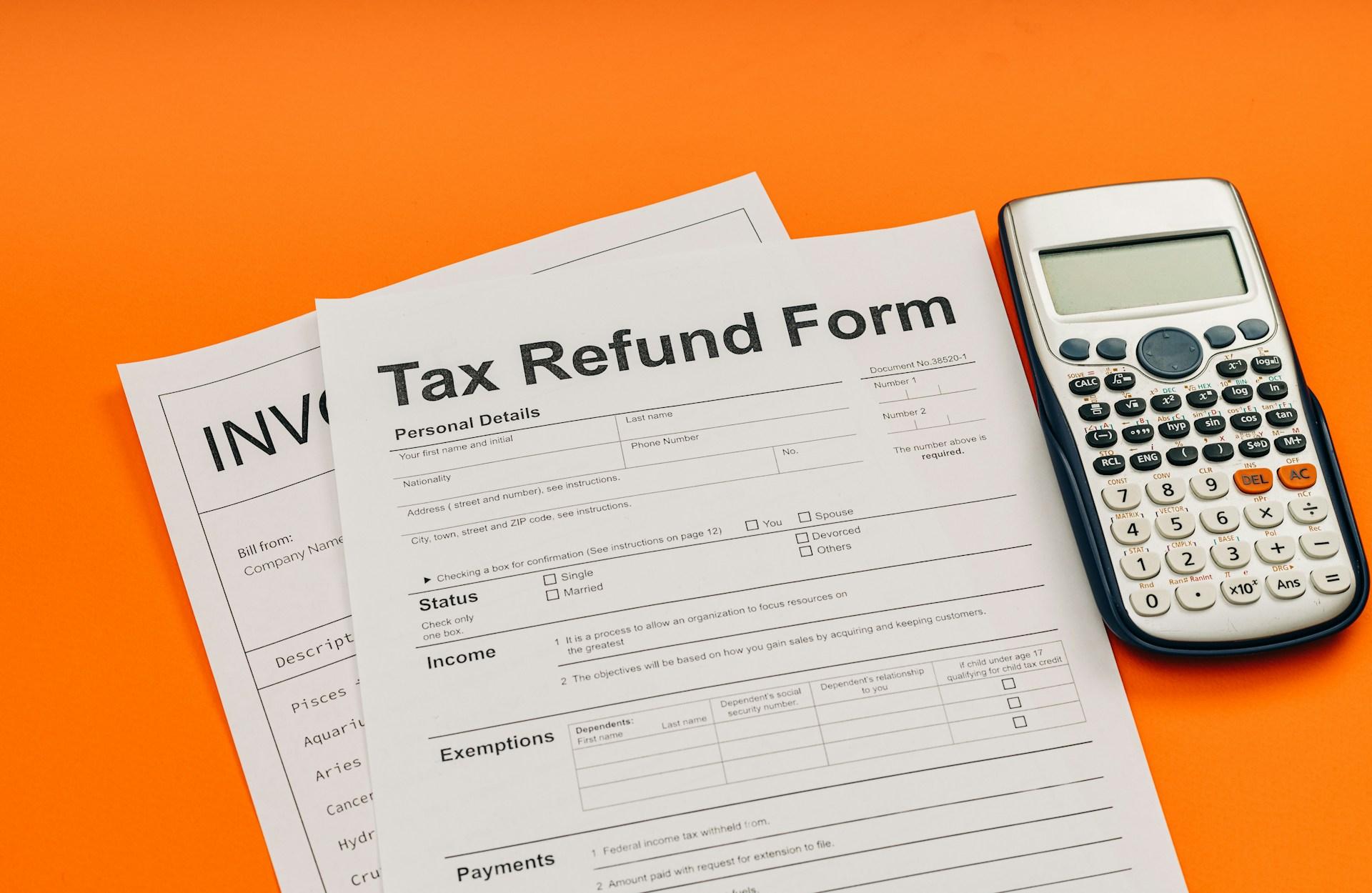
Complying with tax regulations in Singapore is important not only because it is a legal requirement, but because it protects your financial stability and keeps your personal or business life running smoothly. Singapore’s tax system is designed to be structured, deadline-driven, and heavily supported by documentation. When you file accurately and pay on time, you avoid turning a routine obligation into a costly problem. More importantly, you keep control over your cash flow, reduce uncertainty in your long-term plans, and maintain a clean financial record that can matter in situations far beyond tax season.
One of the clearest reasons tax compliance matters is that penalties can add up quickly once you miss deadlines. A late tax payment does not remain a simple outstanding bill. It becomes an enforcement issue with additional charges that can increase over time. Even when the initial amount seems manageable, the frustration often comes from realizing the extra cost was avoidable. Paying on time is not just about saving money on penalties, but about preventing unnecessary stress and protecting the budget you rely on for everyday needs, savings goals, and unexpected expenses.
Filing your taxes properly is just as important as paying. When you fail to file, the issue moves beyond a missed task and becomes non-compliance, which can lead to escalating consequences. In a system like Singapore’s, where tax administration is efficient and follow-up processes are clear, ignoring filing responsibilities can create problems that become harder to resolve the longer they are left unattended. Filing on time keeps you in good standing and prevents the situation from turning into a prolonged back-and-forth that drains time and energy.
Tax compliance also matters because it helps you avoid misunderstandings that may be interpreted as more serious than they are. There is a meaningful difference between an honest mistake and an act that appears intentional. Many taxpayers make errors simply because they do not fully understand what counts as taxable income, what reliefs they qualify for, or how to report additional earnings. However, when records are incomplete or claims are made casually without support, it becomes harder to explain your position if questions arise. Careful filing and proper documentation reduce the risk that a preventable error becomes a major issue.
For employees with straightforward income, tax filing may feel routine because much of the process is automated. Yet even salaried workers can run into trouble when their financial lives become more complex. Side gigs, freelance income, rental income, and other additional earnings can create tax obligations that are easy to overlook. Small amounts may not seem significant at first, but over time they can add up, and inconsistencies can attract attention. When you track these income streams properly and report them accurately, you are protecting yourself from future complications and ensuring your tax record reflects your real financial situation.
For self-employed individuals and business owners, compliance becomes even more critical because taxes are closely tied to business discipline. Good tax habits often reflect good business habits: keeping invoices, tracking expenses, separating personal spending from business costs, and maintaining organized records. In Singapore, documentation functions as proof of credibility. A clean tax history and clear records can support applications for loans, financing, rentals, or other situations where you need to demonstrate reliability. In this way, tax compliance is not just about meeting rules, but about strengthening your ability to grow and sustain your financial life.
Another key reason compliance matters is that it supports better cash flow management. Taxes are time-bound obligations, and if you ignore them, they can create financial pressure at the worst possible moment, such as during a job transition, a medical emergency, or a major purchase. When you treat taxes as part of your financial planning rather than an afterthought, you reduce the risk of a sudden strain on your finances. A predictable tax process gives you space to plan for savings, investments, and long-term goals with fewer surprises.
Singapore’s tax system also includes ways to correct mistakes, and compliance helps you take advantage of those options early. The ability to disclose errors and make corrections is far more useful when you act voluntarily and promptly. Once a tax authority needs to chase you for missing information or unpaid amounts, the tone of the process can shift from correction to enforcement. Staying proactive allows you to resolve issues while they are still manageable and demonstrates good faith in meeting your responsibilities.
It is also important to remember that tax regulations do not stop at individual income tax. If you operate a business, other obligations such as GST requirements or withholding tax responsibilities may apply depending on your situation. These areas can be confusing, especially for smaller businesses that move quickly and do not always have professional support. Yet the cost of misunderstanding can be significant, not only in penalties but also in how it affects your operations. Compliance ensures your payment processes, contracts, and reporting systems do not accidentally create exposures that surface later when the money has already been spent.
Beyond personal consequences, tax compliance supports fairness and stability in the broader system. Singapore’s ability to provide public services, maintain infrastructure, and fund support schemes relies on a tax structure that depends on widespread compliance. When most people and businesses follow the rules, the system can remain predictable, enforcement can focus on deliberate abuse, and policies can function as intended. In that sense, compliance is not only about personal protection, but also about sustaining a system that works efficiently for the wider community.
Ultimately, complying with tax regulations in Singapore is a practical choice that protects your finances and your peace of mind. It helps you avoid penalties, prevents small issues from escalating, and reduces the risk of disputes caused by poor records or misunderstandings. It supports better cash flow planning and strengthens your credibility in a society where documentation matters. When you treat tax compliance as part of your overall financial routine, you create stability for yourself and reduce the chance that a preventable mistake will disrupt your plans.
 WhatsApp
 Instagram
 Threads







.jpg&w=3840&q=75)