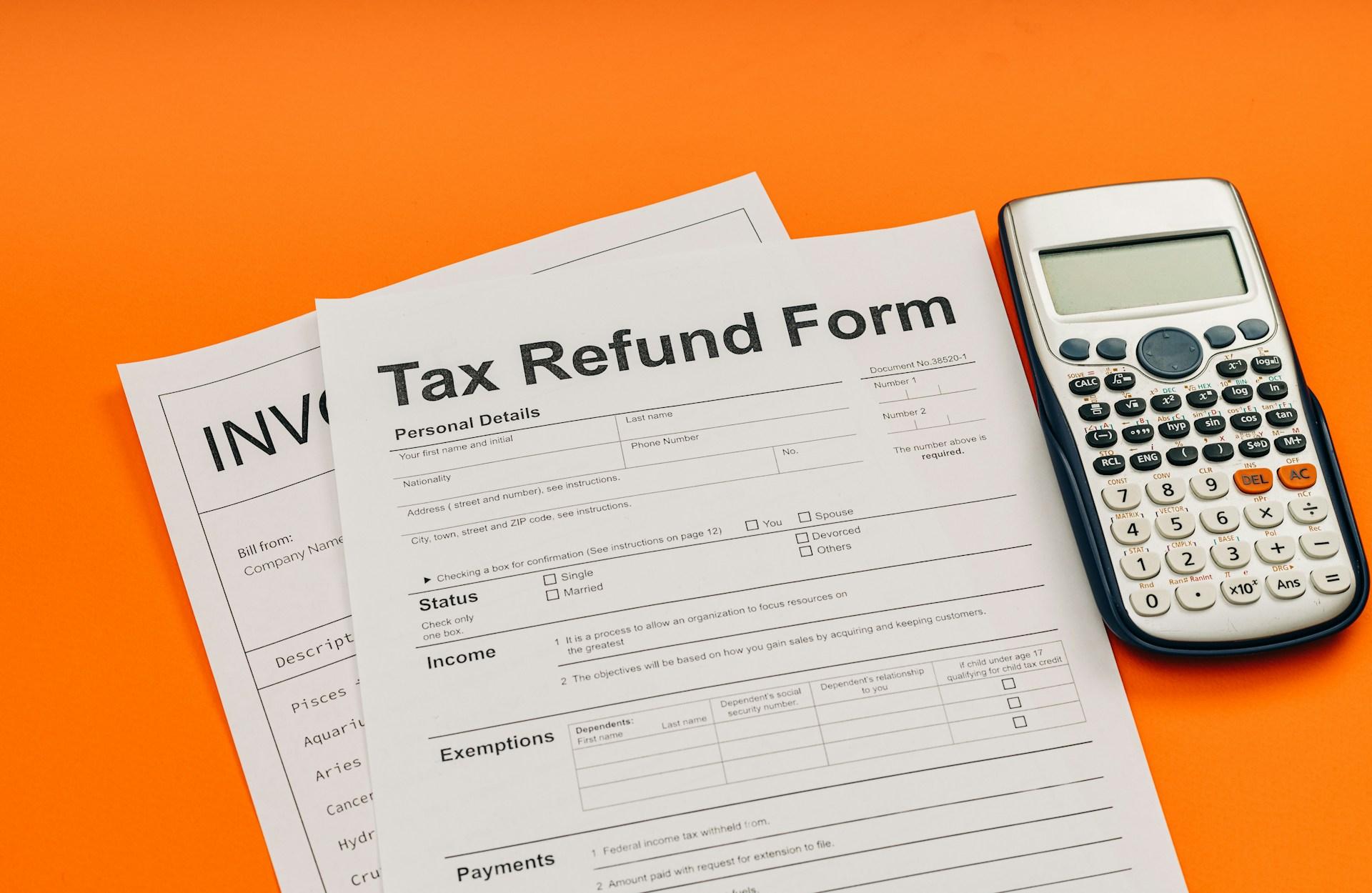
Lowering a car insurance premium begins with recognising that insurers are pricing risk rather than rewarding good intentions. Even careful drivers can face rising premiums because insurance costs reflect probabilities and patterns, including accident frequency, repair expenses, theft rates, and how closely a policy matches a driver’s real-life situation. The most effective way to pay less is not to chase the lowest quote blindly, but to make deliberate choices that reduce risk signals, remove unnecessary costs, and keep coverage strong enough to protect against serious losses.
A practical starting point is to ensure the policy details accurately reflect how the car is used. Many drivers renew automatically, leaving last year’s information unchanged even when their routines have shifted. If a driver now commutes less often, drives fewer kilometres, or mainly uses the car for short trips, the insurer may be overestimating exposure. Updating mileage and usage can prevent the driver from paying for a level of risk that no longer exists. The same logic applies to who drives the car. If the driver list is outdated, or if the main driver is recorded incorrectly, the premium may be higher than necessary and the policy may become vulnerable during a claim. Accuracy is not only about compliance, but also about receiving fair pricing and ensuring the coverage works when it is needed.
Another important strategy is to review what is included in the policy and remove anything that does not provide real value. Many car insurance plans come with add-ons such as roadside assistance, replacement car benefits, and enhanced windscreen protection. These features can be useful, but they often overlap with benefits already provided through a credit card, a manufacturer warranty, or a separate roadside membership. When duplication is removed, the driver is not reducing protection. Instead, the driver is eliminating unnecessary spending and building a cleaner, more cost-efficient insurance setup.
Claims history also plays a major role in determining premium costs, which is why drivers should treat a clean record as a long-term asset. Discounts linked to no-claims years can become substantial over time. This does not mean avoiding legitimate claims after serious incidents, but it does mean thinking carefully before claiming for minor damage. If the repair cost is close to the excess, the immediate benefit of claiming may be small, while the long-term impact of higher premiums can be significant. By reserving insurance claims for meaningful losses, drivers may preserve discounts and reduce the chance of premium increases in future renewals.
Excess selection is another lever that can lower premiums when used responsibly. A higher voluntary excess often reduces the premium because the driver agrees to absorb more of the first portion of any claim. However, this approach is only sensible if the driver can comfortably afford the excess without financial strain. A premium that looks cheaper on paper can become costly if a claim forces the driver into debt. In this sense, choosing an excess is not just a pricing decision, but a personal cash flow and emergency preparedness decision.
Payment method can also affect the overall cost of insurance. Monthly instalments may feel easier, but they often include added charges because the insurer is effectively financing the premium across the year. Paying annually can reduce the total amount paid. For drivers who cannot pay a lump sum, a disciplined alternative is to set aside a small amount each month into a renewal fund so the annual payment becomes manageable when the policy is due. This approach keeps the budget stable while still capturing savings that may come from annual payment.
Comparing options across insurers remains one of the most reliable ways to lower premiums, but it needs to be done carefully. Shopping around works best when the driver compares like-for-like coverage rather than focusing only on headline price. Small differences in excess, add-ons, or coverage type can make one quote look cheaper even though it provides less protection. Planning ahead also helps because last-minute renewals often limit options and create pressure to accept higher costs. When drivers compare early, they are more likely to negotiate, adjust coverage thoughtfully, and select a plan that fits without rushing.
For some drivers, especially younger drivers or those with limited insurance history, telematics may provide another pathway to savings. These policies use monitored driving behaviour to assess risk and can reward consistent safe driving with lower premiums. This option suits drivers who are comfortable with monitoring and confident in their driving habits. The key is to understand how driving scores are measured and what consequences follow if the insurer decides the behaviour is risky. When the terms are clear and the driver’s habits are steady, telematics can reduce the premium by shifting the pricing basis from age or experience to proven driving behaviour.
Ultimately, lowering car insurance is about balancing cost with protection. Drivers can often reduce premiums by keeping policy information current, removing unnecessary add-ons, managing claims strategically, choosing a sensible excess, paying in a cost-efficient way, and comparing options early. When these strategies are applied together, the result is not only a cheaper premium, but also a stronger, more reliable insurance plan that supports long-term financial stability.
 WhatsApp
 Instagram
 Threads





.jpg&w=3840&q=75)