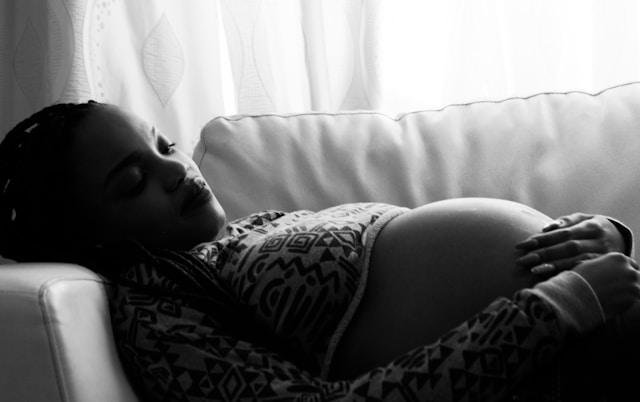
A cryptic pregnancy is a pregnancy that goes unrecognised until late, sometimes not until labour. The phrase can sound mysterious, as if the pregnancy is somehow invisible. In reality, it is usually the result of ordinary biology and ordinary thinking colliding in an uncommon way. The body may not produce the classic signals people expect, the signals that do appear may be subtle or easy to interpret as something else, and the usual confirmation step, a home urine pregnancy test, may be taken at the wrong time or under conditions that make a negative result more likely. When those factors line up, a pregnancy can progress quietly in the background of daily life.
To understand what causes cryptic pregnancy, it helps to think of pregnancy recognition as a detection process. Most people are taught to look for a missed period, nausea, breast changes, fatigue, and a growing belly. When those cues arrive clearly and in the expected order, the mind connects the dots quickly. But when the cues are weak, inconsistent, or masked by other conditions, detection becomes harder. A cryptic pregnancy is not typically caused by a single unusual event. It is more often the combined effect of baseline patterns that reduce the clarity of symptoms, physical changes that do not match expectations, and testing or timing issues that shut down suspicion too early.
One of the most common contributors is an irregular menstrual cycle. Many people use their period as the loudest early warning sign. A predictable cycle makes it obvious when something changes, so a missed period triggers a test. But if periods are already inconsistent, a missing or delayed period does not necessarily feel meaningful. Someone who regularly skips months, experiences long cycles, or has unpredictable spotting may not see a clear shift that demands explanation. In that context, pregnancy can feel less likely than stress, travel, weight change, or hormonal fluctuations. The absence of a reliable monthly pattern removes the simplest prompt to investigate.
Conditions that affect hormones can intensify this problem. Polycystic ovary syndrome is a well known example. PCOS can involve irregular periods, changes in hair and skin, weight fluctuations, and mood shifts. Many of those experiences overlap with early pregnancy symptoms, so the body’s new signals do not stand out sharply. A person may feel more tired than usual, notice appetite changes, or have breast tenderness and assume it is part of the same cycle of hormonal variation they have been managing for years. Thyroid disorders and other endocrine disruptions can create a similar blur, where fatigue, weight shifts, and mood changes have multiple plausible explanations.
Age and life stage can also reshape how people interpret symptoms. During perimenopause, cycles often become irregular and symptoms such as hot flashes, disrupted sleep, and mood swings can dominate attention. If periods are already changing, a late period may not prompt a pregnancy assumption. Some people also carry a strong belief that pregnancy is unlikely at their age, especially if they have been told fertility declines rapidly or if they have a history of difficulty conceiving. That belief is powerful because it influences what the mind considers possible. When pregnancy is mentally categorised as improbable, the brain naturally looks for other explanations first.
Another cause of cryptic pregnancy is bleeding that is mistaken for a period. Many people assume bleeding ends entirely during pregnancy. While a true menstrual period does not occur in pregnancy, bleeding and spotting can still happen for a range of reasons, particularly in early pregnancy. Light spotting may be dismissed as a short period. Irregular bleeding may be framed as hormonal disturbance. If someone sees blood on schedule, or at least often enough to feel reassured, they may not consider pregnancy at all. The presence of bleeding acts like false confirmation that nothing has changed, even when it has.
Physical appearance adds another layer of confusion because pregnancy does not look the same on every body. Some people do not visibly show for a long time, especially if they have a longer torso, stronger abdominal muscles, a uterus that sits in a way that makes the bump less prominent, or weight distribution that hides subtle changes. Others experience weight gain but attribute it to diet, stress, medications, or reduced activity. If weight does not change significantly, that can also reinforce the idea that pregnancy is unlikely, because popular culture often presents pregnancy as quickly obvious. When someone expects a dramatic belly early and it does not appear, they may discount the possibility even if other symptoms are present.
Symptom intensity varies widely, and mild symptoms are easy to explain away. Nausea might never appear, or it may be so light that it feels like indigestion or a temporary stomach bug. Breast tenderness can be written off as premenstrual changes. Fatigue can be blamed on long workdays, poor sleep, mental load, or burnout. Even when symptoms are present, they are not always specific to pregnancy. In busy seasons of life, people often interpret bodily discomfort through the lens of what feels most immediate, such as deadlines, family stress, or lifestyle shifts. That is not denial in the dramatic sense. It is everyday reasoning under uncertainty.
Fetal movement is another cue that people rely on, yet it can be misread, especially early on. Early movement can feel like fluttering, gas, or muscle twitches. If someone is not expecting pregnancy, it is natural to interpret those sensations as digestion or normal body noise. Some people have placental positions that cushion movement in a way that makes it less noticeable. Others are simply not tuned to the pattern yet. When the mind is not looking for pregnancy, it is less likely to label ambiguous sensations as a baby kicking.
Testing issues can turn a situation of uncertainty into a closed case. Home pregnancy tests detect the hormone hCG in urine. In many situations they work well, but a negative test does not always mean there is no pregnancy. Timing is the biggest reason. If the test is taken too early, before hCG rises enough to reach the test’s detection threshold, the result can be negative even though pregnancy has begun. Some people test as soon as they feel “off,” or they test immediately after a sexual encounter that worried them, without realising the body needs time to produce detectable levels. A single early negative can be interpreted as definitive, and the question stops there.
Urine concentration matters too. If someone drinks a lot of water, tests later in the day, or takes the test when urine is dilute, the hCG concentration in that sample may be lower than expected. Instructions often recommend first morning urine for early testing for a reason, but many people do not follow that guidance closely, especially if they are testing casually rather than with high suspicion. In a cryptic pregnancy scenario, the test might be taken once, under less than ideal conditions, and then filed away mentally as proof that pregnancy is not the issue.
There are also rarer technical explanations for false negatives, which matter less in most everyday cases but still belong in the full picture. Different forms of hCG and its fragments can affect how some tests perform. In very uncommon situations, extremely high hCG levels can overwhelm test chemistry, producing a misleading negative, a phenomenon sometimes referred to as the hook effect. This is not the typical cause of a cryptic pregnancy, and it is not something most people should assume is happening. Still, it illustrates a broader truth: a urine test is a tool, not an absolute.
A cryptic pregnancy can also be shaped by psychological and social context. People often confuse cryptic pregnancy with intentional concealment, but they are not the same. Concealment implies awareness. A cryptic pregnancy is defined by a lack of recognition. That lack of recognition can be influenced by stress, fear, trauma, unstable relationships, financial pressure, or strong social consequences associated with pregnancy. When pregnancy feels threatening to one’s life situation, the mind may resist entertaining the idea, not as a conscious lie but as a protective narrowing of attention. At the same time, many cryptic pregnancies occur without any dramatic psychological component. The body’s signals are simply too quiet, too familiar, or too easily assigned to something else.
Certain everyday situations create predictable clusters of risk. Someone with irregular cycles, such as those with PCOS, is already less likely to use missed periods as a reliable cue. Someone who has recently been pregnant or is postpartum may have irregular bleeding, hormonal shifts, and constant fatigue, all of which can disguise pregnancy symptoms. Someone using contraception may assume pregnancy is nearly impossible and therefore interpret symptoms through other explanations. Contraception is effective when used correctly, but no method is perfect, and inconsistent use can reduce protection. If a person believes they are protected, pregnancy drops off the mental shortlist, and that belief can delay recognition even when clues appear.
The social story around pregnancy also matters. Many people are taught a narrow narrative: you miss a period, you feel morning sickness, you take a test, and you immediately know. When real life does not match that script, confusion follows. Someone might feel odd, but if they have not missed a period clearly, or if their body does not show the classic symptoms, they may not know what to do with the uncertainty. If they test once and it is negative, they often move on, especially if they feel embarrassed about worrying or if the idea of pregnancy feels too disruptive to consider.
When it comes to what causes cryptic pregnancy, the key theme is not invisibility. It is misalignment. The body’s cues do not align with the person’s expectations, and the person’s expectations shape what they notice. In other words, cryptic pregnancy is often a mismatch between biology and belief. Irregular cycles weaken the calendar-based warning system. Bleeding creates false reassurance. Mild symptoms blend into everyday stress or existing health conditions. Body changes do not follow the stereotypical timeline. A mistimed or poorly timed urine test produces a negative that shuts down further investigation. None of these elements alone guarantees a cryptic pregnancy, but together they can create a situation where pregnancy remains outside awareness.
If someone suspects pregnancy but keeps getting negative home tests, the most practical response is to widen the investigation rather than argue with the stick test. Repeating a test after a few days can help because hCG rises over time. Using first morning urine can improve accuracy early on. Seeking a clinician’s evaluation, including a blood test, can provide clearer answers because blood testing can detect hCG more reliably in earlier stages. More importantly, if symptoms are concerning, such as severe abdominal pain, heavy bleeding, dizziness, or fainting, medical attention should be urgent because pregnancy complications like ectopic pregnancy can be serious and sometimes present with misleading test results.
The takeaway is simple and grounding. A cryptic pregnancy is not an impossible pregnancy. It is a pregnancy that does not announce itself in the ways people expect, combined with interpretation and testing circumstances that keep it under the radar. When you understand cryptic pregnancy as a detection problem rather than a mystery, the causes make sense. They are the same factors that make any health signal hard to notice: variability, overlap, assumptions, and imperfect tools used at imperfect times.
 WhatsApp
 Instagram
 Threads