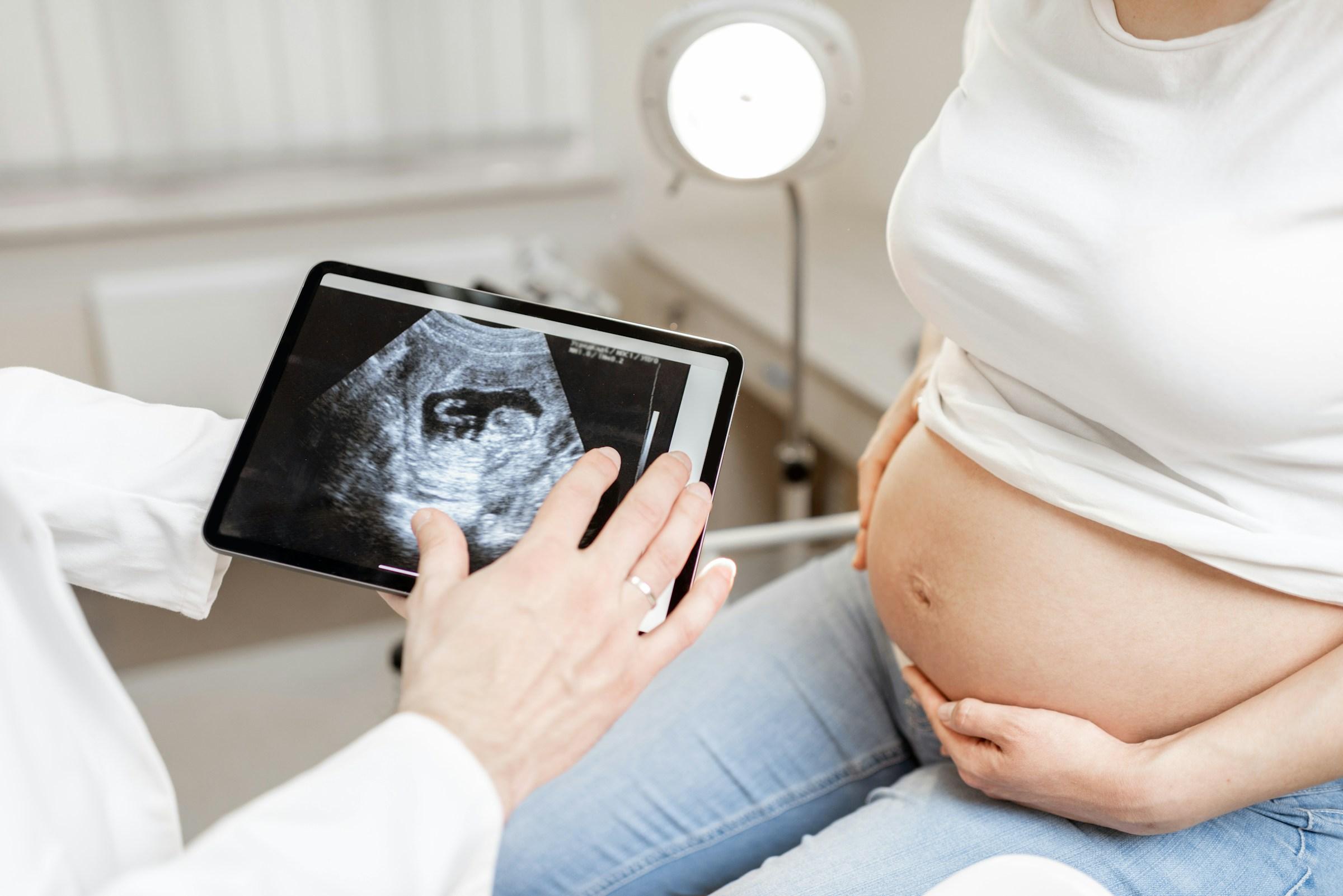
A cryptic pregnancy is a pregnancy that goes unrecognized for a significant stretch of time, sometimes until late in the third trimester or even until labor begins. It is often portrayed as a shocking twist, but the real concern is not the surprise itself. The real concern is what can happen when pregnancy goes unmanaged because it was never confirmed or suspected in the first place. Pregnancy still changes the body and still carries potential complications, whether a person is aware of it or not. When recognition comes late, the window for prevention, monitoring, and planning becomes much smaller, and that is where most of the risks come from.
The most important risk of cryptic pregnancy is delayed or missed prenatal care. Prenatal care is designed to catch problems early, track fetal growth, monitor maternal health, and provide guidance that reduces avoidable harm. When someone does not know they are pregnant, they do not attend early appointments, they do not get routine blood pressure checks, and they do not receive the usual screenings that can identify risks long before they become emergencies. A pregnancy discovered late may still receive medical attention once identified, but the opportunity to build a careful roadmap from the first trimester onward is often lost.
One serious concern linked to late or absent prenatal monitoring is hypertensive disorders in pregnancy, including preeclampsia. Preeclampsia can develop without obvious symptoms in its early stages, and it is often detected through routine measurements such as blood pressure monitoring and urine testing. Without those checks, warning signs may go unnoticed until symptoms become severe, such as headaches, vision changes, swelling, or pain that signals the condition has progressed. When diagnosis is delayed, treatment and delivery planning can become urgent rather than proactive, and that can increase risks for both parent and baby.
Another major risk is missed identification of fetal growth problems. Healthy fetal development is often assessed through a mix of physical measurements, ultrasound findings, and trends over time. When there are no regular visits, there are no trends to compare, and subtle issues may not be flagged. Babies who are smaller than expected for gestational age, or who experience fetal growth restriction, may require closer surveillance or earlier intervention. If these conditions are not identified until late, there may be fewer options to adjust care in a way that improves outcomes.
Preterm birth is also a concern commonly associated with cryptic pregnancy, and the reasoning is straightforward. Prenatal care supports healthy pregnancy by identifying risks early, treating underlying conditions, and reinforcing protective behaviors. Without this structure, it becomes easier for problems to compound. Nutritional gaps may persist. Infections might go untreated. Chronic conditions such as thyroid disease or diabetes may not be addressed with pregnancy specific targets. Even when someone feels well, pregnancy involves major physiologic changes, and a condition that is manageable outside of pregnancy can shift quickly when the body is under increased cardiovascular and metabolic demand. Late recognition reduces the time available to correct these factors and can increase the likelihood of complications that contribute to early labor.
Beyond medical monitoring, cryptic pregnancy raises the risk of unintentional exposure to substances or medications that are usually avoided once pregnancy is confirmed. Many people change their habits immediately after learning they are pregnant. They avoid alcohol, stop smoking or vaping, reconsider recreational drugs, review prescription medications, and begin prenatal vitamins, especially folic acid, which supports early neural development. When pregnancy is unknown, these protective choices may not happen, particularly during the first trimester when major organ development is underway. This does not mean harm is inevitable, but it does mean the pregnancy is more likely to be influenced by avoidable exposures simply because no one had a reason to intervene early.
The delivery period can become riskier as well, especially when labor is unexpected. If someone does not recognize the signs of labor or interprets them as gastrointestinal pain, cramps, or a sudden illness, they might delay seeking care until delivery is imminent. This can lead to a rushed arrival at the hospital, limited time for assessment, and a higher chance of giving birth without the desired support or monitoring. In extreme cases, it can result in an unassisted delivery at home or in a non-medical setting, which increases risk because complications such as heavy bleeding, fetal distress, or a baby needing immediate neonatal support can become harder to manage outside a prepared clinical environment.
Planning is a quiet form of safety in pregnancy, and cryptic pregnancy disrupts that planning. Typical prenatal care includes discussions about where to deliver, what kind of pain management someone may want, whether there are risk factors that suggest a need for specialist care, and what support is available after birth. It also includes preventive measures such as vaccinations, screening for anemia, counseling on nutrition and sleep, and checking in on mental well-being. When pregnancy is discovered late, many of these steps are compressed into a short period, and decisions that are usually made calmly across months may be forced into days or hours.
The emotional and social risks also deserve attention. Discovering a pregnancy late can trigger intense stress, confusion, and fear, especially if someone feels unprepared or if the pregnancy creates immediate financial, relationship, or work pressures. Some people may experience shame or worry about being judged, which can delay care even further. In cases where pregnancy denial is involved, there may be deeper psychological dynamics that require sensitive, nonjudgmental clinical support. Even without denial, the shock of a late discovery can affect bonding, coping, and postpartum adjustment because the mental transition to parenthood is suddenly accelerated.
Cryptic pregnancy can also lead to misinterpretation of symptoms by both individuals and healthcare providers. Irregular bleeding can be mistaken for a period. Weight changes may be attributed to stress or lifestyle. Nausea or fatigue can be linked to work strain, digestive issues, or hormonal fluctuations. Sometimes pregnancy tests are not taken early or are not repeated after an initial negative result, and the possibility of pregnancy drifts further from consideration. This matters because the longer a pregnancy remains unrecognized, the more likely it is that complications, if they arise, will be discovered later and under more urgent circumstances.
Despite these risks, it is important to keep perspective. A cryptic pregnancy does not automatically mean poor outcomes. Many people who discover pregnancy late still go on to have healthy deliveries, especially when they receive prompt care once the pregnancy is identified. The key issue is not the label of cryptic pregnancy itself. The key issue is the loss of time and information. Pregnancy care works best when it is built on regular feedback, consistent monitoring, and early intervention. When awareness is missing, that feedback system is absent.
For practical purposes, the most protective response is early confirmation when something feels off. A change in period patterns, persistent bloating, breast tenderness, ongoing fatigue, dizziness, unusual appetite shifts, or unexplained body changes are all reasons to consider a pregnancy test, even if pregnancy seems unlikely. If a test is negative but symptoms persist, repeating the test after some time and seeking a medical evaluation can be important, particularly because timing and test sensitivity can affect results. Once pregnancy is confirmed, clinicians can move quickly to establish gestational age, check blood pressure, screen for anemia and diabetes, assess fetal growth, and create a tailored plan for the remainder of pregnancy.
Ultimately, the risks of cryptic pregnancy are less about mystery and more about missing the usual safeguards. Pregnancy is not only a biological process. It is also a process that benefits from awareness, preparation, and support. The earlier pregnancy is recognized, the earlier the protective systems can be put in place. If recognition happens late, the goal is to rebuild those systems quickly and compassionately, focusing on practical medical care, emotional support, and a clear plan for delivery and postpartum recovery.
 WhatsApp
 Instagram
 Threads