If you are starting your 401(k) in your late thirties, forties, or even fifties, it can feel like everyone else got a head start while you were stuck on the sidelines. You open your benefits portal, click on the retirement tab, and the number staring back at you feels too small for the years you have already worked. Maybe you were focused on paying off loans, raising kids, helping your parents, or just trying to survive on an early career paycheck. Now retirement is no longer a far away idea. It is a timeline you can actually count in years. The first thing to understand is that starting late is not the same as being too late. You do not get those early years back, and it is not helpful to pretend you can. But you do have advantages that your younger self did not. Your income is usually higher. You know more about how you actually spend and what you actually value. You are less interested in impressing other people and more interested in not feeling trapped at sixty five. If you combine that maturity with a simple, repeatable 401(k) plan, you can still build a meaningful retirement cushion without turning your current life into a constant sacrifice.
The mental reset comes before any numbers. A lot of late starters carry quiet shame, as if having a small 401(k) balance equals failing adulthood. That shame is heavy and it pushes people into two unhelpful extremes. Some avoid the topic and do nothing because it feels hopeless. Others panic, chase complicated strategies, jump in and out of funds, or try to swing for huge returns to make up for lost time in one shot. Both paths waste the one thing you still have, which is the ability to contribute regularly from today onward. It helps to tell yourself a different story. You are not the person who ignored retirement. You are the person who had other priorities and is now choosing to build something for your future self, with a clearer head and a better paycheck.
A simple plan starts with one decision. Your 401(k) needs to move from “I will sort it out eventually” to “this is part of my monthly non negotiable bills.” When you treat it like rent or electricity, you stop waiting for motivation and rely on automation. You log in to your benefits portal, pick a contribution percentage, and let the system pull that money out of your paycheck before you see it. Even if that percentage is small at first, the act of turning it on is the biggest shift. You are no longer hoping that future you will magically have more discipline. You are letting the payroll system do the work right now. If committing feels scary, you do not need to jump straight to a big number. You can start with something that feels almost too easy, like three or four percent of your salary. Let that run for a few months and watch how your real life responds. Most people discover that after a small adjustment they can still pay their bills, buy groceries, and live their normal daily life. Once that fear settles, you can nudge the contribution up by one or two percent at a time. This slow ramp is more realistic than forcing yourself into a huge cut all at once, panicking, and turning the whole thing off again.
While you are doing that, you want to make sure you are not leaving free money behind. If your employer offers a match and you are not contributing enough to get the full amount, that is one of the easiest wins in personal finance. It may not feel exciting because it is not a flashy investment trick, but free money that lands in your retirement account every month is the kind of quiet power that compounds over time. If you earn sixty thousand a year and your employer matches three percent, that is eighteen hundred dollars a year on top of your own contributions, purely because you flipped the 401(k) switch and set the right percentage. For a late starter, that match is like a time booster. You cannot rewind your twenties, but you can double part of what you put in now. As you move into your fifties, the system gives you another lever called catch up contributions. Once you hit age fifty, you are allowed to contribute more than the standard annual limit into your 401(k). You may not be ready to max that out immediately, especially if you are still juggling other financial responsibilities. The real value is that you have extra room to push into once your cash flow improves. You can treat your fifties as a focused sprint. As debts shrink or kids become more financially independent, you can gradually increase your percentage and start filling that extra catch up space. A lot of late starters make their biggest retirement moves in this decade, not because of fancy investments, but because they finally direct a serious share of their higher income into their 401(k) with consistency.
Inside the account, the investing side does not have to be complicated. In fact, complexity is often the enemy of follow through. When you open your plan menu, you will probably see a long list of funds with names that feel like code. Instead of trying to build a perfect portfolio from scratch, you can choose one straightforward option that fits your age and risk comfort. For many people, that is a target date fund associated with a rough retirement year, like 2035 or 2045. These funds automatically adjust the mix of stocks and bonds as you get older. For others, it may be a simple combination of a broad stock index fund and a bond fund, where you decide how much risk you can actually sleep with.
The key is not constant tinkering. If you move in and out of funds every time headlines make you nervous, you keep interrupting the compound growth you are trying to build. A simple, boring setup that you stick with often beats a complicated strategy that you keep changing based on fear or hype. Think of it like a fitness routine. One solid workout plan that you follow for years will change your body more than ten perfect plans that you abandon after two weeks. Your 401(k) needs the same kind of patience. Because you are starting later, it is tempting to say you will just max everything from now on and fix the past. The problem is that real life does not always cooperate. Unexpected repairs, health costs, family obligations, or job changes can hit at any time. Instead of swinging from zero to maximum contributions, it is usually more sustainable to build a contribution ramp and commit to climbing it. You can use tools built into many 401(k) plans that automatically increase your contribution by one percent each year, often timed with your annual raise. You can also create your own rule, like promising yourself that every time your income goes up, you will send half of that increase to your 401(k) and keep the other half for lifestyle upgrades.
This way, your present life still improves, but your future self also gets a raise. Over several years, that pattern can move you toward a serious contribution rate, sometimes fifteen to twenty percent of your pay when you combine your own contributions and employer match. You do not have to hit that number in one jump. You just need a path that steadily moves you closer without blowing up your budget. At the same time, you cannot ignore everything else in your financial world. Many late starters face a mix of credit card balances, car loans, maybe even personal loans, all competing with the desire to save more for retirement. It can feel like you have to choose between killing debt or building your 401(k). In reality, the smarter approach is often to do both in parallel. High interest debt deserves aggressive attention because it grows faster than most investments. But if you only attack debt and never invest, you might reach your late fifties with cleaner credit and no retirement assets. For many people, the middle path looks like consistently contributing at least enough to capture the full employer match while throwing extra cash at high interest balances.
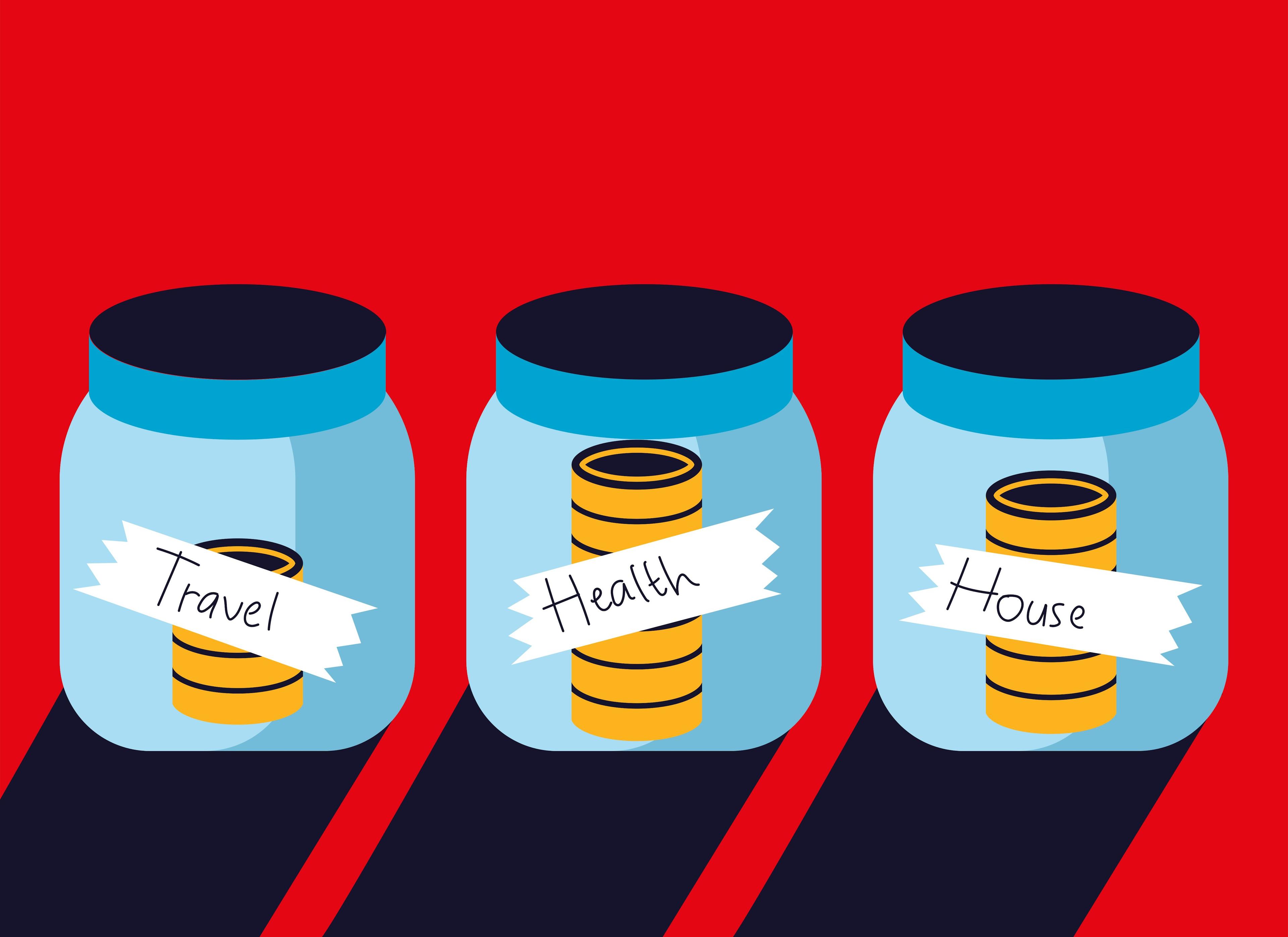
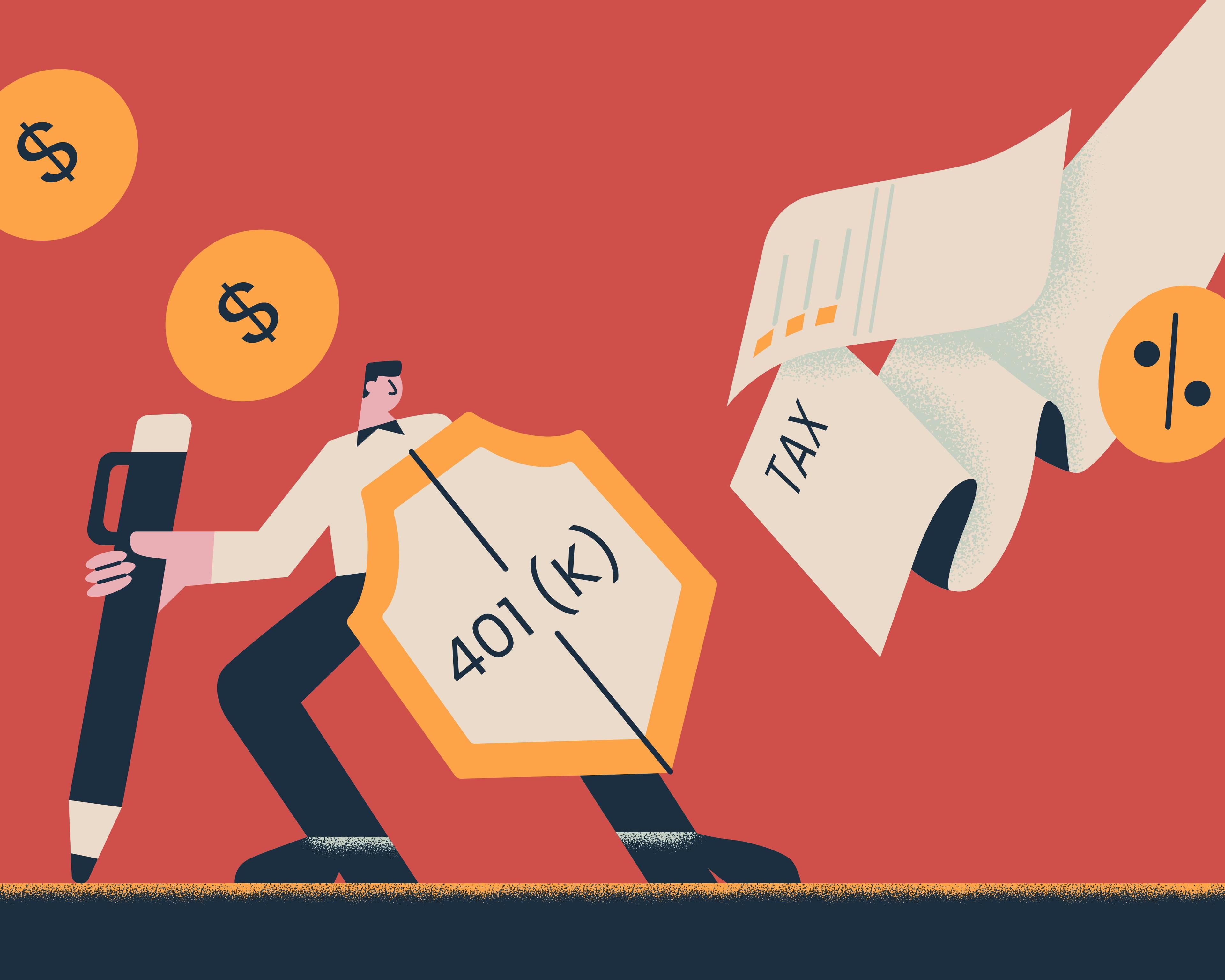
There is another quiet priority that protects your 401(k) from being raided too early, and that is an emergency fund. Without some money set aside in a regular savings account, any surprise expense can push you toward an early withdrawal from your retirement balance. That move comes with penalties and taxes in many cases, and it steals future growth. A modest emergency fund gives you a buffer so that your 401(k) can stay what it is meant to be, which is long term money. Even if you build this fund slowly, it acts as a shield around your retirement plan. All of this is easier to sustain when you attach your numbers to a picture of a life you actually want. Purely mathematical goals such as “hit X dollars by age 65” are useful, but they do not always keep you going when markets are down or life feels heavy. Instead, imagine moments. Maybe you see yourself on a weekday morning sipping coffee without rushing to a job you hate. Maybe you imagine having the choice to work part time in your sixties because you enjoy it, not because you must. Maybe you want to be able to help a future grandchild with education without it breaking your budget. These scenes are what your 401(k) is helping to fund. Each contribution is a vote for that future.
When markets drop and your balance dips, it does not mean the plan is broken. It often means your new contributions are buying investments at cheaper prices. When markets rise, you see the payoff of having stayed invested. If you keep that long view in mind, the short term noise becomes a little less loud. To stop yourself from obsessing, it helps to set a rule around how often you will check on your 401(k). Looking at it every few days usually leads to stress and overreaction. A once a year review is enough for most people. You can tie it to a date you will remember, like the start of the year or your work anniversary. During that check in, you review how much you contributed, whether you are capturing the full employer match, whether your current contribution rate can move up even slightly, and whether your chosen fund still fits your age and risk tolerance. Then you step away and let the automation keep running.
The rest of the time, your main job is not to tweak the account. It is to grow the inputs that feed it. That means improving your career, your skills, and your earning power where possible, and keeping your lifestyle from inflating so fast that every raise disappears into new expenses. More income and controlled spending give you more fuel. Your 401(k) is just the engine that converts that fuel into future flexibility. In the end, a late starter does not need a flawless retirement strategy. You need a plan you can actually live with, starting now. That plan is simple. Turn on your 401(k). Aim for the full match. Build toward using catch up contributions when you can. Choose a straightforward investing setup and leave it alone. Gradually increase your contributions as your income grows, while you manage debt and build a small safety buffer on the side. You cannot undo the years when retirement saving was not a priority. But you can make a clear decision about the years ahead. Every paycheck from now on is a chance to shift the story, from “I left it too late” to “I started when I was ready, and I stayed consistent.” For a lot of people, that is enough to create a future where retirement does not look like a cliff, but like a transition that you are financially prepared to make.
 WhatsApp
 Instagram
 Threads